

Walk into any taqueria and you’ll face a choice: carnitas vs birria. Both are slow-cooked Mexican meats that’ll make you rethink everything you thought you knew about tacos.
But they couldn’t be more different. One’s crispy pork with simple seasoning. The other’s spiced beef swimming in chile-rich consommé.
This comparison breaks down flavor profiles, textures, cooking methods, and when to choose each one. You’ll learn what makes carnitas crispy and addictive, why birria comes with dipping broth, and which dish fits your next meal.
By the end, you’ll know exactly which one deserves your order.
Understanding Carnitas
Origins and Traditional Preparation
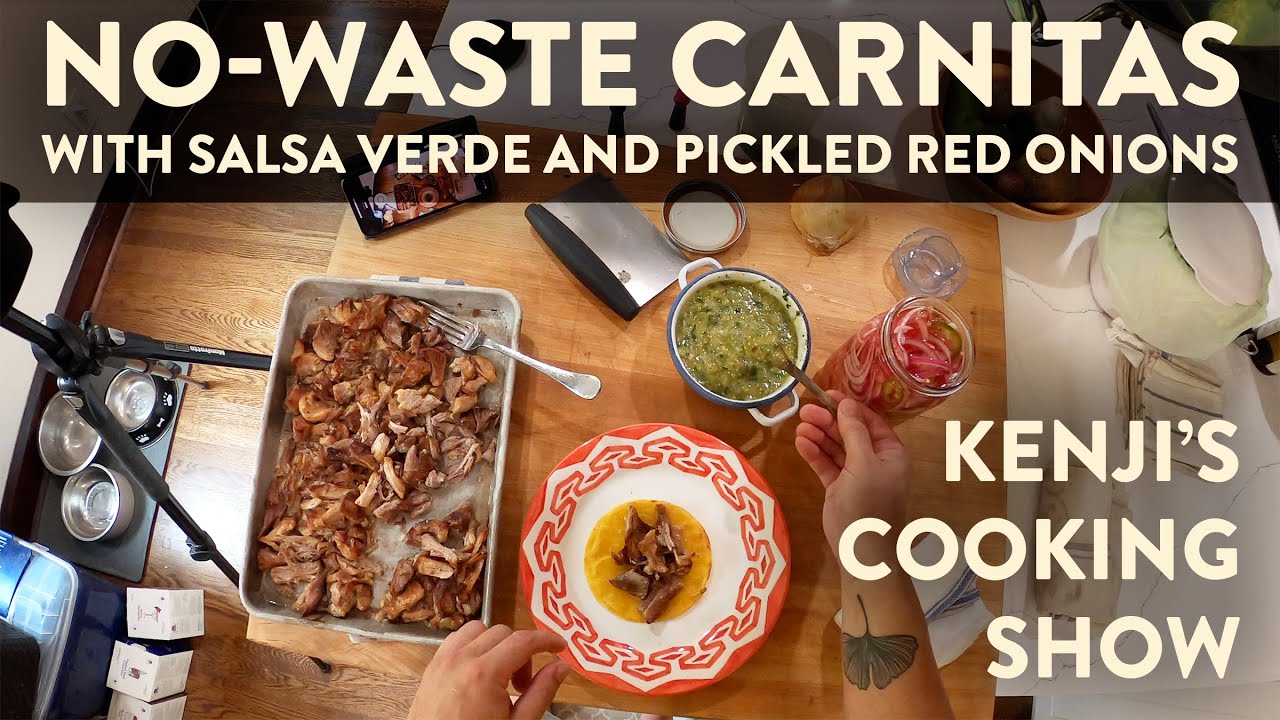
Carnitas trace back to Michoacán, a state in western Mexico where this pork specialty became a Sunday tradition. The name literally means “little meats,” but there’s nothing small about the flavor.
The traditional method involves slow-cooking pork in its own lard until it becomes impossibly tender. Think of it as a Mexican version of confit, except way less fussy and way more accessible.
Regional Roots in Michoacán
Michoacán’s carnitas tradition started centuries ago when cooks realized that simmering pork shoulder in lard created something magical. The meat would cook for hours in these massive copper pots called cazos.
Street vendors still use this method today. You’ll see them stirring enormous cauldrons of bubbling pork, the smell drawing crowds from blocks away.
The Confit Method Using Lard
Lard does the heavy lifting here. The pork simmers low and slow (we’re talking 2-3 hours) until it’s falling apart tender.
Some cooks add orange juice or milk to the pot. Others stick with pure lard and maybe some bay leaves. The fat keeps everything moist while the meat breaks down into shreds.
Cut Selection and Preparation Process
Pork shoulder (also called pork butt, confusingly) is the go-to cut. It has enough fat marbling to stay juicy through the long cook time.
You’ll want bone-in if possible. The bones add flavor and help the meat hold together during cooking. Cut the pork into large chunks, season with salt, and you’re basically ready to go.
Traditional Cooking Vessels and Techniques
Those copper cazos aren’t just for show. They distribute heat evenly and can handle the high temperatures needed to crisp the meat at the end.
Home cooks use Dutch ovens or slow cookers instead. The key is maintaining a gentle simmer that breaks down the tough connective tissue without drying out the meat.
Flavor Profile Characteristics
Carnitas taste like pork, but intensified. The long cooking time concentrates all those savory, meaty flavors while the fat adds richness.
It’s not heavily spiced. The pork itself is the star, with just enough seasoning to bring out its natural sweetness.
Rich Pork Fat Taste
That lard isn’t just cooking fat. It becomes part of the final dish, coating every strand of meat with silky richness.
You get this almost buttery quality that regular braised pork just doesn’t have. The fat also carries the seasoning throughout, so every bite tastes complete.
Citrus and Herb Seasoning Notes
Many recipes include orange juice or the juice from Mexican oranges. This adds a subtle brightness that cuts through all that pork fat.
Bay leaves and Mexican oregano show up frequently. They’re background players, adding herbal notes without screaming “look at me.”
Caramelization from Crisping
Here’s where carnitas get really good. After the long braise, you crank up the heat and crisp the outside.
The sugars in the meat caramelize, creating these dark, crunchy edges. You end up with contrast in every bite (soft interior, crispy exterior) that makes tacos absolutely killer.
Salt and Spice Balance
Carnitas lean simple. Salt is the main seasoning, sometimes with a bit of cumin or black pepper.
The meat should taste seasoned but not spiced. You want people tasting pork, not a spice blend that could’ve come from anywhere.
Texture and Mouthfeel

Pull-apart tender inside, crispy outside. That’s the whole game with carnitas.
The texture contrast is what separates mediocre carnitas from the kind that makes you go back for thirds.
Crispy Exterior Finish
That final crisping step isn’t optional. You need those caramelized, almost-burnt edges that crunch when you bite them.
Some cooks broil the meat. Others pan-fry it in a bit of the cooking fat. Either way, you’re looking for golden-brown, slightly charred pieces.
Tender, Pull-Apart Interior
Inside those crispy bits, the pork should be so tender it basically falls apart when you look at it. No knife needed.
The long, slow cook breaks down all the collagen. What was once a tough shoulder roast becomes silky strands of meat.
Fat Distribution Throughout Meat
The fat doesn’t pool at the bottom. It’s everywhere, woven through the meat fibers.
This is why pork shoulder works so well. Those fat deposits throughout the cut melt during cooking and keep everything moist.
Moisture Retention Techniques
Cooking in lard is the ultimate moisture insurance policy. The fat surrounds the meat, preventing it from drying out even during hours of cooking.
Some cooks reserve the cooking liquid and toss the shredded meat in it before crisping. This adds another layer of insurance against dry carnitas.
Common Serving Methods
Carnitas work in basically any Mexican dish format. Tacos are traditional, but don’t stop there.
The meat is so flavorful on its own that it doesn’t need much beyond some fresh toppings.
Taco Presentation
Warm corn tortillas, a pile of carnitas, diced white onion, fresh cilantro, a squeeze of lime. That’s it.
The simplicity lets the pork shine. Some people add salsa, which is fine, but honestly the meat doesn’t need the help.
Burrito and Bowl Applications
Carnitas make excellent burrito filling because they’re not saucy. The meat holds together without making the tortilla soggy.
In a bowl, pile them over rice with beans, salsa, and whatever toppings you want. The crispy bits add texture that stays interesting through the whole meal.
Traditional Accompaniments
Salsa verde is the classic pairing. The tangy tomatillo sauce complements the rich pork perfectly.
Pickled jalapeños, radishes, and avocado show up frequently. They add freshness and acid to balance the fat.
Regional Variations in Plating
In Michoacán, you might get a whole plate of carnitas with beans, rice, and tortillas on the side. It’s a full meal, not just taco filling.
Other regions serve it more casually, letting people build their own tacos from a communal platter.
Understanding Birria
Origins and Traditional Preparation
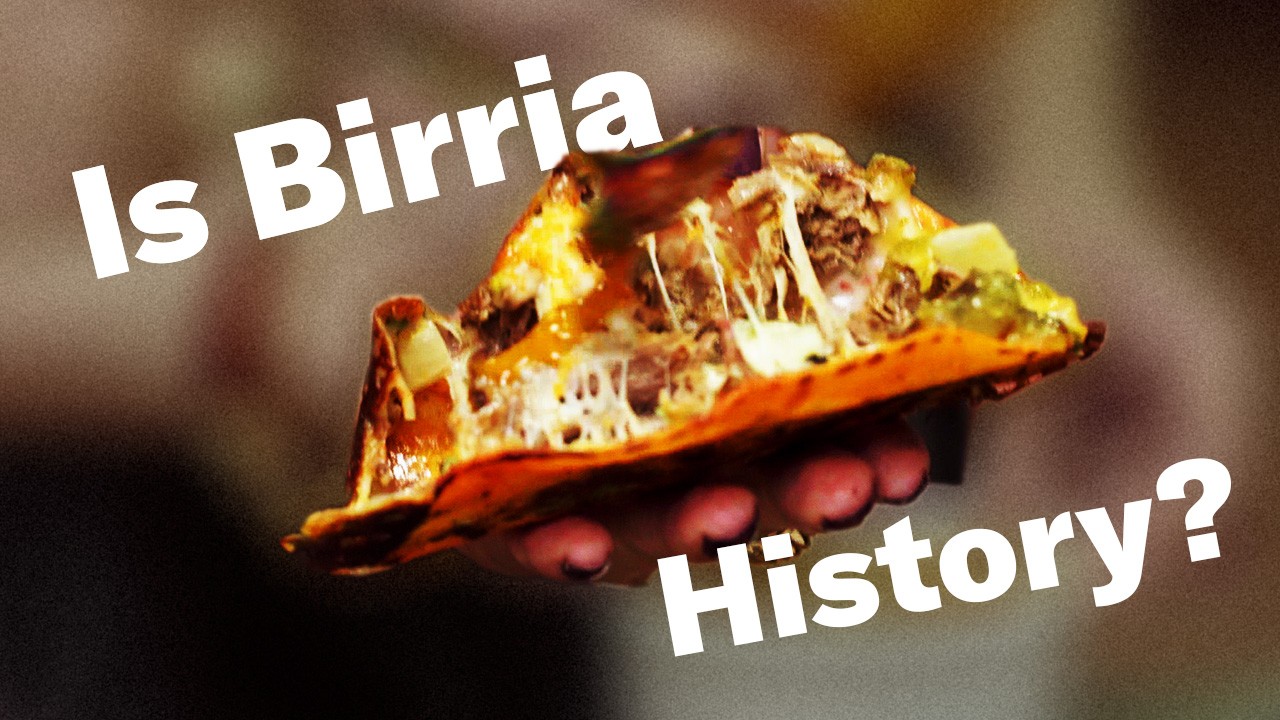
Birria comes from Jalisco, another Mexican state with serious food credibility. This dish started as a way to cook goat meat, which can be tough and gamey.
The long braising process in chile-rich consommé transformed that challenging meat into something incredible. Now birria’s having a moment, especially the taco version.
Jalisco Heritage and Cultural Significance
Jalisco gave Mexico mariachi, tequila, and birria. That’s a pretty solid resume.
Originally, birria was celebration food. Weddings, baptisms, holidays, you’d see those big pots of birria simmering away. The recipe passed down through families, each one claiming theirs was the authentic version.
Goat vs Beef Variations
Goat meat is traditional, but good luck finding it at your average grocery store. So beef took over, particularly in American versions.
Beef chuck works beautifully. It has similar marbling to goat and stands up to the long braise. Lamb shows up sometimes too, bringing its own distinct flavor to the party.
The meat choice changes the final taste more than you’d think. Goat has this earthy, slightly funky quality that beef just doesn’t match.
The Consommé Cooking Method
Here’s what sets birria apart: you’re making two things at once. The meat braises in a rich, chile-spiked broth that becomes the consommé.
That liquid isn’t just cooking medium. It’s an integral part of the dish, served alongside for dipping. The spices infuse both the meat and the broth during that long, slow cook.
Everything simmers together for 3-4 hours minimum. Some cooks go longer. The result is meat that shreds easily and a deeply flavored broth.
Dried Chile Selection and Preparation
Guajillo chiles and ancho chiles form the base of most birria recipes. They bring different things to the table.
Guajillos add bright, tangy heat. Anchos contribute sweetness and a deeper, almost raisin-like flavor. Toast them first (30 seconds in a dry pan), then soak them until soft.
Some recipes include chipotles for smokiness. Others add árbol chiles for extra heat. Blend the rehydrated chiles with tomatoes, garlic, and spices to make the cooking liquid.
Flavor Profile Characteristics

Birria tastes complex. There’s no other word for it.
The combination of chiles, spices, and slow-braised meat creates layers of flavor that keep revealing themselves as you eat.
Deep Chile-Forward Taste
Those dried chiles dominate the flavor profile. Not in a burn-your-face-off way, but in a warm, earthy, complex way.
You taste the fruitiness of the anchos, the slight bitterness of the guajillos, all rounded out by the long cooking time. The chiles mellow during braising, losing their raw edge while keeping their character.
Warming Spice Complexity
Cinnamon in a savory dish throws some people off. But it works here, adding sweetness and warmth without tasting like dessert.
Cloves, cumin, black pepper, sometimes a bit of Mexican oregano. Each spice is subtle on its own but they build into something bigger than their parts.
The spice blend doesn’t hit you over the head. It whispers in the background, making you wonder what exactly makes this taste so good.
Savory Broth Undertones
That consommé develops serious depth during cooking. The meat releases gelatin, the chiles contribute their oils, the aromatics break down.
You end up with a broth that’s rich enough to drink straight (and people do). It coats your mouth, leaving behind this lingering, savory finish.
Garlic and Tomato Notes
Garlic and tomatoes don’t dominate, but they’re there rounding everything out. The tomatoes add acidity and body to the broth.
The garlic mellows during the long cook, contributing sweetness rather than sharp pungency. It’s part of the foundation that lets the chiles shine.
Texture and Mouthfeel
Birria should be fall-apart tender. We’re talking meat that shreds if you breathe on it too hard.
The texture is uniform throughout, no crispy bits here. It’s all about that braised, juice-soaked softness.
Braised Meat Tenderness
Hours in that chile broth break down every bit of toughness. Beef chuck or goat transforms into strands that barely hold together.
You can shred it with a fork, or honestly with your hands. The connective tissue melts completely, leaving pure, tender meat.
Juiciness from Consommé
The meat doesn’t just cook in the liquid, it absorbs it. Every fiber is saturated with that spiced broth.
This is why birria stays moist even if you overcook it slightly. That consommé provides insurance against dryness in a way carnitas’ fat can’t quite match.
Fat Rendering and Distribution
The fat renders slowly during braising, distributing throughout the broth. Some of it stays with the meat, but much of it floats to the top of the consommé.
That layer of fat isn’t waste. It’s liquid gold that you can use to fry your tacos or just mix back into the meat for extra richness.
Shredded vs Chunked Meat Differences
Most people shred birria completely. The stringy texture soaks up consommé better and fits nicely in tacos.
Some cooks prefer larger chunks that hold their shape. This gives you more textural variation but makes dipping trickier.
Common Serving Methods
Birria’s traditional presentation is straightforward: meat, consommé, tortillas, toppings. Build your own experience.
Then quesabirria tacos happened and the whole game changed.
Traditional Presentation with Consommé
You get a bowl of shredded meat, a bowl of hot consommé for dipping, and a stack of corn tortillas. Simple.
Load your tortilla with meat, fold it, dip it in the broth, take a bite. Sip the consommé between bites. This is how it’s been done for generations.
Quesabirria Tacos Popularity
Quesabirria blew up on social media and for good reason. Dip a tortilla in the consommé fat, add cheese and birria, fold it, fry it until crispy.
The cheese melts, the tortilla gets crispy from the fat, the meat stays tender inside. You still dip it in consommé, adding another layer of flavor and richness.
This isn’t traditional, but it’s delicious. Sometimes innovation works.
Dipping and Dunking Customs
The dipping ritual is half the appeal. That first bite of consommé-soaked taco hits different.
Some people dunk aggressively, fully submerging their taco. Others prefer a light dip. There’s no wrong way as long as you’re getting that broth involved.
Modern Serving Adaptations
Birria ramen, birria grilled cheese, birria pizza. People are getting creative.
The basic formula (spiced meat + consommé) adapts surprisingly well to other formats. Though purists will tell you that nothing beats the traditional preparation.
Direct Flavor Comparison

Base Meat Taste Differences
The protein choice creates fundamentally different flavor foundations. Carnitas taste like pork (obviously), but birria’s meat choice affects everything.
Pork has inherent sweetness that shines through minimal seasoning. Beef or goat bring earthier, more assertive flavors that stand up to aggressive spicing.
Pork vs Beef/Goat Flavor Intensity
Pork shoulder is relatively mild. It’s rich, yes, but not intensely flavored on its own.
Beef chuck has more mineral, iron-like notes. Goat meat goes even further, with that distinctive gamey quality some people love and others can’t handle. The meat isn’t just a vessel for seasoning in birria, it’s an active flavor participant.
Natural Meat Sweetness Levels
Carnitas let that natural pork sweetness come through. The citrus and simple seasoning support it rather than covering it.
Birria’s beef doesn’t have the same inherent sweetness. The cooking method and spice blend have to create that balance between savory, sweet, and heat.
Fat Flavor Contributions
Pork fat tastes distinctly porky. There’s a reason people love bacon, and carnitas tap into that same fatty deliciousness.
Beef fat has a cleaner taste, less distinctive. It adds richness without dominating the flavor profile the way pork fat can.
Protein Texture Impact on Taste
Tender meat carries flavor differently than chewy meat. Both carnitas and birria are tender, but they achieve it differently.
Carnitas’ crispy edges concentrate flavor through caramelization. Birria’s uniform tenderness lets the consommé penetrate evenly, distributing flavor throughout.
Seasoning and Spice Approaches
This is where the dishes really diverge. Carnitas keep it simple. Birria goes complex.
The seasoning philosophy reflects different cooking traditions and flavor goals.
Herb vs Chile Dominance
Carnitas might have some bay leaves and Mexican oregano, but they’re subtle. The pork itself is the main event.
Birria puts chiles front and center. Guajillo, ancho, maybe chipotle. The chiles aren’t just seasoning, they define the entire dish.
Heat Level Differences
Carnitas aren’t spicy. At all. Maybe you’ll get a little heat from freshly ground black pepper, but that’s about it.
Birria has warmth, sometimes significant heat depending on the chile selection. It’s not necessarily blow-your-head-off spicy, but there’s definite chile heat happening.
Aromatic Profiles
Carnitas smell like roasting pork with a hint of citrus. It’s a clean, straightforward aroma that makes your mouth water.
Birria smells like a spice market exploded in a good way. Cinnamon, cloves, toasted chiles, garlic. The aroma is as complex as the taste.
Acidity and Brightness Contrast
That orange juice in carnitas adds subtle acidity. It’s there but not obvious, just lifting the richness slightly.
Birria gets acidity from tomatoes and the chiles themselves. It’s a different kind of brightness, more integrated into the overall flavor rather than a distinct citrus note.
Cooking Method Impact on Flavor

The way you cook something is as important as what you cook. These dishes prove it.
Carnitas and birria use completely different techniques that create completely different results.
Dry Heat vs Braising Effects
Carnitas technically braise in lard, but the final crisping step is crucial. That dry heat creates new flavors through the Maillard reaction.
Birria never sees dry heat. It’s wet cooking the whole way, which keeps flavors melded together rather than creating distinct caramelized notes.
Caramelization vs Slow-Cooked Depth
Carnitas develop sweet, slightly bitter caramelized flavors from crisping. You get that roasted meat taste that’s totally different from braised meat.
Birria builds depth through time and liquid. The flavors marry and mellow, creating complexity without caramelization’s concentrated intensity.
Fat Rendering Differences
In carnitas, the fat renders then crisps onto the meat. It becomes part of the texture as much as the flavor.
Birria’s fat renders into the consommé. Some stays with the meat, but much of it separates, giving you control over how rich your final dish is.
Concentration of Flavors
Carnitas concentrate flavor through reduction and caramelization. As the cooking liquid evaporates, what’s left becomes more intense.
Birria dilutes its flavors in consommé, then serves that liquid as an accompaniment. The meat itself isn’t as intensely flavored because the broth carries so much of that flavor.
Complexity and Depth
Both dishes are delicious, but they achieve deliciousness differently. One’s straightforward, the other’s intricate.
The question is whether you want to taste the meat or taste the method.
Layered Flavors in Each Dish
Carnitas have maybe three or four distinct flavor notes: pork, fat, citrus, caramelization. They’re clear and identifiable.
Birria has a dozen things happening at once. Trying to identify individual spices is like trying to pick out instruments in an orchestra.
Time Investment Reflection in Taste
Both require hours of cooking, but you can taste where that time went. In carnitas, it went into tenderness and fat rendering.
In birria, time created complexity. The long braise lets flavors develop and interact in ways that quick cooking can’t achieve.
Simple vs Complex Seasoning
There’s elegance in carnitas’ simplicity. You taste what pork is supposed to taste like when treated well.
Birria’s complexity is its own kind of elegance. The balance between sweet cinnamon, earthy chiles, warm cumin, and savory beef takes skill to nail.
Which Offers More Nuanced Eating
This depends on what you mean by nuanced. Carnitas offer textural nuance (crispy vs. tender) but relatively straightforward flavor.
Birria offers flavor nuance with every bite revealing different spice notes, but the texture stays consistent. Pick your preferred type of complexity.
Direct Texture Comparison
Meat Structure Differences
The bite experience tells you immediately which dish you’re eating. Carnitas hit you with contrast, birria with uniformity.
Texture is where these two dishes really show their different personalities.
Crispy Carnitas Edges vs Soft Birria

Carnitas have those caramelized, crunchy bits that stick to your teeth in the best way. You get that satisfying snap when you bite down.
Birria never crisps. It’s soft all the way through, falling apart at the slightest pressure. The meat yields immediately rather than offering any resistance.
Pull-Apart Qualities
Both dishes shred easily, but for different reasons. Carnitas pull apart because the fat has rendered and the meat fibers have separated during the long cook.
Birria shreds because it’s been braised into submission. The consommé breaks down everything, leaving meat that barely holds together.
Chewiness Factors
Good carnitas should have minimal chew. The crispy parts offer texture, but once you get past that exterior, it’s all tenderness.
Birria has zero chew unless something went wrong. It’s so tender it almost melts, more like a texture suggestion than actual resistance.
How Each Breaks Down While Eating
Carnitas stay relatively intact as you chew. The crispy coating holds things together initially, then the interior collapses.
Birria disintegrates immediately. One bite and it’s turned to strands mixing with whatever else is in your taco or bowl.
Moisture Content
Dry meat is the enemy of good Mexican food. Both dishes handle moisture differently.
The fat-to-liquid ratio changes everything about how these dishes feel in your mouth.
Fat Lubrication in Carnitas
The rendered pork fat coats every strand of meat. It’s not greasy (if cooked right), just rich and silky.
That fat creates lubrication that makes the meat slide across your palate. It’s what keeps carnitas from feeling dry even though they’re crisped.
Consommé Saturation in Birria
Birria meat is basically a sponge for that spiced broth. Every fiber absorbs liquid during the long braise.
When you bite into birria, you release that trapped consommé. It floods your mouth with flavor and moisture simultaneously.
Dryness Risks and Prevention
Carnitas can dry out if you crisp them too long or don’t use enough cooking fat. The cure is saving some of that cooking lard to toss with the meat before serving.
Birria’s almost impossible to dry out unless you somehow forget about it and cook all the liquid away. The braising liquid is built-in insurance.
Juiciness Perception
Carnitas feel rich rather than juicy. The fat creates moisture, but it’s a different sensation than juice.
Birria feels actively wet. You might need extra napkins. That consommé doesn’t just moisten the meat, it actively drips from it.
Temperature Serving Impact

Temperature changes how texture behaves. Hot carnitas are different creatures than cold carnitas.
Both dishes work best served hot, but they degrade differently as they cool.
Hot Crispy vs Hot Tender
Fresh carnitas straight from the pan offer maximum crunch. That crispy exterior is at its peak when it’s still crackling hot.
Hot birria is tender and juicy, but temperature doesn’t affect texture as dramatically. It’s soft whether it’s steaming or just warm.
Cold Leftover Differences
Cold carnitas lose their crisp completely. The fat solidifies, making everything feel greasy and heavy.
Cold birria is actually pretty decent. The gelatin from the long braise firms up, giving the meat more structure than it had hot.
Reheating Texture Changes
Reheating carnitas in a pan can restore some crispiness. You won’t get that original crunch, but you can get close.
Birria reheats beautifully because it’s already soft. Just warm it in its consommé and it’s basically like fresh.
Best Serving Temperatures
Carnitas need to be hot enough that the fat is liquid and the crispy bits are still crunchy. Lukewarm is the death zone.
Birria has more flexibility. Hot is ideal, but it’s still good warm or even room temperature if you’re eating it traditional-style.
Bite Experience
First bite tells the whole story. Your teeth, tongue, and jaw all send different messages.
The complete sensory experience separates great versions of these dishes from mediocre ones.
Initial Contact Sensation
Carnitas greet you with crunch. Your teeth meet resistance before breaking through to the tender interior.
Birria offers no resistance. It’s immediate softness, almost startling if you’re expecting any texture at all.
Chewing Progression
Carnitas start crispy, then transition to tender and fatty as you chew. It’s a journey.
Birria stays consistent. First chew, last chew, it’s all the same soft texture mixing with whatever toppings you’ve added.
Coating and Mouthfeel
Pork fat from carnitas coats your mouth completely. It’s rich, almost sticky, clinging to your palate.
Birria’s consommé creates a different coating, lighter and more liquid. It washes over your mouth rather than sticking to it.
Lingering Texture After Swallowing
Carnitas leave a fatty film that requires a drink or a bite of something acidic to cut through.
Birria leaves your mouth cleaner. The broth-based moisture doesn’t cling the way rendered fat does.
Preparation Time and Technique Requirements
Carnitas Cooking Process

Making carnitas isn’t complicated, but it takes time. You can’t rush pork shoulder into tenderness.
The technique is forgiving if you understand the basics.
Time Investment Needed
Plan on 2.5 to 3.5 hours minimum. That’s for a traditional stovetop braise followed by crisping.
Slow cooker versions take 6-8 hours on low. Instant pot carnitas cut it down to about 90 minutes under pressure plus crisping time.
Skill Level Required
Beginner-friendly, honestly. Season meat, add fat, cook low and slow, then crisp it. Hard to mess up badly.
The trickiest part is getting the crisp right without drying everything out. That comes with practice.
Equipment Necessities
A heavy pot or Dutch oven is ideal for stovetop. The thick bottom distributes heat evenly.
You can use a slow cooker or pressure cooker instead. For crisping, a sheet pan under the broiler or a large skillet works.
Make-Ahead Capabilities
Carnitas actually improve if you braise them the day before. The flavors develop overnight in the fridge.
Crisp them right before serving. Don’t crisp ahead or they’ll lose that textural contrast.
Birria Cooking Process

Birria demands more active prep work. All those chiles need attention.
The cooking itself is hands-off once you get everything in the pot.
Time Investment Needed
3-4 hours minimum for the braise. Add 30-45 minutes for toasting, soaking, and blending the chiles.
You can’t shortcut this one much. Pressure cooking helps (about 90 minutes), but you still need that chile prep time.
Skill Level Required
Intermediate. You need to toast chiles without burning them, blend a smooth sauce, and get the spice balance right.
It’s not difficult, but there are more steps where things can go wrong. Burnt chiles ruin everything.
Equipment Necessities
Big pot for braising, blender for the chile sauce, and ideally a way to skim fat from the consommé.
A strainer helps for the sauce. Some people strain the finished broth too, though that’s optional.
Make-Ahead Capabilities
Birria loves being made ahead. The flavors meld even better after a day in the fridge.
The consommé’s fat solidifies on top, making it easy to remove if you want a leaner final dish. Reheat everything together and you’re set.
Home Cook Accessibility
Both dishes are doable at home. But they require different kinds of effort.
Success depends on understanding what each dish needs.
Ingredient Sourcing Ease
Carnitas ingredients are everywhere. Pork shoulder, lard (or substitute oil), salt, maybe some citrus. Done.
Birria needs dried chiles that might require a trip to a Mexican market. Guajillo and ancho aren’t always at regular grocery stores.
Beef chuck or goat is the meat base. Goat’s harder to find, so most home cooks use beef.
Common Mistakes to Avoid
For carnitas: Not crisping enough, using too lean a cut, underseasoning, or crisping too far ahead.
For birria: Burning the chiles during toasting, not straining the sauce (seeds make it bitter), or rushing the braise.
Simplified Methods That Work
Carnitas can skip the lard. Braise in beer or stock, then broil to crisp. Not traditional, but effective.
Birria can use chile powder in a pinch. You lose some complexity, but it’s faster and uses pantry staples.
Which Is More Forgiving
Carnitas win here. The simple seasoning and forgiving cut of meat mean small mistakes don’t ruin the dish.
Birria’s spice blend requires more precision. Too much cinnamon, burnt chiles, or wrong proportions throw everything off.
Best Use Cases for Each
When Carnitas Work Better
Some situations just call for crispy pork. The texture and straightforward flavor fit specific scenarios.
Carnitas shine when you want meat to be the clear focus.
Taco Situations Favoring Crispy Texture

Soft tortillas benefit from textural contrast. Carnitas provide crunch that complements rather than competes.
Simple taco toppings like diced onion and cilantro work perfectly. The crispy meat holds up without getting soggy.
Bowl and Burrito Applications
Carnitas don’t add liquid to bowls and burritos. This keeps everything from turning into mush.
The meat sits on rice or beans without bleeding moisture into everything else. Your burrito tortilla stays intact.
Leftover Versatility
Carnitas work cold in sandwiches or salads. The fat solidifies but the meat stays flavorful.
Reheat them for breakfast with eggs. Toss them in pasta. They adapt to almost anything.
Casual Meal Scenarios
Carnitas feel less formal than birria. They’re backyard cookout food, quick weeknight dinner material.
Set out the meat, toppings, and tortillas. Let people build their own. Easy, low-maintenance entertaining.
When Birria Works Better
Birria brings drama. The presentation, the dipping ritual, the complex flavors all create an experience.
This is food that demands attention and rewards it.
Cold Weather Comfort Food

That hot consommé warms you from the inside. Birria is winter food, rainy day food, feeling-under-the-weather food.
The richness and spice combo fights off cold in a way carnitas’ crispy texture can’t match.
Dipping Taco Preferences
If you love dipping your tacos (and you should), birria is the obvious choice. The consommé is built for it.
Quesabirria tacos take this even further. Crispy, cheesy, meat-filled tortillas meeting that spiced broth is hard to beat.
Special Occasion Cooking
Birria feels celebratory. The time investment and complex flavors make it special-meal territory.
Serve it for birthdays, holidays, or when you’re trying to impress someone. It shows effort.
Rich, Saucy Dish Desires
Sometimes you want food that’s almost soup-adjacent. Birria delivers that brothy, saucy satisfaction.
The meat and liquid work together rather than standing alone. It’s complete as served.
Crowd-Pleasing Factors
Both dishes work for groups, but they appeal to different preferences and situations.
Know your audience before choosing.
General Appeal to Different Palates
Carnitas’ mild flavor wins over picky eaters. Kids often prefer them because they’re not spicy.
Birria’s spice blend might intimidate people who don’t like heat or “different” flavors. But adventurous eaters usually love it.
Accommodating Dietary Preferences
Carnitas are inherently gluten-free and fit most eating styles. Just skip the tortillas if needed.
Birria can be adjusted. Use less fat from the consommé for lighter eating. Both dishes work for low-carb folks when served without tortillas.
Party and Gathering Suitability
Carnitas scale up easily. Double or triple the recipe without changing the technique.
Birria requires bigger pots for large batches. The chile sauce prep doesn’t scale linearly, which is annoying for feeding crowds.
Visual Presentation Impact
Carnitas look good but straightforward. Golden-brown meat piled in a serving dish gets the job done.
Birria photographs beautifully. That deep red consommé, the cheese pull on quesabirria, the dipping action, it’s all Instagram-ready.
Nutritional and Dietary Considerations
Calorie and Fat Content
Both dishes pack calories, no way around it. The cooking methods guarantee that.
Fat content varies wildly depending on how you prepare and serve them.
Carnitas Nutritional Breakdown
A 4-ounce serving of carnitas runs about 280-320 calories. That’s without tortillas or toppings.
Fat content sits around 20-24 grams per serving, with 7-9 grams being saturated. The pork shoulder’s marbling plus the cooking lard explains those numbers.
Lean it up by trimming excess fat before cooking or draining the rendered fat. You’ll lose some flavor but cut significant calories.
Birria Nutritional Breakdown
Birria made with beef chuck comes in around 250-300 calories per 4-ounce serving of meat only.
The consommé adds another 50-80 calories per cup, depending on how much fat you leave in. Skim that fat layer and you drop it considerably.
Total fat ranges from 15-20 grams per serving of meat. The braising method renders out more fat than carnitas’ technique, giving you control over the final richness.
Portion Size Standards
Restaurant portions usually give you 6-8 ounces of meat in tacos or bowls. That doubles the calories right there.
Home cooking lets you control portions. Three ounces of meat per taco is plenty when you add toppings and tortillas.
Fat Type Differences
Pork fat contains more monounsaturated fat than beef, which some consider healthier. It’s still saturated fat though.
Beef fat has a different fatty acid profile, slightly higher in saturated fats. Health-wise, they’re both rich foods that should be occasional treats rather than daily staples.
Protein and Nutrient Profiles
The protein content makes both dishes solid choices if you’re watching macros. Everything else is a mixed bag.
Neither dish wins any awards for micronutrients, but they’re not nutritional disasters either.
Protein Content Comparison
Carnitas deliver about 24-28 grams of protein per 4-ounce serving. Pork shoulder is protein-dense despite the fat.
Birria matches this closely at 25-30 grams per serving. Beef chuck is slightly leaner than pork shoulder, tipping the protein ratio up marginally.
Both work well for high-protein diets when you account for the fat content.
Micronutrient Contributions
Pork provides B vitamins, particularly thiamine and B6. You also get zinc and selenium in decent amounts.
Beef brings more iron and B12 than pork. If you’re prone to anemia, birria’s beef gives you a slight edge.
The chiles in birria add vitamin C and antioxidants. Carnitas’ minimal seasoning means fewer micronutrients from spices.
Sodium Levels
Both dishes can be sodium bombs if you’re not careful. The meat itself needs aggressive seasoning to taste good.
Restaurant versions often hit 800-1200mg sodium per serving. Home cooking lets you control this better.
The consommé in birria concentrates sodium. Taste it before adding more salt to the meat.
Overall Nutritional Value
Neither dish qualifies as health food. They’re celebration meals, comfort food, occasional indulgences.
The protein content is legitimately good. The fat and calorie counts require awareness. Balance them with lighter meals throughout the day.
Dietary Restriction Compatibility
Both dishes adapt to various eating styles with some modifications. Neither is particularly difficult to adjust.
The base preparations are already simpler than many other cuisines.
Low-Carb and Keto Friendliness
Skip the tortillas and both dishes work perfectly for keto. The fat content actually becomes an advantage.
Carnitas fit keto macros naturally. Birria works too if you don’t drink much consommé (it sometimes contains tomatoes that add carbs).
Load them over cauliflower rice or eat them plain with high-fat toppings like sour cream and cheese.
Gluten-Free Considerations
Both are naturally gluten-free when made traditionally. Corn tortillas keep them that way.
Watch for cross-contamination if you’re celiac. Some restaurants dust their meat with flour before browning, which is non-traditional but happens.
Dairy-Free Options
Traditional carnitas contain zero dairy. Keep them that way by avoiding cheese and sour cream toppings.
Birria is also dairy-free in its authentic form. Quesabirria obviously adds cheese, but regular birria tacos don’t need it.
Modification Possibilities
Cut fat by using leaner cuts. Pork loin instead of shoulder works for carnitas (though it’s drier). Top round instead of chuck for birria.
Increase vegetables in birria’s sauce. Add more tomatoes, peppers, and onions to bulk it up without adding meat.
Both dishes handle modifications better than you’d expect. They’re forgiving recipes.
Cost and Availability Factors

Ingredient Costs
Making either dish at home costs less than ordering out. But the ingredients aren’t free.
Meat prices fluctuate, so your costs will vary by location and timing.
Meat Price Differences
Pork shoulder usually runs $2-4 per pound. It’s one of the cheaper cuts at most grocery stores.
Beef chuck costs $4-7 per pound depending on grade and location. Goat meat, if you can find it, often hits $8-12 per pound.
Carnitas win the budget battle. Pork shoulder’s affordability makes it accessible for regular cooking.
Spice and Seasoning Expenses
Carnitas need basically salt and maybe some citrus. Under $5 for everything.
Birria requires dried guajillo chiles, ancho chiles, whole spices like cinnamon sticks and cloves. First-time investment runs $15-25 for a full spice cabinet refresh.
Once you have the spices, they last for months. But that initial outlay stings.
Supporting Ingredient Costs
Carnitas need lard or oil, maybe beer or stock. Another $3-5 total.
Birria requires tomatoes, garlic, onions, and broth. Figure $8-12 for a full batch.
Tortillas, toppings, and garnishes cost roughly the same for both. Budget $10-15 for a complete meal setup.
Overall Budget Impact
A full carnitas meal for 6-8 people costs around $25-35. That’s extremely economical.
Birria runs $40-60 for the same group, primarily due to meat and spice costs. Still reasonable for the amount of food you get.
Restaurant Pricing
Eating out multiplies costs significantly. But you’re paying for convenience and expertise.
Different restaurants price these dishes differently based on location and quality.
Typical Menu Price Ranges
Carnitas tacos usually run $3-5 each at casual spots. Three tacos make a meal, so $9-15 per person.
Birria tacos command premium pricing, especially quesabirria. Expect $4-7 per taco, so $12-21 per person for three.
Plated meals (the meat with sides and tortillas) range from $12-18 for carnitas, $15-25 for birria.
Value for Portion Sizes
Carnitas portions tend to be generous. You get a lot of meat for your money because it’s an affordable cut.
Birria portions are often smaller due to higher ingredient costs. But the richness means you need less to feel satisfied.
The consommé adds perceived value. You’re getting both meat and soup essentially, which justifies the higher price point.
Regional Price Variations
Areas with large Mexican populations have competitive pricing. Los Angeles, San Antonio, Phoenix, all have affordable options.
Smaller cities with fewer Mexican restaurants charge more. Limited competition drives prices up.
Food trucks often undercut sit-down restaurants by 20-30%. Same food, lower overhead.
Street Food vs Sit-Down Costs
Street vendors sell carnitas tacos for $2-3 each. It’s the most economical way to eat them outside your home.
Sit-down restaurants charge double or triple for the same tacos, plus you’re expected to tip and possibly buy drinks.
Birria from street vendors runs $3-5 per taco. Still cheaper than restaurants but the gap is smaller than with carnitas.
Finding Quality Versions
Not all carnitas and birria are created equal. Knowing what to look for saves disappointment.
Quality indicators exist even before you taste anything.
Restaurant Indicators of Good Carnitas
Look for places that advertise “traditional preparation” or mention cooking in lard. That’s a good sign.
The meat should look golden-brown with visible crispy edges. If it’s uniformly pale and wet, they probably steamed it (wrong method).
Ask if they make it fresh daily. Carnitas suffer from sitting around under heat lamps.
Restaurant Indicators of Good Birria
The consommé should be deep red-brown, almost mahogany colored. Pale or orange broth suggests they skimped on chiles.
Quality places serve the consommé in a separate cup for dipping. If it’s already poured over the meat, they’re hiding something.
Fresh cilantro and diced onion on the side indicate they care about presentation and traditional serving methods.
Regional Availability Differences
West Coast cities, Texas, and the Southwest have the best selection. Competition keeps quality high and prices reasonable.
Midwest and East Coast have fewer options. You’ll find birria more easily than authentic carnitas in these areas because birria’s trending.
Small towns might have one Mexican restaurant that serves both. Quality varies wildly in these situations.
Chain vs Authentic Options
Chipotle’s carnitas are serviceable but not traditional. They’re braised in stock rather than lard, so they lack that rich pork fat flavor.
Authentic taquerias make both dishes properly. But “authentic” doesn’t guarantee good (some family recipes are just okay).
Look for places that focus on regional Mexican cuisine rather than Tex-Mex fusion. They’re more likely to nail the traditional preparations.
Regional Variations and Authenticity
Carnitas Regional Differences

Mexico’s a big country. Regional styles show it.
Even within carnitas’ home state, you’ll find variations.
Michoacán Style Specifics
Michoacán carnitas cook in massive copper pots over wood fires. The smoky notes from the fire add another flavor layer.
They season minimally: salt, maybe some Mexican oregano. The pork and lard do the talking.
Traditional Michoacán carnitas include various pork cuts mixed together. You get cheek, shoulder, belly, even skin. This variety creates textural interest within a single order.
Northern Mexico Adaptations
Northern states sometimes cook carnitas in beer instead of pure lard. It’s lighter and adds malty sweetness.
They might add more spices too, including cumin and black pepper. The flavor profile leans toward carne asada territory.
Flour tortillas replace corn in some northern areas, which is sacrilege to Michoacán purists but reflects local preferences.
American Interpretations
American versions often substitute oil for lard to appear healthier. You lose authenticity and flavor.
Slow cooker and instant pot methods dominate here. They’re convenient but can’t replicate the traditional texture.
Some places add non-traditional ingredients like Coca-Cola or condensed milk. These work surprisingly well even if they make purists cringe.
Notable Regional Twists
Coastal areas sometimes add citrus aggressively: lime, orange, even grapefruit juice. The tropical influence shows.
Some regions crisp carnitas by deep-frying rather than pan-frying. You get maximum crunch but also maximum greasiness.
Carnitas with nopales (cactus) appears in some areas, adding a vegetable component that’s not traditional but interesting.
Birria Regional Differences
Birria evolved significantly as it spread beyond Jalisco. Each region adapted it to local tastes and ingredients.
The diaspora versions sometimes diverge dramatically from the original.
Jalisco Traditional Approach
Original Jalisco birria uses goat exclusively. The gamey flavor is the point, not something to mask.
The spice blend stays relatively simple: dried chiles, cinnamon, cloves, cumin, and bay leaves. It’s complex but not overcrowded.
They serve it as a stew with the meat in the consommé, not as separated components. You eat it with a spoon and tortillas on the side.
Tijuana Style Developments
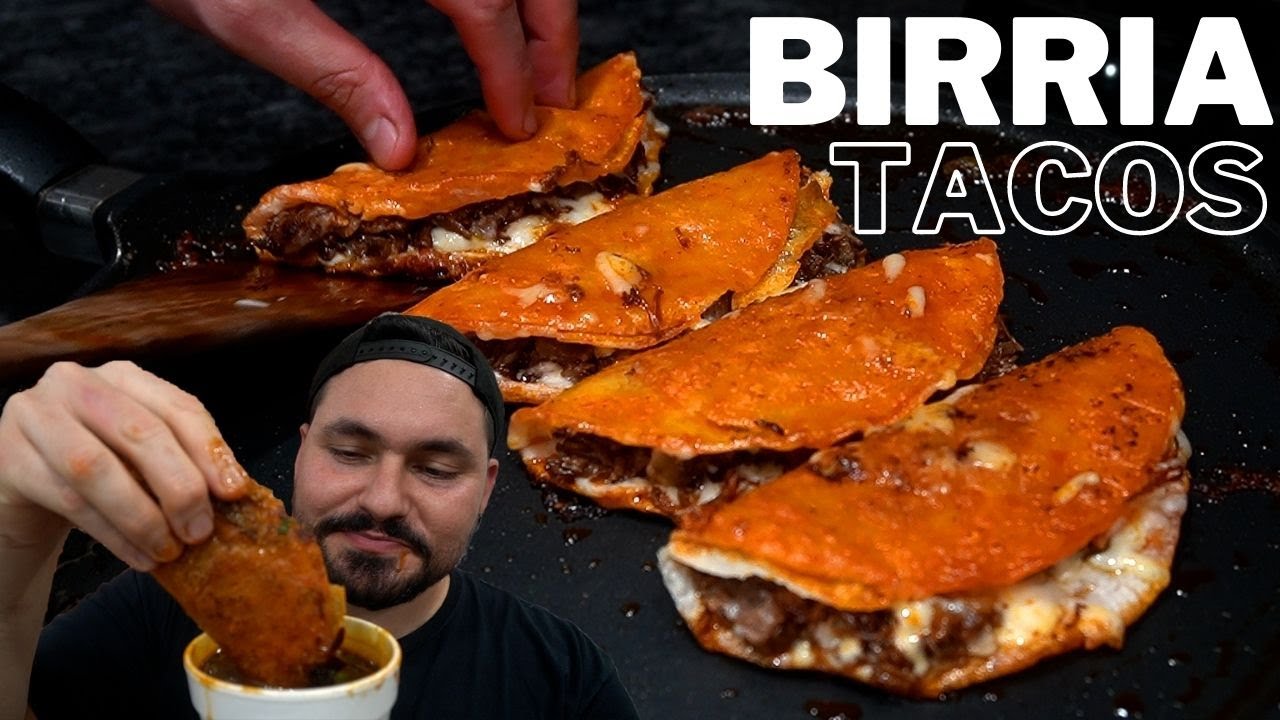
Tijuana transformed birria into the quesabirria taco phenomenon. They substituted beef, added cheese, and created street food perfection.
The consommé becomes a dipping sauce rather than soup. This shift made birria more portable and sharable.
Tijuana-style birria uses fattier beef cuts intentionally. That fat layer on the consommé is what fries the tortillas and creates the signature crispy exterior.
American Fusion Versions
American versions often tone down the spice complexity. Cinnamon gets reduced or eliminated because it confuses palates expecting savory meat.
Some places add barbecue sauce or similar Americanized flavors. It tastes good but loses the dish’s identity.
Birria pizza, birria ramen, birria grilled cheese are all American innovations. They’re tasty but have minimal connection to tradition.
State-by-State Variations
California birria emphasizes beef and the quesabirria format. It’s the trendy version that went viral.
Texas versions sometimes add brisket or mix beef cuts. The BBQ influence shows through in smoke and spice preferences.
Midwest birria often comes from trucks run by transplants. They typically follow Jalisco traditions more closely than coastal adaptations.
Authenticity Markers
“Authentic” is tricky because both dishes have legitimate regional variations. But some standards exist.
Certain elements define these dishes regardless of location.
What Makes Carnitas Authentic
Cooking in lard or pork fat is non-negotiable. Oil-braised pork isn’t carnitas, it’s just braised pork.
The meat must be crisped. Wet, steamed pork doesn’t qualify no matter how tender it is.
Simple seasoning that lets the pork flavor dominate. Once you’re adding complex spice blends, you’ve left carnitas territory.
What Makes Birria Authentic
Dried chiles must form the sauce base. Canned chile sauce or powder substitutes change the fundamental character.
A separate consommé for dipping is traditional. The broth isn’t gravy, it’s an equal partner to the meat.
The warming spice combination (cinnamon, cloves, cumin) is signature. Without these, you’re making basic braised meat in chile sauce.
When Modifications Work
Protein substitutions maintain authenticity if technique stays true. Beef birria follows traditional methods even though goat is original.
Equipment changes (slow cooker vs. copper pot) don’t ruin authenticity if the results taste right.
Adding vegetables to bulk up serving size works as long as core flavors stay intact.
Respecting Traditional Methods
Both dishes represent specific cultural and regional traditions. Calling something carnitas or birria creates expectations.
Fusion versions are fine when labeled honestly. “Birria-inspired” or “carnitas-style” gives you creative freedom without misleading people.
Learning traditional methods first, then innovating, shows respect. Skipping straight to fusion without understanding the original misses the point.
Pairing and Complementary Flavors
Best Toppings for Carnitas

Less is more with carnitas. The pork has enough going on without drowning it.
Traditional toppings work because they add contrast rather than competing flavors.
Onion and Cilantro Simplicity
Diced white onion and fresh cilantro are the classic duo. Raw onion adds sharp bite that cuts through the pork fat.
Cilantro brings herbaceous brightness. Use it generously, not as a token garnish.
This combination has lasted generations for good reason. It balances richness without masking the meat.
Salsa Choices That Work
Salsa verde is traditional and perfect. The tomatillo’s tartness complements pork better than tomato-based salsas.
Red salsa works too, especially if it’s vinegar-forward. Avoid thick, sweet salsas that add heaviness.
Chile de árbol salsa brings heat without bulk. A few drops go a long way.
Citrus Additions
Lime wedges are mandatory. Squeeze them over everything right before eating.
The acid brightens the whole bite and helps your palate handle the rich fat. Some people add orange juice too for sweetness.
Don’t skip the citrus. Carnitas without lime tastes incomplete.
What to Avoid
Sour cream makes things too heavy. The pork already provides plenty of richness.
Lettuce adds nothing and wilts immediately from the hot meat. Skip it.
Excessive cheese overwhelms the pork flavor. If you must add cheese, use it sparingly.
Best Toppings for Birria

Birria handles bold toppings better than carnitas. The complex spice blend can hold its own.
But you still want to complement rather than compete.
Onion and Cilantro Application
Same as carnitas: diced white onion and fresh cilantro. These are Mexican taco fundamentals.
The onion’s sharpness works even better with birria’s spiced richness. Add them generously.
Some people prefer red onion for its sweeter, milder bite. Both work.
Salsa Choices That Work
Salsa de chile de árbol brings heat that matches birria’s warmth. Layer the spice levels.
Salsa verde works here too, though it’s less traditional than with carnitas. The tomatillo acidity still helps.
Avoid fruit salsas. The mango-habanero trend doesn’t suit birria’s earthy flavors.
Cheese Considerations
Quesabirria made cheese acceptable, even expected. Oaxaca cheese melts beautifully and adds stretchy drama.
Cotija cheese crumbled on top adds salty, tangy notes. It doesn’t melt, just seasons.
Skip American cheese or cheddar. They taste wrong with the spice profile.
What to Avoid
Guacamole gets lost against birria’s bold flavors. Save your avocados for carnitas.
Sweet pickled jalapeños clash with the cinnamon and cloves. Use fresh jalapeños if you want heat.
Beans in the same taco make things too heavy. Serve them on the side instead.
Beverage Pairings
The right drink can make either dish better. Wrong choices leave you with palate fatigue.
Consider intensity and richness when pairing.
Drinks That Complement Carnitas

Mexican lager is perfect. Corona, Modelo, Pacifico all work. Light, crisp beer cuts the pork fat.
Agua fresca (especially lime or pineapple) provides sweetness and acid. Horchata’s too heavy.
Sauvignon Blanc wine works if you’re going upscale. The crisp acidity handles the richness well.
Drinks That Complement Birria

Darker beer matches birria’s intensity. Negra Modelo or Dos Equis Amber stand up to the spices.
Jamaica (hibiscus tea) brings tartness and floral notes that complement the chile flavors beautifully.
Red wine actually works here. Something fruit-forward like Grenache or Zinfandel matches the warm spices.
Traditional Mexican Beverage Options
Horchata (rice milk drink) pairs surprisingly well with birria despite its sweetness. The cinnamon connects to the spice blend.
Tamarind agua fresca adds tangy complexity that works with both dishes.
Tequila or mezcal if you’re drinking seriously. Reposado tequila’s oak notes complement the food without overpowering.
Alcohol Pairings
Beer is the easy default. Can’t go wrong with Mexican lager for carnitas or amber for birria.
Wine gets tricky. Light whites for carnitas, medium reds for birria. Nothing too tannic or oaky.
Mezcal’s smoke plays nicely with both dishes. Sip it between bites rather than mixing flavors directly.
Side Dish Compatibility
Both dishes work solo, but sides round out the meal. Choose based on what the main dish lacks.
Balance is the goal, not just piling on more food.
Rice and Bean Options

Mexican rice (tomato-based) works with both. It’s neutral enough to not compete.
Black beans suit carnitas better. Their earthy flavor complements pork naturally.
Pinto beans match birria’s intensity. Refried beans are too heavy with either dish.
Vegetable Sides
Grilled nopales (cactus) add tangy crunch. They work with both dishes.
Pickled vegetables (carrots, jalapeños, onions) cut richness effectively. Essential with carnitas, helpful with birria.
Simple salad feels wrong. If you want vegetables, integrate them into your tacos.
Chips and Dips

Chips and guacamole before the meal, not during. They fill you up too quickly.
Queso feels redundant with birria (already rich and savory). Works better as a carnitas appetizer.
Salsa and chips are fine anytime. Just pace yourself.
Complete Meal Building
Start with chips and salsa while the meat finishes. Don’t overdo it.
Serve the main dish with rice and beans on the side. Let people build plates their way.
End with something light and sweet. Flan or fruit, nothing heavy. You’re already full.
Making the Choice

Personal Preference Factors
Your taste buds make the final call. Both dishes are good, but one might be more “your thing.”
Think about what you actually enjoy eating rather than what sounds impressive.
Texture Preference Priority
Do you like crispy, crunchy elements in your food? Carnitas win.
Prefer everything uniformly tender and soft? Birria’s your answer.
Some people need textural variety to stay interested in a dish. Others find crunch distracting.
Flavor Intensity Desired
Want the meat to taste clearly like meat? Carnitas keep it simple.
Looking for complexity and warming spices? Birria delivers layers.
Neither approach is better. It’s about whether you want the protein or the preparation to be the star.
Cooking Time Available
Got 3 hours on a lazy Sunday? Either dish works.
Rushed weeknight? Neither is ideal, but carnitas adapt better to shortcuts.
Be honest about your schedule. Both dishes suffer when hurried.
Occasion Appropriateness
Casual hangout with friends? Carnitas feel low-key and accessible.
Trying to show off your cooking skills? Birria’s complexity impresses more.
Holiday meal where you want something special? Birria’s celebratory nature fits better.
Situational Decision Making
Context matters as much as personal preference. Consider the full situation.
The best dish for Tuesday dinner differs from Saturday’s party.
Weather and Season Considerations
Hot summer day? Carnitas feel lighter despite the fat content. Serve them with plenty of lime and cold beer.
Cold winter evening? Birria’s warm spices and hot consommé hit the spot perfectly.
Spring and fall work for either. Choose based on other factors.
Meal Type and Time of Day
Weekend brunch? Carnitas with eggs work better than birria.
Dinner party? Birria’s presentation looks more impressive on the table.
Late-night food? Carnitas tacos are classic drunk food. Birria’s too involved when you’re tired.
Dining Alone vs Feeding Others
Cooking for yourself? Carnitas make better leftovers and reheat easier.
Feeding a crowd? Birria’s communal dipping setup creates shared experience.
Picky eaters in the group? Carnitas’ mild flavor gets fewer complaints.
Leftover Plans
Carnitas transform into breakfast tacos, sandwiches, fried rice, salads. They’re incredibly versatile.
Birria’s best reheated in its consommé and served the same way. Less flexible but arguably better the next day.
Why Not Both
Honestly, choosing is overrated. Both dishes have their place.
Building a repertoire means learning both and deploying them strategically.
Combination Meal Possibilities
Some taquerias serve both so you can mix and match. Get three carnitas tacos and two birria.
At home, make one for dinner and freeze the other for next week. Your future self will thank you.
Taco party spread with both options lets guests choose their adventure.
Sampling Approach
Order one of each if you’re trying them for the first time. Taste side by side.
The comparison reveals what you actually prefer versus what you think you should like.
Take notes mentally. Which one are you reaching for more?
Learning Through Comparison
Making both dishes teaches you more than making one twice. The techniques illuminate each other.
You’ll understand why carnitas need crisping once you see how tender-only birria works.
The spice complexity in birria makes carnitas’ simplicity make more sense.
Building Your Preference Over Time
Your answer might change. Carnitas hit right some days, birria on others.
Don’t lock yourself into being a “carnitas person” or “birria person.” You can enjoy both.
The goal is knowing which one suits each specific situation.
Conclusion
Carnitas and birria represent different approaches to Mexican braised meat. Both are delicious, both have passionate advocates, neither is objectively “better.”
Carnitas bring pork’s natural richness enhanced by simple seasoning and textural contrast. The crispy edges against tender meat create satisfaction through difference. They’re accessible, affordable, and endlessly versatile.
Birria offers complexity through spice blends and cooking method. The consommé transforms the dish from simple braised meat into an experience. It’s celebration food that demands attention and rewards it with layered flavors.
Your choice depends on context: weather, occasion, who you’re feeding, what flavors you’re craving. Sometimes you want carnitas’ straightforward deliciousness. Other times birria’s complexity calls your name.
Learn to make both. Understand what makes each one work. Then you’ll always have the right answer when someone asks which one’s better.
The answer is whichever one you’re eating right now.
FAQ on Carnitas Vs Birria
Which is healthier, carnitas or birria?
Both pack similar calories and fat. Carnitas have slightly more fat from pork shoulder and lard cooking method. Birria made with beef chuck is marginally leaner, especially if you skim the consommé fat. Neither qualifies as health food, but birria edges ahead if you control the broth richness.
What’s the main flavor difference between carnitas and birria?
Carnitas taste like seasoned pork with citrus notes and caramelized edges. Simple and meat-forward. Birria brings complex chile-spiced flavors with cinnamon, cloves, and warming heat. One showcases the protein, the other showcases the preparation method. Completely different flavor philosophies.
Is birria spicier than carnitas?
Yes, significantly. Carnitas aren’t spicy at all, just savory with subtle seasoning. Birria contains guajillo and ancho chiles that provide warmth and some heat. The spice level varies by recipe, but birria always has more kick than carnitas’ mild profile.
Which takes longer to cook?
Both require 3-4 hours of slow cooking. Birria needs extra prep time for toasting and blending dried chiles (30-45 minutes). Carnitas are simpler with minimal prep. Overall, birria demands more total time investment despite similar cooking durations.
Can you make both dishes in a slow cooker?
Absolutely. Slow cooker carnitas work great, though you’ll need to crisp them separately. Birria adapts well to slow cookers too. Just finish carnitas under the broiler for that crucial crispy texture. The long, gentle heat suits both dishes perfectly.
What’s the traditional meat for each dish?
Pork shoulder (also called pork butt) is traditional for carnitas. Birria originally used goat meat in Jalisco, but beef chuck became the American standard. Both substitutions work because they’re tough cuts that need long braising to become tender.
Which is better for tacos?
Personal preference rules here. Carnitas offer crispy texture and work in simple corn tortillas with minimal toppings. Birria creates the dipping experience with consommé that’s become hugely popular. Quesabirria tacos with cheese are trending hard, but traditional carnitas tacos remain classic.
Do you need special ingredients for either dish?
Carnitas need just pork, lard (or oil), salt, and maybe citrus. Everything’s at regular grocery stores. Birria requires dried chiles (guajillo, ancho) plus whole spices that might need a Mexican market trip. Carnitas win for ingredient accessibility and simplicity.
Which dish has more regional variations?
Both vary significantly. Carnitas change from Michoacán to northern Mexico to American versions. Birria evolved from Jalisco goat stew to Tijuana quesabirria to fusion experiments. Neither has one “correct” version, though purists argue about authenticity constantly for both.
What’s the best wine pairing for each?
Light, crisp white wine like Sauvignon Blanc cuts through carnitas’ rich pork fat. Birria needs fruit-forward red wine such as Tempranillo or Grenache to match its spiced intensity. Mexican beer works brilliantly with both though.
Conclusion
The carnitas vs birria debate doesn’t need a winner. Both dishes earned their place in Mexican cuisine through completely different approaches to braised meat.
Carnitas deliver straightforward satisfaction. Crispy pork shoulder cooked in lard, simply seasoned, endlessly versatile. They’re weeknight dinner material that happens to taste incredible.
Birria brings complexity and ceremony. Those dried chiles, warming spices, and rich consommé create something that demands your full attention. It’s special occasion food that rewards the effort.
Your choice depends on what you’re craving right now. Need textural contrast and clean pork flavor? Make carnitas. Want layered spices and a dipping ritual? Go with birria.
Better yet, learn both. Master the traditional preparation methods, understand what makes each one work, then deploy them strategically. Some days call for carnitas’ simplicity. Others need birria’s depth.
The only wrong answer is picking neither.


