

Summarize this article with:
That first spoonful of pozole hits differently depending on which bowl you choose. The types of pozole span a spectrum from fiery red to vibrant green to pure white, each one telling a different regional story through its broth.
Mexican families have been perfecting pozole recipes for centuries, but most people outside Mexico only know one version. That’s a shame, because understanding the different pozole variations opens up an entire world of flavor.
This guide breaks down nine distinct pozole styles you need to know. You’ll learn what makes pozole rojo different from pozole verde, why Guerrero’s version deserves special attention, and how seafood pozole became a coastal favorite.
By the end, you’ll know exactly which type of pozole matches your taste and which regional version to seek out next time you’re craving this traditional Mexican stew.
Types Of Pozole
| Pozole Type | Key Characteristics | Primary Protein | Regional Origin |
|---|---|---|---|
| Pozole Rojo (Red) | Made with red chili peppers (guajillo, ancho); rich, spicy broth with deep red color | Pork, chicken, or both | Central and Western Mexico |
| Pozole Verde (Green) | Green sauce from pepitas, tomatillos, cilantro, jalapeños; fresh, herbaceous flavor | Pork or chicken | Guerrero state (especially) |
| Pozole Blanco (White) | Clear broth without chili peppers; mild, pure hominy and meat flavor profile | Pork or chicken | Guerrero and Jalisco states |
| Pozole de Mariscos (Seafood) | Coastal variation with seafood; lighter broth, often tomato-based | Shrimp, fish, crab, octopus | Pacific coastal regions |
| Pozole de Pollo (Chicken) | Lighter alternative using chicken as primary protein; prepared in red, green, or white style | Chicken | Nationwide variation |
| Pozole de Cerdo (Pork) | Traditional version with pork meat; most authentic and historically significant preparation | Pork (shoulder, head) | Nationwide (traditional) |
| Pozole Guerrerense | Distinctive Guerrero-style; typically white or green, generous portions, specific seasoning traditions | Pork | Guerrero state |
| Pozole Jalisco-style | Often served white (blanco); accompanied by extensive garnish options including radishes and chicharrón | Pork or chicken | Jalisco state |
| Pozole Sinaloa-style | Often features pork and hominy with red broth; known for generous meat portions and regional spice blend | Pork | Sinaloa state |
Pozole Rojo (Red)

The red chile broth from dried peppers like guajillo and ancho defines this version. It’s the boldest member of the pozole family.
Core Ingredient
Guajillo and ancho chiles create the signature red color, with chile de árbol sometimes added for extra heat. Pork shoulder remains the traditional protein choice.
Regional Origin
Jalisco claims pozole rojo as its signature dish, where it’s served at special celebrations and family gatherings. The tradition spread throughout central and northern Mexico.
Key Preparation Method
The chiles get hydrated, deseeded, and blended with garlic and spices to create a smooth sauce that’s strained before mixing with the broth. Some cooks braise the meat with the chile sauce in the oven to deepen flavors.
Primary Flavor Profile
Rich and earthy with mild to moderate spice. Adding Mexican chocolate creates warm, complex layers that balance the chile heat.
Traditional Garnishes
Shredded cabbage, sliced radishes, chopped onion, lime wedges, Mexican oregano, and tostadas. Chicharrón adds crunch.
Common Occasions
Christmas, New Year’s Eve, Mexican Independence Day, and birthdays. It’s the festive centerpiece for major celebrations.
Pozole Verde (Green)
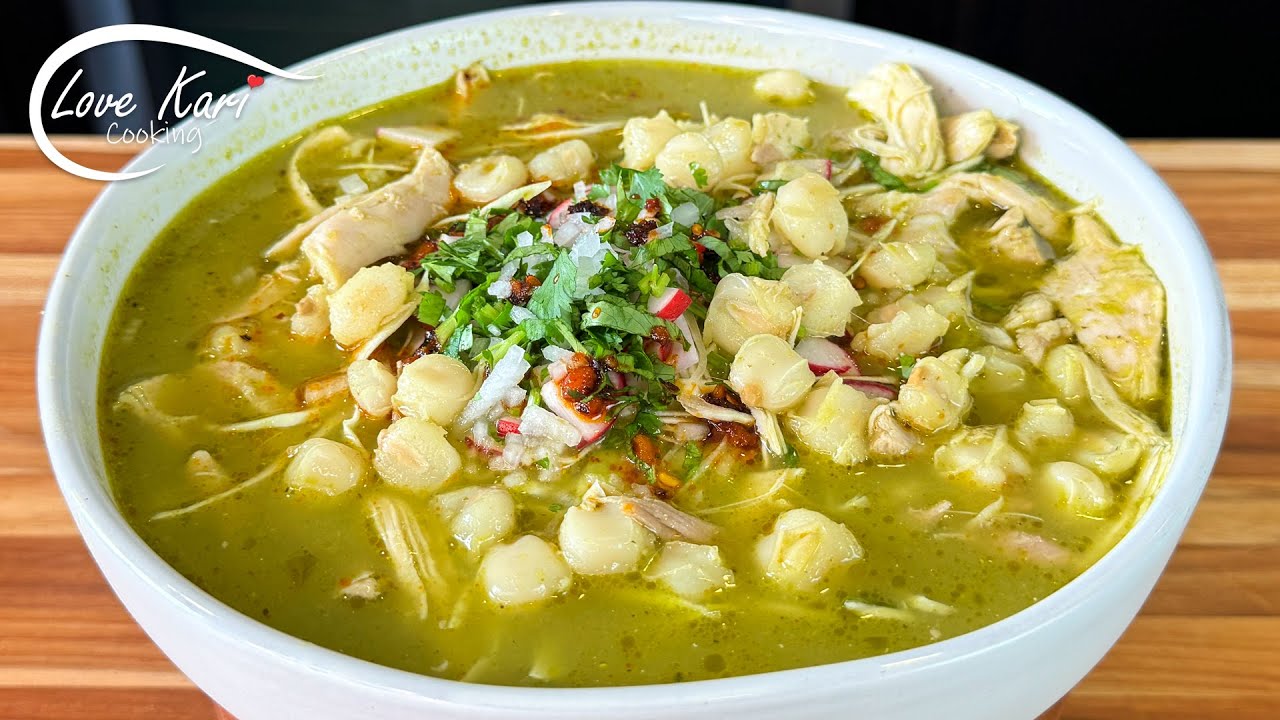
Tomatillos and fresh green chiles turn the broth bright and tangy. This version tastes lighter than its red cousin.
Core Ingredient
Tomatillos, poblano peppers, jalapeños or serranos, cilantro, and often pepitas (pumpkin seeds) for creaminess. Chicken is more common here than pork.
Regional Origin
Guerrero is famous for pozole verde, particularly the Thursday pozole tradition. It’s also popular in Michoacán and parts of central Mexico.
Key Preparation Method
Roasting the tomatillos and peppers before blending develops deeper flavors while maintaining the fresh green character. Raw pumpkin seeds blended into the sauce create a richer, almost creamy texture.
Primary Flavor Profile
Bright, tangy, and herbaceous with mild heat. The tomatillo acidity balances the richness of the broth.
Traditional Garnishes
Shredded cabbage, sliced radishes, diced onion, avocado, lime, cilantro, and Mexican oregano. Some regions add pepitas on top.
Common Occasions
Thursday pozole is a Guerrero tradition that spread across Mexico. Also served during holidays and family gatherings.
Pozole Blanco (White)

The purest version. No chile sauce colors this broth, which relies on aromatics and quality meat for flavor.
Core Ingredient
Onion, garlic, bay leaves, oregano, and salt season the clear broth. Pork remains traditional, though chicken works well.
Regional Origin
Guerrero and Colima are known for pozole blanco. Colima serves it drier than most versions, with less broth.
Key Preparation Method
Simmering pork shoulder with pig’s feet or ham hocks creates a gelatinous, flavorful broth. The broth should solidify when refrigerated.
Primary Flavor Profile
Clean and mild, showcasing the hominy and meat flavors. The corn flavor shines without chile sauce overpowering it.
Traditional Garnishes
Shredded cabbage, radishes, onions, cilantro, lime juice, avocado, and salsa roja on the side. Guerrero-style includes raw eggs stirred into the hot broth, sardines, and mezcal.
Common Occasions
Big celebrations and random Sundays when families want to spoil themselves. Also served during holiday seasons.
Pozole de Mariscos (Seafood)
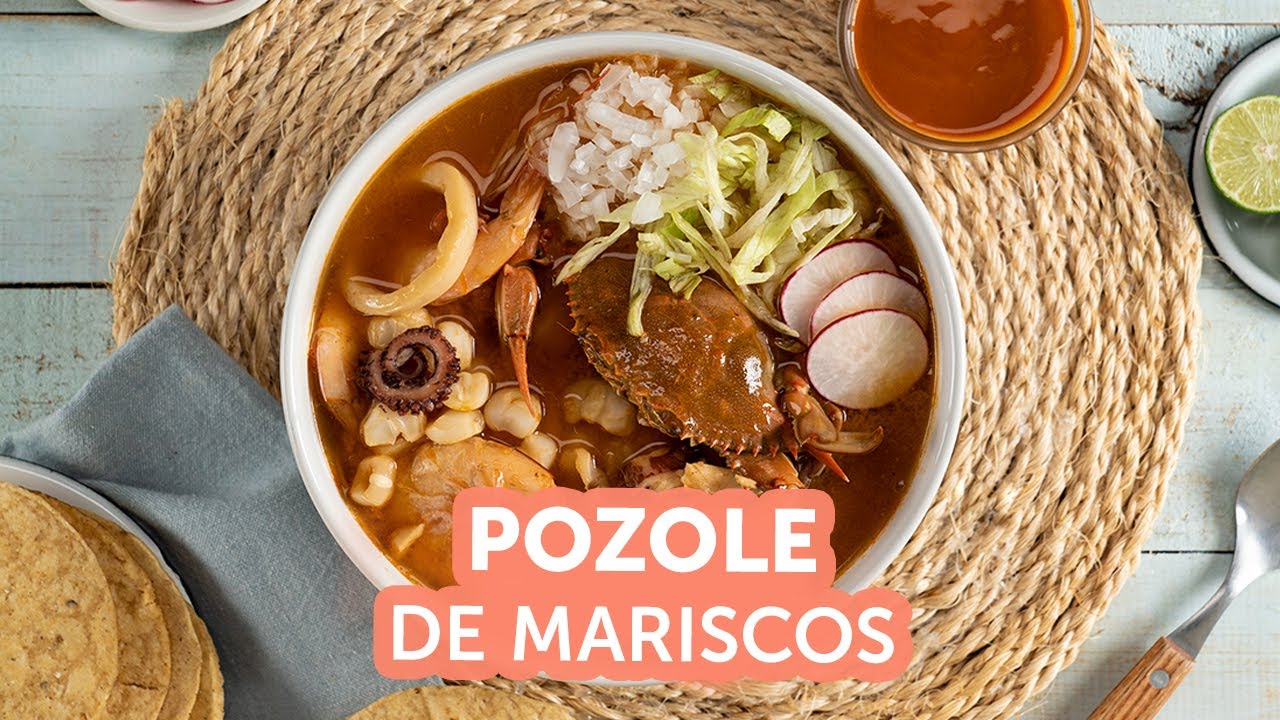
Shrimp, squid, mussels, clams, scallops, octopus, and white fish swim in a guajillo-infused broth.
Core Ingredient
Mixed seafood with guajillo peppers creating a smoky depth without overwhelming heat. Homemade shrimp stock from shells and heads provides authentic seafood flavor.
Regional Origin
Coastal regions like Nayarit are known for seafood pozole. It’s a specialty in Pacific coast states.
Key Preparation Method
Cook the hominy separately, prepare the guajillo sauce, then add seafood gradually based on cooking times. Shrimp goes in last and cooks in just 5 minutes to avoid rubbery texture.
Primary Flavor Profile
Smoky from guajillo chiles, briny from seafood, with layers of ocean-fresh flavor. Lighter than meat-based versions.
Traditional Garnishes
Shredded cabbage or lettuce, radish slices, avocado, and lime wedges. Thinly sliced onions add bite.
Common Occasions
Coastal celebrations, especially during seafood season. Popular at beach restaurants and family fiestas near the ocean.
Pozole de Pollo (Chicken)

Chicken thighs or whole chicken replace pork for a lighter, quicker-cooking version. Works with any color broth.
Core Ingredient
Boneless skinless chicken thighs stay juicy and add flavor, though bone-in pieces create richer broth.
Regional Origin
Found throughout Mexico, particularly popular in regions preferring lighter proteins. Common in urban areas and weeknight home cooking.
Key Preparation Method
Simmer chicken with aromatics for 40 minutes until tender, then shred. Much faster than pork versions that need 2-3 hours.
Primary Flavor Profile
Lighter and more delicate than pork pozole. The flavor profile depends on whether it’s red, green, or white broth.
Traditional Garnishes
Shredded cabbage, radishes, lime wedges, avocado, cilantro, and tortilla strips or chips.
Common Occasions
Weeknight dinners and casual gatherings. Also served when someone wants pozole but prefers chicken over pork.
Pozole de Cerdo (Pork)

Traditional pork-based pozole using shoulder, ribs, or head meat. This is the classic preparation method.
Core Ingredient
Pig’s head provides collagen for rich, gelatinous broth, supplemented with pork shoulder or country-style ribs.
Regional Origin
Standard across all regions of Mexico. Each state adds its own twist to the basic pork recipe.
Key Preparation Method
Slow-simmer pork parts for 2-3 hours until meat falls off the bone. The long cooking time creates deep, complex flavors.
Primary Flavor Profile
Rich, meaty, and deeply satisfying. The collagen from bones and head meat creates body that makes the broth solid when refrigerated.
Traditional Garnishes
Varies by region and broth color, but always includes cabbage or lettuce, radishes, onions, oregano, and lime.
Common Occasions
Major holidays, celebrations, and family gatherings. The go-to protein for traditional pozole at important events.
Pozole Guerrerense

Guerrero’s version stands out for its dedication to pozole as culinary art. Both verde and blanco styles flourish here.
Core Ingredient
Pumpkin seeds (pepitas) blended into green versions create distinctive creaminess. Some recipes include eggs, chicharrón, or even sardines mixed in.
Regional Origin
Guerrero, where corn was first domesticated 9,000 years ago in the Balsas River Basin. The birthplace of pozole tradition.
Key Preparation Method
Traditional preparation uses half a pig’s head with pork loin ribs. Taxco-style includes raw pumpkin seeds for richer, creamier texture.
Primary Flavor Profile
Lighter and less sharp than other regional versions, with emphasis on herbaceous notes. Epazote adds distinctive earthiness.
Traditional Garnishes
Oregano, onion, dried chile powder rolled in foil balls, chicharrón, radish, avocado, lime, and lettuce or cabbage.
Common Occasions
Thursday pozole is a Guerrero staple dating back to 19th century Iguala. Also Christmas and New Year celebrations.
Pozole Jalisco-style

Bold and gorgeous in every way, this red pozole from Jalisco uses red corn for authentic regional flavor.
Core Ingredient
Dried red cacahuazintle corn creates distinctive appearance. Hierbas de olor (bay leaf, marjoram, thyme) and guajillo chiles season the broth.
Regional Origin
Guadalajara and throughout Jalisco state. Considered by many the definitive pozole rojo.
Key Preparation Method
Clean pig head goes into the pot with spices first, then prepared cacahuazintle and ground chiles last. Only guajillo chiles are used, avoiding multiple chile varieties.
Primary Flavor Profile
Not usually spicy in the broth itself. Very hot chile de árbol sauce served on the side lets diners control heat levels.
Traditional Garnishes
Shredded lettuce, sliced serrano chiles, lime wedges, Mexican oregano, and crisp tortillas.
Common Occasions
New Year celebrations and major holidays. Often served at pozolerías specializing in this regional style.
Pozole Sinaloa-style

Sinaloa produces its own distinct pozole variations, part of the northern Mexican pozole tradition.
Core Ingredient
Typically red pozole with pork. Regional chile combinations and local aromatics create Sinaloan character.
Regional Origin
Sinaloa state, along with Nayarit and other Pacific coast regions. Coastal influence affects ingredient choices.
Key Preparation Method
Similar to Jalisco-style but with regional variations in spice blends and cooking techniques specific to Sinaloan families.
Primary Flavor Profile
Bold red chile flavors with possible seafood influences from coastal location. Tends toward hearty, warming spice profiles.
Traditional Garnishes
Standard Mexican pozole toppings with possible regional additions like local salsas or coastal ingredients.
Common Occasions
Celebrations, holidays, and family gatherings throughout Sinaloa. Part of the state’s culinary identity alongside other regional specialties.
FAQ on Types Of Pozole
What’s the difference between pozole rojo and pozole verde?
Pozole rojo gets its red color from dried guajillo and ancho chilies. The broth is rich and slightly smoky.
Pozole verde uses fresh tomatillos, poblano peppers, and pepitas for a tangy, herbaceous flavor. The cooking methods are similar, but the chili selection changes everything.
Can I make pozole without hominy?
Hominy is the soul of authentic pozole. Without it, you’re making a completely different Mexican stew.
The nixtamalized corn provides that signature chewy texture and earthy flavor. Substituting regular corn or beans misses the point entirely (and honestly, it won’t taste right).
Which pozole type is spiciest?
Pozole rojo typically has more heat because of the dried chilies. But spice levels vary by region and cook.
Some Guerrero-style versions pack serious punch. Pozole blanco is the mildest since it skips chilies altogether, relying on the pork broth and garnishes for flavor.
Is chicken or pork better for pozole?
Pork shoulder is traditional and gives you richer, fattier broth. Chicken works great if you want something lighter.
Many cooks use both. The choice depends on whether you prefer the deeper flavor of pork or the cleaner taste of chicken pozole.
What meat goes in authentic pozole?
Traditional pozole uses pork (usually shoulder, sometimes pig’s head for extra richness). Chicken thighs are common in coastal variations.
Pre-Hispanic versions supposedly used different proteins, but modern authentic recipes stick with pork or chicken. Some regional specialties incorporate seafood along the Pacific coast.
How do I know which pozole to order?
Start with your heat tolerance. If you’re sensitive to spice, go with pozole blanco or request mild pozole verde.
Red pozole offers the most complex flavor but can be intense. Green pozole sits in the middle with bright, fresh notes. Ask about regional styles too (Jalisco differs from Guerrero).
What are essential pozole garnishes?
Shredded cabbage, sliced radishes, dried oregano, and lime wedges are non-negotiable. They add crunch, freshness, and acidity.
Tostadas on the side let you scoop and crunch. Diced onion, avocado, and chicharrón are popular additions. The garnishes aren’t just toppings, they complete the dish.
Can I freeze different types of pozole?
All three types freeze well for up to three months. Cool completely before freezing, and store in airtight containers.
The hominy texture holds up perfectly. Skip adding garnishes until after reheating. Lime juice and fresh vegetables should always be added fresh.
Why is pozole served at celebrations?
Pozole has deep roots in Mexican Independence Day and Christmas traditions. It’s a communal dish that feeds crowds easily.
The slow cooking process and ceremonial preparation make it special. Families gather around huge pots, and the meal becomes an event rather than just dinner.
What’s pozole blanco and when do people eat it?
Pozole blanco skips the chilies entirely, letting the pork broth and hominy shine. It’s popular in Guerrero state.
People serve it when they want the comforting base without heat, or when feeding kids and those who avoid spicy food. Some prefer it because the garnishes can customize each bowl’s flavor profile.
Conclusion
Understanding the types of pozole transforms this Mexican comfort food from a simple soup into a culinary choice that reflects regional traditions and personal taste preferences. Each variety tells its own story.
Pozole rojo delivers bold, smoky depth through dried chilies. Verde brings fresh, tangy brightness with tomatillos and pepitas.
Blanco offers a clean canvas where the pork broth and hominy take center stage, letting garnishes do the heavy lifting.
Your choice depends on heat tolerance, flavor preferences, and the occasion. Jalisco-style differs dramatically from Guerrero preparations, and coastal versions sometimes incorporate unexpected proteins like seafood.
The beauty of this pre-Hispanic dish lies in its adaptability. Whether you’re serving it at Independence Day celebrations or a casual weeknight dinner, there’s a pozole style that fits.
Start with quality cacahuazintle corn and proper seasoning. The rest follows naturally.
Don’t skip the garnishes (shredded cabbage, radishes, oregano, lime). They’re not optional. They complete the experience and let each person customize their bowl exactly how they want it.


