
Walk into any Mexican restaurant on a Sunday morning and you’ll see steaming bowls of menudo at nearly every table.
This traditional Mexican soup divides people instantly. Some call it the ultimate comfort food and hangover cure, while others can’t get past the main ingredient: beef tripe.
If you’ve wondered what makes this dish such a cultural staple across Mexico and the southwestern United States, you’re about to find out. This guide covers everything from the cow stomach preparation to regional variations, plus why families have served this spicy broth at celebrations for centuries.
What is Menudo
Menudo is a traditional Mexican soup made with beef tripe (cow stomach) cooked in a red chili-based broth with hominy, garlic, onions, and spices like oregano and cumin.
The dish transforms tough cow stomach into tender, chewy bites through hours of slow cooking.
Northern Mexico claims this as a weekend staple, though you’ll find regional variations across the country.
Primary Composition
Beef Tripe
Honeycomb tripe forms the foundation of authentic menudo.
The meat requires thorough cleaning with water and vinegar before cooking. Most cooks trim excess fat from the edges, then cut the tripe into bite-sized squares.
Cooking takes 4-6 hours minimum to break down the tough tissue into something edible.
Red Chili Broth
Guajillo peppers deliver the soup’s signature deep red color and mild heat.
Ancho peppers add smoky depth while chile de árbol brings actual spice. The dried peppers get rehydrated in hot water, stems and seeds removed, then blended with garlic and onion into a smooth sauce.
Some recipes call for 10-15 dried chilies depending on pot size.
Hominy
White hominy (dried corn kernels treated with alkali) provides texture contrast to the tripe.
Northern Mexican versions always include it. Southern regions sometimes skip it entirely or add different vegetables instead.
The corn kernels stay firm even after hours of simmering.
Additional Core Components
Beef feet (patas) contribute collagen that gives the broth body and richness.
Whole unpeeled garlic cloves go straight into the pot during the initial simmer. A quartered white onion adds sweetness without overpowering the chili base.
Mexican oregano, bay leaves, and black peppercorns round out the spice profile.
Regional Variations
Menudo Rojo (Red Menudo)
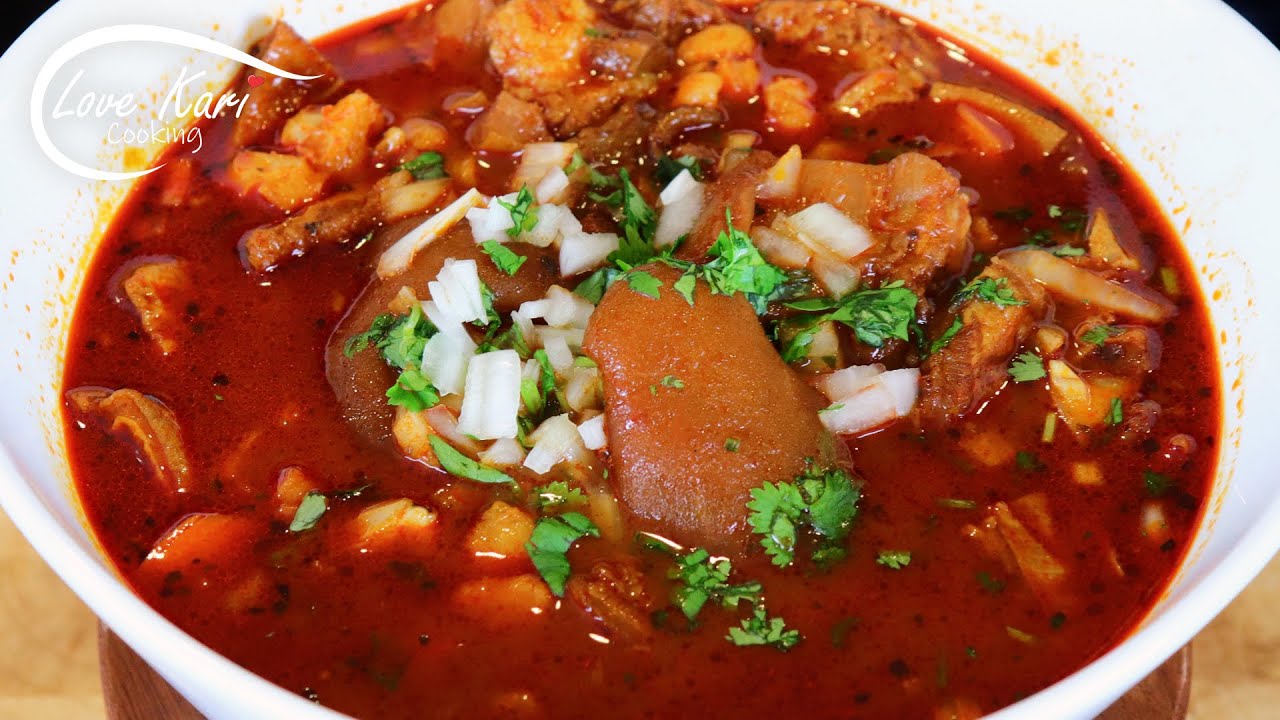
Most common preparation across Sonora, Chihuahua, Coahuila, Nuevo Leon, and Durango.
Red chile sauce base with hominy defines this version. The broth turns brick-red from dried guajillo and ancho peppers.
Menudo Blanco (White Menudo)

Northwestern states like Sinaloa prefer clear broth without red chiles.
Jalapeños or diced green chiles replace the dried pepper sauce. The soup looks pale compared to its red counterpart but packs similar flavor depth.
Mondongo
Southern Mexico and Gulf Coast regions add potatoes, carrots, and other vegetables to the base recipe.
Extra spices like cilantro and mint appear in some versions. Yucatan’s Mondongo Kabic includes achiote paste and sour orange for a completely different flavor profile.
Pancita
Central Mexico uses this term for essentially the same dish.
Regional spice variations exist but the core preparation stays consistent. Some cooks add cumin while others skip it entirely.
Preparation Process
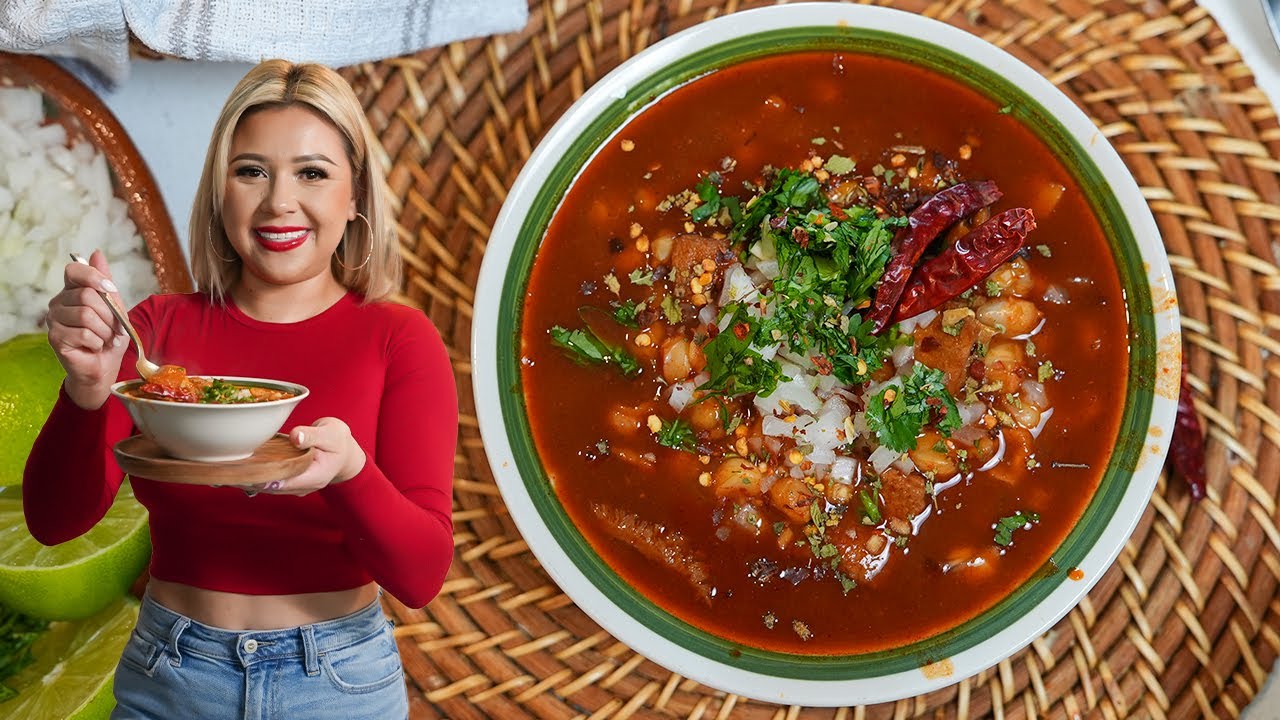
Tripe Cleaning
First rinse removes surface debris and smell.
Soak the tripe in water mixed with lime juice or white vinegar for 30 minutes. A preliminary 10-25 minute boil pulls out impurities before the actual cooking begins.
Drain, rinse again, then cut into squares.
Cooking Stages
Tripe and beef feet simmer together for 2 hours minimum until tender but not mushy.
Meanwhile, prepare the chile sauce separately by blending rehydrated peppers with aromatics. Add hominy and strained chile sauce to the pot, then simmer another 2+ hours.
Total cooking time runs 4-6 hours for proper texture.
Chile Sauce Creation
Cover dried peppers with hot water and let sit 5 minutes.
Remove stems and seeds, then blend with garlic, onion, and cumin until smooth. Strain through fine mesh to remove any chunks or skin pieces.
This sauce can be made days ahead and frozen.
Traditional Garnishes

Standard Accompaniments
Fresh lime wedges cut through the rich, fatty broth.
Diced white onion adds sharp bite while chopped cilantro brings freshness. Dried Mexican oregano (not the Italian kind) gets crushed between fingers directly over each bowl.
Crushed chile de árbol or piquín peppers sit tableside for heat lovers.
Regional Additions
Corn or flour tortillas for dipping are non-negotiable in most households.
Some regions add:
- Thinly sliced radishes
- Shredded cabbage
- Avocado chunks
- Diced serrano peppers
The garnish bar matters as much as the soup itself. Everyone customizes their bowl differently, which is why what goes with menudo deserves its own conversation.
Cultural Significance

Weekend Tradition
Sunday morning menudo is a Mexican household ritual that’s lasted generations.
Restaurants feature it as a weekend special, usually Saturday and Sunday only. Families gather around large pots, everyone adding their preferred garnishes to customize each bowl.
Hangover Remedy Belief
The protein and mineral content supposedly revitalizes after a long night out.
Collagen from beef feet, zinc from tripe, vitamin C from lime. The spicy broth clears sinuses while hydrating better than plain water.
Restaurants near bars open early Sunday specifically for the hangover crowd.
Festive Occasions
Christmas, baptisms, and weddings all call for communal menudo preparation.
Birthday parties for older relatives almost always include it. The Santa Maria, California menudo festival draws 2,000+ people annually with restaurant competitions in three categories.
Nutritional Profile

Protein Content
One cup serving delivers 13 grams of lean protein from the tripe alone.
Beef feet add more protein plus gelatin that supposedly benefits joints and skin. The hominy contributes plant-based protein, though in smaller amounts.
Caloric Information
Approximately 210 calories per cup makes it relatively light for such a filling soup.
Fat content varies wildly based on how much beef feet fat stays in the broth. Some cooks skim aggressively, others leave it for flavor.
Mineral Content
Zinc from tripe supports immune function.
Collagen from extended cooking breaks down into amino acids. Iron from beef components helps with energy levels, while chile peppers provide antioxidants.
Historical Background
Spanish Colonial Origins
Spanish callos (tripe stew) dates back to the 14th century.
Don Enrique de Villena dismissed tripe as unworthy of “good and fine people” in his 1423 Arte Cisoria. The Spanish brought this peasant food tradition across the Atlantic during colonization.
Mexican Adaptation
Antonia Carrillo’s 1836 cookbook Nuevo y Sencillo Arte de Cocina includes multiple menudo variations.
Manuel Galván Rivera’s 1845 Diccionario de Cocina defined menudo in Mexico as stomach, feet, blood, and head, though common usage meant just stomach and tripe. Texas ranching culture in the 19th century popularized it further as vaqueros (cowboys) utilized entire cattle after slaughter.
Migration and Evolution
1930s Arizona migrant worker communities held regular menudo parties for births, Christmas, and other celebrations.
Mid-20th century brought commercial availability in stores and restaurants across the southwestern United States. Canned versions appeared, though fresh-made remains vastly superior.
Preparation Variations by Cook

Spice Adjustments
Cumin divides cooks into two camps (some swear by it, others refuse).
Tomatillo additions create tangier broth in certain regional styles. Fresh oregano versus dried changes the herb’s intensity, while salt levels depend entirely on personal preference.
Texture Modifications
Chayote squash holds up better than potatoes during long simmering.
Masa harina (corn flour) thickens the broth for those who want less liquid. Some cooks prefer watery soup, others like it almost stew-thick.
Cooking Methods
Stovetop traditional method takes 4-6 hours of active monitoring.
Instant Pot cuts time to 90 minutes under pressure. Slow cooker versions simmer overnight on low, though texture suffers slightly compared to stovetop.
Chile sauce made ahead and frozen saves hours on cooking day.
Storage and Reheating

Refrigeration
3-4 days maximum in airtight containers.
Flavor actually improves on day two after spices marry overnight. Reheat gently over medium-low heat, never boiling, or the tripe turns rubbery.
Freezing
3-4 months in the freezer maintains acceptable quality.
Portion into serving sizes before freezing for easier thawing. Some texture degradation happens with freezing, particularly the tripe’s chewiness, but flavor stays mostly intact.
Always thaw completely in the fridge before reheating.
Similar Dishes Across Cultures
Latin American Variations
Sopa de mondongo appears across Central and South America with regional tweaks.
Guatitas in Ecuador uses similar tripe preparation. Brazil and Portugal both make dobrada, their version of tripe stew with white beans.
European Counterparts
Trippa alla romana in Italy includes tomatoes and pecorino cheese.
Greek patsas relies on tripe in a lemon-egg broth. Polish flaki adds paprika and marjoram to their tripe soup.
Key Differences from Filipino Menudo
Filipino menudo uses pork chunks, not tripe at all.
No hominy appears in the Filipino version. The tomato-based sauce comes from a completely separate culinary tradition despite sharing the same name.
Common Serving Context

Restaurant Service
Large bowls (often 16+ ounces) are standard portion sizes.
Garnish bars let diners customize their soup tableside. Weekend pricing sometimes runs higher than weekday soups due to prep time and ingredient costs.
Takeout containers need to separate broth from garnishes to prevent sogginess.
Home Preparation
Batch cooking feeds 8-12 people easily from one pot.
Leftovers get better each day, which is why many cooks prepare it Friday for Sunday serving. Family recipe variations pass down through generations, each household convinced theirs is the authentic version.
The dish sits alongside other Mexican comfort foods like pozole, though comparing menudo vs pozole reveals distinct differences in ingredients and preparation.
FAQ on Menudo
What does menudo taste like?
Menudo tastes rich and earthy with mild spice from dried chilies.
The beef tripe has a chewy texture similar to calamari or clams. The red chili broth provides depth while hominy adds subtle corn sweetness, and fresh lime brightens each spoonful.
Why is menudo eaten on Sundays?
Sunday menudo became a Mexican tradition because the long cooking time fits weekend schedules.
Families gather for leisurely meals after church. The dish also serves as a hangover remedy after Saturday night celebrations, which is why restaurants feature it as a weekend special.
Is menudo actually good for hangovers?
The protein, zinc, and collagen from beef tripe and patas help replenish nutrients lost from drinking.
The spicy broth hydrates better than water while clearing sinuses. Lime provides vitamin C. Scientific proof is limited, but generations of Mexicans swear by it as a cure.
Can you make menudo without tripe?
No, tripe defines menudo.
Without cow stomach, you’re making a different Mexican soup entirely. The honeycomb tripe provides the signature chewy texture that makes this dish unique. Substituting other meats creates something closer to pozole or another caldo.
How long does it take to cook menudo?
Traditional stovetop menudo requires 4-6 hours minimum.
Tripe and beef feet simmer for 2 hours first, then another 2+ hours after adding chile sauce and hominy. Instant Pot cuts this to 90 minutes under pressure, though purists prefer the slow method.
What’s the difference between menudo and pozole?
Menudo uses beef tripe while pozole uses pork shoulder or chicken.
Both include hominy and dried chiles, but pozole has a lighter broth and milder flavor. Menudo’s cow stomach gives it a distinctive chewy texture that pozole lacks entirely.
Do you eat the beef feet in menudo?
The bones get discarded but any meat from the patas goes back into the soup.
Beef feet add collagen and richness to the broth rather than serving as a primary ingredient. Some people enjoy the gelatinous texture, others just want the flavor contribution.
Can pregnant women eat menudo?
Cooked tripe is safe during pregnancy if prepared properly and heated thoroughly.
The concern is usually about food safety and bacteria, not the tripe itself. Homemade menudo from trusted sources poses less risk than restaurant versions. When in doubt, consult your doctor about eating menudo while pregnant.
Why does menudo smell bad while cooking?
Raw tripe has a strong barnyard smell that dissipates with proper cleaning and the first boil.
Rinsing with vinegar or lime juice before cooking reduces odor significantly. Adding chile sauce and spices during the actual cooking masks any remaining smell. Well-cleaned honeycomb tripe shouldn’t smell offensive.
Is menudo healthy to eat regularly?
One cup has 210 calories and 13 grams of lean protein, making it relatively nutritious.
The high collagen content benefits joints and skin. However, beef feet add saturated fat and the soup contains significant sodium. Learn more about the health aspects of menudo before making it a daily habit.
Conclusion
Menudo represents more than just a traditional Mexican soup with beef tripe and hominy.
This slow-cooked dish connects generations through Sunday morning gatherings, festive celebrations, and the persistent belief in its hangover-curing powers. The red chili broth, tender cow stomach, and customizable garnishes create a flavor profile that’s distinctly Mexican.
Whether you prefer menudo rojo from Durango or menudo blanco from Sinaloa, the 4-6 hour cooking process demands patience but rewards with rich, comforting results. The beef feet add collagen, the guajillo peppers provide color, and the lime wedges bring brightness to each bowl.
If you’re ready to try making menudo yourself, start with quality honeycomb tripe and don’t rush the simmering. This pancita deserves the time it takes.


