
Summarize this article with:
That steaming bowl of menudo looks incredible, but pregnancy has you second-guessing every food choice.
You’re craving the rich red chili broth and tender tripe, yet worried about food safety during pregnancy and whether organ meat poses risks to your baby.
The good news: menudo can be part of your prenatal diet when prepared correctly. This guide covers everything from proper cooking temperatures and trimester-specific considerations to nutritional benefits and safer Mexican soup alternatives.
You’ll learn exactly how to enjoy this traditional Mexican dish while protecting both your health and your growing baby’s development.
Menudo Nutritional Profile During Pregnancy

Protein Content in Menudo
Tripe delivers approximately 10-12 grams of protein per 4-ounce serving, supporting fetal tissue development and maternal muscle maintenance.
The amino acid profile includes essential building blocks for placental growth. Digestibility varies between individuals, with longer cooking times improving breakdown.
Vitamin B12 in Menudo
A single bowl provides 15-20% of daily B12 requirements for pregnant women.
This vitamin prevents anemia, supports nervous system development, and maintains energy levels during pregnancy. Tripe ranks among the highest natural B12 sources available in traditional cuisine.
Iron and Zinc Content
Menudo supplies heme iron (the most absorbable form) at roughly 2-3 mg per serving.
Zinc concentration reaches 3-4 mg per bowl, supporting immune function and cell division. Both minerals become more critical during the second and third trimesters when fetal demands increase.
Cholesterol Levels
Four ounces of tripe contains approximately 150 mg of cholesterol, representing half the recommended daily limit.
Pregnant women with elevated cholesterol or cardiovascular concerns should monitor intake carefully. The high cholesterol content requires balancing menudo consumption with other low-cholesterol protein sources throughout the week.
Food Safety Concerns with Menudo During Pregnancy
Bacterial Contamination Risks
Listeria monocytogenes poses the greatest threat to pregnant women eating undercooked organ meats.
E. coli and Salmonella can survive in improperly prepared tripe. Pregnancy suppresses immune function, making foodborne illness more severe and potentially harmful to fetal development.
Proper Cooking Temperature Requirements
Menudo must reach an internal temperature of 165°F (74°C) minimum to eliminate harmful bacteria.
Use a food thermometer inserted into the thickest tripe pieces. Cooking duration should extend 3-4 hours minimum, with boiling temperatures maintained throughout to ensure complete pathogen destruction.
Tripe Preparation Safety
Raw tripe requires thorough cleaning under cold running water, removing all debris and fat deposits before cooking.
Pre-boiling for 10-15 minutes, then discarding the first water removes additional contaminants. Multiple rinses reduce bacterial load significantly compared to single-wash methods.
Restaurant vs. Homemade Menudo Safety
Commercial kitchens follow FDA food safety protocols with regular health inspections and temperature monitoring systems.
Home-cooked meals offer more control over ingredient quality but require strict adherence to proper handling techniques. Restaurant menudo carries lower contamination risk when establishments maintain current health department ratings.
Trimester-Specific Considerations for Eating Menudo

First Trimester Menudo Consumption
Morning sickness often makes spicy, aromatic foods difficult to tolerate during weeks 6-12.
The strong oregano and chili pepper smell can trigger nausea. Start with small portions (4-6 ounces) to test tolerance before consuming full servings.
Second Trimester Menudo Intake
Digestive capacity improves during months 4-6, making this the optimal time for menudo consumption.
Iron absorption peaks during this period when fetal blood volume expands rapidly. One serving weekly provides substantial nutritional benefits without excessive organ meat exposure.
Third Trimester Menudo Guidelines
Sodium content (800-1200 mg per bowl) can worsen swelling in hands, feet, and ankles common after week 28.
Reduce broth consumption or dilute with low-sodium chicken stock. The high protein content supports final fetal growth spurts but portion control prevents uncomfortable fullness near delivery.
Health Benefits of Menudo for Pregnant Women

Collagen Support During Pregnancy
Tripe contains approximately 3-5 grams of collagen per serving, supporting connective tissue elasticity as the body accommodates growing uterus.
Joint flexibility improves with adequate collagen intake. Skin stretching during abdominal expansion benefits from this structural protein, potentially reducing stretch mark severity.
Energy Level Support
B12 and iron work synergistically to prevent pregnancy-related fatigue affecting 50-70% of expectant mothers.
These nutrients support red blood cell production, carrying oxygen to both maternal and fetal tissues. Energy improvements typically appear within 2-3 weeks of regular consumption.
Digestive Support Properties
The gelatin released during long tripe cooking soothes intestinal lining and supports beneficial gut bacteria.
Digestive enzyme production may improve with regular bone broth consumption. Some women report reduced constipation (a common pregnancy complaint) when including collagen-rich soups in their diet.
Potential Risks of Menudo Consumption in Pregnancy

High Sodium Content Issues
Average menudo contains 800-1200 mg sodium per bowl, representing 35-50% of the 2,300 mg daily pregnancy limit.
Excessive sodium raises blood pressure and increases preeclampsia risk. Edema in extremities worsens with high-salt meals, particularly problematic during third trimester.
Spice Level and Heartburn
Capsaicin from red chili peppers relaxes the lower esophageal sphincter, allowing stomach acid to rise into the esophagus.
Pregnancy hormones already slow digestion and increase acid reflux. Spicy menudo consumed after 7 PM typically causes overnight discomfort for women prone to heartburn.
Organ Meat Concerns
Tripe contains vitamin A at moderate levels, but excessive organ meat intake (3+ servings weekly) risks toxicity.
Heavy metals like cadmium accumulate in organ tissues over an animal’s lifetime. Limiting consumption to 1-2 weekly servings minimizes exposure while preserving nutritional benefits.
Food Poisoning Risks
Symptoms appear 6-48 hours after consuming contaminated menudo: severe vomiting, diarrhea, fever above 100.4°F, and dehydration.
Pregnancy complications from foodborne illness include premature labor, stillbirth, and fetal infection. Hospital treatment becomes necessary when fluids cannot be retained or fever persists beyond 24 hours.
Safe Menudo Preparation Methods for Pregnancy

Selecting Quality Tripe
Fresh tripe appears white to pale cream colored without gray or green tinges indicating spoilage.
Odor should be mild and clean, never sour or ammonia-like. Frozen tripe from reputable butchers offers consistent quality and reduces contamination risk compared to market stands.
Thorough Cooking Techniques
Boil tripe for minimum 3-4 hours until completely tender when pierced with fork.
Pressure cookers reduce time to 90-120 minutes while achieving identical pathogen elimination at 15 PSI. Check multiple pieces with meat thermometer to verify 165°F throughout before serving.
Reducing Sodium Content
Dilute finished menudo with 2-3 cups low-sodium chicken broth or water to cut salt concentration by 30-40%.
Rinse tripe three times before cooking removes surface salt from commercial processing. Skip added salt during cooking, relying instead on fresh lime juice and oregano for flavor enhancement.
Adjusting Spice Levels
Replace dried red chilies with mild ancho or guajillo peppers providing flavor without intense heat.
Add chili powder gradually at table rather than during cooking, allowing personal tolerance adjustment. Removing seeds and membranes from peppers reduces capsaicin content by approximately 50%.
Recommended Serving Sizes for Pregnant Women
Weekly Consumption Limits
1-2 servings per week (8-12 oz per bowl) balances nutritional benefits against organ meat risks.
This frequency assumes menudo represents your only organ meat source. Women consuming liver, kidney, or other offal should reduce menudo to once weekly maximum.
Portion Control Strategies
Use smaller 8-10 oz bowls instead of traditional 12-16 oz serving sizes to manage sodium and cholesterol intake.
Fill half the bowl with broth, one-quarter with tripe, one-quarter with hominy. Accompany with fresh vegetables and whole grain tortillas to create balanced meal without excessive menudo concentration.
Alternative Mexican Soups for Pregnancy
Pozole as Menudo Alternative

Pozole uses hominy as the star ingredient with shredded chicken or pork providing lean protein without organ meat concerns.
Digestibility improves significantly compared to tripe-based soups. The various types of pozole (verde, rojo, blanco) offer flavor variety throughout pregnancy without repetitive meals.
Caldo de Res (Beef Soup)
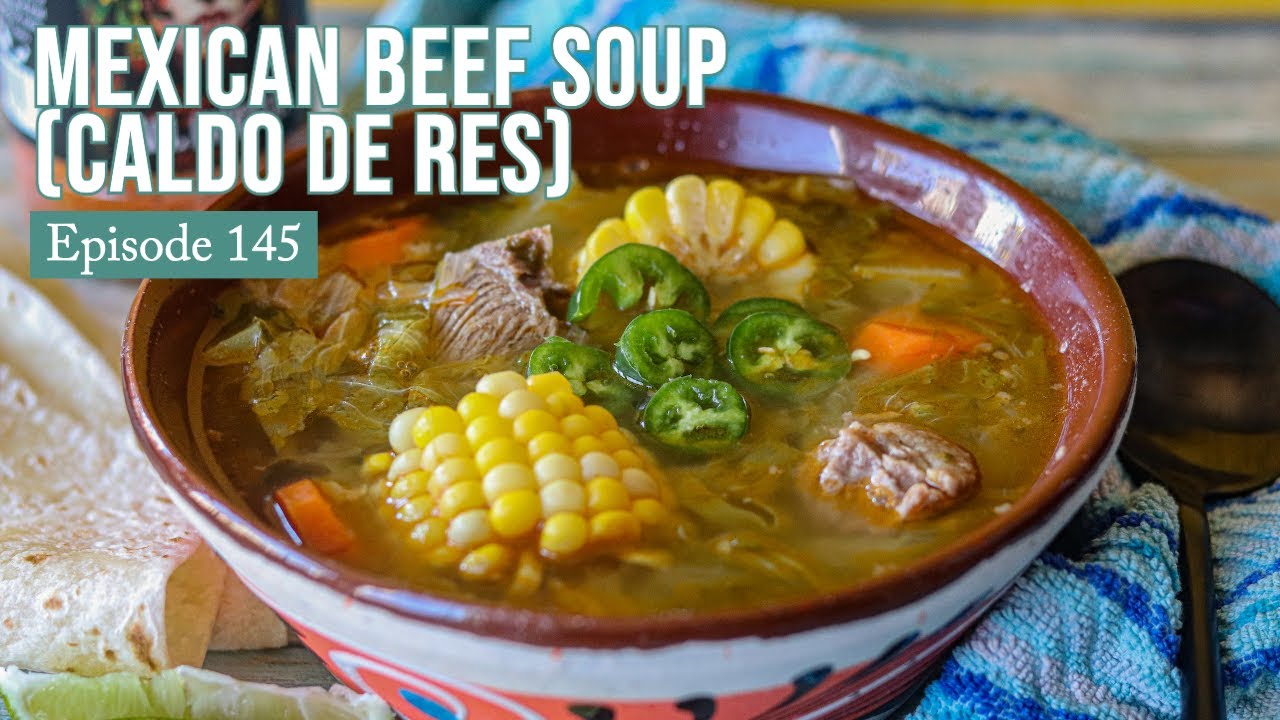
This Mexican beef soup combines chuck roast, carrots, potatoes, cabbage, corn, and zucchini in clear broth.
Vegetable content provides fiber addressing pregnancy constipation. Lean beef supplies iron and protein without high cholesterol levels found in organ meats.
Sopa de Fideo
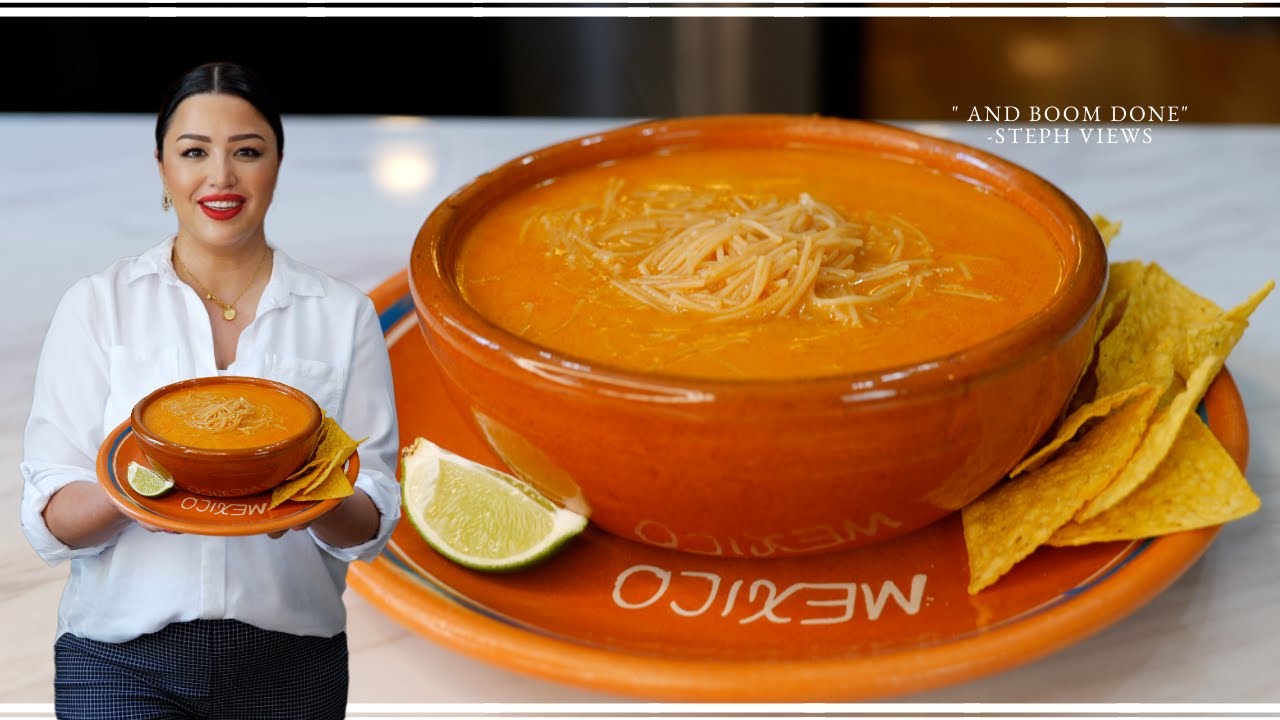
Toasted vermicelli noodles simmered in tomato-based broth with vegetables create gentle, easily digestible meal.
Lower spice profile suits first trimester nausea. Carbohydrate content helps stabilize blood sugar between meals when small, frequent eating becomes necessary.
Chicken Tortilla Soup

Shredded chicken breast, black beans, corn, and tomatoes provide complete protein with diverse vegetables.
Mild seasoning reduces heartburn triggers. Topped with avocado and baked tortilla strips rather than fried, this soup delivers healthy fats supporting fetal brain development.
Medical Consultation Guidelines
When to Consult Your OB-GYN
Pre-existing conditions like gestational diabetes, high blood pressure, or cholesterol issues require personalized menudo guidance.
Food allergy history involving beef, corn, or nightshade vegetables necessitates professional evaluation. Discuss menudo consumption at prenatal appointments if experiencing unusual symptoms after eating.
Personalized Dietary Advice
Individual health factors (BMI, weight gain rate, bloodwork results) influence whether menudo fits your pregnancy nutrition plan.
Nutritional deficiency testing identifies whether tripe’s iron and B12 content addresses specific gaps. Registered dietitians create custom meal plans balancing cultural food preferences with medical requirements.
Ingredient-Specific Safety Analysis
Hominy Safety in Pregnancy
Nixtamalized corn (hominy) undergoes alkaline processing making niacin bioavailable and improving calcium absorption.
This traditional preparation method carries no pregnancy risks. The soft texture aids digestion while providing complex carbohydrates for sustained energy throughout the day.
Chili Pepper Consumption
Capsaicin passes through placenta in negligible amounts, posing zero risk to fetal development.
Digestive system effects remain the primary concern: heartburn, acid reflux, and stomach irritation affect maternal comfort only. Women tolerating spicy foods pre-pregnancy usually continue safely, though sensitivity often increases.
Lime and Citrus Safety
Fresh lime juice adds vitamin C (8-10 mg per wedge) supporting iron absorption from tripe and boosting immune function.
Citric acid can trigger acid reflux in prone individuals. Safe consumption ranges from 2-4 lime wedges per bowl; excessive amounts may erode tooth enamel weakened by pregnancy hormones.
Garlic and Oregano Use
These herbs provide antimicrobial properties naturally preserving menudo while adding distinctive flavor profiles.
Culinary amounts (2-3 cloves garlic, 1-2 teaspoons oregano per pot) pose no pregnancy risks. Medicinal dosages (supplements, extracts) require medical approval as they may affect blood clotting.
Regional Menudo Variations and Pregnancy Safety
Menudo Rojo (Red Menudo)
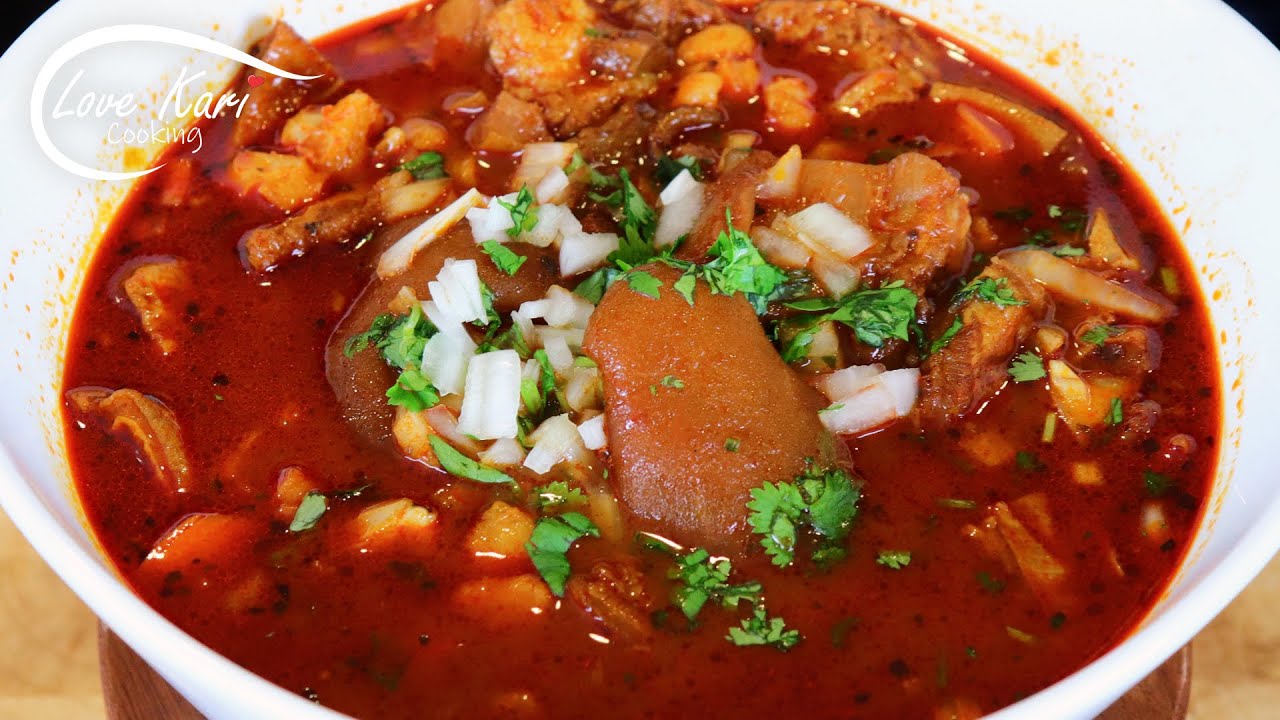
Red chili base creates the most common variation, using dried chilies de arbol or guajillo for deep color and moderate heat.
Traditional preparation includes cow’s foot for additional gelatin. Pregnancy safety matches standard menudo guidelines: thorough cooking, temperature verification, portion control.
Menudo Blanco (White Menudo)

This Sonoran-style version omits red chilies entirely, relying on garlic, bay leaves, and black pepper for seasoning.
Lower spice content makes it ideal for women experiencing heartburn or acid reflux. The milder flavor profile suits first trimester sensitivities better than traditional red varieties.
Regional Preparation Differences
Northern Mexican preparations often add pork pieces alongside tripe, increasing protein density but also fat content.
Central Mexican variations incorporate more oregano and lime. Ingredient substitutions (chicken stock instead of water, fresh vs. canned hominy) don’t significantly impact pregnancy safety when proper cooking temperatures are maintained.
Nutritional Comparison: Menudo vs. Other Pregnancy Foods
Menudo vs. Chicken Soup
Menudo provides 2-3x more iron and B12 than chicken-based soups but contains 4-5x higher cholesterol.
Chicken soup digests more easily and causes less heartburn. Protein quality remains comparable at 10-12 grams per serving for both options.
Menudo vs. Beef Stew
Beef stew using chuck roast delivers similar iron content (2-3 mg) without organ meat concerns.
Collagen levels drop significantly compared to tripe-based dishes. Stew preparation requires identical temperature standards (165°F minimum) but typically includes more vegetables, improving overall nutrient density.
Common Myths About Menudo and Pregnancy
Myth: Menudo Always Causes Miscarriage
Zero scientific evidence links properly prepared menudo to pregnancy loss.
Actual risk factors include undercooked meat harboring bacteria (Listeria, E. coli), not the tripe itself. Safe cooking practices eliminate contamination risks entirely, making menudo as safe as any other thoroughly cooked meat dish.
Myth: Spicy Foods Harm the Baby
The placental barrier prevents capsaicin transfer to fetal circulation in meaningful amounts.
Spicy food affects maternal digestion only: heartburn, acid reflux, stomach upset. Fetal exposure reality shows no developmental impacts from mother’s dietary capsaicin consumption at typical culinary levels.
Myth: Tripe Is Always Unsafe
Proper preparation standards transform tripe into safe, nutritious protein source comparable to conventional cuts.
Nutritional benefits (collagen, B12, iron, zinc) support healthy pregnancy when consumed 1-2 times weekly. Risk mitigation through verified cooking temperatures, quality sourcing, and portion control addresses all legitimate safety concerns.
Signs of Foodborne Illness from Menudo

Immediate Symptoms
Nausea and vomiting typically begin 6-24 hours after consuming contaminated menudo, though some pathogens cause symptoms within 2-3 hours.
Diarrhea onset follows shortly after initial vomiting. Abdominal cramping intensifies as infection progresses; pregnant women experience more severe symptoms than general population.
When to Seek Emergency Care
Fever above 100.4°F (38°C) requires immediate medical attention during pregnancy as it indicates serious infection.
Severe dehydration signs: dark urine, dizziness, rapid heartbeat, inability to retain fluids for 12+ hours. Reduced fetal movement or absence of movement for 2+ hours demands emergency evaluation regardless of other symptoms.
Prevention Strategies
Wash hands with soap for 20 seconds before eating and after handling raw ingredients.
Cross-contamination avoidance: use separate cutting boards for raw tripe and vegetables, never allowing contact. Proper food storage keeps menudo refrigerated below 40°F within 2 hours of cooking, discarded after 3-4 days maximum.
Balancing Cultural Food Traditions with Pregnancy Safety
Maintaining Cultural Connection
Modified traditional recipes preserve cultural identity while accommodating pregnancy restrictions: reduce chili peppers, extend cooking time, verify temperatures.
Family meal participation continues through adapted versions everyone enjoys. Emotional wellbeing benefits from maintaining food traditions connecting you to heritage during this transformative life period.
Adapting Family Recipes
Safety-first modifications maintain essential flavors: substitute mild peppers, add extra hominy, reduce tripe portions by 25-30%.
Flavor preservation succeeds through increased garlic, fresh lime, Mexican oregano, and cilantro garnish. Generational communication about recipe changes helps family members understand medical necessity while respecting grandmother’s original methods.
FAQ on Can You Eat Menudo While Pregnant
Can pregnant women eat menudo in the first trimester?
Yes, but morning sickness often makes the strong oregano and chili pepper aroma difficult to tolerate during weeks 6-12.
Start with small 4-6 ounce portions to test tolerance. Ensure the tripe reaches 165°F internal temperature to eliminate bacterial risks like Listeria.
Is menudo safe during pregnancy if cooked properly?
Properly cooked menudo is safe when the tripe reaches 165°F and maintains boiling temperature for 3-4 hours minimum.
Use a food thermometer to verify temperature in multiple pieces. Restaurant menudo from establishments with current health ratings carries lower contamination risk than improperly prepared homemade versions.
How often can I eat menudo while pregnant?
Consume menudo 1-2 times per week maximum, with 8-12 ounce servings each time.
This frequency balances nutritional benefits (iron, B12, collagen) against organ meat risks like high cholesterol and potential heavy metal accumulation. Reduce to once weekly if consuming other organ meats like liver.
Does menudo have nutritional benefits during pregnancy?
Yes. Menudo provides protein, iron, zinc, and vitamin B12 supporting fetal development and preventing maternal anemia.
The collagen content supports connective tissue elasticity during body changes. One bowl delivers 15-20% of daily B12 requirements and 2-3 mg of highly absorbable heme iron.
Can spicy menudo harm my baby during pregnancy?
No. Capsaicin from chili peppers doesn’t cross the placental barrier in amounts affecting fetal development.
Spicy food impacts maternal comfort only: heartburn, acid reflux, stomach upset. Women tolerating spicy foods pre-pregnancy usually continue safely, though sensitivity often increases due to pregnancy hormones slowing digestion.
What are the risks of eating menudo while pregnant?
Main risks include foodborne illness from undercooked tripe (Listeria, E. coli, Salmonella), high sodium content worsening swelling, and excessive cholesterol intake.
Improperly prepared organ meat poses contamination dangers. The 800-1200 mg sodium per bowl can raise blood pressure and increase preeclampsia risk during third trimester.
Can I eat restaurant menudo during pregnancy?
Yes, if the restaurant maintains current health department ratings and follows FDA food safety protocols.
Commercial kitchens have temperature monitoring systems and regular inspections. Ask about cooking methods and verify the establishment’s recent inspection scores before ordering to minimize foodborne illness risks.
What temperature should menudo reach for pregnancy safety?
Menudo must reach 165°F (74°C) minimum internal temperature throughout all tripe pieces to eliminate harmful bacteria.
Insert a food thermometer into the thickest portions. Maintain boiling temperature for 3-4 hours minimum or 90-120 minutes in pressure cookers at 15 PSI for complete pathogen destruction.
Are there safer alternatives to menudo during pregnancy?
Pozole offers similar comfort using chicken or pork with hominy, avoiding organ meat concerns entirely.
Caldo de res provides beef protein with abundant vegetables and lower cholesterol. Chicken tortilla soup delivers mild flavors suitable for sensitive stomachs without heartburn triggers from heavy spices.
Can menudo cause food poisoning during pregnancy?
Yes, if undercooked or improperly handled. Symptoms appear 6-48 hours after consumption: severe vomiting, diarrhea, fever above 100.4°F, and dehydration.
Pregnancy suppresses immune function, making foodborne illness more severe with risks including premature labor and fetal infection. Proper cooking temperatures and handling eliminate these dangers completely.
Conclusion
Yes, you can eat menudo while pregnant when prepared with proper food safety protocols: thoroughly cooked tripe reaching 165°F, verified with a meat thermometer, and consumed 1-2 times weekly maximum.
The nutritional benefits (iron, B12, zinc, collagen) support healthy fetal development and maternal energy levels throughout pregnancy.
Balance these advantages against risks like high sodium content, potential foodborne illness from undercooked organ meat, and cholesterol concerns by choosing reputable restaurants or following strict home cooking guidelines.
Listen to your body’s trimester-specific needs. First trimester nausea may require skipping this dish entirely, while second trimester often brings improved tolerance.
Consult your OB-GYN or registered dietitian for personalized advice based on your health history, bloodwork results, and any pre-existing conditions like gestational diabetes or high blood pressure.
Cultural food traditions matter. Modified recipes preserve heritage connections while protecting you and your baby through this transformative journey.


