
Walk into any Mexican kitchen on a weekend morning and you’ll likely find a massive pot simmering on the stove, but which soup fills that pot divides families across Mexico and the United States.
The menudo vs pozole debate runs deeper than personal taste, rooted in regional traditions, preparation methods, and cultural significance that span generations.
Both soups share hominy and rich broth, yet they couldn’t be more different in execution. One uses beef tripe and takes six hours to prepare, while the other relies on pork shoulder and finishes in half the time.
This guide breaks down every difference between these traditional Mexican soups, from meat selection and cooking duration to flavor profiles and serving occasions, helping you understand why each holds special meaning in Mexican cuisine.
What is Menudo
Menudo is a traditional Mexican soup made with beef tripe as the primary protein, cooked in a broth with hominy.
The soup requires extensive preparation time, typically 5-6 hours minimum, and features either red chile sauce (menudo rojo) or no chile sauce (menudo blanco).
Beef tripe comes from the stomach lining of a cow and must be thoroughly cleaned before cooking.
The dish originated in central Mexico and represents resourcefulness in traditional cooking, using organ meat and less desirable cuts that would otherwise go to waste.
Menudo holds cultural significance as a family breakfast tradition and is famous for its hangover remedy properties due to high protein and vitamin B-12 content.
What is Pozole
Pozole is a Mexican soup made with pork or chicken as the primary protein, cooked in broth with hominy corn kernels.
The soup comes in three color variations based on the chile sauce used: pozole rojo (red chile sauce), pozole verde (tomatillo and green chile), and pozole blanco (no chile sauce).
Pork shoulder is the most common meat choice, though chicken pozole variations are popular in regions where pork consumption is limited.
The dish traces back to pre-Hispanic times in Mesoamerica, where hominy corn served as a staple ingredient.
Pozole takes 2-3 hours to prepare, making it faster than menudo, and is traditionally served during holiday celebrations and special occasions rather than breakfast.
Origin and Historical Background
Pre-Hispanic Roots
Hominy corn served as the staple ingredient in Mesoamerican cuisine long before European contact.
The process of treating corn kernels with lime or lye to create hominy was developed by indigenous peoples to improve nutritional value and digestibility.
Both soups share this ancient foundation, with the hominy component remaining unchanged for centuries.
Menudo Development
Menudo was created from necessity during periods of food scarcity when families had to use every part of an animal.
The soup utilizes organ meat like beef tripe, honeycomb, kidneys, and cow’s feet that other cultures often discarded.
European colonization introduced beef cattle to Mexico, providing the primary ingredient that defines menudo today.
The dish evolved in border regions and central Mexico, with each area developing unique preparation methods passed down through generations.
Pozole Evolution
Pozole held ceremonial significance in pre-Hispanic Mexico and was prepared for special occasions.
After European colonization introduced pork to the Americas, the recipe transitioned to include pork shoulder and other cuts.
State-specific variations developed over centuries, with Jalisco favoring pozole rojo, Guerrero specializing in pozole verde, and Colima maintaining pozole blanco traditions.
The soup shifted from ceremonial contexts to become an everyday meal for celebrations and family gatherings.
Primary Meat Differences
Menudo Meat Components
Beef tripe serves as the defining ingredient, specifically the stomach lining from cows.
Honeycomb tripe requires extensive cleaning with vinegar, lemon, and salt before cooking begins.
Optional additions include cow’s feet for gelatin-rich stock, kidneys, and sheep stomach depending on regional preferences.
The organ meat provides high protein and vitamin B-12 content, contributing to menudo’s reputation as a hangover cure.
Pozole Meat Options

Pork shoulder or pork pieces create the traditional protein base, braised slowly until the meat pulls apart easily.
Chicken serves as a lighter alternative, particularly common in pozole verde preparations.
Coastal regions occasionally add seafood to pozole, though this remains controversial among purists.
The leaner meat profile makes pozole less fatty than menudo, appealing to those who prefer lighter Mexican comfort food.
Preparation Time and Cooking Methods
Menudo Preparation Process

Tripe cleaning demands 30 minutes minimum of soaking in vinegar, lemon, and salt before any cooking begins.
Initial boiling ranges from 5 minutes to 1 hour depending on tripe quality and desired tenderness.
Stock preparation from cow’s feet takes 4-5 hours of slow simmering to extract collagen and create rich broth.
Total cooking time reaches 5-6 hours minimum, making menudo a weekend project rather than a weeknight meal.
Pozole Preparation Process

Meat braising in stock takes 1-1.5 hours until pork or chicken becomes fork-tender.
Hominy cooking happens separately in a pot with garlic, onion, and bay leaf for 60 minutes.
Chile sauce preparation involves boiling dried chiles, blending with seasonings, and frying briefly in oil.
Total cooking time stays under 3 hours, making pozole accessible for regular family dinners and impromptu gatherings.
Color Variations and Chile Sauces

Menudo Variations
Menudo rojo uses guajillo chile sauce that adds deep red color and mild heat to the broth.
Menudo blanco contains no chile sauce, offering a milder option for those avoiding spice.
Pozole Variations
Pozole rojo features ancho chile and guajillo chiles blended into a rich red sauce.
Pozole verde combines tomatillos, serrano peppers, jalapeños, and fresh herbs for bright green color.
Pozole blanco skips chile sauce entirely, representing the colors of the Mexican flag alongside rojo and verde.
Hominy Component
Hominy Preparation
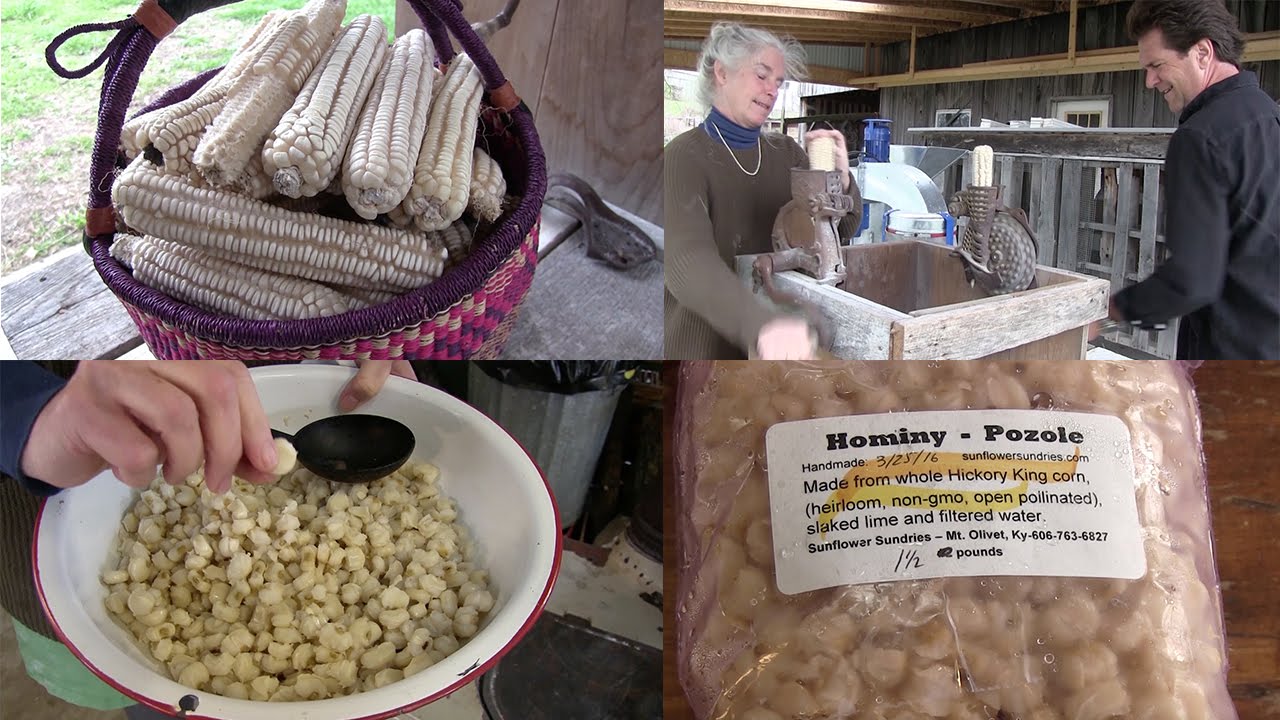
Whole corn kernels get treated with lime or lye solution to soften tough outer hulls.
The process creates distinct texture and earthy flavor that defines both soups.
Regional Differences
Traditional recipes include hominy corn in both menudo and pozole, though some menudo variations omit it entirely.
Pozole relies more consistently on hominy as a defining ingredient across all regions.
Garnishes and Toppings
Menudo Toppings
- Diced white onion
- Mexican oregano (stronger floral flavor than European varieties)
- Crushed red pepper
- Fresh lime juice
- Bolillo bread for dipping in broth
Pozole Toppings
- Shredded cabbage or lettuce
- Sliced radishes
- Fresh cilantro
- Diced avocado
- Oregano
- Chicharron
- Tostadas or tortillas on the side
Serving Traditions and Occasions
When Menudo is Served
Family breakfast tradition dominates menudo consumption, particularly on weekends.
The soup appears at post-celebration recovery meals, famous for hangover remedy properties.
Morning gatherings feature large pots shared among extended family members.
When Pozole is Served
Holiday celebrations and birthday parties center around pozole as the main dish.
Dinner meals rather than breakfast make pozole a versatile festive dish option.
Special occasions and family gatherings throughout the year feature pozole in central Mexico.
Regional Variations Across Mexico
Menudo Regional Styles
Border regions developed unique preparation methods that differ from central Mexico.
State-specific ingredient additions vary widely, with some areas adding pig’s feet while others stick to tripe only.
Pozole Regional Preferences
Jalisco claims pozole rojo as regional specialty, served with pork and guajillo chiles.
Guerrero specializes in pozole verde with pumpkin seeds ground into the tomatillo broth.
Colima maintains pozole blanco traditions without any chile sauce additions.
Flavor Profiles
Menudo Taste Characteristics
Rich, fatty broth from organ meat creates intense flavor depth.
Oregano seasoning dominates the spice profile, particularly when using Mexican oregano varieties.
Chile-forward in rojo version, though the base broth remains distinct even in blanco.
Pozole Taste Elements

Cleaner, lighter broth compared to menudo’s heavy richness.
Corn-forward flavor from hominy kernels balances with meat and chile sauce.
More customizable through topping combinations that change the taste with each bite.
Nutritional Considerations
Menudo Nutritional Profile
High protein content from beef tripe supports muscle recovery and satiation.
Vitamin B-12 concentration contributes to hangover remedy reputation.
Collagen from organ meats provides joint and skin health benefits.
Pozole Nutritional Aspects
Leaner protein from pork or chicken pozole variation reduces overall fat content.
Hominy provides carbohydrates for energy without excessive calories.
Verde version includes more vegetable content from tomatillos and peppers.
Cultural Significance
Menudo in Mexican Culture

Symbol of resourcefulness when families had to use every animal part during food scarcity.
Family bonding happens through shared preparation, with multiple generations cleaning tripe together.
Regional identity markers separate border communities from interior Mexican states based on menudo recipes.
Pozole Cultural Role
Celebratory meal status elevates pozole above everyday soups.
Three color variations represent the Mexican flag (red, white, green).
Community gathering centerpiece brings extended families together during holidays.
Modern Adaptations
Plant-Based Versions
Vegan menudo uses tofu or seitan to replicate tripe’s chewy texture.
Vegetarian pozole verde substitutes tofu carnitas for meat while keeping tomatillo broth intact.
Restaurant offerings accommodate dietary restrictions without sacrificing traditional Mexican flavor profiles.
Contemporary Restaurant Preparations
Shortened cooking times through pressure cookers make both soups accessible for commercial kitchens.
Pre-cleaned tripe from butchers eliminates hours of preparation work.
Standardized recipes compete with family variations, though most diners prefer grandmother’s version.
Which Soup Takes Longer to Make
Menudo requires 5-6 hours total from tripe cleaning through final simmer.
Pozole finishes in 2-3 hours, making it weeknight-friendly for busy families.
Preparation complexity makes menudo a weekend project while pozole fits regular dinner rotation.
Texture Differences
Menudo Texture

Chewy, tender tripe provides unique mouthfeel when cooked properly for hours.
Gelatinous quality from collagen coats the mouth and creates rich satisfaction.
Hominy kernels contrast with soft meat, adding firmness to each spoonful.
Pozole Texture

Soft, pull-apart meat shreds easily and melts without chewing effort.
Bloomed hominy kernels pop with slight resistance against teeth.
Lighter, less dense mouthfeel compared to menudo’s heavier presence.
Cost Comparison
Menudo Ingredient Costs
Tripe ranks as budget-friendly organ meat since most consumers avoid it.
Cow’s feet add minimal expense while providing maximum flavor extraction.
Overall lower ingredient cost makes menudo accessible for large family gatherings.
Pozole Ingredient Costs
Pork shoulder carries moderate pricing, higher than organ meats but reasonable for celebrations.
Chicken serves as budget-friendly alternative when pork prices spike.
Verde variation costs more due to fresh tomatillos, peppers, and herbs required.
Best Side Dishes
Menudo Accompaniments
Bolillo bread or French bread for dipping in rich broth.
Corn tortillas warm on comal for wrapping bites of meat.
Mexican rice appears occasionally but isn’t traditional.
Pozole Pairings
Tostadas rank as preferred side, providing crunch against soft ingredients.
Tortilla chips substitute when tostadas aren’t available.
Corn tortillas serve double duty for dipping and wrapping.
Storage and Reheating
Menudo Storage
Refrigerate up to 3-4 days in airtight containers.
Freezes well for 2-3 months without texture degradation.
Flavors deepen overnight as spices marry with broth.
Pozole Storage
Refrigerate 3-4 days, storing toppings separately to maintain crunch.
Freezes well 2-3 months, though meat may soften further.
Reheat gently to prevent pork from becoming mushy.
Hangover Remedy Claims
Menudo holds reputation as hangover cure due to high protein and vitamin B-12 supporting recovery.
The hot, spicy broth combined with electrolytes from stock makes it popular for morning-after relief.
Pozole lacks this specific cultural association despite offering similar comforting qualities.
Family Tradition and Preference
Family origin determines soup loyalty, with Mexican families from specific regions passing down either menudo or pozole recipes exclusively.
Geographic location within Mexico influences which soup dominates family gatherings.
Some households never make one or the other, creating strong preferences that last generations.
Which is Spicier
Both soups control spice level through optional toppings rather than base chile sauce preparation.
Rojo versions contain chiles for color and flavor, not overwhelming heat.
Diners add crushed red pepper, hot sauce, or fresh chiles to personal preference at the table.
Vegetarian and Vegan Options
Several restaurants offer plant-based versions that preserve authentic Mexican flavor profiles.
Vegan menudo uses tofu or seitan chunks that mimic tripe texture after long cooking.
Vegetarian pozole verde substitutes tofu carnitas while maintaining traditional tomatillo broth base.
Which Soup is More Popular
Popularity varies by region and generation across Mexican communities.
Younger Mexican-Americans increasingly prefer pozole’s lighter profile and faster preparation.
Border regions show stronger menudo tradition for weekend breakfast gatherings.
Interior Mexican states favor pozole for holiday celebrations and dinner meals.
FAQ on Menudo vs Pozole
Which is healthier, menudo or pozole?
Pozole with chicken offers leaner protein and lower fat content compared to menudo’s organ meat base. Menudo provides higher vitamin B-12 and collagen but contains more fat from beef tripe and cow’s feet, making pozole the lighter choice for calorie-conscious diners.
Can you use the same toppings for both soups?
Both soups share some garnishes like lime, oregano, and onion, but differ significantly otherwise. Menudo pairs with bolillo bread while pozole requires shredded cabbage, radishes, and tostadas that wouldn’t traditionally accompany menudo’s richer, fattier broth.
Why is menudo eaten for breakfast and pozole for dinner?
Menudo serves as breakfast tradition due to its hangover remedy reputation and hearty protein content that sustains through the day. Pozole’s lighter profile and celebration status make it dinner-appropriate for holiday gatherings and family events throughout Mexico.
Which soup is more authentic to Mexican cuisine?
Both soups hold equal authenticity with pre-Hispanic roots in Mesoamerica. Menudo represents resourcefulness using every animal part, while pozole carries ceremonial significance from ancient traditions, making neither more authentic than the other across Mexican regions.
Do both soups always contain hominy?
Hominy corn appears consistently in pozole as a defining ingredient across all variations. Some menudo recipes omit hominy entirely depending on regional preferences, though most traditional preparations include it alongside the beef tripe and broth.
Can you make menudo and pozole in a slow cooker?
Slow cookers work perfectly for both soups, reducing active cooking time significantly. Menudo requires 8-10 hours on low for proper tripe tenderness, while pozole finishes in 4-6 hours, making pressure cookers faster alternatives for weeknight preparation.
Which soup freezes better for meal prep?
Both soups freeze excellently for 2-3 months without significant texture loss. Menudo maintains tripe texture better through freeze-thaw cycles, while pozole’s pork may soften slightly, though flavor remains intact in both preparations stored properly.
Is menudo spicier than pozole naturally?
Neither soup contains inherent spice beyond chile sauce for color and flavor. Both rely on table-side additions like crushed red pepper and hot sauce for heat, giving diners complete control over spice levels regardless of rojo or blanco variations.
Why does menudo take so much longer to cook?
Beef tripe requires extensive cleaning, soaking, and slow cooking to become tender and edible. The collagen-rich cow’s feet need 4-5 hours to release gelatin, while pozole’s pork shoulder or chicken becomes tender in standard braising time.
Can you mix menudo and pozole together?
Mixing creates confusion rather than improvement since beef tripe and pork shoulder require different cooking times and temperatures. The flavor profiles clash, and combining them disrespects both traditional recipes, though adventurous home cooks occasionally experiment with hybrid versions.
Conclusion
The menudo vs pozole debate ultimately comes down to personal preference, regional tradition, and when you plan to serve the soup.
Menudo delivers rich, fatty broth with beef tripe that takes hours to prepare but rewards with hangover-curing properties and deep flavor. Pozole offers lighter, faster preparation with pork shoulder or chicken that fits dinner celebrations and holiday gatherings across Mexico.
Both traditional Mexican soups share hominy and cultural significance rooted in Mesoamerica, yet they serve different purposes in family traditions. Border regions lean toward menudo for weekend breakfast, while interior states celebrate with pozole rojo, verde, or blanco.
Try both soups to understand why families passionately defend their choice. Each recipe carries generations of knowledge, and neither soup ranks superior to the other in authentic Mexican cuisine.


