

Vinegar slaw is the pick for a French dip most nights. The other good salad pairings for French dip sandwiches are arugula with lemon vinaigrette, kale Caesar, cucumber and tomato salad, and Italian chopped salad. What they share is acid and a chilled bowl.
Acid cuts through the salt and fat of the roast beef and au jus. Crunch makes up for the soft roll, and a cold bowl takes some heat off a sandwich that arrives steaming.
Philippe the Original, the Los Angeles restaurant that claims the dish, lists a tart, tangy coleslaw beside its homemade potato and macaroni salads, according to its own site. Creamy deli salads carry the tradition. Vinegar-based ones balance the plate better, though, and that’s the side I’m taking.
Which salads go best with French dip sandwiches?
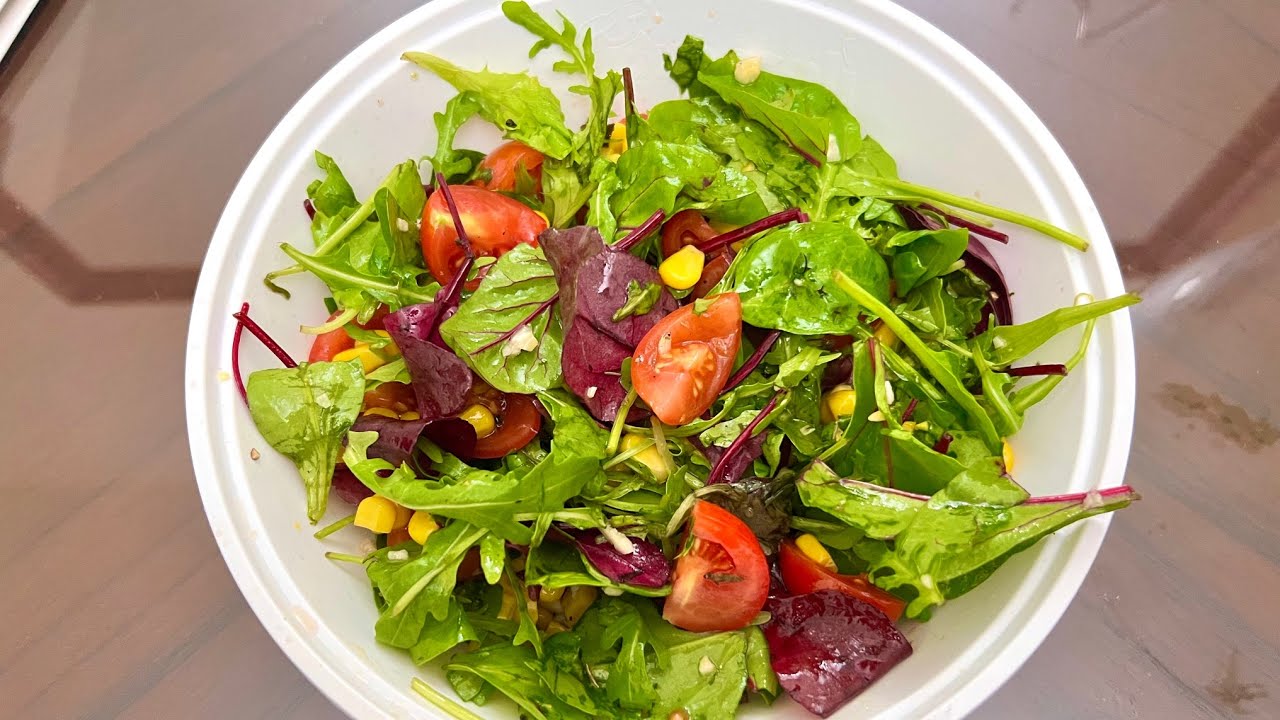
Cold salads with a sharp dressing and some crunch do best. Arugula with lemon vinaigrette, Caesar, vinegar slaw, cucumber and tomato, and Italian chopped salad all qualify.
Pick the dressing first and the greens second. The beef and jus already bring the salt and fat, so the salad has to push the other way.
| Salad | Dressing | What it does | Holds ahead? |
|---|---|---|---|
| Arugula salad | Lemon and olive oil | Bitter, sharp reset | No, dress at the table |
| Kale or classic Caesar | Creamy, lemon-forward | Crunch plus salty richness | Kale version, yes |
| Vinegar coleslaw | Cider or white vinegar | Tang and raw crunch | Yes |
| Cucumber and tomato salad | Red wine vinegar | Cool, juicy relief | Partly, tomatoes weep |
| Italian chopped salad | Red wine vinaigrette | Crunch and pickled bite | Yes, undressed |
Apple spinach salad with cranberries and pecans sits a little apart as the sweeter runner-up. If the sandwich already has caramelized onions, skip it. The sweetness stacks up.
Chicago’s Italian beef also gets dunked in its own juices, and the same rule holds. There’s a separate guide to salads for Italian beef sandwiches if that’s the sandwich on your table.
Arugula salad with lemon vinaigrette

Peppery leaves and fresh lemon juice cut beef fat faster than anything else here. The bitterness also wipes the palate between bites of jus-soaked roll.
Toss the arugula with olive oil, lemon juice and a pinch of salt, then shave parmesan over the top. Thin red onion is optional, and only worth adding when the sandwich has no caramelized onions.
Dress it at the last minute. Arugula goes limp fast once it meets acid.
Caesar salad
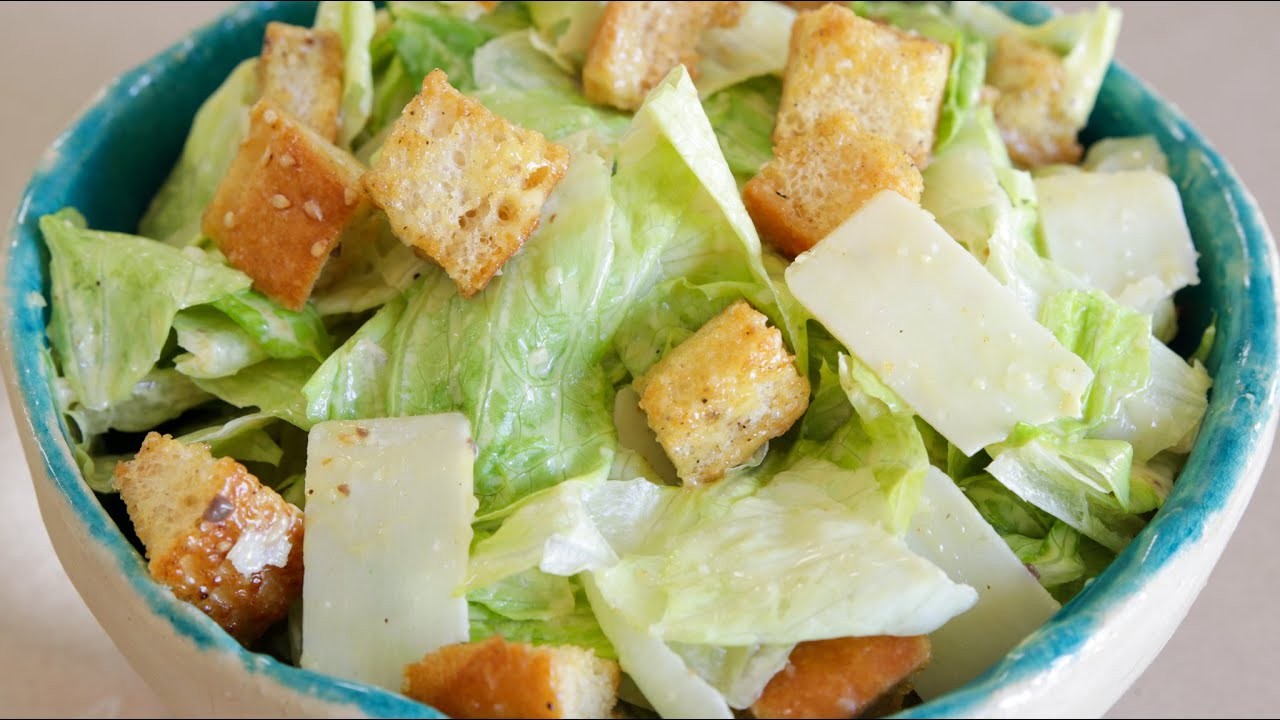
Caesar sits somewhere between a vinaigrette and a creamy dressing, which makes it the safest pick for a mixed crowd.
Classic romaine gives you cold crunch, but the anchovy and parmesan dressing is salty. The kale version has sturdier leaves that hold dressing without collapsing. Either way, add extra lemon and use less dressing than a standalone Caesar would take.
Lemon matters more than croutons here. Soft bread beside a soft roll adds nothing.
Vinegar-based coleslaw

Shredded cabbage gives the hardest crunch of any option here, and the vinegar supplies the tang. It keeps well too, which helps with a crowd.
Mayonnaise slaw behaves like a creamy dressing, which changes the math.
Cucumber and tomato salad

Cool and watery, and that’s the point.
Cucumber and tomato with red onion in red wine vinegar gives a clean finish after a salty bite. Go light on the salt, because the sandwich already brings plenty. Slice the tomatoes close to serving time and drain any liquid that pools before the salad reaches the plate.
Italian chopped salad

The most variety in one bowl comes from this one: crisp lettuce, tomato, chickpeas, red onion and pepperoncini in a red wine vinaigrette. Salami and provolone often join, which makes it the heaviest pick here.
If the sandwich already has provolone, leave the cheese out of the bowl.
What a salad has to do next to roast beef and au jus
Acid comes first, from lemon juice or vinegar. Crunch comes from raw cabbage, cucumber, romaine or arugula, and the cold part is just serving the salad straight from the fridge next to a hot sandwich. Leave one out and the plate tips heavy.
Acid cuts salt and fat
Roast beef and au jus coat the mouth with fat and salt. Sharp, astringent foods work against that slick feel.
Some support for this comes from Rutgers University and the Monell Chemical Senses Center, where researchers found that astringency builds with repeated sips and reduces the slippery perception of fat (published in Current Biology, 2012). The drinks in that work were weakly astringent and tea-like, sipped with salami, so no wine or salad dressings were involved. Sourness isn’t identical to astringency either. Treat the vinegar link as a working rule, not a proven one.
Crunch and cold fix texture and temperature
A soft roll and tender beef give you nothing to bite against, and raw vegetables fix that. Cold does a different job. A chilled salad drops the temperature between bites of hot sandwich and hot jus, whereas a warm salad keeps the acid and loses that contrast.
The same screen applies when the beef comes without the roll. The salad choices for a plain roast beef plate follow the same logic.
Keep the dressing’s salt low
One Taste of Home French dip recipe lists 1,099 mg of sodium per sandwich. Another, counted with a cup of juices, lists 1,906 mg.
The Dietary Guidelines for Americans set the adult limit at less than 2,300 mg a day (restated by the Harvard T.H. Chan School of Public Health in 2024, and kept in the 2025-2030 edition released in January 2026). That puts one plate at roughly 48% to 83% of the day’s limit before the salad arrives.
Recipe nutrition figures are calculated estimates, and they swing with how salty the jus is.
Lemon and olive oil beat an anchovy-heavy dressing here, and bacon and extra cheese don’t belong on the salad at all. Taste it beside the sandwich before adding more salt.
Vinaigrette versus creamy dressing on the side of a French dip
Vinaigrette wins on most plates. A creamy dressing works only on bitter or very crisp greens, and only as a thin coat.
Vinaigrettes: lemon, Dijon and balsamic
Lemon is the sharpest and cleanest, best on arugula and fennel. Dijon brings a mustard bite that echoes horseradish and beef, and it also keeps the oil and acid from separating. Balsamic runs darker and sweeter, so it fights caramelized onions.
A warm bacon-mustard vinaigrette, as on German potato salad, keeps the acid but loses the cold contrast.
Creamy dressings: Caesar, ranch and blue cheese
Creamy dressings add a second rich layer to an already rich meal. Use them where the greens can take the weight.
Caesar works when it’s lemon-forward and lightly coated. A wedge salad with blue cheese gets its cold crunch from the iceberg, so serve the dressing on the side. Mayonnaise slaw is acceptable with vinegar added to the dressing and a small portion.
Ranch is the most forgiving, and also the least interesting next to roast beef.
Pros and cons of each style
Vinaigrette cuts richness directly and adds little fat to the plate. The downsides are small. Too much acid fights pickled onions or tangy toppings, and tender greens go limp if they’re tossed early.
Creamy dressing is familiar and easy for a crowd, and it mellows bitter greens such as kale. It also adds fat to a fatty meal and tends to be salty, especially Caesar and blue cheese.
Default to vinaigrette. Reach for creamy only when the greens are bitter or very crisp and the coat stays thin.
How do you match the salad to the sandwich’s cheese and toppings?
Look at what the sandwich already carries. Sweet toppings want a sharp salad. Anything hot wants something cool, and a salty cheese means the salad shouldn’t add salt of its own.
Provolone, Swiss and the cheeses Philippe the Original lists
Philippe the Original’s French dips menu lists Swiss, American, Jack, blue, Cheddar, Pepper Jack and provolone as cheese add-ons (philippes.com). Provolone, the usual choice in home recipes, is on that list too.
Provolone is mild and milky but saltier than Swiss, so pair it with a lemon or vinegar salad and go easy on parmesan or olives in the bowl. Swiss is nutty with a little sweetness, which suits apple, fennel and celery salads.
Blue cheese is the one to watch. Skip blue cheese dressing, because a wedge salad would repeat the sandwich.
Caramelized onions, horseradish sauce and pickled toppings
Cooked onions bring softness, so the salad needs the hardest crunch available. Shredded cabbage beats tender leaves here.
Horseradish sauce and Philippe’s house hot mustard (a listed sandwich condiment on its menu) both clear the sinuses. A cold cucumber salad is the cooling answer.
If the sandwich carries pickled onions or giardiniera, cut the vinegar in the salad and let olive oil and greens do the work.
When the meat changes
Philippe’s offers beef, lamb, pork, turkey, ham and pastrami dips (philippes.com), and the salad can shift with the meat.
Lamb dips taste stronger and reward mint, lemon and cucumber, which is also where salads that suit lamb tend to go. Pork leans toward apple and cabbage, the usual territory for salad choices for pork.
How to portion and time the salad for sandwich night
Plan on 1 to 2 cups of raw leaves, or half a cup to 1 cup of a chopped-vegetable salad, per person. Dress anything delicate at the last minute.
How much salad per person
The Dietary Guidelines for Americans, 2025-2030 count 2 cups of leafy greens as 1 serving of vegetables, while 1 cup of other raw or cooked vegetables also counts as 1 serving (USDA and HHS, Daily Servings by Calorie Level).
A 2,000-calorie pattern calls for 3 servings of vegetables a day, so one 2-cup bowl of arugula covers about a third of it. In practice that means 1 to 2 cups of leaves per person, or half a cup to 1 cup of slaw, cucumber salad or chopped salad.
A make-ahead timeline
- Morning or the day before, shred the cabbage, slice the cucumber and onion, and whisk the dressing.
- Store the vegetables and the dressing in separate containers in the fridge.
- About 30 minutes before serving, dress the slaw, the cucumber salad, the chopped salad and the kale Caesar. Hold the tomatoes until the end.
- Right before plating, toss the arugula and romaine.
- Add croutons, nuts and cheese last.
- Serve in a separate bowl, away from the plate where jus will run, and keep it chilled until it reaches the table.
When a salad is the wrong side for a French dip
Mayonnaise-heavy macaroni and potato salads miss on weight. Plain fruit salad is too sweet, and delicate leaves can’t survive an hour on the table. Each one fails the acid, crunch or cold test in its own way.
Deli classics versus the acid, crunch and cold rule
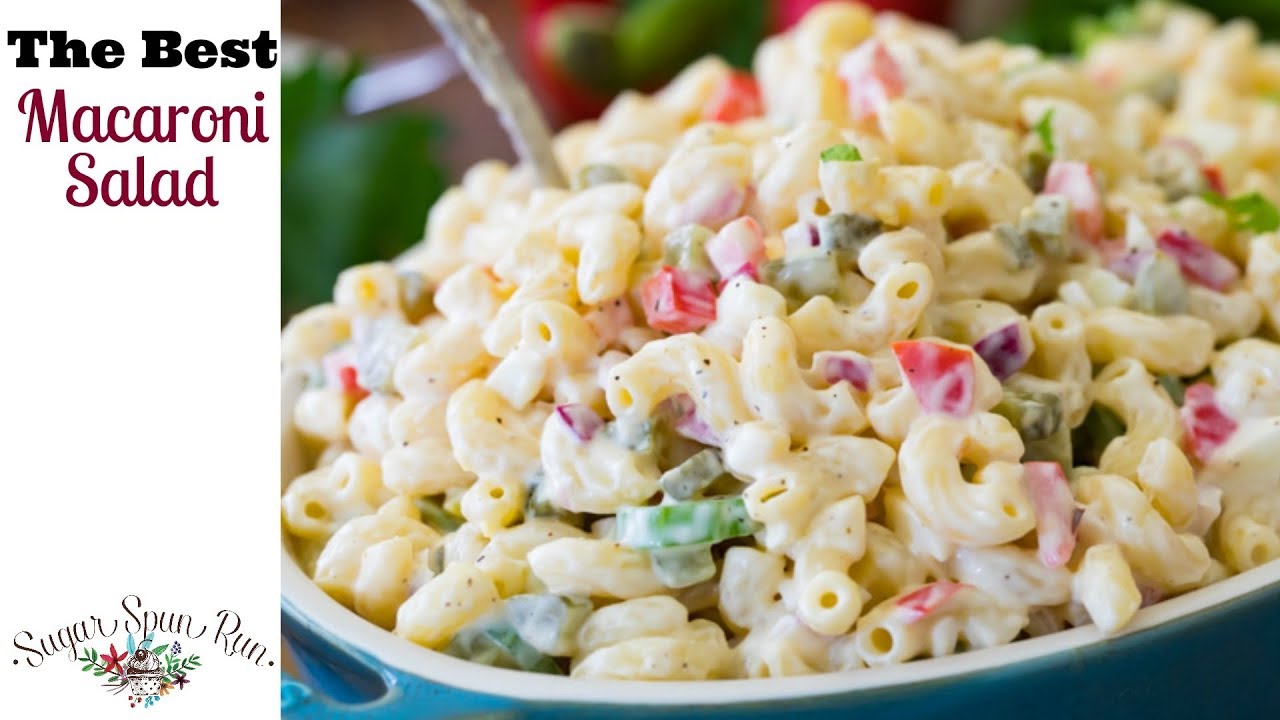
Philippe the Original lists a tart, tangy coleslaw alongside homemade potato and macaroni salads as accompaniments to its French dip (philippes.com). Several roundup sites call those creamy salads classic pairings, and at least one warns that macaroni salad is heavy enough to make you sleepy.
The sources disagree because they answer different questions.
Tradition covers what lunch counters have served beside the sandwich for decades. Balance is a narrower question about a home plate with a salty, fatty sandwich on it.
USDA FoodData Central lists generic macaroni salad at 200 calories and 12.1 g of fat per 100 g (April 2026 release). That stacks fat on a sandwich that already has plenty.
If the goal is recreating the Philippe’s meal, go with tradition. For a plate you can finish without feeling stuffed, the rule works better.
Other salads that fail

Several roundups recommend fruit salad, but plain sweet fruit has no acid and no crunch. It only works when lime, pineapple or cucumber joins in.
Delicate greens held at the table, like arugula and soft lettuce, wilt in the steam from a hot sandwich and a hot jus bowl.
Mayonnaise salads on a warm buffet are a food safety problem as much as a taste one. USDA guidance, as reported by Food Safety News in July 2026, says perishable foods go back in the fridge within 2 hours, or 1 hour above 90 degrees F.
A game-day table in a warm room or on a patio hits that limit first with potato and macaroni salad. Vinegar slaw tolerates the wait better.
Common Questions About Salad Pairings for French Dip Sandwiches
Is a salad better than fries or soup with a French dip?
Salad is the lightest of the three. Fries and soup add more fat or salt to a plate that already has both, while a cold, acidic salad offsets them.
If comfort matters more than balance, fries are a fair choice.
Can you put salad on the sandwich itself?
Yes, in small amounts. A handful of arugula or vinegar slaw adds crunch inside the roll.
Keep creamy or wet salads off the bread, because they soften it before the jus does.
Which salad is the lightest option?
Arugula with lemon vinaigrette and cucumber and tomato salad are the lightest. Both are mostly raw vegetables with little added fat or starch.
For a lower-carb plate, skip potato, macaroni and fruit-based salads.
Does the same salad work with a French dip burger?
Yes. A French dip burger carries the same beef and jus, so the same acid, crunch and cold rule applies.
Vinegar slaw and arugula fit best, since burgers often bring extra cheese and onions.
Choosing One Salad for French Dip Night
Vinegar slaw is the default among salad pairings for French dip sandwiches. It holds ahead and stays crunchy, and nobody has to toss it at the last minute. Arugula with lemon vinaigrette wins only when the table is small and someone can dress it at serving.
Time goes first because it rules out options before taste gets a say. Then look at the sandwich build, meaning the cheese, onions and mustard. The dressing goes last, since it can adjust to whatever is left, and vinaigrette is the default unless the greens are bitter.
The downside is that a vinegar-led plate gives up the creamy comfort of deli-style sides.
As of October 2026, one thing changes this advice. A jus made with low-sodium broth leaves room for a salty Caesar dressing.


