

Arugula with lemon and olive oil is the salad I’d put next to an Italian beef. The peppery leaves and the sharp acid both push back against thin-sliced beef and jus. Italian chopped salad and cucumber tomato salad come next, and coleslaw isn’t far behind.
What’s on the sandwich decides the rest. Order it sweet, with roasted bell peppers, and you want a sharp salad. Order it hot, with oil-steeped giardiniera of serranos, carrots, celery and cauliflower, and a cold, crisp one works better (The Takeout).
Which salads go best with Italian beef sandwiches?

Arugula with lemon and olive oil still takes it. Peppery leaves and sharp acid go straight through thin-sliced beef and jus, which is exactly what you want from a side. Italian chopped salad, cucumber tomato salad and coleslaw all sit just behind.
The sandwich is salty and fatty, and the dip leaves the roll soft. So the salad should be the opposite: cold and crisp, with some sourness.
| Salad | Dressing | What it does | Make-ahead |
|---|---|---|---|
| Arugula salad | Lemon and olive oil | Peppery bite against fat | Dress at the table |
| Italian chopped salad | Red wine vinaigrette | Salami and provolone echo the seasoning | Chop ahead, dress late |
| Cucumber tomato salad | Red wine vinegar | Cold, watery crunch | Dress shortly before serving |
| Coleslaw | Vinegar or creamy | Raw cabbage crunch | Holds well |
| Italian pasta salad | Italian vinaigrette | Feeds a crowd | Holds well chilled |
A few other salads are worth making if you can live with the catch.
- Greek salad brings salt and tang from feta and olives, which works until the sandwich carries cheese too.
- Caesar has the right crunch. The creamy dressing and Parmesan add a second rich element, though.
- Caprese needs ripe tomatoes, and its mozzarella doubles up on a beef ordered with cheese.
- Panzanella puts a second soaked bread next to a soaked roll.
- Antipasto salad piles cured meat and pickled vegetables onto a plate that is already salty.
If I could only make one, it would be the arugula. When the beef carries hot giardiniera, I’d swap it for cucumber tomato or a vinegar slaw.
What a salad needs to do against jus-soaked beef
The beef and jus already bring plenty of salt and fat, and the dipped roll is soft. A sweet or creamy salad stacks onto that pile instead of balancing it, so the salad needs acid and crunch, ideally with a clean peppery or bitter edge on top.
Acid and bitterness
Samin Nosrat’s Salt, Fat, Acid, Heat (2017) treats acid as the thing that balances and brightens everything else on the plate. Italian beef supplies the salt and fat without any help. The acid has to come from the salad.
Peppery leaves cover the bitter side, but the leaf itself varies a lot. Rocket (the UK name for arugula) is a good example, and two University of Reading studies show how much. Foods (2020) found that multi-cut harvests carried more glucosinolates, which went with more bitterness and lower consumer liking, while first-cut leaves scored best. Food Chemistry (2017) found that hotness, not bitterness, drove liking, and that a high sugar to glucosinolate ratio lowered both for some consumers.
Put together, the bite depends on the harvest and on who’s eating. Buy baby or first-cut leaves and taste one before dressing. Keep romaine around as a fallback for guests who find rocket too sharp.
Crunch against a soft roll
A dipped roll has no crunch left, so the salad has to carry it. Cucumber is cold and watery, which helps against heat. Raw cabbage keeps its snap even under dressing. Fennel sliced thin goes well with lemon, and romaine is sturdy enough to take a vinaigrette without collapsing.
The same reasoning applies to any dipped sandwich. Picking a salad for a French dip starts from the same jus-soaked roll.
Vinaigrette or creamy dressing: which one suits Italian beef?

Vinaigrette. It adds acid without adding fat to a sandwich that is already soaked in it.
Creamy dressings earn a place only on coleslaw or romaine, where the crunch carries the plate.
The textbook ratio is 3 parts oil to 1 part vinegar (Wayne Gisslen, Professional Cooking, 8th edition, 2014), and America’s Test Kitchen’s 2012 foolproof vinaigrette uses the same split. Gisslen adds that less oil makes the dressing tarter, so for beef, push toward 2 to 1. Red wine vinaigrette or lemon vinaigrette with extra virgin olive oil makes the best base.
Vinaigrette cuts the salt and fat, and it matches the oregano and garlic already in the jus. The downsides are that it wilts leaves quickly once it’s on, and too much vinegar fights hot giardiniera.
Creamy dressing has one real upside, which is softening the heat of hot peppers. It also coats cabbage well and holds for a crowd. But it adds a second rich element to the plate and does little against the salt.
Dress leafy salads at the table. Dressing that sits on arugula or romaine wilts it and pools beside the jus.
How giardiniera and sweet peppers change the salad choice

Hot giardiniera brings heat and crunch plus a layer of oil, so the salad beside it should be cool, mild and acidic. Sweet peppers leave the sandwich softer and milder, which is where a sharper salad fits.
These two toppings are the standard Chicago choice, per The Takeout. “Sweet” means roasted green or red bell peppers, and “hot” means giardiniera, an oil-steeped mix of serranos, jalapenos, carrots, celery, olives, onion, garlic and cauliflower.
Giardiniera is not a reliable source of acid. America’s Test Kitchen’s Chicago-style recipe uses 1 1/2 cups of cider vinegar, but Chili Pepper Madness notes that many Chicago brands skip vinegar and pack in oil or oil with some water.
A hot beef can carry more oil than tang, which is why a vinegar-forward salad still earns its place.
Time Out’s review of Al’s #1 Italian Beef, founded in 1938 and based on Taylor Street since 1964, singles out the dipped build with hot giardiniera. Most of the advice here is written around that order.
Here’s how I’d match the salad to the order.
- For a hot, dipped beef, go with cucumber tomato salad or a vinegar slaw. Cold and crisp, with no added heat.
- Sweet peppers pair with arugula and lemon, or with Italian chopped salad, since the roasted peppers need a sharper partner.
- If the sandwich has both sweet and hot, keep the salad plain. Romaine with red wine vinaigrette does it.
- When cheese is on the beef, skip caprese, feta-heavy Greek salad and provolone-loaded chopped salad.
A beef carries no cheese by default (The Takeout), but mozzarella is a common add.
Wet versus dipped matters too. A dipped sandwich drips onto the plate, so pair it with sturdy slaw or chopped salad and save delicate leaves for a dry beef.
What Chicago beef stands serve on the side
Mostly fries, with onion rings at some places and lemon Italian ice at others. Salad is a home-table pairing, not a stand tradition.
Johnnie’s Beef in Elmwood Park, open since 1961 (WTTW), is known for dipped sandwiches, a big pile of fries and house-made Italian ice, per Visit Oak Park. Roadfood calls the sweet-and-tart lemon ice a fitting match for the beef.
- Fries are the default plate-mate, according to Fine Dining Lovers (chips are the alternative).
- Portillo’s lists onion rings and cheese fries beside the beef.
- Italian ice gives Johnnie’s customers a cold, tart finish.
- Old-school menus sell gravy bread, a roll dunked in jus with no meat on it (The Takeout).
Portillo’s menu does carry salads, including a chopped salad and a Caesar alongside a garden side salad. Only the garden salad (romaine, red cabbage, cucumbers, tomatoes, shredded cheese, croutons) is built as a side. The chopped salad with chicken, bacon, gorgonzola and ditalini pasta eats like a meal.
At home, borrow the stand logic. A salad does the job the lemon ice does at Johnnie’s, cold and tart, just in a smaller bowl.
With fries on the plate, favor greens over pasta salad. Starch next to starch fills people up before the beef is finished.
How to prep a salad ahead of an Italian beef dinner
Cut and wash the sturdy parts a day ahead, keep the dressing in a jar, and toss everything when the beef comes out of the roaster. The knife work takes the time. The toss takes about a minute.
- Day before: whisk the vinaigrette and cut the cabbage, cucumber, fennel or romaine.
- Day before: dry the cut vegetables well and store them cold in lidded containers.
- Morning: make the slaw or pasta salad, the two that tolerate the wait.
- An hour before: pull the salads, taste for salt and acid, and fix both.
- At serving: toss the leafy salads and set the bowls out.
Safe holding comes down to a few numbers. Cut greens need to stay at 41 degrees F or below under the FDA’s 2009 Food Code, and Oregon Health Authority’s fact sheet counts cut romaine, arugula and cabbage. Anything out of the fridge has a limit of 2 hours, or 1 hour above 90 degrees F, per USDA.
Deli-style salads keep 3 to 4 days in FoodSafety.gov’s 2023 Cold Food Storage Chart and 3 to 5 days in FDA’s refrigerator chart. Leftovers last 3 to 4 days at 40 degrees F, per USDA’s Food Safety and Inspection Service.
The two charts disagree by a day, so plan on the shorter window. Both cover egg, chicken, ham, tuna and macaroni salads, which makes them the closest published guide for pasta salad and creamy slaw, not a ruling on vinaigrette greens.
At a party, serve in small bowls and refill from the fridge. A recipe scaling tool handles the dressing math when the guest list grows.
Salads that clash with Italian beef
Mayonnaise-heavy potato and macaroni salads clash the most, followed by sweet fruit salads and meal-sized chopped salads. The sandwich already carries the fat, so these add weight instead of contrast.
Potato and macaroni salad put mayonnaise on top of beef fat and fill the plate before the sandwich is done. Strawberry spinach and other fruit salads add sugar to a sandwich that may already carry sweet peppers.
Loaded chopped salads with bacon and gorgonzola make a second main course beside the first, and so does ranch pasta salad.
Roundups still list them. Insanely Good Recipes includes potato, macaroni and fruit salad, and Pantry and Larder adds ranch pasta salad.
No published tasting data compares side salads with Italian beef, so this is a judgment built on the fat and acid logic, not a measured result.
A combo (beef plus char-grilled Italian sausage) is the one order where less is better. The sausage adds more fat, so keep the salad to cucumber and red onion in vinegar.
Salad for Italian Beef Sandwiches FAQ
Can I put salad or slaw on the sandwich itself?
Yes, in small amounts. A few leaves of arugula or a spoonful of vinegar slaw tucked under the beef works, but it adds moisture to a roll that is already soaked.
Chicago stands top the beef with sweet peppers or giardiniera, so greens are a variation, not the standard.
How much salad should I make per person?
Plan one generous handful of greens, or a small bowl of slaw, per person. The salad is a counterweight to the sandwich, not a second course.
Add a little more when no fries are on the plate.
What salad works if I skip the roll or want low carb?
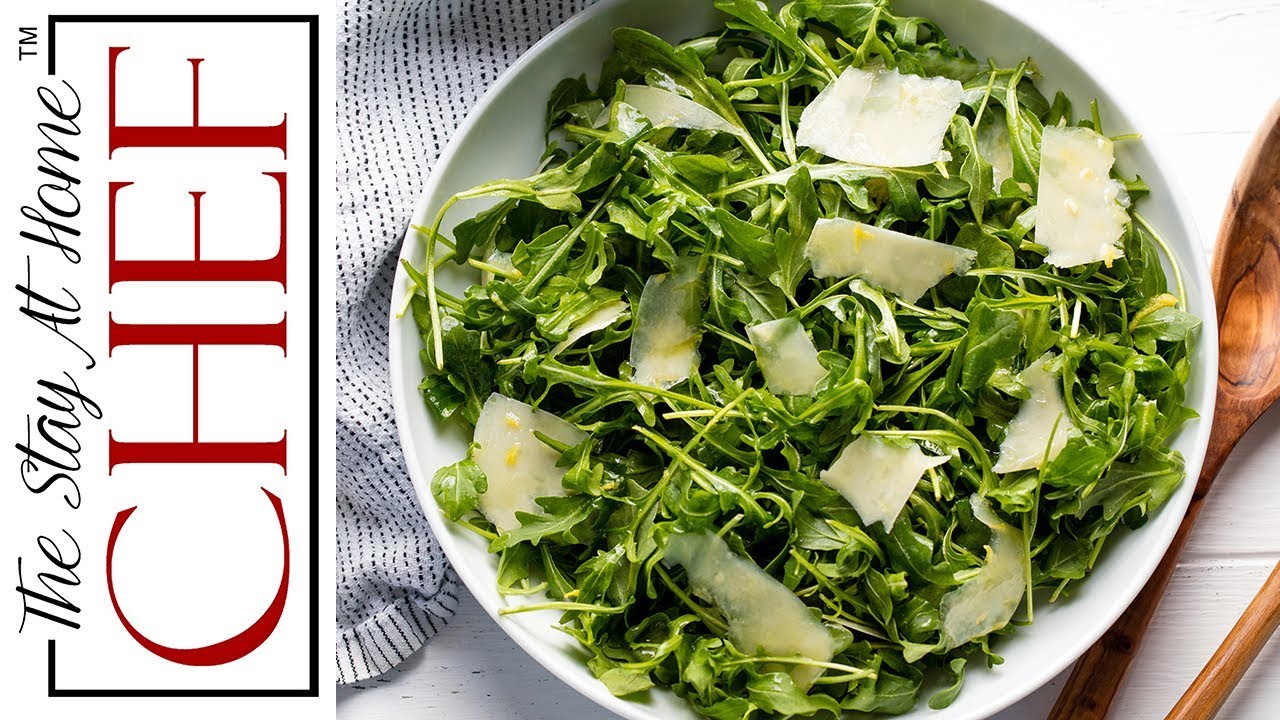
Serve the sliced beef over arugula or romaine with lemon vinaigrette, and spoon giardiniera on top. Without the roll, the salad becomes the base of the meal.
Dress it lightly, because a spoonful of jus does the rest.
Is it fine to serve the salad warm or grilled?
Yes, with sturdy greens. Grilled romaine, warm cabbage or charred radicchio hold up, though a cold salad contrasts better with a hot, dipped sandwich.
Skip warm arugula, since heat dulls its peppery bite.
Should a Salad Replace the Fries?
A salad for Italian beef sandwiches should replace the fries when the meal needs only one side, and sit next to them when fries are part of the ritual. Keep the roll as the only bread on the plate either way.
The trade-off is tradition. A plate without fries drifts from the stand experience, and guests who expect the salt and crunch of a basket may ask where it went.
This advice rests on kitchen logic and sensory studies of rocket, not on a tasting trial of Italian beef pairings, and it was checked against published sources in October 2026.
A study that tests side salads against dipped beef would settle the vinaigrette-versus-creamy question with data, and the dressing advice should change if one appears.


