

Nothing beats unwrapping a perfectly steamed tamale and discovering the treasure hidden inside.
The types of tamales available today span everything from traditional pork and chicken varieties to innovative sweet tamales filled with chocolate and fruit.
These corn husk-wrapped bundles represent thousands of years of Mexican culinary tradition. Each region has developed its own signature fillings and preparation techniques.
Whether you’re planning a tamalada or simply want to understand authentic Mexican cuisine, knowing different tamale varieties helps you appreciate this complex dish.
From savory beef tamales to vegetarian bean versions, each type tells a story of cultural heritage and family traditions.
This guide explores 15 distinct tamale varieties, covering traditional masa preparation, regional specialties, and modern adaptations. You’ll discover authentic filling combinations, seasonal variations, and the cultural significance behind each type.
By the end, you’ll understand why tamales remain central to Mexican celebrations and how to choose the perfect variety for any occasion.
Types of Tamales
| Tamale Type (Entity) | Primary Filling (Core Attribute) | Flavor Profile (Semantic Context) | Cultural Origin (Contextual Domain) |
|---|---|---|---|
| Pork Tamales | Slow-cooked pork shoulder with aromatic spices | Rich, savory, umami-forward with smoky undertones | Traditional Mexican, Central American heritage |
| Chicken Tamales | Shredded chicken breast with herbs and seasonings | Mild, comfort-food essence, herbaceous notes | Widespread Mexican regional variations |
| Beef Tamales | Chuck roast or brisket with robust seasonings | Bold, meaty, intense with deep savory complexity | Northern Mexican, Tex-Mex culinary tradition |
| Cheese Tamales | Fresh queso blanco or Oaxaca cheese | Creamy, mild, comfort-oriented with dairy richness | Modern Mexican-American fusion adaptation |
| Bean Tamales | Refried beans or whole pinto beans with spices | Earthy, protein-rich, wholesome with legume essence | Indigenous Mesoamerican, vegetarian-friendly |
| Sweet Tamales | Sugar, cinnamon, raisins, or fruit preserves | Sweet, dessert-like, aromatic with warm spice notes | Colonial Mexican influence, celebration food |
| Rajas con Queso | Poblano pepper strips with melted cheese | Mildly spicy, creamy, vegetable-forward freshness | Central Mexican, poblano pepper specialization |
| Mole Tamales | Chicken or turkey with complex mole sauce | Complex, chocolate-spice, ceremonial sophistication | Oaxacan, Pueblan indigenous culinary mastery |
| Green Chile Tamales | Pork or chicken with roasted green chiles | Bright, moderately spicy, smoky with chile heat | New Mexican, Southwestern American regional |
| Red Chile Tamales | Meat with red chile sauce and dried peppers | Deep, smoky heat, concentrated chile intensity | New Mexican, traditional holiday preparation |
| Vegetarian Tamales | Mixed vegetables, beans, cheese, or mushrooms | Plant-forward, diverse textures, garden-fresh essence | Modern adaptation, health-conscious innovation |
| Dessert Tamales | Sweet masa with fruit, chocolate, or caramel | Confectionery-style, indulgent, celebration-worthy | Contemporary Mexican-American innovation |
| Fish Tamales | Fresh fish fillets with coastal seasonings | Light, oceanic, citrus-bright with marine essence | Coastal Mexican, Veracruz maritime tradition |
| Shrimp Tamales | Gulf shrimp with garlic and coastal herbs | Delicate, briny sweetness, seafood luxury appeal | Gulf Coast Mexican, premium seafood preparation |
| Duck Tamales | Confit duck with sophisticated seasonings | Rich, gamey, gourmet-level culinary sophistication | Contemporary Mexican fine-dining innovation |
Pork Tamales
Traditional Mexican tamales: Pork tamales rank among the most beloved tamale varieties across Mexico, featuring tender shredded pork simmered in rich red chile sauce wrapped in fluffy masa dough.
Core Entity Information
- Primary attribute: Slow-cooked pork shoulder or butt with red chile sauce
- Classification: Traditional Mexican savory tamale, meat-based filling
- Key identifier: Spicy red chile pork wrapped in soft masa dough
- Established: Ancient Mesoamerican tradition dating to 5000 BC
Operational Attributes
- Location/Geography: Popular throughout Mexico, especially common in Christmas celebrations
- Scale/Size: Each batch typically makes 60 red chile pork tamales
- Industry Focus: Home cooking, Mexican restaurants, holiday catering
- Business Model: Labor-intensive preparation often done in family gatherings called tamaladas
Semantic Relationships
- Parent Categories: Tamales rojos, meat tamales, traditional Mexican cuisine
- Related Entities: Asado de Chile Colorado stew, red enchiladas
- Attributes Network: Masa harina, lard, chicken broth, corn husks
- Value Propositions: Incredibly light and fluffy texture with authentic pork flavor
Contextual Significance
- Market Position: Most recognized tamale variety internationally
- Notable Features: Tender shreds of spicy red chile pork wrapped in soft masa dough
- Recognition/Achievements: Featured in Mexican holiday traditions for generations
- Impact/Influence: Often served during celebrations and holidays, especially Christmas
Chicken Tamales

Poultry-based Mexican tamales: Chicken tamales made from juicy chicken in a green chile verde sauce represent a lighter alternative to traditional pork varieties.
Core Entity Information
- Primary attribute: Cooked and shredded poultry combined with salsa verde
- Classification: Savory tamale with poultry protein, often featuring green sauce
- Key identifier: Shredded chicken and sautéed onions in flavorful green sauce made with tangy tomatillos
- Established: Traditional Mexican preparation with regional variations
Operational Attributes
- Location/Geography: Common throughout Mexico and Mexican-American communities
- Scale/Size: About 50 corn husks needed for standard batch preparation
- Industry Focus: Restaurant staple, home cooking, catering services
- Business Model: Often prepared for large gatherings and celebrations
Semantic Relationships
- Parent Categories: Tamales verdes, poultry tamales, green sauce tamales
- Related Entities: Rotisserie chicken, Thanksgiving turkey alternatives
- Attributes Network: Green chile sauce, tomatillo salsa, masa dough
- Value Propositions: Most traditional tamale recipes use lard but family variations with canola oil taste great
Contextual Significance
- Market Position: Second most popular tamale variety after pork
- Notable Features: Chili-spiced chicken filling with perfect level of spice
- Recognition/Achievements: Popular during holidays and family gatherings
- Impact/Influence: Authentic Mexican food that connects families to their cultural heritage
Beef Tamales

Robust meat-filled tamales: Beef tamales feature tender slow-cooked beef in flavorful red salsa, creating super tender meat wrapped in perfectly moist and fluffy masa.
Core Entity Information
- Primary attribute: Chuck roast or beef shoulder slow-cooked until fork tender
- Classification: Savory meat tamale with red sauce preparation
- Key identifier: Beef seasoned with salt and pepper, seared on all sides, cooked with broth until tender
- Established: Regional Mexican tradition, especially popular in northern Mexico
Operational Attributes
- Location/Geography: Popular in South Texas tamale traditions
- Scale/Size: Typically makes about 24 large tamales per batch
- Industry Focus: Mexican restaurants, regional specialties, home preparation
- Business Model: Requires longer cooking time, premium ingredient positioning
Semantic Relationships
- Parent Categories: Tamales rojos, beef tamales, northern Mexican cuisine
- Related Entities: Ground beef picadillo variations, tamale steaming techniques
- Attributes Network: Guajillo chiles, cumin, beef broth, garlic
- Value Propositions: Light and fluffy masa with mixture of beef and pork for enhanced flavor
Contextual Significance
- Market Position: Regional specialty with growing popularity
- Notable Features: Super tender meat in flavorful red salsa
- Recognition/Achievements: Traditional preparation methods passed through generations
- Impact/Influence: Essential part of Texas Christmas tradition
Cheese Tamales

Vegetarian dairy-based tamales: Cheese tamales feature fluffy, pillowy masa surrounding melty cheese filling, creating ooey, gooey texture perfect for vegetarian diets.
Core Entity Information
- Primary attribute: Roasted poblano peppers and melted cheese filling
- Classification: Vegetarian tamale, cheese-based filling, often combined with peppers
- Key identifier: Queso Oaxaca providing best flavor and melty goodness
- Established: Traditional Mexican vegetarian preparation
Operational Attributes
- Location/Geography: Popular throughout Mexico, especially in vegetarian households
- Scale/Size: Small batch recipes typically make 2 dozen tamales
- Industry Focus: Vegetarian restaurants, Mexican food service, family preparation
- Business Model: Faster preparation than meat varieties, cost-effective ingredients
Semantic Relationships
- Parent Categories: Tamales de rajas con queso, vegetarian tamales, dairy tamales
- Related Entities: Jalapeno and cheese combinations, poblano pepper varieties
- Attributes Network: Poblano peppers, Monterey Jack cheese, masa preparation
- Value Propositions: 100 times easier to use pickled jalapenos instead of roasted poblano peppers
Contextual Significance
- Market Position: Leading vegetarian tamale option
- Notable Features: Strips with cheese translation emphasizes green chile preparation
- Recognition/Achievements: Perfect combination of cheesy and spicy flavors
- Impact/Influence: Gateway tamale for non-meat eaters and children
Bean Tamales

Plant-based protein tamales: Bean tamales represent authentic Mexican food enjoyed for generations in Mexican states of Puebla, Oaxaca, Veracruz featuring refried beans as primary filling.
Core Entity Information
- Primary attribute: Creamy homemade refried beans wrapped in soft nixtamalized masa
- Classification: Vegetarian tamale, legume-based protein, traditional preparation
- Key identifier: Northern Style Bean Tamales perfect for vegetarians, vegans, and meat-eaters alike
- Established: Food ritual part of Mexican life since Mesoamerican times
Operational Attributes
- Location/Geography: Found in every Mexican American home in Texas and southern regions like Puebla
- Scale/Size: Makes one dozen tamales or up to 16 if stretching masa
- Industry Focus: Vegan restaurants, health-conscious dining, traditional Mexican cuisine
- Business Model: Most economical tamale variety using inexpensive staple ingredients
Semantic Relationships
- Parent Categories: Tamales de frijol, vegetarian tamales, vegan Mexican cuisine
- Related Entities: Frijoles refritos preparation, Mexican bean cooking techniques
- Attributes Network: Red chile sauce, vegetable shortening, vegetable broth
- Value Propositions: Heart-healthy olive oil combined with traditional preparation methods
Contextual Significance
- Market Position: Premier vegan tamale option
- Notable Features: Silky black bean tamales represent harvest season in most economical way
- Recognition/Achievements: Traditional vegan cuisine often overlooked dimension of Texas Mexican cuisine
- Impact/Influence: Sometimes served with Mole Poblano for wonderful combination
Sweet Tamales

Dessert tamales with fruit fillings: Sweet tamales represent Mexican specialty made with sweet corn dough filled with different sweet fillings like chocolate or fruit.
Core Entity Information
- Primary attribute: Classic flavor combinations of cinnamon and raisin, often colored pink
- Classification: Dessert tamale, sweet masa preparation, fruit and sugar based
- Key identifier: Mixture of fruits and nuts wrapped in corn husks making yummy Mexican dessert
- Established: Traditional Mexican dessert preparation for holidays
Operational Attributes
- Location/Geography: Popular throughout Mexico during holiday celebrations
- Scale/Size: Require 36-40 husks for standard batch preparation
- Industry Focus: Mexican bakeries, dessert specialists, holiday catering
- Business Model: Light fluffy sponge cake wrapped in corn husk package
Semantic Relationships
- Parent Categories: Tamales dulces, Mexican desserts, holiday sweets
- Related Entities: Sophisticated twist with prunes and pecans, miso depth of flavor
- Attributes Network: Butter, sugar, cinnamon, vanilla, various fruit fillings
- Value Propositions: Tasty variation on traditional Mexican dessert great for entertaining
Contextual Significance
- Market Position: Traditional Mexican dessert gaining international recognition
- Notable Features: Blackberry cheesecake filling represents modern innovative approach
- Recognition/Achievements: Easier to assemble because flavorings mixed with corn paste
- Impact/Influence: Perfect for any occasion bringing families together for tamale parties
Rajas con Queso Tamales

Pepper and cheese combination tamales: Rajas con queso tamales combine jalapeño pepper slices with cheese, representing most popular tamal recipes from Mexico.
Core Entity Information
- Primary attribute: Sautéed onions with garlic and jalapeño pieces until soft
- Classification: Vegetarian tamale, pepper-cheese combination, traditional Mexican recipe
- Key identifier: Roasted green chile and cheese slow simmered in suero for unique flavor
- Established: Classic Mexican preparation with regional variations
Operational Attributes
- Location/Geography: Popular throughout Mexican regions with different pepper varieties
- Scale/Size: Small batch recipes perfect for beginner tamale makers
- Industry Focus: Mexican restaurants, vegetarian dining, home cooking education
- Business Model: Two-ingredient filling requiring no advance cooking preparation
Semantic Relationships
- Parent Categories: Cheese tamales, vegetarian tamales, pepper-based fillings
- Related Entities: Green chile variations including roasted poblano and Anaheim peppers
- Attributes Network: Oil, onions, garlic, jalapeño pieces, cheese varieties
- Value Propositions: 100 percent easier using pickled jalapeños instead of roasted poblano peppers
Contextual Significance
- Market Position: Leading vegetarian tamale variety
- Notable Features: Combination of suero with green chiles gives recipe one-of-a-kind flavor
- Recognition/Achievements: Traditional preparation methods maintained through generations
- Impact/Influence: Even meat eaters will devour these cheese and jalapeño tamales
Mole Tamales

Complex sauce-filled gourmet tamales: Mole tamales feature intricate traditional Mexican sauce with chocolate, spices, and chile peppers creating sophisticated flavor profiles.
Core Entity Information
- Primary attribute: Rich mole sauce combining chocolate with various chile peppers
- Classification: Gourmet tamale, complex sauce preparation, festive celebration food
- Key identifier: Multi-ingredient sauce requiring specialized preparation techniques
- Established: Pre-Columbian Mexican sauce tradition adapted for tamales
Operational Attributes
- Location/Geography: Especially popular in Puebla and Oaxaca regions of Mexico
- Scale/Size: Labor-intensive preparation typically for special occasions
- Industry Focus: High-end Mexican restaurants, cultural celebrations, culinary education
- Business Model: Premium pricing due to complex ingredient requirements
Semantic Relationships
- Parent Categories: Gourmet tamales, mole-based dishes, celebration foods
- Related Entities: Mole poblano, mole negro, Mexican chocolate preparations
- Attributes Network: Chile peppers, chocolate, spices, nuts, traditional preparation methods
- Value Propositions: Authentic pre-Columbian flavor combinations with modern techniques
Contextual Significance
- Market Position: Premium specialty tamale category
- Notable Features: Complex flavor profile requiring skilled preparation
- Recognition/Achievements: UNESCO cultural heritage significance
- Impact/Influence: Represents pinnacle of Mexican culinary sophistication
Green Chile Tamales

Spicy pepper-infused savory tamales: Green chile tamales showcase roasted green peppers creating distinctive heat levels and regional flavor variations.
Core Entity Information
- Primary attribute: Roasted green chile peppers as primary flavoring agent
- Classification: Spicy savory tamale, pepper-based preparation, regional specialty
- Key identifier: Various green pepper varieties including poblano, Anaheim, jalapeño
- Established: Southwestern United States and northern Mexican tradition
Operational Attributes
- Location/Geography: Popular in New Mexico, Colorado, southwestern United States
- Scale/Size: Standard batch preparation with regional pepper availability
- Industry Focus: Regional Mexican restaurants, southwestern cuisine specialists
- Business Model: Seasonal availability based on green chile harvest periods
Semantic Relationships
- Parent Categories: Pepper tamales, southwestern cuisine, regional specialties
- Related Entities: Green chile stew, Hatch green chiles, roasted pepper preparations
- Attributes Network: Roasted peppers, regional spice levels, seasonal ingredients
- Value Propositions: Authentic regional flavors with varying heat intensities
Contextual Significance
- Market Position: Regional specialty gaining national recognition
- Notable Features: Heat levels varying by pepper variety and preparation
- Recognition/Achievements: Southwestern culinary tradition preservation
- Impact/Influence: Regional identity marker for southwestern food culture
Red Chile Tamales

Traditional spiced tamales with dried peppers: Red chile tamales feature dried red pepper sauce creating deep, complex flavors characteristic of authentic Mexican preparations.
Core Entity Information
- Primary attribute: Dried red chile peppers processed into smooth sauce
- Classification: Traditional tamale, dried pepper preparation, authentic Mexican cuisine
- Key identifier: Guajillo, ancho, and other dried pepper varieties
- Established: Ancient Mexican cooking technique using preserved peppers
Operational Attributes
- Location/Geography: Throughout Mexico with regional pepper preferences
- Scale/Size: Standard tamale batch with sauce preparation requirements
- Industry Focus: Traditional Mexican restaurants, authentic cuisine preservation
- Business Model: Year-round availability using dried pepper preservation
Semantic Relationships
- Parent Categories: Traditional tamales, dried pepper cuisine, authentic Mexican cooking
- Related Entities: Chile colorado, dried pepper varieties, traditional sauce preparation
- Attributes Network: Dried peppers, soaking techniques, blending preparation, spice balancing
- Value Propositions: Authentic flavors using traditional preservation methods
Contextual Significance
- Market Position: Foundation of traditional Mexican tamale preparation
- Notable Features: Complex flavor development through pepper preparation
- Recognition/Achievements: Maintains authentic Mexican culinary traditions
- Impact/Influence: Standard for authentic Mexican tamale evaluation
Vegetarian Tamales

Plant-based protein tamale varieties: Vegetarian tamales encompass various non-meat preparations including beans, cheese, vegetables, and innovative plant-based proteins.
Core Entity Information
- Primary attribute: Plant-based proteins and vegetable-based fillings
- Classification: Vegetarian cuisine, plant-based Mexican food, dietary accommodation
- Key identifier: Meat substitutes including beans, cheese, vegetables, plant proteins
- Established: Traditional Mexican vegetarian preparations with modern innovations
Operational Attributes
- Location/Geography: Growing popularity in health-conscious dining markets
- Scale/Size: Varied batch sizes depending on filling complexity
- Industry Focus: Vegetarian restaurants, health food services, dietary accommodation
- Business Model: Growing market segment with premium pricing potential
Semantic Relationships
- Parent Categories: Plant-based Mexican cuisine, vegetarian specialties, dietary accommodations
- Related Entities: Vegan tamales, cheese tamales, bean tamales, vegetable preparations
- Attributes Network: Plant proteins, vegetable fillings, dairy alternatives, nutritional considerations
- Value Propositions: Health-conscious dining with traditional flavor profiles
Contextual Significance
- Market Position: Expanding market segment with health-conscious consumers
- Notable Features: Traditional flavors adapted for vegetarian diets
- Recognition/Achievements: Successful dietary accommodation maintaining authenticity
- Impact/Influence: Broadening Mexican cuisine accessibility for diverse dietary needs
Dessert Tamales

Sweet preparation tamale varieties: Dessert tamales transform traditional masa preparation into sweet treats using fruits, chocolate, and various dessert-style fillings.
Core Entity Information
- Primary attribute: Sweet masa preparation with dessert-style fillings
- Classification: Mexican dessert, sweet tamale preparation, celebration treats
- Key identifier: Sugar, fruits, chocolate, and sweet flavor combinations
- Established: Traditional Mexican dessert adapted from savory preparations
Operational Attributes
- Location/Geography: Popular during Mexican holiday celebrations and special occasions
- Scale/Size: Often prepared in smaller batches for dessert portions
- Industry Focus: Mexican bakeries, dessert specialists, celebration catering
- Business Model: Premium dessert pricing with unique cultural appeal
Semantic Relationships
- Parent Categories: Mexican desserts, sweet tamales, celebration foods
- Related Entities: Sweet tamales, fruit preparations, chocolate desserts, holiday treats
- Attributes Network: Sweet masa, fruit fillings, chocolate preparations, dessert techniques
- Value Propositions: Unique dessert experience combining traditional techniques with sweet flavors
Contextual Significance
- Market Position: Specialty dessert category with cultural significance
- Notable Features: Traditional technique applied to dessert preparation
- Recognition/Achievements: Cultural dessert tradition preservation
- Impact/Influence: Introduces Mexican culinary traditions through dessert appeal
Fish Tamales

Seafood-based coastal tamale varieties: Fish tamales represent coastal Mexican preparations featuring various seafood proteins adapted to traditional tamale techniques.
Core Entity Information
- Primary attribute: Fresh or cooked fish as primary protein source
- Classification: Seafood tamale, coastal cuisine, protein variation
- Key identifier: Various fish species prepared with traditional masa techniques
- Established: Coastal Mexican regions with abundant seafood resources
Operational Attributes
- Location/Geography: Coastal Mexican regions, seafood-focused restaurants
- Scale/Size: Limited by fresh seafood availability and preparation requirements
- Industry Focus: Coastal restaurants, seafood specialists, regional cuisine
- Business Model: Premium pricing due to fresh seafood requirements
Semantic Relationships
- Parent Categories: Seafood tamales, coastal cuisine, protein alternatives
- Related Entities: Shrimp tamales, coastal Mexican preparations, seafood cooking techniques
- Attributes Network: Fresh fish, seafood preparation, coastal spices, traditional masa
- Value Propositions: Fresh seafood combined with traditional preparation methods
Contextual Significance
- Market Position: Regional specialty with limited geographic distribution
- Notable Features: Fresh seafood protein in traditional preparation
- Recognition/Achievements: Coastal culinary tradition preservation
- Impact/Influence: Regional Mexican cuisine diversity demonstration
Shrimp Tamales

Shellfish-based gourmet tamale preparation: Shrimp tamales feature shellfish protein creating elegant flavor combinations with traditional masa preparation techniques.
Core Entity Information
- Primary attribute: Fresh or cooked shrimp as featured protein
- Classification: Seafood tamale, premium protein, coastal preparation
- Key identifier: Shrimp preparation maintaining texture and flavor integrity
- Established: Coastal Mexican cuisine with premium positioning
Operational Attributes
- Location/Geography: Coastal regions, upscale Mexican restaurants
- Scale/Size: Limited production due to premium ingredient costs
- Industry Focus: Fine dining, seafood restaurants, special occasion catering
- Business Model: Premium pricing reflecting high-quality seafood ingredients
Semantic Relationships
- Parent Categories: Seafood tamales, premium ingredients, coastal specialties
- Related Entities: What wine goes with shrimp, coastal preparations, shellfish cooking
- Attributes Network: Fresh shrimp, seafood seasonings, premium masa preparation, coastal spices
- Value Propositions: Premium seafood experience with traditional Mexican techniques
Contextual Significance
- Market Position: High-end specialty tamale category
- Notable Features: Premium shellfish protein with traditional preparation
- Recognition/Achievements: Coastal Mexican fine dining representation
- Impact/Influence: Elevates tamale preparation to premium dining experiences
Duck Tamales
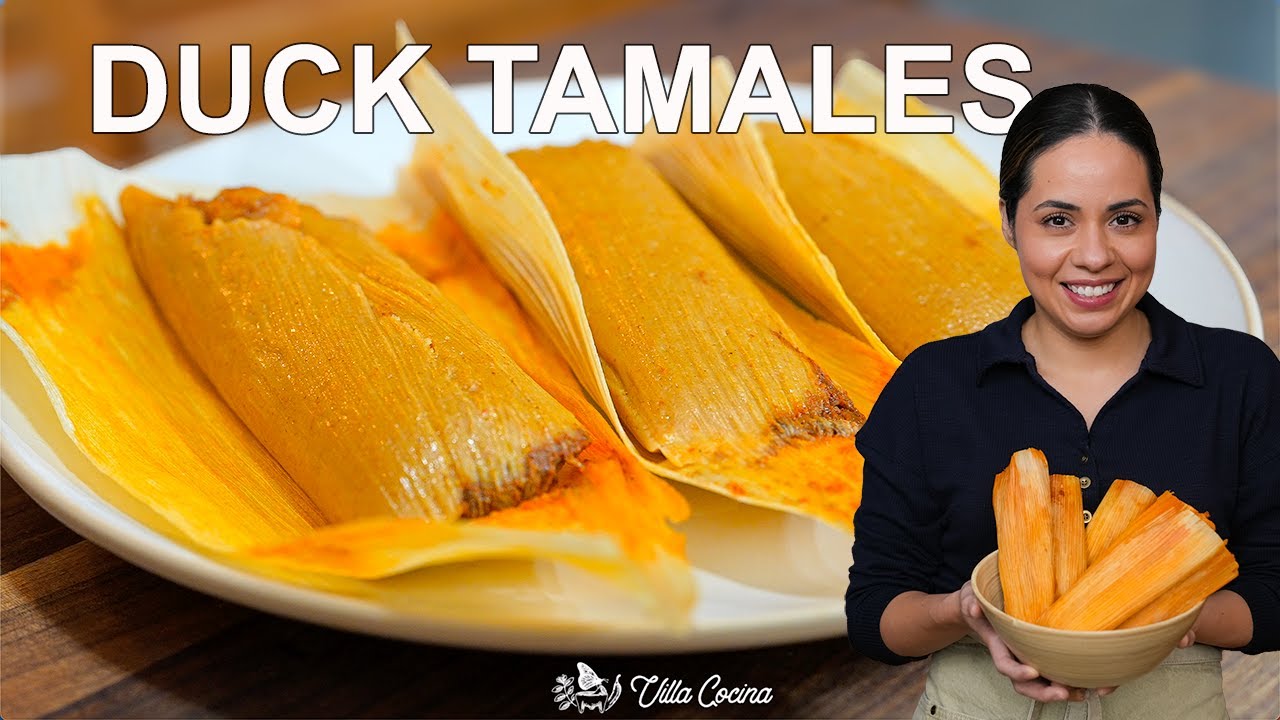
Specialty poultry gourmet tamale variety: Duck tamales represent premium poultry preparation using rich duck meat creating sophisticated flavor profiles in traditional masa preparation.
Core Entity Information
- Primary attribute: Duck meat providing rich, distinctive poultry flavor
- Classification: Gourmet tamale, premium poultry, specialty preparation
- Key identifier: Duck preparation maintaining meat richness and traditional techniques
- Established: Specialty Mexican preparation with gourmet positioning
Operational Attributes
- Location/Geography: Upscale Mexican restaurants, specialty food services
- Scale/Size: Limited production due to specialty ingredient availability
- Industry Focus: Fine dining establishments, gourmet catering, culinary education
- Business Model: Premium pricing reflecting specialty poultry costs
Semantic Relationships
- Parent Categories: Gourmet tamales, specialty poultry, premium ingredients
- Related Entities: What wine goes with duck, gourmet poultry preparations, specialty meats
- Attributes Network: Duck preparation, rich flavors, specialty seasonings, premium masa
- Value Propositions: Unique poultry experience with traditional Mexican preparation
Contextual Significance
- Market Position: Ultra-premium specialty tamale category
- Notable Features: Rich duck flavor with traditional masa techniques
- Recognition/Achievements: Gourmet Mexican cuisine innovation
- Impact/Influence: Demonstrates Mexican cuisine adaptability to premium ingredients
FAQ on Types Of Tamales
What’s the difference between red and green chile tamales?
Red chile tamales use dried peppers like guajillo and ancho for deep, complex flavors. Green chile tamales feature fresh roasted peppers including poblano, Anaheim, or jalapeño varieties.
The preparation methods differ significantly. Red sauce requires soaking and blending dried chiles, while green versions use charred fresh peppers.
How many types of tamales exist in Mexican cuisine?
Mexican cuisine features dozens of tamale varieties across different regions. Traditional categories include meat tamales (pork, chicken, beef), cheese versions, bean preparations, and sweet dessert varieties.
Regional specialties add even more diversity. Each Mexican state contributes unique filling combinations and preparation techniques passed through generations.
Are sweet tamales actually Mexican or just American adaptations?
Sweet tamales represent authentic Mexican tradition dating back centuries. Classic varieties include cinnamon-raisin combinations often colored pink, pineapple versions, and chocolate preparations.
These dessert tamales appear throughout Mexico during holidays. Christmas celebrations frequently feature both savory and sweet varieties alongside traditional Mexican hot chocolate.
What makes vegetarian tamales different from meat versions?
Vegetarian tamales use plant proteins like refried beans, cheese, or vegetable combinations instead of meat fillings. The masa preparation remains identical to traditional versions.
Bean tamales rank among the most popular vegetarian options. Cheese and jalapeño combinations also provide satisfying alternatives for non-meat eaters.
Which tamale variety is best for beginners to make?
Cheese tamales offer the easiest starting point for home cooks. They require minimal filling preparation and cook faster than complex meat varieties.
Bean tamales also work well for beginners. The filling uses simple refried beans, eliminating lengthy meat cooking processes required for traditional varieties.
How do banana leaf tamales differ from corn husk versions?
Banana leaves provide different flavor profiles compared to corn husks. The leaves impart subtle herbal notes while creating more moisture during steaming.
Preparation techniques vary slightly between wrapping methods. Banana leaves require brief heating to make them pliable, while corn husks need soaking in hot water.
What’s the most popular tamale variety in Mexico?
Pork tamales with red chile sauce remain the most recognized variety throughout Mexico. This traditional preparation appears at virtually every celebration and holiday gathering.
Regional preferences vary significantly across Mexican states. Northern regions favor beef varieties, while coastal areas often prefer seafood-based preparations.
Can you freeze different types of tamales the same way?
Most tamale varieties freeze identically when uncooked. Wrap individual tamales in plastic before placing in freezer bags for up to six months storage.
Cheese tamales require careful reheating to prevent overcooking. Steam frozen tamales directly without thawing for best texture results.
What wine pairs best with different tamale types?
Red wine complements meat tamales perfectly. Tempranillo pairs excellently with pork varieties, while Malbec works well with beef tamales.
White wines suit cheese and vegetarian versions. Sauvignon Blanc enhances green chile varieties, while Riesling balances spicy jalapeño preparations.
How long do different tamale types take to steam?
Standard tamales require 60-90 minutes steaming time depending on size and filling density. Cheese varieties cook fastest at approximately one hour.
Sweet tamales often need less time due to their lighter texture. Always test doneness by checking if masa pulls away cleanly from corn husks.
Conclusion
Understanding the diverse types of tamales opens doors to appreciating one of Mexico’s most treasured culinary traditions. From traditional masa harina preparations to innovative fusion varieties, each tamale tells a story of regional culture and family heritage.
The journey from simple corn dough to complex flavor combinations showcases Mexican cuisine’s incredible depth. Regional specialties like Oaxacan cheese tamales and Texas-style bean varieties demonstrate how geography shapes culinary identity.
Whether you prefer savory filling combinations or sweet dessert varieties, tamales offer something for every palate.
The steaming process transforms basic ingredients into comfort food that brings families together during celebrations.
Modern adaptations haven’t diminished traditional techniques passed through generations. Home cooks and professional chefs continue honoring authentic preparation methods while experimenting with contemporary ingredients.
Next time you encounter tamales at a Mexican restaurant or holiday gathering, you’ll appreciate the cultural significance behind each carefully wrapped bundle. These corn husk treasures represent more than food – they embody community, tradition, and the enduring power of shared meals.


