

Your tamale success depends entirely on one crucial decision. The best meat for tamales can transform ordinary masa into something your family will request for every holiday.
Most home cooks struggle with meat selection because different cuts require completely different cooking methods. Pick the wrong protein and you’ll end up with dry, flavorless filling that ruins hours of work.
This guide breaks down exactly which meats work best for traditional Mexican tamales. You’ll learn specific cuts, cooking techniques, and seasoning combinations that create tender, juicy fillings.
By the end, you’ll know how to choose pork shoulder over other cuts, why chicken thighs pair better with certain spices, and when beef chuck roast makes the perfect tamale filling. We’ll also cover preparation methods that guarantee moist, flavorful results every time.
Your tamale success depends entirely on one crucial decision. The best meat for tamales can transform ordinary masa into something your family will request for every holiday.
Most home cooks struggle with meat selection because different cuts require completely different cooking methods. Pick the wrong protein and you’ll end up with dry, flavorless filling that ruins hours of work.
This guide breaks down exactly which meats work best for traditional Mexican tamales. You’ll learn specific cuts, cooking techniques, and seasoning combinations that create tender, juicy fillings.
By the end, you’ll know how to choose pork shoulder over other cuts, why chicken thighs pair better with certain spices, and when beef chuck roast makes the perfect tamale filling. We’ll also cover preparation methods that guarantee moist, flavorful results every time.
Best Meat For Tamales
| Meat Type | Fat Content & Texture | Cooking Time & Method | Flavor Profile & Best Use |
|---|---|---|---|
| Pork Shoulder | High marbling, tender when slow-cooked, self-basting fat content | 4-6 hours braising, pressure cooking 90 minutes | Rich, savory, traditional choice for carnitas-style tamales |
| Beef Chuck Roast | Well-marbled, becomes fork-tender, good fat distribution | 3-5 hours slow cooking, 2 hours pressure cooking | Bold beef flavor, ideal for red sauce tamales, shreds easily |
| Chicken Thighs | Dark meat richness, stays moist, natural fat content | 2-3 hours simmering, 45 minutes pressure cooking | Mild, versatile flavor, perfect for verde tamales, budget-friendly |
| Beef Short Ribs | Extremely fatty, gelatinous texture, ultimate tenderness | 6-8 hours braising, 3 hours pressure cooking | Intense beef flavor, premium option, restaurant-quality results |
| Pork Butt | High fat content, excellent marbling, stays juicy | 5-7 hours low and slow, 2 hours pressure cooking | Classic pork flavor, most authentic for traditional Mexican tamales |
| Duck | Very high fat, rich texture, renders significant fat | 3-4 hours confit-style, 90 minutes pressure cooking | Gourmet option, pairs with fruit salsas, specialty tamales |
| Lamb Shoulder | Moderate fat, distinctive texture, needs careful preparation | 4-5 hours braising, season heavily, 2 hours pressure cooking | Unique gamey flavor, Mediterranean-inspired tamales, specialty cuisine |
| Turkey Thighs | Lean dark meat, moderate fat, healthier option | 2-3 hours simmering, 60 minutes pressure cooking | Mild poultry flavor, holiday tamales, lower-fat alternative |
Pork Shoulder

Best meat for tamales starts with this classic cut that delivers perfect texture and moisture retention. This well-marbled shoulder cut provides exceptional flavor development through slow cooking methods essential for traditional tamale preparation.
Fat Content and Texture
Contains 15-20% fat throughout the muscle fibers.
The marbled fat renders slowly during braising, creating tender shreds that absorb seasonings perfectly. Connective tissues break down after 2-3 hours of cooking, producing moist filling.
Flavor Profile
Rich, deep pork flavor with subtle sweetness.
Excellent seasoning absorption makes it ideal for chile-based sauces. Pairs exceptionally well with cumin, garlic, and dried chiles like guajillo and ancho.
Preparation Method
Slow braising in liquid for 2.5-3 hours until fork-tender.
Cook at 275°F or simmer on stovetop. Shred with forks when cooled to room temperature for optimal texture.
Regional Preference
Traditional choice throughout Mexico, especially central and northern regions.
Standard filling in Christmas tamales. Primary meat for tamales rojos in Mexican households.
Cost and Availability
Budget-friendly option at $3-6 per pound.
Available year-round at most grocery stores. One pound raw yields approximately 2.5 cups shredded cooked meat.
Beef Chuck Roast

Beef chuck roast transforms into incredibly tender tamale filling with proper braising technique. This well-marbled shoulder cut contains enough fat to stay moist during extended cooking times.
Fat Content and Texture
20-25% fat content distributed throughout the cut.
Connective tissues break down completely during slow cooking. Creates fork-tender strands perfect for tamale filling when braised properly.
Flavor Profile
Bold, robust beef taste with earthy undertones.
Absorbs chile flavors deeply during cooking. Works perfectly with red wine marinades and traditional Mexican seasonings.
Preparation Method
Braise in liquid for 2-3 hours until completely tender.
Sear first for better flavor development, then cook covered at 325°F. Shred against grain for optimal texture.
Regional Preference
Popular in northern Mexico and southwestern United States.
Preferred choice in Texas-style tamales. Common filling for tamales de res during holiday celebrations.
Cost and Availability
Moderately priced at $4-8 per pound.
Readily available at butcher shops and grocery stores. Yields 2-3 cups shredded meat per pound raw weight.
Chicken Thighs

Chicken thighs provide superior moisture and flavor compared to breast meat for tamale applications. The higher fat content prevents drying during steaming process.
Fat Content and Texture
Contains 8-12% fat naturally distributed throughout the meat.
Stays tender and juicy during cooking without becoming stringy. Dark meat texture holds up better to shredding than white meat.
Flavor Profile
Rich chicken flavor with subtle depth from dark meat.
Absorbs green chile sauces exceptionally well. Complements Asian food flavor profiles when paired with ginger and soy.
Preparation Method
Simmer in seasoned broth for 45-60 minutes until tender.
Cook at gentle heat to prevent toughening. Remove skin after cooking, then shred into bite-sized pieces.
Regional Preference
Standard throughout Mexico for tamales verdes.
Popular choice in Oaxaca and southern Mexican regions. Often combined with tomatillo-based sauces.
Cost and Availability
Economical option at $2-4 per pound.
Available at all grocery stores year-round. One pound yields approximately 2 cups cooked shredded meat.
Beef Short Ribs

Beef short ribs create exceptionally rich tamale filling with intense flavor development. The high connective tissue content breaks down into gelatin during cooking.
Fat Content and Texture
25-30% fat content with substantial marbling.
Becomes incredibly tender after long braising. Creates silky, moist filling with deep flavor concentration.
Flavor Profile
Intense, concentrated beef flavor with wine-like depth.
Pairs excellently with dark mole sauces. Complements Cabernet Sauvignon reductions in modern preparations.
Preparation Method
Braise for 3-4 hours until meat falls off bone.
Cook low and slow at 275°F covered. Remove bones when cooled, shred meat with natural juices.
Regional Preference
Specialty preparation in upscale Mexican restaurants.
Growing popularity in fusion tamale preparations. Traditional in some Korean-Mexican crossover dishes.
Cost and Availability
Premium option at $8-12 per pound.
Available at butcher shops and specialty markets. Yields 1.5-2 cups meat per pound due to bone weight.
Pork Butt

Pork butt delivers identical results to pork shoulder with slightly different fat distribution. This Boston butt cut provides excellent value and consistent texture.
Fat Content and Texture
18-22% fat content with good marbling throughout.
Identical cooking behavior to pork shoulder. Shreds beautifully after proper braising time.
Flavor Profile
Classic pork flavor with sweet undertones.
Excellent vehicle for traditional Mexican spice blends. Pairs well with both red and green chile preparations.
Preparation Method
Slow cook 6-8 hours in crockpot or 3 hours braised.
Cook until internal temperature reaches 200°F for optimal shredding. Reserve cooking liquid for masa preparation.
Regional Preference
Interchangeable with pork shoulder in all Mexican regions.
Standard choice for large-batch tamale production. Popular for tamaladas (tamale-making parties).
Cost and Availability
Budget-friendly at $3-5 per pound.
Widely available in larger cuts for bulk preparation. One pound yields 2.5-3 cups cooked filling.
Duck
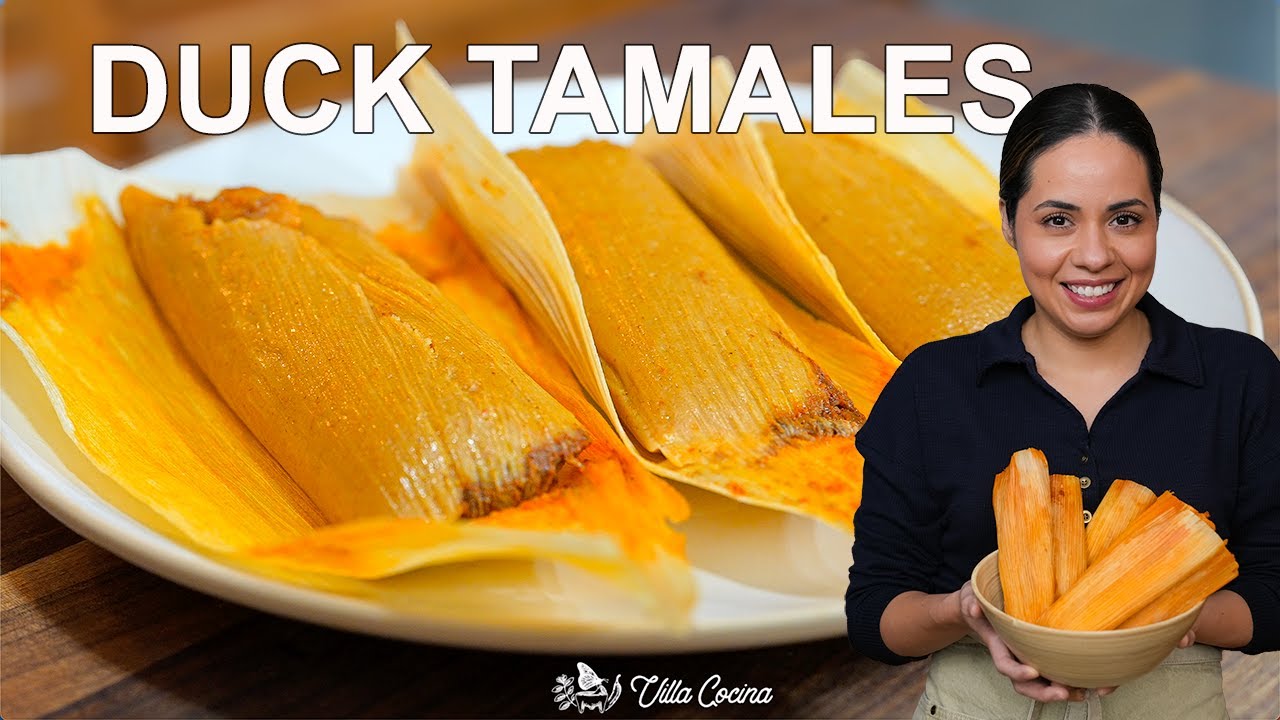
Duck creates luxurious tamale filling with unmatched richness and depth. The high fat content produces incredibly moist results with complex flavor development.
Fat Content and Texture
30-35% fat content, highest among tamale meats.
Extremely tender when braised properly. Fat renders beautifully, creating self-basting effect during cooking.
Flavor Profile
Rich, gamey flavor with subtle sweetness.
Works exceptionally with mole negro and complex spice blends. Traditional pairing with Pinot Grigio in contemporary preparations.
Preparation Method
Braise legs and thighs for 2-3 hours until tender.
Render skin first to collect fat for masa preparation. Shred meat and combine with reduced cooking liquid.
Regional Preference
Traditional in Michoacán and central Mexican highlands.
Associated with Purépecha indigenous cooking traditions. Considered luxury filling for special occasions.
Cost and Availability
Premium pricing at $12-18 per pound.
Available at specialty butchers and Asian markets. Yields 1.5 cups meat per pound due to bone content.
Lamb Shoulder

Lamb shoulder provides distinctive flavor profile perfect for festive tamale preparations. The moderate fat content creates tender, flavorful filling with Mediterranean influences.
Fat Content and Texture
15-18% fat content with fine marbling.
Becomes fork-tender after braising. Slightly firmer texture than pork but equally moist when cooked properly.
Flavor Profile
Distinctive lamb flavor with earthy, herbaceous notes.
Pairs beautifully with Mexican oregano and cumin. Complements red wine reductions and dried chile preparations.
Preparation Method
Braise for 2.5-3 hours until completely tender.
Season heavily with salt and pepper before searing. Cook covered at 325°F with aromatic vegetables.
Regional Preference
Specialty of northern Mexico and Middle Eastern-influenced regions.
Popular in Lebanese-Mexican fusion cuisine. Traditional for Easter celebrations in some families.
Cost and Availability
Mid-range pricing at $6-10 per pound.
Available at specialty butchers and Middle Eastern markets. One pound yields 2-2.5 cups shredded meat.
Turkey Thighs

Turkey thighs offer lean alternative with good moisture retention for health-conscious tamale making. Dark meat provides better texture than turkey breast.
Fat Content and Texture
6-8% fat content, leaner than other options.
Stays moist better than turkey breast meat. Shreds easily when cooked to proper doneness without drying out.
Flavor Profile
Mild turkey flavor that accepts seasonings well.
Neutral base for bold Mexican spice combinations. Works well with both traditional and modern flavor profiles.
Preparation Method
Simmer in seasoned broth for 1.5-2 hours until tender.
Monitor carefully to prevent overcooking. Remove skin after cooking, shred into uniform pieces.
Regional Preference
Growing popularity as healthy alternative throughout Mexico.
Common in diet-conscious regions. Popular choice for Thanksgiving dinner leftover tamales.
Cost and Availability
Moderate pricing at $4-7 per pound.
Available seasonally with peak availability during holidays. Yields 2.5 cups cooked meat per pound raw weight.
FAQ on Best Meat For Tamales
Can I use chicken breast instead of thighs for tamales?
Chicken breast works but tends to dry out during steaming. Chicken thighs contain higher fat content that keeps filling moist and flavorful.
Dark meat absorbs seasonings better than white meat. The additional fat prevents the stringy texture that often occurs with breast meat in tamale preparation.
What’s the difference between pork shoulder and pork butt for tamales?
Both cuts produce identical results with minimal differences. Pork shoulder and pork butt come from the same muscle group with similar fat content and cooking behavior.
Choose based on availability and price. Both require the same slow cooking methods and shred perfectly for traditional tamale filling.
How much meat do I need per tamale?
Plan approximately 1-2 tablespoons of shredded meat per tamale. One pound of raw meat typically yields 2-3 cups of cooked filling, enough for 24-36 tamales.
Calculate based on your tamale size preferences. Larger tamales require more filling, while smaller ones need less meat per piece.
Is duck too fatty for tamales?
Duck’s high fat content creates incredibly rich, moist tamales. The rendered fat can be incorporated into masa dough for enhanced flavor and texture.
Use duck sparingly or mix with leaner meats to balance richness. The fat helps prevent drying during the steaming process.
Can I mix different meats in one batch of tamales?
Combining meats creates complex flavor profiles and varied textures. Beef chuck roast mixed with pork shoulder produces excellent results with balanced fat content.
Ensure all meats reach proper tenderness during cooking. Different cuts may require adjusted cooking times to achieve uniform texture throughout the batch.
What’s the most budget-friendly meat for large batches?
Pork shoulder offers the best value at $3-6 per pound with excellent flavor development. Chicken thighs provide another economical option with good moisture retention.
Buy in bulk during sales for additional savings. Both cuts freeze well before cooking, making advance preparation possible for large tamale-making sessions.
How do I know when the meat is tender enough for tamales?
Properly cooked tamale meat should shred easily with two forks without resistance. The internal temperature should reach at least 200°F for collagen breakdown.
Test by attempting to shred a small piece. If it falls apart effortlessly, the meat is ready for seasoning and filling preparation.
Can I use leftover roast or steak for tamales?
Leftover meats work but may lack the ideal texture for tamales. Slow-cooked cuts produce better results than quick-cooked steaks or roasts.
Chop leftovers finely and mix with flavorful sauce to improve texture. Add cooking liquid or broth to restore moisture lost during initial cooking.
Should I remove all fat from the meat before cooking?
Keep some fat for flavor and moisture retention during cooking. Remove only excess external fat, leaving marbled fat throughout the muscle intact.
The fat renders during cooking, basting the meat naturally. Too little fat results in dry, less flavorful tamale filling that doesn’t hold together well.
What meats should I avoid for tamales?
Avoid lean cuts like turkey breast, eye of round, or tenderloin that dry out easily. These cuts lack the fat content necessary for proper tamale filling texture.
Skip fish or delicate meats that break apart completely. Stick with tough, well-marbled cuts that become tender through slow braising methods.
Conclusion
Selecting the best meat for tamales transforms your home cooking from ordinary to extraordinary. The right protein creates the foundation for authentic flavors that rival professional kitchens and family traditions.
Fat content determines final texture more than any other factor. Well-marbled cuts like chuck roast and pork butt deliver superior moisture retention during the steaming process.
Preparation method matters just as much as meat selection. Slow braising breaks down tough fibers while developing complex flavors that penetrate every strand of filling.
Regional preferences offer guidance but shouldn’t limit experimentation. Mexican cuisine embraces innovation within traditional frameworks, allowing creative cooks to explore duck, lamb, and fusion combinations.
Cost considerations make pork shoulder and chicken thighs practical choices for large batches.
These economical options don’t compromise on taste when seasoned properly with cumin, garlic, and dried chiles.
Temperature control during cooking prevents common mistakes that lead to dry, stringy results. Monitor internal doneness and shred when cooled for optimal texture in your finished tamales.
Start with traditional cuts, master the techniques, then explore premium options as your confidence grows.


