

Nothing’s worse than biting into a tamale that’s scorching hot on the outside but ice cold in the center.
Most people struggle with how to microwave tamales properly, ending up with dried-out corn husks and rubbery masa dough. The microwave seems like the obvious choice for quick reheating, but it’s actually the trickiest method to master.
Here’s the thing: tamales have multiple layers that heat at different rates. The masa texture requires careful moisture retention while the filling needs even heating distribution.
This guide walks you through foolproof techniques that prevent the most common microwave mistakes. You’ll learn proper power level settings, timing charts for different tamale sizes, and steam generation methods that keep your tamales perfectly moist.
Whether you’re dealing with frozen tamales from the freezer or leftover homemade ones, these methods work every time. No more guessing games or disappointing results.
Preparation Methods for Perfect Results

Assessing Your Tamales First
Check if your tamales are fresh, refrigerated, or frozen before starting. This determines your heating approach completely.
Frozen tamales need defrosting time while fresh ones require gentler warming. The difference matters more than most people realize.
Essential Prep Steps
Remove any plastic wrapping but keep corn husks intact. The husks act as natural steam chambers during microwave heating.
Examine the masa texture by gently pressing through the husk. Firm masa indicates proper wrapping while soft spots suggest moisture issues.
Moisture Retention Setup
Place tamales on a microwave-safe dish with raised edges. This prevents spillage during steam generation.
Add 2-3 tablespoons of water around the tamales, not directly on top. The water creates essential steam environment for even heating.
Cover with a damp paper towel or microwave-safe lid. This traps moisture that prevents the masa from becoming rubbery.
Step-by-Step Microwave Techniques

The Damp Paper Towel Method
Wrap each tamale individually in a damp paper towel. This creates a personal steam pocket for consistent results.
Arrange wrapped tamales in a circle pattern on your microwave-safe container. Never stack them or place in the center.
Set power to 50% and start with 1-2 minutes for single tamales. The lower power prevents hot spots that ruin texture.
Steam Method Using Microwave-Safe Dish
Place tamales seam-side down in a shallow, microwave-safe dish. The seam placement prevents unwrapping during heating.
Add water to create a moisture barrier around the base. Use just enough to cover the bottom without submerging tamales.
Cover tightly with microwave-safe plastic wrap or a fitted lid. Proper sealing ensures steam stays trapped inside.
Heat at 60% power for 2-3 minutes, then check progress. Steam should be visible when you lift the cover.
Rotating Method for Even Heating
Position tamales like spokes on a wheel around the dish edge. This uses the microwave’s heating patterns effectively.
Heat for half the estimated time, then manually rotate each tamale 180 degrees. This prevents cold centers.
Continue heating in 30-second intervals until done. Check internal temperature reaches 165°F for food safety.
Timing and Power Settings That Actually Work
Power Level Guidelines
50% power works best for most tamale sizes and prevents texture disasters. High power creates uneven heating that’s impossible to fix.
Adjust for your microwave wattage by testing with one tamale first. Every machine heats differently despite similar ratings.
Lower wattage microwaves (700W or less) may need 60-70% power. Higher wattage units (1000W+) should stick to 40-50%.
Timing Charts by Tamale Size
Small tamales (2-3 inches): 1-2 minutes refrigerated, 2-3 minutes frozen at 50% power.
Standard tamales (4-5 inches): 2-3 minutes refrigerated, 4-5 minutes frozen with same power settings.
Large tamales (6+ inches): 3-4 minutes refrigerated, 5-7 minutes frozen, checking every 2 minutes.
Frozen vs Refrigerated Timing
Refrigerated tamales need gentle warming to prevent moisture loss. Start with shorter intervals and check frequently.
Frozen tamales require defrosting consideration before main heating. Allow 1-2 minutes at 30% power first.
Never rush frozen tamale heating with high power. The temperature difference between outside and center causes texture problems.
Safety Temperature Checks
Use a food thermometer to verify internal temperature reaches 165°F. Visual cues alone aren’t reliable for safety.
Insert the thermometer into the thickest part of the filling. Steam visibility doesn’t guarantee proper heating throughout.
Let tamales rest for 1-2 minutes after microwaving. This allows heat to distribute evenly before serving.
Troubleshooting Common Problems
Fixing Dry or Rubbery Tamales
Overcooked tamales happen when power levels are too high or heating time exceeds recommendations. The masa becomes tough and chewy.
Rescue them by wrapping in damp paper towels and heating at 30% power for 30-60 seconds. This adds moisture back gradually.
Brush the masa lightly with warm broth or water before re-wrapping. The liquid penetrates the surface and softens the texture.
Dealing with Cold Centers
Cold centers result from rushing the heating process with high power settings. Uneven heating creates this frustrating problem.
Continue heating at reduced power (30-40%) in 30-second intervals. Check temperature after each cycle to prevent overcooking the outside.
Let tamales rest for 2-3 minutes between heating cycles. This allows heat to redistribute naturally throughout the masa.
Preventing Corn Husk Issues
Dried husks stick to the masa and tear when removed. This happens when moisture escapes during heating.
Keep husks slightly damp by misting with water before microwaving. Never remove husks before heating is complete.
If husks stick, let tamales cool for 5 minutes before unwrapping. The masa firms up and releases more easily when not scorching hot.
Peel husks carefully from the seam side first. Work slowly to avoid tearing the delicate masa surface underneath.
Safety and Quality Control

Temperature Guidelines for Safe Eating
Internal temperature must reach 165°F throughout the entire tamale for food safety standards. Surface heat doesn’t indicate doneness.
Use a digital food thermometer inserted into the thickest part of the filling. Probe-style thermometers work better than infrared for accuracy.
Steam visibility isn’t a reliable indicator of proper heating. Dense fillings take longer to reach safe temperatures than the surrounding masa.
Proper Storage Before Reheating
Refrigerated tamales stay good for 3-5 days when stored in airtight containers. Never leave at room temperature beyond 2 hours.
Frozen tamales maintain quality for 2-3 months in freezer-safe wrapping. Label with dates to track freshness accurately.
Thaw frozen tamales in the refrigerator overnight before microwaving. This prevents uneven heating and texture problems.
Signs Tamales Have Gone Bad
Look for mold, unusual odors, or slimy texture on the masa or husks. These indicate spoilage that makes tamales unsafe.
Sour smells or off-flavors mean bacterial growth has started. When in doubt, discard rather than risk food safety issues.
Fresh tamales should smell slightly corn-sweet and feel firm through the husk. Mushiness suggests deterioration.
Alternative Methods for Comparison
When Steaming Might Be Better
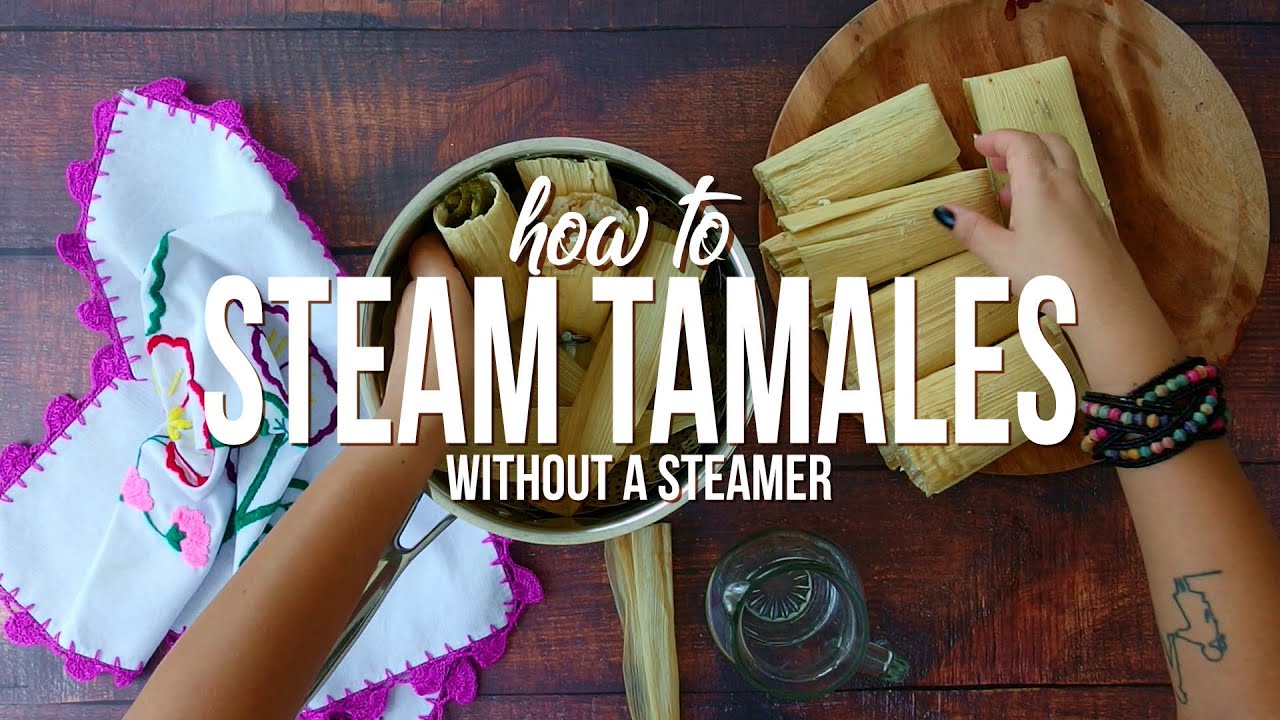
Traditional steaming produces more consistent results but requires 15-20 minutes setup time. The texture stays closer to original quality.
Batch reheating works better with steamers when warming multiple tamales. Microwaves handle 1-4 tamales most efficiently.
Steaming preserves the authentic masa texture that some people prefer. The gentler heat distribution prevents rubbery results.
Oven Reheating as Backup Option
Oven methods take 20-30 minutes but handle larger quantities effectively. Wrap tamales in foil with a tablespoon of water for moisture.
Temperature control is more precise in ovens compared to microwave hot spots. Set to 350°F and check after 15 minutes.
Combining methods works well for stubborn cold centers. Start with microwave heating, then finish in a low oven if needed.
Equipment Requirements Comparison
Microwaves need only basic containers and paper towels. Kitchen convenience makes this the fastest option for single servings.
Steamers require specialized baskets and longer preparation time. The investment pays off for frequent tamale reheating.
Ovens use more energy but handle family-sized portions efficiently. Consider your typical serving size when choosing methods.
Time Investment Analysis
| Method | Setup Time | Heating Time | Total Time |
|---|---|---|---|
| Microwave | 1 minute | 2-5 minutes | 3-6 minutes |
| Steamer | 5 minutes | 15-20 minutes | 20-25 minutes |
| Oven | 2 minutes | 20-30 minutes | 22-32 minutes |
Microwave wins for speed but steaming produces superior texture quality. Choose based on your priorities and available time.
When Combining Methods Works Best
Start with microwave defrosting for frozen tamales, then finish with steaming. This balances speed with quality results.
Use microwave for initial heating, then oven crisping if you prefer firmer masa texture. The two-step process maximizes both methods’ strengths.
FAQ on How To Microwave Tamales
Can you microwave tamales with corn husks on?
Yes, keep the corn husks on during microwaving. They act as natural steam pockets that prevent moisture loss.
The husks protect the masa from drying out and help distribute heat evenly. Remove husks only after heating is complete.
What power level should I use for frozen tamales?
Use 50% power for frozen tamales to ensure even heating distribution. High power creates hot spots while leaving centers cold.
Start with defrosting for 2-3 minutes, then continue at medium power. This prevents rubbery texture issues.
How long does it take to microwave one tamale?
A single tamale takes 1-2 minutes at 50% power if refrigerated, 3-4 minutes if frozen.
Larger tamales need additional 30-60 seconds. Always check internal temperature reaches 165°F for food safety.
Should I add water when microwaving tamales?
Place a damp paper towel over tamales or add 2 tablespoons water to the microwave-safe dish. This creates essential steam for moisture retention.
Without added moisture, masa becomes dry and tough. Steam generation is key to proper reheating.
Why do my microwaved tamales turn out dry?
Moisture loss happens when power levels are too high or heating time is excessive. The microwave’s uneven heating patterns cause this issue.
Use medium power, cover with damp towels, and heat in shorter intervals. Rotate halfway through cooking.
Can I microwave tamales without defrosting them first?
Yes, but add extra time and use lower power settings. Frozen tamales need careful temperature control to prevent uneven heating.
Start at 30% power for 2 minutes, then increase to 50%. This gradual approach prevents texture problems.
How do I know when microwaved tamales are done?
The masa should feel firm but not hard when gently pressed. Internal temperature must reach 165°F throughout.
Steam should be visible when you unwrap the husk. Cold centers indicate more heating time is needed.
What’s the best way to prevent corn husks from drying out?
Wrap tamales in microwave-safe containers or cover with damp paper towels before heating. This traps essential moisture.
Never microwave unwrapped tamales. The husks need steam to stay pliable and protect the filling inside.
Can I reheat multiple tamales at once in the microwave?
Yes, but arrange them in a circle pattern for even heating distribution. Don’t stack or overcrowd the microwave-safe dish.
Add 1-2 minutes to total heating time per additional tamale. Rotate the dish halfway through for better results.
How do I fix tamales that are hot outside but cold inside?
Reduce power to 30% and continue heating in 30-second intervals. High microwave wattage often causes this problem.
Cover with damp towels and let rest for 1 minute between heating cycles. This allows heat to distribute evenly.
Conclusion
Mastering how to microwave tamales transforms your leftover meal experience completely. The key lies in understanding that masa dough and filling types require different heating approaches.
Power level selection makes the biggest difference in final results. Medium settings prevent hot spots while ensuring thorough warming throughout.
Steam generation through damp paper towels or water creates the moisture barrier that traditional steaming provides. This prevents the dreaded rubbery texture that ruins perfectly good tamales.
Temperature testing with a food thermometer takes the guesswork out of doneness. Internal readings of 165°F guarantee food safety while preserving authentic flavors.
Timing varies significantly between frozen and refrigerated tamales. Patience with defrosting time prevents uneven heating distribution that leaves cold centers.
Whether you’re warming store-bought tamales or homemade versions, these microwave techniques deliver consistent results. Your corn husk wrapping stays intact while the filling reaches perfect serving temperature every time.


