

Nothing beats the moment you unwrap a perfectly steamed tamale and watch that tender masa dough pull away from the corn husk like silk. Yet getting that ideal texture requires more than just throwing them in a pot with some water.
Learning how to steam tamales properly transforms dense, gummy disasters into light, fluffy perfection that melts in your mouth.
Most home cooks struggle with the steaming process because they don’t understand the science behind gentle heat distribution and proper steam circulation.
The difference between soggy tamales and restaurant-quality results comes down to mastering a few key techniques that Mexican grandmothers have perfected over generations.
This guide walks you through every step of the traditional tamale steaming process. You’ll discover the optimal water levels, cooking time guidelines, and doneness testing methods that guarantee perfect texture every time.
By the end, you’ll know exactly how to position your tamales, maintain proper steam pressure, and avoid the common mistakes that ruin homemade batches.
Equipment and Setup for Steaming

Steamer Options
A traditional tamalera pot gives you the most authentic results. These tall, narrow pots create ideal steam circulation for even cooking.
Standard steamer baskets work well too. Look for ones with adjustable legs that fit various pot sizes.
Alternative Steaming Setups
No steamer? Place an inverted heat-proof bowl in a large pot. Arrange tamales around the bowl’s edges.
A colander lined with corn husks creates another makeshift steaming solution. Just ensure it fits snugly in your pot.
Water Management Basics
Fill your pot with 2-3 inches of water. The water should never touch the tamales directly.
Hot water speeds up the initial steam production. Cold water works but adds 10-15 minutes to your cooking time.
Adding Aromatics
Bay leaves or garlic cloves in the steaming water infuse subtle flavor. Skip this if you prefer pure masa taste.
Some cooks add a splash of beer or broth. The liquid barely affects taste but adds traditional flair.
Steamer Basket Preparation
Line your basket with extra corn husks or parchment paper. This prevents sticking and makes removal easier.
Create small gaps between lining pieces. Steam circulation needs clear pathways to reach all tamales.
Preparation Steps Before Steaming

Tamale Inspection and Sorting
Check each corn husk for tears or holes. Damaged wrapping leads to filling leakage during cooking.
Sort tamales by size and filling type. Different sizes need adjusted cooking times.
Proper Arrangement Techniques
Stand tamales upright with open ends facing up. This positioning technique prevents filling from spilling out.
Leave small spaces between each tamale. Overcrowding blocks steam flow and creates uneven cooking.
Grouping by Cook Time
Place larger tamales on the outside where heat hits first. Smaller ones go in the center.
Sweet tamales often cook faster than meat-filled ones. Group similar types together.
Pre-steaming Checks
Verify your water level one final time. Too little water stops steam production mid-cook.
Test your lid fit. Gaps let steam escape and extend cooking time significantly.
Check that no tamales touch the water directly. This creates soggy bottoms instead of fluffy masa texture.
The Steaming Process Step-by-Step
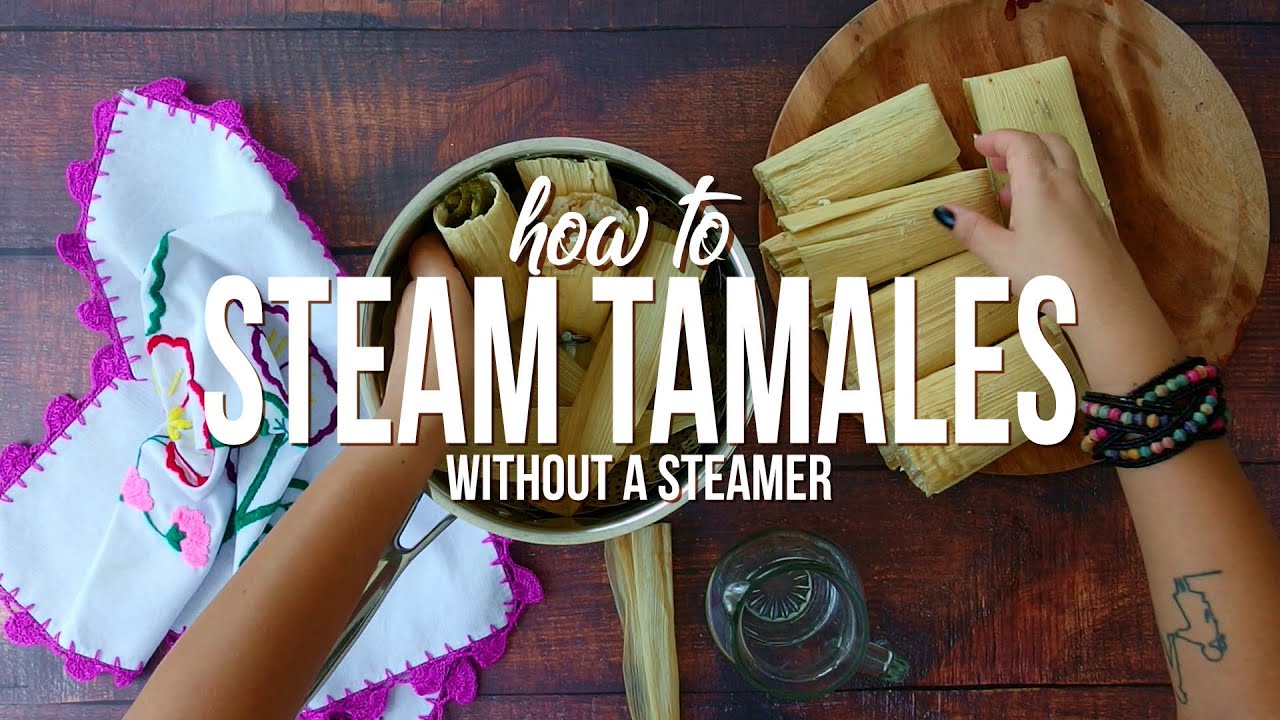
Initial Setup and Heating
Bring water to a rolling boil over high heat. You want aggressive steam production from the start.
Reduce to medium-high once steam appears. Temperature control prevents water from evaporating too quickly.
Loading and Positioning Tamales
Use tongs to place tamales in the steamer. Hot steam burns fingers faster than you’d expect.
Fill the steamer systematically. Start from the outside and work toward the center for even heat distribution.
First Hour of Cooking
Cover tightly and resist lifting the lid. Each peek releases steam and resets your cooking timer.
Listen for consistent bubbling sounds. Silence means your water level dropped too low.
Monitoring Water Levels
Check water every 45 minutes by tilting the pot slightly. Add hot water if levels drop below 1 inch.
Never add cold water to a hot pot. The temperature shock affects steam pressure and cooking consistency.
Testing for Doneness
After 60 minutes, test one tamale from the center. The masa dough should pull away from the husk cleanly.
Insert a toothpick into the thickest part. Clean removal means they’re ready.
Final Steam Period
If tamales need more time, add 15-minute intervals. Don’t guess – test frequently during this phase.
Fresh tamales typically need 75-90 minutes total. Frozen tamales require an additional 20-30 minutes.
Safe Removal Techniques
Turn off heat and let steam settle for 2-3 minutes. Rushing this step leads to painful burns.
Use long tongs to lift tamales out. Place them seam-side down on a serving platter immediately.
Monitoring and Testing for Doneness
Visual Inspection Methods
Look for corn husks that have changed color from bright green to darker olive. This signals the masa has absorbed enough steam.
Steam patterns around the pot edges should remain consistent throughout cooking. Irregular patterns indicate uneven heating.
The Toothpick Test
Insert a clean toothpick into the center of the thickest tamale. It should slide in easily and come out clean.
Sticky masa on the toothpick means they need 15-20 more minutes. Test multiple tamales to ensure even cooking.
Husk Peeling Check
Gently peel back a small section of corn husk on one test tamale. The masa should release cleanly without sticking.
If the husk tears the masa surface, continue steaming. Properly cooked masa has a smooth, firm texture.
Internal Temperature Verification
Use an instant-read thermometer to check the center temperature. Tamales are done at 165°F (74°C).
Insert the probe into the masa dough, not the filling. Meat fillings may reach higher temperatures than the surrounding masa.
Testing Multiple Points
Check tamales from different areas of your steamer. Center tamales often cook slower than edge ones.
Size-based variations mean larger tamales need individual testing even when smaller ones appear done.
Troubleshooting Common Steaming Problems
Uneven Cooking Issues
Rotate your steamer basket 180 degrees halfway through cooking. This eliminates hot spot problems in most pots.
Move tamales from edges to center if some cook faster. Don’t be afraid to rearrange during the process.
Dense or Gummy Masa
Texture problems usually stem from insufficient steam or old masa. Check your water levels immediately.
Add boiling water if levels dropped below the minimum. Never use cold water in a hot steaming pot.
Soggy Bottom Syndrome
Tamales touching water directly create soggy bases. Raise your steamer basket or reduce water levels.
Excess condensation dripping from the lid also causes sogginess. Wrap your lid in a clean kitchen towel.
Steam Loss Prevention
Gaps around pot lids release steam and extend cooking times significantly. Use a smaller pot or add towels around the rim.
Heavy lids maintain better steam pressure than lightweight ones. Weight down loose-fitting lids with an oven-safe dish.
Dry or Cracked Tamales
Insufficient humidity creates dry, cracked masa texture. Increase water levels and ensure tight lid seal.
Low heat settings may not generate enough steam. Increase to medium-high and monitor water consumption.
Filling Separation Fixes
Overpacked tamales burst their husks during cooking. Use less filling next time.
Proper sealing techniques prevent most filling leakage issues. Check husk overlap before steaming begins.
Post-Steaming Handling and Serving

Safe Removal Techniques
Turn off heat and let steam pressure reduce for 3-4 minutes. Opening immediately releases scalding steam clouds.
Use long-handled tongs to lift tamales. Heat protection is critical since husks retain steam longer than expected.
Avoiding Burns and Tears
Grip tamales at the tied end, never the middle. The center stays hottest longest.
Set removed tamales seam-side down on plates. This prevents filling from leaking out while cooling.
Optimal Resting Time
Let tamales rest 5-10 minutes before serving. This allows the masa consistency to firm up properly.
Temperature management during resting prevents the masa from becoming too dense or too loose.
Husk Removal Timing
Remove husks just before eating for best texture. Early removal leads to dried-out surfaces.
Keep husks on tamales you’re saving for later. They act as natural moisture barriers during storage.
Serving Temperature Guidelines
Serve tamales warm but not scalding hot. Internal temperatures around 140°F (60°C) are ideal.
Cold tamales taste bland and have dense texture. Reheat gently if they’ve cooled too much.
Garnish and Sauce Pairing
Traditional toppings include Mexican crema, salsa verde, or hot sauce. Each adds different flavor dimensions.
Consider pairing your tamales with what are pupusas for a complete Central American feast.
Presentation Tips
Stand tamales upright on serving platters for visual appeal. The traditional presentation honors the cooking method.
Provide small bowls for discarded husks. Your guests will appreciate the thoughtful touch.
Storage and Reheating Steamed Tamales

Short-term Storage
Refrigeration keeps tamales fresh for 3-5 days maximum. Store them in their original corn husks for best moisture retention.
Place cooled tamales in airtight containers or zip-top bags. Remove excess air to prevent freezer burn formation.
Proper Wrapping Methods
Wrap each tamale individually in plastic wrap before refrigerating. This prevents them from drying out or absorbing other food odors.
Freshness preservation works best when you maintain the original husk barrier. Never remove husks before storage.
Freezing Guidelines
Frozen tamales last up to 6 months when stored properly. Label containers with dates to track storage time.
Flash-freeze tamales on a baking sheet first. Then transfer to freezer bags once solid.
Packaging Techniques
Use vacuum-sealed bags for longest freezer life. Regular freezer bags work but allow more moisture loss over time.
Double-wrap tamales in plastic wrap, then place in freezer containers. This dual-layer protection prevents freezer burn effectively.
Labeling and Dating
Write the filling type and date on each package. Sweet tamales and savory ones look identical when frozen.
Include reheating instructions on labels. Future you will appreciate the time-saving reminder.
Freezer Life Expectations
Properly stored tamales maintain quality for 4-6 months. They remain safe beyond this but lose texture and flavor.
Temperature consistency in your freezer affects storage life. Frequent door opening reduces optimal storage time.
Re-steaming Techniques
The traditional reheating method uses the same steamer setup as original cooking. Add 15-20 minutes for refrigerated tamales.
Frozen tamales need 25-35 minutes of steaming. Don’t thaw first – steam directly from frozen state.
Microwave Alternatives
Wrap tamales in damp paper towels before microwaving. Heat on medium power for 1-2 minutes per tamale.
Microwave reheating works quickly but can create uneven hot spots. Let tamales rest 1 minute before eating.
Maintaining Original Texture
Never remove husks before reheating. They protect the masa from drying out during the heating process.
Add a tablespoon of water to steaming setup when reheating. Extra moisture retention prevents tough, chewy textures.
Oven Method Guidelines
Preheat oven to 325°F and wrap tamales in foil with a splash of water. Heat for 15-20 minutes from refrigerated.
Oven reheating produces more even results than microwaves. Check internal temperature reaches 165°F before serving.
Steam vs. Microwave Comparison
Steaming preserves the original fluffy masa texture better than other methods. It takes longer but delivers superior results.
Microwaving works for quick meals but can make edges tough. Use this method only when time is critical.
Texture Recovery Tips
If reheated tamales seem dry, brush the masa lightly with warm broth. This restores moisture without making them soggy.
Quality indicators after reheating should match freshly steamed tamales. Dry or rubbery texture means overcooking occurred.
FAQ on How To Steam Tamales
How long does it take to steam tamales?
Fresh tamales need 60-90 minutes of steaming time. Frozen tamales require an additional 20-30 minutes.
Size affects cooking duration. Larger tamales take longer than smaller ones.
Can I steam tamales without a steamer basket?
Yes. Use an inverted bowl in a large pot with a tight-fitting lid.
Place tamales around the bowl. This creates proper steam circulation without specialized equipment.
How much water should I use for steaming?
Fill the pot with 2-3 inches of water. Water shouldn’t touch the tamales directly.
Water level management prevents soggy masa while maintaining consistent steam production.
How do I know when tamales are done cooking?
The corn husk peels away easily from the masa. Insert a toothpick into the center.
If it comes out clean and the masa feels firm, they’re ready.
Should tamales be standing up or lying down?
Stand tamales upright with the open end facing up. This prevents filling from leaking out.
Proper positioning allows even heat distribution throughout the cooking process.
What happens if I don’t have enough steam?
Insufficient steam creates dense, undercooked masa. Check water levels every 30 minutes during cooking.
Add hot water if needed to maintain steady steam pressure.
Can I steam frozen tamales directly?
Yes, but increase cooking time by 20-30 minutes. Don’t thaw them first.
Frozen tamale cooking requires consistent steam temperature and patience for best results.
Why are my steamed tamales soggy?
Too much water or direct contact with water causes sogginess. Keep water below the steamer basket.
Texture problems often result from improper steam basket positioning or excessive moisture.
How do I prevent tamales from sticking?
Line the steamer basket with extra corn husks or parchment paper. This creates a non-stick surface.
Check that husks are properly sealed around each tamale before steaming.
Can I reuse the steaming water?
Yes, but strain out any debris first. The water contains no harmful residue.
Some cooks add aromatics like garlic or bay leaves to the steaming water for subtle flavor.
Conclusion
Mastering how to steam tamales transforms your kitchen into a hub of authentic Mexican flavors. The techniques you’ve learned here eliminate guesswork from this traditional cooking method.
Proper steam pressure and consistent temperature control make the difference between professional results and disappointing failures. These fundamentals never change, whether you’re cooking one dozen or fifty.
Your steaming equipment doesn’t need to be fancy or expensive. A simple pot, steamer basket, and tight-fitting lid produce restaurant-quality tamales when used correctly.
Remember that patience pays off during the cooking process. Rushing leads to uneven heating and compromised texture.
The moisture retention methods and positioning techniques you’ve practiced will become second nature with repetition. Each batch teaches you something new about timing and steam management.
Store your perfectly steamed tamales properly to maintain their ideal consistency. What to serve with tamales opens up endless meal possibilities for your homemade creations.
Your family gatherings will never be the same once you’ve mastered this cornerstone of Mexican cuisine.


