

Nothing ruins leftover tamales faster than turning them into dry, crumbly disappointments that bear no resemblance to their original glory.
How to reheat tamales properly means understanding that masa dough needs careful moisture management and gentle heat distribution to maintain its signature texture.
Most people just toss them in the microwave and wonder why they taste like cardboard. The corn husk wrapping isn’t just decoration – it’s your secret weapon for steam cooking that preserves authentic flavors and prevents the filling from drying out.
This guide walks you through proven reheating methods that actually work. You’ll learn steaming techniques, oven approaches, and microwave tricks that keep tamales moist and delicious.
Whether your tamales are refrigerated leftovers or frozen homemade batches, these methods ensure proper temperature control and texture preservation every single time.
Preparing Tamales for Proper Reheating
Assessing Tamale Freshness and Storage Condition
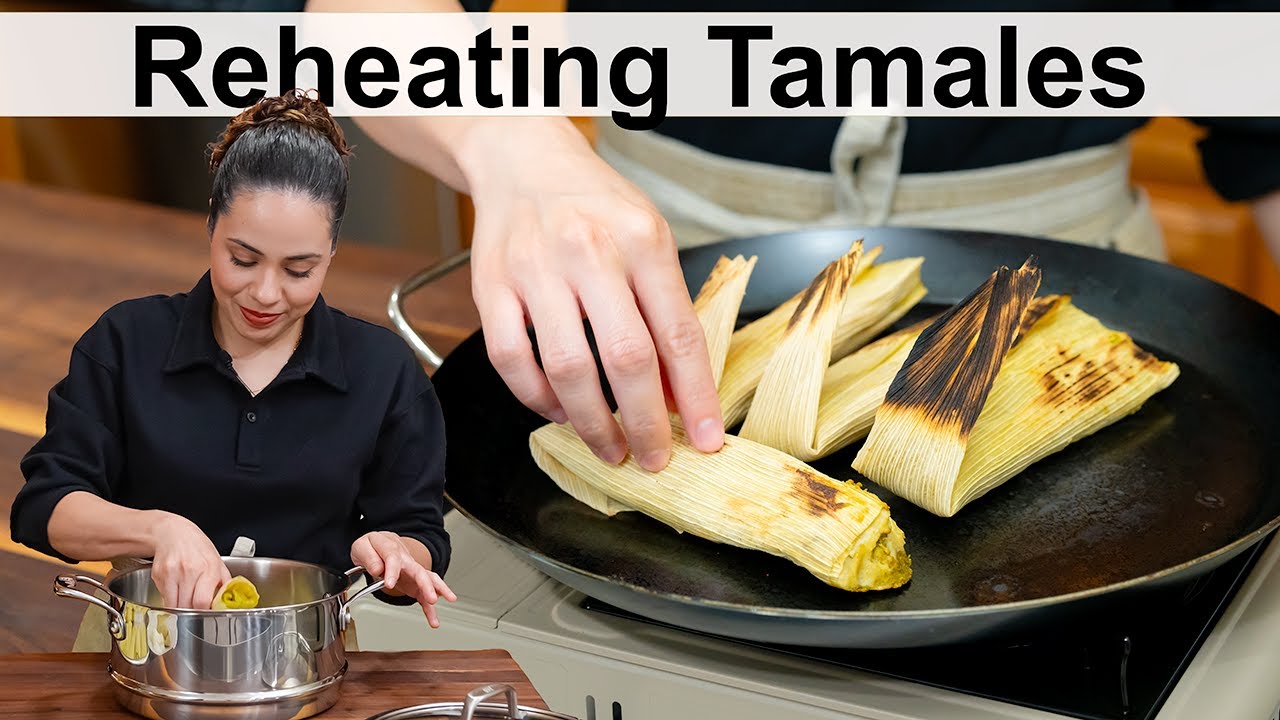
Check your tamales for any off smells or slimy texture before reheating. Fresh tamales should feel firm through the corn husk wrapping and show no signs of mold or discoloration.
Refrigerated tamales typically stay good for 3-5 days when stored properly. Frozen varieties can last up to six months without significant quality loss.
Look for intact husks that haven’t torn or separated from the masa. Damaged husks allow moisture to escape during the reheating process.
Bringing Refrigerated Tamales to Room Temperature
Let cold tamales sit out for 15-20 minutes before reheating. This prevents thermal shock that can crack the masa dough or create uneven heating patterns.
Room temperature tamales heat more evenly than those straight from the fridge. The gradual warming helps maintain texture integrity throughout the process.
Skip this step only when using steam methods, which handle temperature differences more gently than dry heat approaches.
Checking Husk Integrity and Rewrapping Techniques
Examine each husk for tears or weak spots that might allow steam to escape. Moisture retention depends on having a proper seal around the tamale.
Replace damaged husks with fresh ones if available, or wrap problem areas with damp paper towels. This creates the steam pocket necessary for proper reheating.
Tie loose husks more securely with strips of corn husk or kitchen string. The goal is containing steam while the tamale warms through completely.
Steaming Method for Perfect Texture
Setting Up Your Steamer Basket Properly
Water Level Requirements
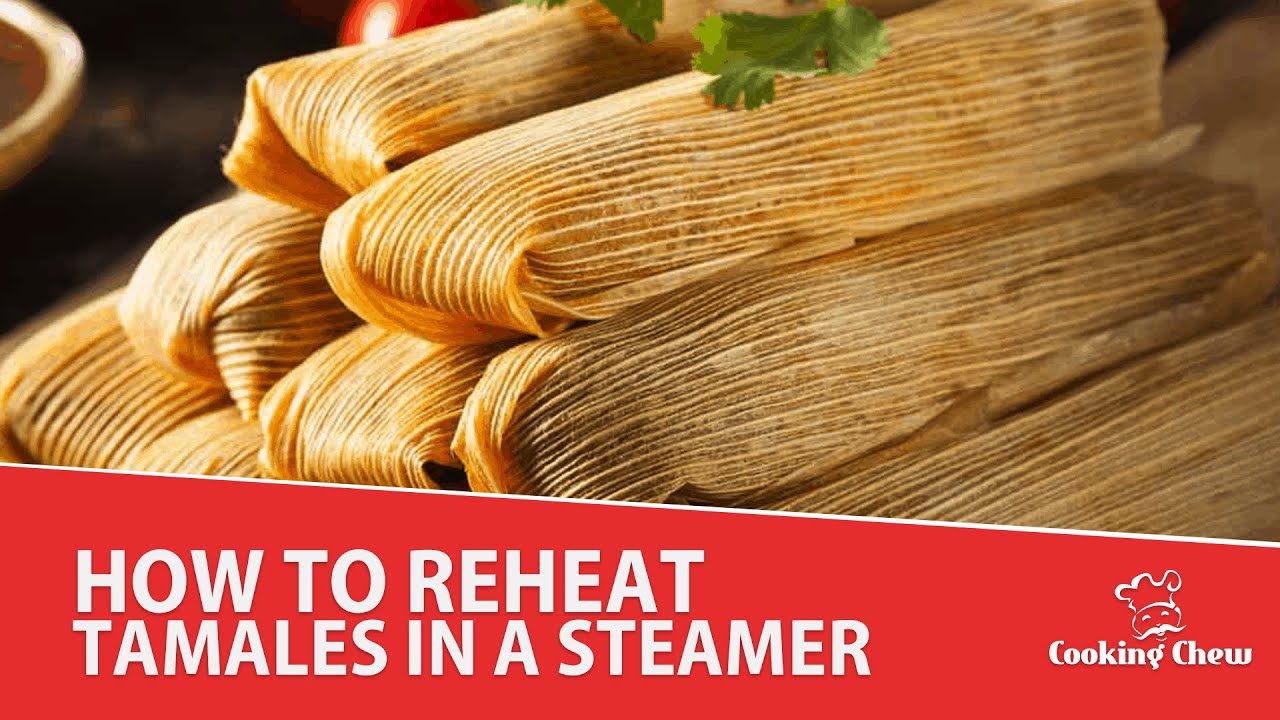
Fill your pot with 1-2 inches of water, ensuring it doesn’t touch the steamer basket bottom. Too much water creates soggy tamales instead of proper steam circulation.
Bring water to a rolling boil before adding tamales to generate immediate steam. This creates the humid environment that prevents masa from drying out.
Creating Proper Steam Circulation
Arrange tamales standing upright with open ends facing up when possible. This position allows steam to penetrate evenly while preventing filling from leaking out.
Don’t overcrowd the steamer – leave space between tamales for heat distribution. Packed tamales create cold spots that lead to uneven warming.
Preventing Water Contact with Tamales
Check that your steamer basket sits well above the water line. Direct contact with boiling water turns tamales mushy rather than properly reheated.
Use a tight-fitting lid to trap steam effectively. Escaping steam means longer cooking times and potential moisture loss from the tamales themselves.
Step-by-Step Steaming Process
Arranging Tamales in the Steamer
Place tamales seam-side down to prevent unwrapping during the steaming method. This position also helps maintain their shape throughout the warming process.
Layer tamales carefully if you have multiple levels in your steamer. Bottom layer tamales may need slightly longer since steam rises upward.
Timing Guidelines for Different Sizes
Standard-sized tamales need 15-20 minutes of steady steaming for thorough reheating. Larger tamales or those with dense fillings require an additional 5-10 minutes.
Frozen tamales take 25-30 minutes without thawing first. The extra time allows ice crystals to melt gradually while maintaining proper texture.
Set a timer rather than guessing – oversteamed tamales become mushy while underheated ones pose food safety risks.
Testing for Doneness Without Unwrapping
Insert a food thermometer through the husk into the center of a tamale. Internal temperature should reach 165°F for safe consumption.
Gently press the tamale through its husk – it should feel soft and give slightly. Hard or firm spots indicate more steaming time is needed.
Look for steam escaping from the husk openings, which signals the filling has reached proper temperature throughout.
Troubleshooting Steaming Problems
Water boiling away too quickly means your heat is too high. Reduce to medium heat to maintain steady steam without rapid evaporation.
Tamales taking too long usually indicates insufficient steam or overcrowding. Remove some tamales or check your water level and lid seal.
Mushy texture results from too much moisture contact or oversteaming. Keep tamales above water and reduce cooking time for future batches.
Oven Reheating Techniques That Lock in Moisture

Wet Paper Towel Wrapping Method
Proper Dampness Levels
Dampen paper towels until thoroughly wet but not dripping. The goal is creating steam without soaking the corn husks or making them fall apart.
Wring out excess water that could pool in your baking dish. Too much liquid creates soggy bottoms rather than the steam environment you want.
Use 2-3 paper towels per tamale for adequate moisture coverage. Single towels dry out too quickly during the longer oven heating process.
Aluminum Foil Sealing Technique
Wrap each paper towel-covered tamale individually in aluminum foil. This creates individual steam packets that heat evenly without moisture loss.
Seal edges tightly to prevent steam from escaping during cooking. Loose seals defeat the purpose of creating that humid microenvironment.
Leave some air space inside each packet – tight wrapping can compress the masa and affect final texture quality.
Temperature and Timing Guidelines
Preheat your oven to 325°F for gentle, even heating that won’t toughen the masa. Higher temperatures cook the outside before the inside warms through.
Heat wrapped tamales for 20-25 minutes, adding 5-10 minutes for frozen ones. Cooking time varies based on tamale size and your oven’s efficiency.
Check one tamale at the 20-minute mark using a thermometer before unwrapping the entire batch.
Steam-Roasting in Covered Dishes
Adding Liquid to Create Steam
Pour 1/4 cup of water or broth into your baking dish before adding tamales. This liquid creates the steam necessary for moisture control.
Place tamales seam-side down to prevent unwrapping, leaving space between each one for steam circulation. Crowded dishes create uneven heating patterns.
Choosing the Right Baking Dish
Use a dish with a tight-fitting lid or cover securely with foil. Steam containment is critical for this oven reheating technique to work effectively.
Glass or ceramic dishes distribute heat more evenly than metal pans. They also retain heat longer, keeping tamales warm after cooking finishes.
Select a dish large enough that tamales aren’t touching the sides. This allows proper air circulation around each tamale.
Monitoring Moisture Levels During Cooking
Check liquid levels halfway through cooking – add more water if it’s evaporating too quickly. Dry pans lead to burnt bottoms and dried-out tamales.
Look for steam escaping around the lid edges, which indicates proper temperature control and adequate moisture levels throughout the process.
Remove the lid carefully when checking – escaping steam can burn you and reduces the humid environment your tamales need.
Microwave Reheating Done Right

Single Tamale Quick Heating Method
Damp Paper Towel Technique
Wrap each tamale in a damp paper towel before microwaving. The moisture retention prevents the masa from becoming rubbery or dried out during rapid heating.
Make sure the paper towel covers the entire tamale, especially the ends where steam can escape. This creates a mini steam chamber inside your microwave.
Keep the paper towel damp but not soaking wet. Excess water pools in the microwave and creates uneven heating patterns.
Power Level Adjustments
Set your microwave to 70% power instead of full strength. High power heats the outside too quickly while leaving the center cold, creating texture preservation problems.
Microwave settings matter more than most people realize. Lower power allows heat to penetrate gradually without toughening the corn husk or masa.
Start with 60 seconds for refrigerated tamales, adding 15-30 second intervals as needed. Frozen tamales need 90 seconds initially.
Rotation and Resting Periods
Turn tamales halfway through heating to ensure even heating throughout. Microwaves create hot spots that can overcook certain areas while leaving others cold.
Let tamales rest for 30 seconds after heating before unwrapping. This allows heat distribution to equalize and prevents burns from hot steam.
Check the center temperature with a food thermometer before eating. The filling should reach 165°F for safe consumption.
Multiple Tamale Microwave Strategies
Arrange tamales in a circle on the microwave plate with space between each one. Never stack tamales or place them touching each other during heating.
Add 30-45 seconds per additional tamale when heating multiple pieces. Cooking time increases because the microwave energy gets distributed among more food items.
Cover the entire plate with a damp paper towel when heating several tamales at once. This creates consistent steam coverage for all pieces.
Avoiding Common Microwave Mistakes
Never microwave tamales without some form of moisture protection. Dry heating creates cardboard-like texture that ruins the eating experience completely.
Don’t remove corn husks before microwaving – they provide natural steam pockets that keep the masa soft. Remove husks only after heating finishes.
Avoid overheating by checking tamales frequently rather than setting long timer periods. Food safety doesn’t improve with excessive cooking time.
Alternative Reheating Methods

Slow Cooker Warming Technique
Place tamales in your slow cooker with 1/4 cup water in the bottom. Set to warm or low heat for 2-3 hours maximum.
This gentle warming method works well for large batches but requires advance planning. The extended heating time allows flavors to meld while maintaining moisture.
Stack tamales carefully with space between layers for steam circulation. Don’t pack them tightly or the bottom ones will get mushy.
Air Fryer Considerations and Modifications
Wrap tamales in damp paper towels before placing in the air fryer basket. Set temperature to 350°F for 8-10 minutes, checking halfway through.
Air fryer heating works through circulated hot air, so the paper towel moisture becomes critical for preventing dried-out masa. Without it, tamales turn tough and chewy.
Don’t overcrowd the basket – air needs to flow freely around each tamale for proper heating. Cook in batches if necessary.
Stovetop Skillet Method with Steam
Heat a large skillet over medium-low heat and add 2 tablespoons of water. Place tamales in the skillet and cover with a tight lid.
Steam method variations work on any stovetop when you don’t have a steamer. The key is creating enough moisture while preventing direct contact with the pan bottom.
Turn tamales once during the 10-15 minute heating process. Check that water hasn’t evaporated completely – add more if needed.
Special Considerations for Different Tamale Types
Sweet Tamales and Dessert Varieties

Sweet tamales require gentler heating because sugar content can cause burning at high temperatures. Use lower heat settings across all methods.
Dessert fillings often contain dairy or fruit that heats unevenly. Steam methods work best for maintaining texture in these delicate varieties.
Check sweet tamales more frequently during reheating. The sugar can caramelize and create hot spots that burn your mouth.
Cheese-Filled Tamales and Melting Concerns
Cheese fillings melt quickly and can leak through damaged husks. Inspect cheese-filled tamales carefully before reheating and rewrap any with tears.
Use moderate temperatures to prevent cheese from overheating and becoming stringy. High heat creates texture problems with dairy-based fillings.
Let cheese tamales cool for 2-3 minutes after heating before eating. Melted cheese retains heat longer than other fillings and can cause burns.
Meat Versus Vegetarian Filling Differences
Meat fillings typically reheat more evenly than vegetarian varieties because fat content helps distribute heat. Dense vegetable fillings may need extra time.
Vegetarian tamales often contain ingredients that release moisture differently during heating. Monitor these more closely to prevent sogginess.
Bean or cheese-based fillings expand when heated, potentially bursting through weak husk areas. Handle these varieties more gently during the reheating process.
Fresh Versus Frozen Tamale Adjustments
Fresh tamales from the refrigerator need less time than frozen ones but still require careful moisture management. Don’t assume they’ll heat faster without steam.
Frozen tamales benefit from thawing for 15-20 minutes before steaming, though direct heating works fine with adjusted timing. Ice crystals can create uneven heating patterns.
Never refreeze previously frozen tamales after reheating. Food safety guidelines require consuming them immediately or refrigerating leftovers for single use only.
Timing Adjustments by Storage Method
- Refrigerated tamales: 15-20 minutes steaming, 20-25 minutes oven
- Frozen tamales: 25-30 minutes steaming, 30-35 minutes oven
- Room temperature: 10-15 minutes steaming, 15-20 minutes oven
Add 5 minutes to any method when dealing with extra-large tamales or those with particularly dense fillings. Internal temperature should always reach 165°F regardless of heating method chosen.
Storage Tips to Prevent Future Drying
Proper Refrigerator Storage Methods
Store tamales in their corn husks to maintain moisture during refrigeration. The natural wrapper creates a protective barrier against dry air that causes texture problems.
Place wrapped tamales in airtight containers or heavy-duty freezer bags. Leftover storage requires preventing air circulation that draws moisture from the masa dough.
Label containers with storage dates since tamales stay fresh for only 3-5 days in the refrigerator. Beyond that timeframe, quality deteriorates rapidly.
Freezing Techniques That Preserve Moisture
Wrap each tamale individually in plastic wrap before placing in freezer bags. This double protection prevents freezer burn that destroys texture and flavor quality.
Remove as much air as possible from freezer bags before sealing. Moisture control during freezing prevents ice crystal formation that damages masa structure.
Freeze tamales flat in a single layer first, then stack them after they’re solid. This prevents them from sticking together and breaking during removal.
Freezer Storage Timeline
- Fresh tamales: Up to 6 months in freezer
- Previously reheated: Do not freeze again
- Store-bought frozen: Follow package dates
Double-check that your freezer maintains 0°F or below for optimal preservation. Higher temperatures allow ice crystals to form and reform, damaging texture.
Husk Maintenance and Replacement Strategies
Inspect corn husks before storage and replace any that show tears or weak spots. Damaged husks allow air to reach the masa during storage periods.
Keep extra corn husks on hand for rewrapping tamales with compromised covers. Soak replacement husks in warm water for 30 minutes before use to make them pliable.
Husk integrity directly affects storage success – torn wrappers lead to dried-out tamales that won’t reheat properly no matter what method you use.
Signs of Properly Reheated Tamales
Texture Indicators for Perfect Doneness
The masa should feel soft and slightly springy when pressed gently through the husk. Texture preservation means avoiding both mushy overcooking and hard underheating.
Properly heated masa pulls away cleanly from corn husks without sticking or crumbling. Sticky masa indicates insufficient heating, while crumbly texture suggests overheating damage.
The filling should be evenly hot throughout without cold spots or overheated edges. This requires checking multiple tamales when heating large batches.
Temperature Testing Methods
Insert a food thermometer into the center of the thickest tamale, pushing through the husk if necessary. Internal temperature must reach 165°F for safe consumption.
Check the temperature in several spots, especially with larger tamales that may heat unevenly. Don’t rely on surface heat as an indicator of doneness.
Steam escaping from husk openings indicates proper heating, but always confirm with thermometer readings for food safety assurance.
Quick Temperature Check Points
- Center of filling: Should be 165°F minimum
- Masa edges: Should feel warm, not hot
- Multiple tamales: Test the largest one in each batch
Remove tamales from heat source immediately after reaching proper temperature. Continued cooking creates texture problems even when temperature is correct.
Visual and Aroma Cues
Steam rising from opened husks signals that moisture levels remain adequate throughout the reheating process. Dry tamales produce little to no steam.
The aroma should smell rich and appetizing, similar to freshly made tamales. Off odors or lack of fragrance indicates storage problems or inadequate heating.
Corn husks should look slightly darkened but not burnt or dried out completely. Proper heating maintains some moisture in the wrapper itself.
Rescuing Overcooked or Dried-Out Tamales
Adding Moisture Back to Dry Tamales
Steam dried tamales for 5-10 minutes in a covered pot with boiling water. The gentle warming approach can restore some moisture without further texture damage.
Brush masa surfaces lightly with warm broth or melted butter before re-steaming. This adds fat content that helps improve mouthfeel and flavor.
Wrap severely dried tamales in damp paper towels and microwave at 50% power for 30-45 seconds. Check frequently to prevent further overcooking.
Sauce and Topping Strategies
Serve rescued tamales with extra salsa, crema, or wine that goes with enchiladas. Moist toppings compensate for texture problems in the masa itself.
Warm enchilada sauce poured over sliced tamales creates a casserole-style dish that masks dryness issues. This works particularly well with cheese-filled varieties.
Authentic flavors can be enhanced with fresh cilantro, diced onions, and lime juice that add moisture and bright taste notes to compromised tamales.
Rescue Sauce Options
- Red salsa: Adds moisture and tangy flavor
- Green sauce: Provides acidity to balance richness
- Crema or sour cream: Adds fat and cooling effect
- Warm broth: Restores moisture directly
Choose sauces that complement your tamale fillings rather than masking them completely. The goal is enhancement, not covering up.
Repurposing Dried Tamales into New Dishes
Remove masa from husks and crumble into skillet-fried hash with eggs and vegetables. Leftover tamales transform into completely different breakfast dishes this way.
Cut tamales into thick slices and pan-fry until golden for tamale “steaks” served with fresh toppings. This technique works even with slightly overcooked masa.
Mix crumbled tamale masa into soup or stew as a thickening agent. The corn flavor adds depth while using up tamales that didn’t reheat successfully.
Creative Repurposing Ideas
- Tamale casserole: Layer sliced tamales with cheese and sauce
- Fried tamale bites: Cut and fry as appetizers with dipping sauces
- Tamale soup: Add chunks to pozole or vegetable broth
- Breakfast hash: Crumble with eggs and peppers
Don’t throw away tamales just because they didn’t reheat perfectly. Food preparation creativity can transform mistakes into entirely new meals that your family will enjoy.
FAQ on How To Reheat Tamales
Can you reheat tamales without a steamer?
Use a regular pot with a makeshift steamer basket or colander. Add water below the tamales and cover tightly. This steam method works just as well as proper steamers for moisture retention and even heating.
Do you need to thaw frozen tamales before reheating?
No thawing required. Steam frozen tamales directly for 25-30 minutes instead of the usual 15-20. The gradual heat distribution prevents texture damage while ensuring the filling reaches safe temperatures throughout.
What’s the fastest way to reheat tamales?
Microwave with damp paper towels takes 60-90 seconds per tamale. Set power to 70% to prevent masa dough from becoming rubbery. Though quick, this method sacrifices some texture quality compared to steaming.
How do you reheat tamales in an air fryer?
Wrap tamales in damp paper towels, then place in air fryer at 350°F for 8-10 minutes. The circulating hot air provides even temperature control while the towels prevent moisture loss from the corn husks.
Can you eat tamales cold from the fridge?
Cold tamales are safe but not ideal. The masa becomes dense and the filling flavors are muted. Proper reheating restores the original texture and brings out the authentic taste Mexican families expect.
Why do my tamales fall apart when reheating?
Overcooking or removing corn husks too early causes this problem. The husk integrity protects the masa during heating. Keep husks on throughout the warming process and avoid excessive heat that breaks down the dough.
How long do tamales last in the refrigerator?
Store tamales for 3-5 days in the fridge when properly wrapped. Keep them in their corn husks and place in airtight containers. Food safety requires checking for off odors before reheating any leftover portions.
What temperature kills bacteria in reheated tamales?
Internal temperature must reach 165°F to eliminate harmful bacteria. Use a food thermometer inserted into the center of the filling, not just the masa. This ensures safe consumption of refrigerated or frozen tamales.
Can you reheat tamales in a slow cooker?
Yes, but use minimal water and steam setting if available. Place tamales on a rack above water level and cook on low for 2-3 hours. This gentle warming method prevents overcooking while maintaining moisture.
How do you prevent tamales from sticking when reheating?
Never remove corn husks before reheating. The natural wrapper prevents sticking and creates steam pockets. If husks are damaged, wrap in damp paper towels before using any kitchen equipment for reheating.
Conclusion
Mastering how to reheat tamales transforms disappointing leftovers into meals that rival freshly made ones. The key lies in understanding that gentle heat and steam preservation work together to maintain authentic textures.
Your steamer basket becomes your best friend for consistent results. The aluminum foil wrapping method offers convenience when steamers aren’t available.
Never rush the warming process with high heat settings. Cooking time patience pays off with masa that stays tender and fillings that heat evenly throughout.
Remember that food thermometer checks aren’t optional – they’re your safety net. Proper technique prevents both foodborne illness and texture disasters that waste good tamales.
Whether you’re dealing with frozen batches or refrigerated portions, these proven methods ensure every bite delivers the flavors your family expects. Keep those corn husks intact during reheating, and you’ll preserve both moisture and authentic taste every single time.


