

Few foods create the kind of loyalty that sushi does. People drive across town for it, pay premium prices for it, and order it on repeat without ever getting tired of it.
So why is sushi so good? The answer goes deeper than fresh fish and seasoned rice.
It comes down to flavor science, texture contrast, and a nutritional profile that leaves you satisfied without feeling heavy. Every component, from the umami in raw fish to the nasal heat of wasabi, plays a specific role.
This article breaks down exactly what makes sushi taste so good, covering the biology of taste, the chemistry of each ingredient, and why the experience holds up across every culture that has tried it.
What Makes Sushi Taste So Good
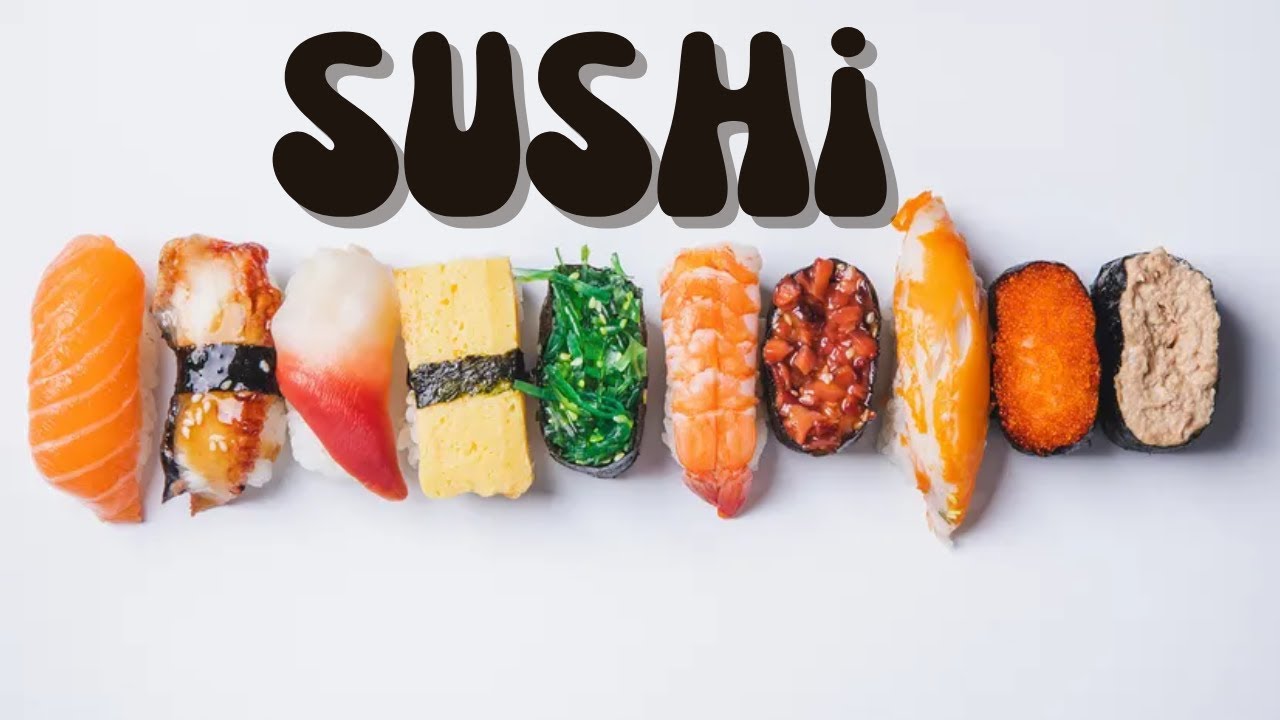
Sushi hits all five basic taste categories in a single bite. Salt from soy sauce, acid from rice vinegar, sweetness in the shari, fat from the fish, and umami from seafood, nori, and fermented condiments all converge at once.
That combination is not accidental. It is the result of centuries of Japanese culinary refinement, where every component of the dish was calibrated to create a specific flavor experience. Most foods hit two or three taste categories. Sushi hits all five.
The global sushi restaurant market reached USD 9.52 billion in 2024, projected to grow to USD 17.62 billion by 2032 (Verified Market Research). That growth reflects a simple reality: sushi delivers a flavor experience people return to consistently.
Why the Flavor Balance Works
The sushi flavor profile is built on contrast. Fatty fish against acidic rice. Soft rice against firm or silky fish. The sharpness of wasabi against the cooling effect of pickled ginger.
Each element has a specific role:
- Shari (sushi rice): provides the sweet, tangy, and salty foundation that grounds the whole bite
- Raw fish: delivers clean protein flavor and fat without the intensity of cooked meat
- Nori: adds a mineral, ocean-forward note that amplifies the savory quality
- Soy sauce: concentrates sodium and glutamate, pushing umami even further
Without the rice, you have sashimi. Good, but different. The rice is not a carrier. It is an active flavor contributor.
Sushi vs. Other Cuisines on Taste Complexity
| Taste Category | What Provides It in Sushi | Intensity Level |
| Umami | Fish, nori, soy sauce, aged fish | High |
| Salt | Soy sauce, seasoned rice (shari) | Medium-Controlled |
| Acid | Rice vinegar, pickled ginger | Bright but Subtle |
| Fat | Salmon, Toro (fatty tuna), avocado | Varies by Cut |
| Sweet | Sugar in rice, mirin, eel sauce | Low, Background |
Approximately 58% of urban diners prefer sushi specifically because of its low-fat content combined with its protein density (Global Growth Insights, 2024). Well, the thing is, that stat is a bit reductive. People prefer sushi because it is satisfying without being heavy. That is the real draw.
—
The Science of Umami in Sushi
Umami is the reason sushi tastes “complete.” It is the fifth basic taste, first identified in 1908 by Dr. Kikunae Ikeda at the University of Tokyo, triggered by glutamate and certain nucleotides binding to T1R1/T1R3 receptors on the tongue.
Sushi is loaded with natural glutamate sources. Tuna, salmon, shellfish, nori, and soy sauce all contain free glutamate at high concentrations. When you eat a piece of nigiri with soy sauce, you are stacking multiple glutamate-rich ingredients in one bite.
How Glutamate and Inosinate Create the Sushi Flavor Effect
Research published in the journal npj Science of Food found that when glutamate and inosinate (5′-IMP) are combined, the umami response in humans is approximately 8 times stronger than glutamate alone (Kurihara, 2015).
This is the science behind why sushi tastes so intensely savory. Fish, especially tuna and salmon, contains high levels of inosinate. Nori and soy sauce contribute glutamate. They work together.
The specific compounds at play:
- Free glutamate in raw fish, soy sauce, and kombu (used in sushi rice)
- Inosinate (5′-IMP) in tuna, salmon, and shellfish
- The T1R1/T1R3 receptor heterodimer, which responds to both and produces a synergistic signal
Took me a while to really appreciate this when cooking, but once you understand that the nori is not just texture, that it is actively multiplying the savory flavor of everything inside the roll, you start to see why every ingredient in sushi exists.
Why Aged Fish Tastes Richer
ATP breakdown is the key. When fish dies, adenosine triphosphate (ATP) begins converting into inosinate (5′-IMP). Inosinate concentration peaks several hours after the catch, not immediately.
This is why high-end omakase chefs in Japan rest certain fish before serving. Yellowtail, for example, reaches peak inosinate concentration roughly several hours after killing, according to receptor mechanism research from the journal BioMed Research International.
The practical result: properly rested, fresh fish has a deeper, more rounded umami profile than fish served immediately after catch. This is a matter of biochemistry, not just tradition.
—
Why Sushi Rice Is Central to the Experience
The word “sushi” literally traces back to the Japanese words for vinegar (su) and rice (meshi). The rice is not a backdrop. It is the dish.
Jiro Ono, widely considered one of the greatest sushi chefs alive, has said that the quality of shari separates great sushi from average sushi more than the fish does. In Japan, chefs train for years specifically on rice preparation before they ever touch a fish.
What Short-Grain Rice Does That No Other Rice Can
Short-grain japonica rice contains a higher amylopectin-to-amylose ratio than long-grain varieties. Amylopectin is the branched starch responsible for stickiness. It is what lets rice hold shape without becoming gluey, and what allows the vinegar seasoning to coat every grain evenly.
Long-grain rice does not achieve this. It falls apart, does not hold flavors the same way, and lacks the chewy-yet-tender bite that makes nigiri feel complete in the mouth.
What the Vinegar Seasoning Actually Does
It does more than add flavor. Rice vinegar lowers the pH of the cooked rice, which breaks down surface starches, creates a light sheen, and gives the rice a mild tang that cuts through the richness of fatty fish.
The shari seasoning formula (rice vinegar, sugar, salt) accomplishes several things simultaneously:
- The acid brightens the overall flavor and counterbalances fat
- Sugar softens the vinegar’s sharpness and adds a background sweetness
- Salt rounds the profile and ties all flavors together
- Temperature matters: seasoning must be applied while the rice is still warm so it absorbs evenly
The slight tang of vinegar in sushi rice cuts through the richness of salmon and tuna in a way that plain rice cannot (Jersey Shore Sushi, 2025). That contrast is what makes each bite of nigiri feel balanced rather than heavy.
Rice Temperature and Its Effect on Fat Perception
Body-temperature rice (approximately 37 degrees Celsius) melts differently against fatty fish than cold rice does. Cold shari stiffens the fat in toro or salmon, reducing the sensation of richness. Warm shari allows the fat to release its flavor more fully.
This is why traditionally prepared sushi is served at room temperature, not refrigerator-cold. Most conveyor belt sushi loses this quality. It is one of the reasons high-end sushi tastes fundamentally different from grocery store rolls, even when the fish quality is comparable.
—
Freshness and Its Direct Impact on Flavor

Fresh fish does not taste “fishy.” That smell and flavor comes from trimethylamine, a compound produced by bacterial activity after a fish dies. Genuinely fresh fish smells of the ocean, clean and faintly sweet.
As of 2024, the U.S. has more than 16,000 sushi restaurants (Zion Market Research). Ingredient quality across those restaurants varies enormously. The difference between a USD 8 roll and a USD 40 piece of nigiri is, in large part, the cold chain from catch to plate.
What “Sushi-Grade” Actually Means for Flavor
Flavor, not just safety. The sushi-grade designation is often discussed in food safety terms, but its most direct effect is on taste.
Fish handled with proper cold-chain protocols retains a cleaner, sweeter raw flavor because bacterial breakdown is minimal. The same tuna fillet, handled carelessly for 12 additional hours at the wrong temperature, will taste noticeably different even if it passes a visual inspection.
Three factors determine fresh fish flavor quality:
- Time after catch: shorter is cleaner, though some fish benefits from a short rest for inosinate development
- Temperature consistency: even brief warming accelerates bacterial activity and flavor degradation
- Handling: excessive contact and pressure damages fish cell structure, releasing compounds that create off-flavors
Why Raw Fish Tastes Clean Without Cooking
Cooking fish denatures proteins and creates new flavor compounds through the Maillard reaction and oxidation of fats. These are good things in grilled salmon. But they also mask the subtle, clean sweetness that raw fish naturally has.
Raw tuna, served at its peak, has a mild iron-forward sweetness. Raw salmon has a buttery, almost creamy flavor from its fat content. Neither flavor survives cooking intact. Sushi preserves these natural profiles precisely because nothing is applied that would transform them.
I have eaten sushi in Japan where the fish was so fresh it had none of the flavor I expected from “fish.” It tasted sweet, clean, almost delicate. That experience does not translate to a piece that has been sitting in a grocery store case.
—
Texture Contrast as a Key Pleasure Factor
Texture is flavor. That is not a metaphor. Sensory research on food perception shows that texture changes how the brain processes taste signals. A soft ingredient eaten alone registers differently than the same ingredient eaten with something firm or crunchy.
Sushi is one of the most texturally complex foods in the world for its size. Each piece contains multiple contrasting materials.
The Textural Architecture of a Single Piece
A well-made piece of nigiri has at least three distinct textures:
- Soft, cohesive rice that releases slightly under pressure without dissolving
- Firm or silky fish, depending on the cut (toro is soft and fatty, akami is firm and lean)
- The subtle chew of nori when present in maki or hand rolls
Maki rolls add more layers. Cucumber brings a sharp crunch. Avocado adds a second layer of fat and creaminess. Tobiko (flying fish roe) provides tiny bursts of brine and texture between bites.
The brain interprets this variety as richness and satisfaction. Foods with a single uniform texture tend to be perceived as less complex, and less enjoyable, regardless of flavor.
Why Nori Matters More Than People Think
Nori does structural and flavor work simultaneously. Its thin, firm sheet adds a slight chew that separates the textures of rice and fish. It also contributes a concentrated mineral, ocean flavor that reinforces the umami profile of the fish.
Soggy nori, which happens when rolls sit too long, collapses this textural contrast entirely. The roll becomes uniform in texture. That is when maki starts tasting flat. It is not the fish that degraded. It is the loss of texture contrast.
This is also why the best maki is eaten immediately after it is rolled. At least in my experience, waiting even 10 minutes changes the eating quality significantly.
—
Fat Content and Why Fatty Fish Tastes Better to Most People
Fat carries flavor. This is basic food science. But in sushi, fat also changes mouthfeel in a way that triggers a specific sensory response.
Over 65% of global consumers reported a preference for healthier, low-calorie dining options, with sushi ranked among the top five healthy fast-food choices (Global Growth Insights, 2024). And yet the most universally beloved sushi cuts, toro and salmon, are the fattiest ones. People associate sushi with health but gravitate toward its richest options.
Why Toro Became the Most Desired Sushi Cut
Toro is the fatty belly section of bluefin tuna. It melts at mouth temperature due to its high fat content, releasing fat-soluble flavor compounds that cannot be released any other way. The experience is unlike any other fish in sushi.
The distinction within toro matters:
| Cut | Fat Level | Texture | Flavor |
| Akami (Lean Tuna) | Low | Firm, meaty | Clean, iron-forward, slightly acidic |
| Chutoro (Med. Toro) | Med-High | Semi-soft | Rich, balanced; the “best of both worlds” |
| Otoro (Full Toro) | Very High | Soft, buttery | Intensely rich, melting, savory |
| Salmon Belly | High | Soft, creamy | Mild, sweet, buttery |
Salmon’s Fat Profile and Its Near-Universal Appeal
Salmon became one of the most popular sushi fish globally in part because of its fat distribution. The visible marbling of intramuscular fat in salmon creates a mild, buttery flavor that most palates find approachable, even for people new to raw fish.
Cold-water fatty fish like salmon and bluefin tuna are high in EPA and DHA omega-3 fatty acids, according to the American Heart Association. These fats are also linked to favorable cardiovascular health outcomes. The American Heart Association recommends eating fatty fish at least twice weekly for this reason.
From a pure taste science standpoint, the omega-3 fatty acids in salmon contribute directly to its flavor. These polyunsaturated fats have different flavor-release characteristics than saturated fats, producing a cleaner finish in the mouth rather than a coating or greasy sensation. That is part of why salmon sushi does not feel heavy even when eaten in quantity.
The Role of Condiments in Flavor Building

Wasabi, soy sauce, and pickled ginger are not garnishes. Each one has a specific chemical function in the sushi eating experience, and using them wrong changes the flavor balance entirely.
Most people drown their sushi in soy sauce or dissolve wasabi directly into the dish. Both habits override the fish flavor rather than complement it. The itamae (sushi chef) already placed the right amount of wasabi between rice and fish for a reason.
Why Wasabi Heat Hits the Nose, Not the Mouth
Wasabi’s burn comes from allyl isothiocyanate (AITC), a volatile compound formed when the wasabi rhizome is crushed. Unlike capsaicin in chili peppers, which binds to pain receptors in the mouth, AITC stimulates TRPA1 receptors concentrated in the nasal passages, according to National Geographic.
This is why wasabi produces a sharp sinus rush that fades quickly. Chili heat lingers. Wasabi dissipates in seconds, clearing the palate rather than coating it.
The practical effect on flavor:
- Cuts through fatty fish by briefly overwhelming fat perception
- Clears residual flavor from the previous bite
- Adds a sulfur-forward aromatic note that amplifies the ocean quality of fresh fish
True wasabi (Wasabia japonica) loses its volatility within about 15 minutes of grating, per Chemical & Engineering News. Most sushi restaurants outside Japan use horseradish-based paste. The flavor profile is similar but not identical.
Soy Sauce as a Sodium and Umami Delivery System
It is not a dip. Soy sauce is meant to touch only the fish side of nigiri, not the rice. Rice absorbs liquid and falls apart. Fish receives a thin sodium and glutamate coat that sharpens its natural flavor.
Soy sauce compounds what is already in the fish:
- Sodium: amplifies existing flavors across all taste categories
- Glutamate: stacks onto the inosinate in the fish to increase umami intensity
Too much soy sauce and all you taste is salt. At the right amount, it makes the fish taste more like itself.
What Pickled Ginger (Gari) Actually Does
Gari is a palate reset. That is its only job.
The acidity from pickling clears fat and residual flavors between bites, so the next piece of fish registers as clean rather than muddled by the previous one. Eating gari with sushi, not between pieces, defeats its purpose.
Ginger also carries aromatic compounds, including gingerols and shogaols, that have mild antimicrobial properties. Whether that matters in a meal context is debatable, but the palate-cleansing function is real and measurable.
—
Why Sushi Appeals Across Cultures
Fusion sushi accounts for 52% of cross-cultural sushi dishes offered globally, with restaurants adapting flavors to local palates while keeping the core format intact (Global Growth Insights, 2024).
That adaptability is the main reason sushi spread beyond Japan as fast as it did. The California roll, invented in Los Angeles in the 1970s, replaced raw fish with imitation crab and avocado. It gave Western diners a way into the format without the cultural barrier of raw fish. Once people were comfortable with the format, they moved toward traditional options.
The California Roll as a Gateway
The California roll did something no amount of food education could: it made sushi familiar.
Nobu Matsuhisa used a similar approach at his restaurant Nobu in New York, blending Peruvian and Japanese techniques into dishes like black cod with miso. This made Japanese flavors accessible to diners with no prior exposure. The same principle is why dishes like pad thai traveled so effectively outside Thailand: they absorbed local flavor preferences without losing their structural identity.
Visual Presentation and Perceived Taste
Sushi is one of the most photographed foods on the planet. There is a reason for that beyond aesthetics.
Research published in Appetite (2025) found that sensory appeal, including appearance, was a stronger predictor of sushi consumption frequency than health motivation. People choose sushi partly because it looks appealing before they taste it.
The presentation factors that drive this:
- Bright orange salmon against white rice
- The geometric precision of nigiri and maki
- Colorful tobiko or masago on the surface of rolls
- Clean, minimal plating that signals freshness and care
Millennials, in particular, drove the Instagram-era sushi boom. Dataintelo research shows millennials are the fastest-growing demographic in sushi consumption globally, drawn to its visual presentation and “adventurous” eating positioning.
Portion Size and the Psychology of Eating Sushi
Bite-sized portions change how the brain tracks consumption. Each piece of sushi is a complete, self-contained unit. This encourages slower eating and more deliberate attention to flavor than a plate of pasta or a burger does.
Slower eating is linked to improved satiety signaling. It takes approximately 20 minutes for the stomach to communicate fullness to the brain. Sushi’s individual piece structure naturally paces the meal.
Nearly 38% of sushi meals in the U.S. are now consumed off-premises, suggesting people also value convenience alongside the dining experience (Global Growth Insights, 2024). Sushi adapted to both formats without losing what makes it appealing.
—
Nutritional Profile and Why the Body Responds Positively
Fish-based sushi delivers 20 to 25 grams of protein per roll alongside omega-3 fatty acids, iodine, selenium, and vitamin D, according to a 2024 analysis by Clean Eatz Kitchen.
That combination is unusual. Most high-protein foods are either calorie-dense (red meat), high in saturated fat (cheese), or nutritionally narrow. Sushi, at its core, is lean protein and healthy fat with minimal processing.
Protein Density and Satiety
A tuna maki roll contains roughly 29 calories per piece, with more than half of those calories from protein, according to Signos nutrition data (2023).
Protein is the most satiating macronutrient. It triggers satiety hormones more reliably than carbohydrates or fat, which is why people often feel genuinely full after sushi without feeling heavy. The lean protein in tuna and salmon does the work without the post-meal sluggishness that comes from high-fat, high-carbohydrate meals.
Why Sushi Does Not Feel Heavy After Eating
No Maillard reaction. No added fats from cooking.
When fish is cooked, proteins denature, new compounds form through browning reactions, and cooking fats are often added. Each of these adds caloric weight and increases the digestive load. Raw fish skips all of it.
The result: sushi is digested faster and with less metabolic effort than cooked meat dishes of equivalent protein content. The body does not have to process the byproducts of cooking. That physical lightness is not imagined.
Nori, Iodine, and the Thyroid Connection
A randomized crossover trial published in Food Science & Nutrition (2023) found that a sushi meal including nori provided 231 micrograms of iodine, with approximately 75% absorbed within 24 hours.
The thyroid gland requires iodine to produce hormones that regulate metabolism. Iodine deficiency is one of the most common nutritional gaps globally. A single sushi meal with nori delivers a substantial portion of the daily requirement.
Nori also provides iron, which supports oxygen transport. Combined with the selenium in fish (a California roll provides over half the daily selenium requirement), sushi delivers a micronutrient profile that few other fast or casual dining options match.
Sushi Nutrition at a Glance
| Component | Key Nutrient | Primary Benefit |
| Salmon / Tuna | Omega-3 (EPA, DHA), protein | Heart health, satiety, brain function |
| Nori (Seaweed) | Iodine, iron | Thyroid function, oxygen transport |
| Sushi Rice | Resistant starch (when cooled) | Gut health, slower glucose release |
| Ginger (Gari) | Gingerols, shogaols | Anti-inflammatory, digestive support |
| Wasabi | Isothiocyanates | Antimicrobial, potential antioxidant |
The 2020-2025 Dietary Guidelines for Americans recommends seafood consumption as part of a healthy dietary pattern, citing its role in reducing the risk of cardiovascular disease, type 2 diabetes, and obesity. Sushi is one of the most accessible delivery formats for that recommendation.
Assuming you are not ordering tempura rolls with spicy mayo on every visit, sushi is genuinely one of the better casual dining options for nutritional value. The health reputation it has earned is not marketing. The nutrients back it up.
Looking to pair your next meal? Check out what wine goes with sushi for recommendations that complement the flavor profile without overwhelming it, or explore what to eat with sushi to round out the meal beyond rolls alone.
FAQ on Why Is Sushi So Good
Why does sushi taste so good?
Sushi hits all five basic tastes at once: umami from fish and nori, salt from soy sauce, acid from rice vinegar, fat from salmon or toro, and subtle sweetness in shari. That complete flavor balance is rare in a single bite.
What makes sushi so addictive?
The high glutamate content in raw fish, soy sauce, and nori triggers umami receptors that signal deep satisfaction. Combined with the synergistic effect of inosinate in fish, the savory intensity is genuinely hard to stop eating.
Why does sushi rice taste different from regular rice?
Sushi rice is seasoned with rice vinegar, sugar, and salt while still warm. This gives shari a tangy, slightly sweet flavor that plain rice lacks. The acidity also brightens everything it is paired with.
Why does raw fish taste good in sushi?
Fresh raw fish has a clean, mild sweetness that cooking destroys. Without heat, the natural flavor profile of salmon or tuna stays intact. Bacteria-driven fishiness only develops when fish is not handled properly.
What does wasabi add to the sushi experience?
Wasabi delivers a sharp nasal heat from allyl isothiocyanate that clears the palate instantly. Unlike chili heat, it fades in seconds. This resets your taste receptors between bites so each piece registers as fresh.
Why is fatty fish like salmon and toro so popular in sushi?
Fat carries flavor and melts at mouth temperature. Toro and salmon belly release fat-soluble compounds that create a rich, buttery sensation. Omega-3 fatty acids in these cuts also contribute to their smooth, clean finish.
Does sushi have a lot of umami?
Yes. Raw fish contains high levels of inosinate, nori and soy sauce are loaded with glutamate, and the combination creates a synergistic umami response roughly eight times stronger than either compound alone, according to published receptor research.
Why is the texture of sushi so satisfying?
A single piece contains multiple contrasting textures: soft cohesive rice, firm or silky fish, and the slight chew of nori. The brain interprets texture contrast as richness. Uniform-texture foods consistently score lower on satisfaction.
Is sushi healthy, and does that affect how good it feels to eat?
Sushi provides lean protein, omega-3 fatty acids, iodine from nori, and selenium from fish with relatively low calories. That nutritional profile means you feel genuinely satisfied after eating it without the heaviness of processed or fried food.
Why does sushi appeal to so many different cultures?
The format adapts without losing its identity. The California roll introduced Western diners to the structure using familiar ingredients. Once comfortable, most people move toward traditional options. Sushi’s visual presentation and clean flavor profile cross cultural barriers easily.
Conclusion
This conclusion is for an article presenting the real reasons behind sushi’s extraordinary appeal, and the answer is not simple.
It is the precise interaction between glutamate and inosinate, the temperature of shari against fatty fish, the palate-clearing function of gari, and a nutritional profile that genuinely supports how your body feels after eating.
No single element explains it. The flavor satisfaction comes from every component working together.
Sushi crossed cultural boundaries because its core structure is adaptable without being hollow. From nigiri to maki rolls, from omakase counters to grocery store cases, the format holds.
Understanding what makes sushi taste so good also makes you eat it better. Knowing why each ingredient exists changes how you order, how you eat, and how much you enjoy it.


