

Summarize this article with:
Moussaka is one of those dishes that fills the whole kitchen with warmth. Layers of eggplant, seasoned meat, and creamy bechamel sauce, all baked until golden. But once it comes out of the oven, there’s always that moment of hesitation.
What side dish goes with moussaka without making the meal feel too heavy?
I’ve made this Greek comfort food more times than I can count over the years. And the side dish choice matters more than most people think. Get it wrong and the whole plate feels like a brick. Get it right and everything clicks.
In this guide, you’ll find the best Mediterranean side dishes to serve alongside moussaka, from classic Greek salads and tzatziki to warm pita bread and lemon roasted potatoes. Each one tested, each one worth your time.
Best Side Dishes for Moussaka
Greek Salad (Horiatiki)

Why It Works with Moussaka
Moussaka is rich. Layers of eggplant, ground meat, and bechamel sauce make it one of the heaviest dishes in Greek cuisine.
A fresh horiatiki cuts right through that richness. The cool, crisp vegetables reset your palate between bites, and the acidity from the lemon vinaigrette keeps everything balanced.
This is the most traditional pairing you’ll find in Greece. Walk into any home where moussaka is on the table, and a Greek salad is sitting right next to it.
Key Ingredients
- Ripe tomatoes, cucumbers, and thinly sliced red onion
- Feta cheese in a thick slab (not crumbled, if you want it authentic)
- Kalamata olives and dried oregano
- Extra virgin olive oil and red wine vinegar dressing
How to Make It
Chop the tomatoes into wedges, slice the cucumber into half-moons, and add thin rings of red onion. Toss in Kalamata olives and top with a block of feta.
Drizzle generously with olive oil. Add a splash of red wine vinegar, a pinch of salt, and dried oregano. That’s it.
Don’t overdress it. The vegetables release their own juices and that becomes part of the dressing as you eat.
Flavor and Texture Balance
Crunchy cucumbers and juicy tomatoes against the soft, creamy moussaka. The salty feta echoes the savory lamb filling without competing with it.
If your moussaka already has a lot of tomato in the meat sauce, go heavier on the cucumbers and lighter on the tomatoes in the salad.
Serving Tips
Serve at room temperature, not ice cold. Let the salad sit for about five minutes after dressing so the flavors blend.
Make it right before you pull the moussaka from the oven. Both dishes should hit the table at the same time.
Storage and Reheating
Leftovers keep for one day in the fridge, but the cucumbers will soften. Honestly, just make what you’ll eat. This salad takes five minutes, so there’s no reason to prep ahead.
—
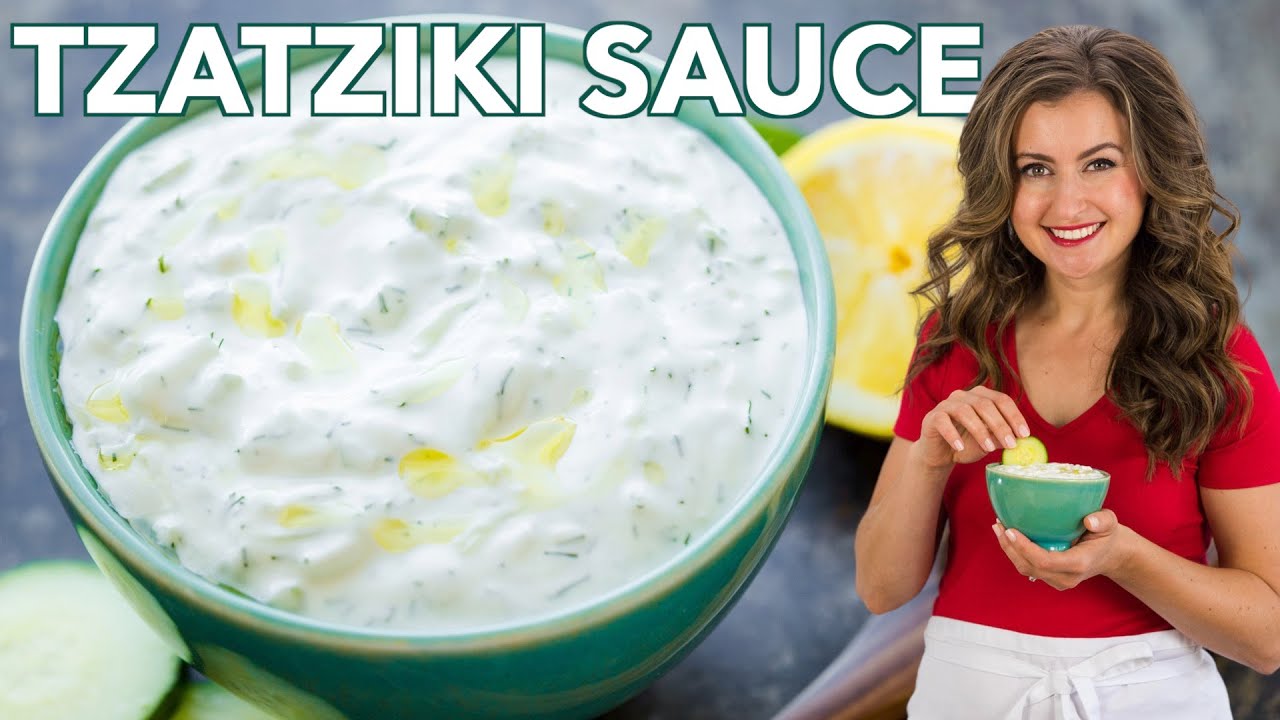
Tzatziki
Why It Works with Moussaka
Tzatziki is cold, tangy, and garlicky. It works as a cooling contrast to the warm, heavy eggplant casserole.
The yogurt base adds creaminess without the weight of more bechamel. And the cucumber gives a crunch that moussaka lacks on its own.
Greeks treat tzatziki more like a condiment than a side dish. A spoonful on the plate, right next to the moussaka. You dip, you spread, you mix it in.
Key Ingredients
- Full-fat Greek yogurt (strained is best)
- Grated cucumber, squeezed dry
- Fresh garlic, olive oil, and lemon juice
- Fresh dill or mint (optional but good)
How to Make It
Grate a cucumber on the large holes of a box grater. Squeeze the water out with your hands or wrap it in a clean kitchen towel and wring it hard. This step matters. Skip it and your tzatziki turns into soup.
Mix the drained cucumber with yogurt, minced garlic, a drizzle of olive oil, and a squeeze of lemon. Season with salt.
Let it sit in the fridge for at least 30 minutes. Took me a long time to learn this, but the resting period is where the magic happens. The garlic mellows out and everything comes together.
Flavor and Texture Balance
Cool and tangy against warm and savory. The lemon and garlic add brightness to a meal that can feel one-note without it.
If you’re serving moussaka with lamb mince, tzatziki is basically non-negotiable. Yogurt and lamb are one of those pairings that just works, every single time. Similar to how you’d pick the right sides for a lamb dinner.
Serving Tips
Serve cold, straight from the fridge. A small bowl on the side with warm pita bread for dipping is the move.
Drizzle a little extra olive oil on top before serving. It looks better and tastes better.
Storage and Reheating
Keeps 2 to 3 days in an airtight container in the fridge. It may release a bit of liquid overnight, so just stir before serving. Don’t freeze it.
—
Warm Pita Bread

Why It Works with Moussaka
Pita is the utility player of the Mediterranean table. You tear off a piece, scoop up the moussaka filling, and get every last bit of that meat sauce off your plate.
It adds a chewy, bready element that the meal otherwise doesn’t have. Moussaka is all soft layers, so the texture contrast is welcome.
Key Ingredients
- Store-bought or homemade pita rounds
- A little olive oil or butter for warming
How to Make It
If you’re using store-bought pita, wrap them in foil and warm in a 350F oven for about 10 minutes. Or toss them directly on a hot skillet for 30 seconds per side.
Homemade pita is another level entirely, but unless you enjoy a project, the store-bought stuff works fine for a weeknight moussaka dinner.
Flavor and Texture Balance
Neutral and slightly chewy. It doesn’t compete with the moussaka, which is the point. Think of pita as the edible utensil.
Serving Tips
Serve warm, wrapped in a cloth napkin to keep the heat in. Cut into triangles if you’re being fancy.
Even better: pair the pita with tzatziki and hummus or falafel for a full Mediterranean spread alongside your moussaka.
Storage and Reheating
Leftover pita keeps for 2 to 3 days at room temperature in a sealed bag. Reheat in the oven or on a skillet. Microwaving makes it rubbery, so avoid that.
—
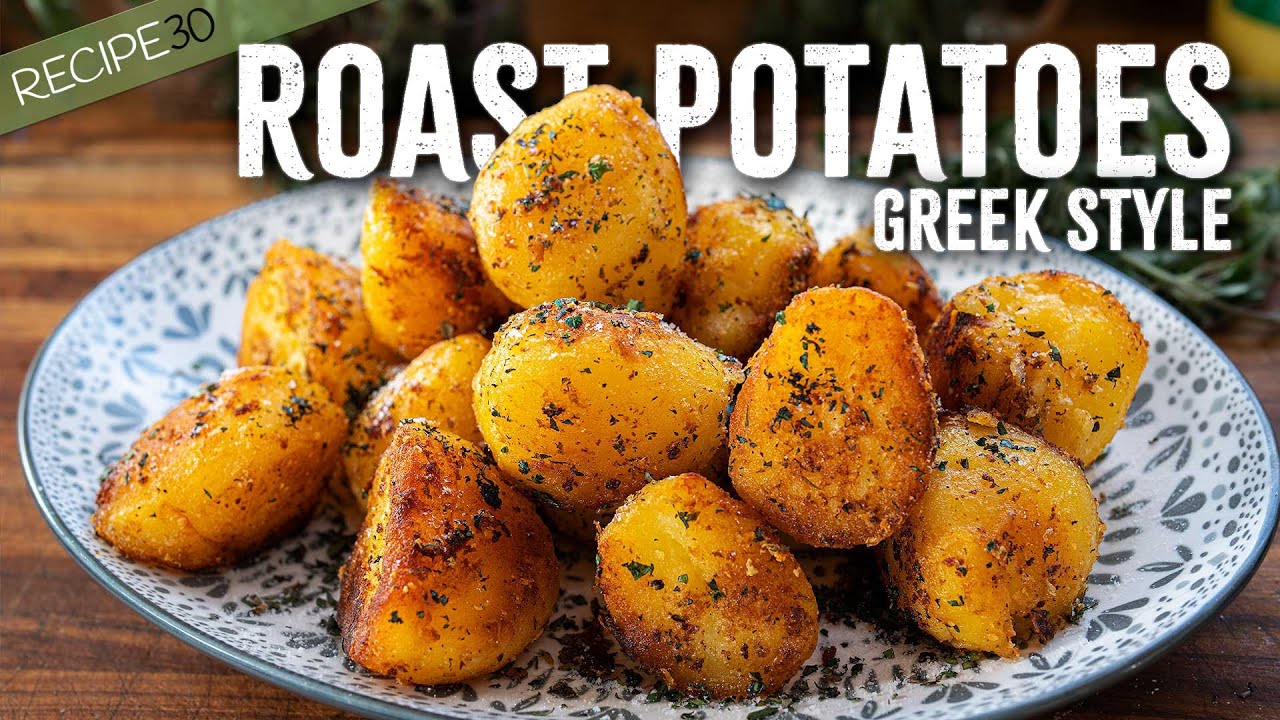
Lemon Roasted Potatoes
Why It Works with Moussaka
Greek-style lemon potatoes are one of the most popular side dishes across all of Greek cuisine. The acidity from the lemon juice keeps the potatoes from feeling too heavy next to an already substantial main course.
Some moussaka recipes include potato layers, some don’t. If yours doesn’t, these fill that gap nicely.
Key Ingredients
- Yukon Gold or russet potatoes, cut into wedges
- Fresh lemon juice and chicken broth
- Garlic, dried oregano, and extra virgin olive oil
How to Make It
Cut potatoes into thick wedges. Toss with olive oil, lemon juice, minced garlic, oregano, salt, and pepper.
Spread in a baking dish and pour chicken broth around them. Roast at 400F for about 45 minutes to an hour, flipping once halfway through.
The broth is the secret. It gets absorbed into the potatoes as they cook, making them soft and almost creamy inside while the edges get golden and crispy.
Flavor and Texture Balance
Tangy, herby, and crispy on the outside. Soft and buttery inside. The lemon cuts through the richness of the moussaka’s bechamel top layer.
Serving Tips
Serve hot, straight from the oven. Squeeze extra fresh lemon over the top right before plating. The potatoes and moussaka can share oven time if you plan it right.
Storage and Reheating
Leftovers keep 3 to 4 days in the fridge. Reheat in the oven at 375F for about 15 minutes. They won’t be as crispy the second time, but the flavor holds up.
—
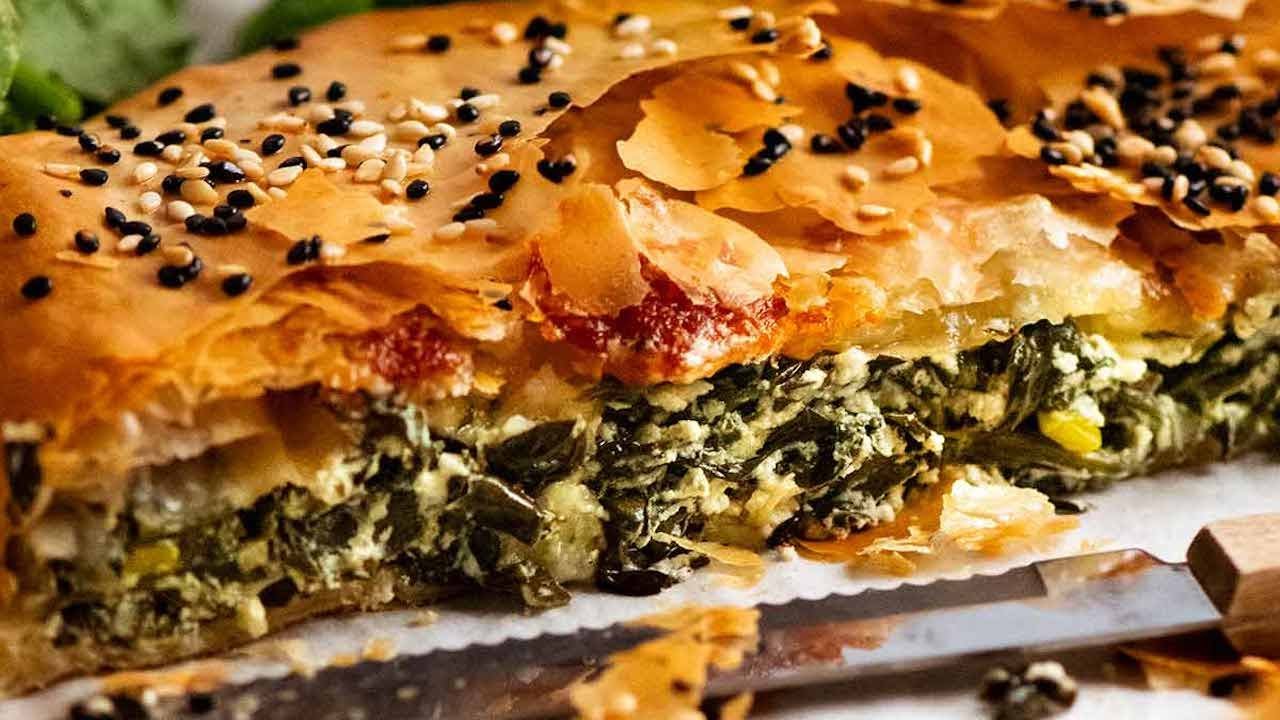
Spanakopita
Why It Works with Moussaka
Spinach and feta wrapped in crispy phyllo dough. It’s a classic Greek appetizer that doubles as a side dish when you cut it into smaller portions.
The flaky, buttery pastry gives you a textural contrast that nothing else on this list provides. And the spinach filling is light enough that it doesn’t make an already filling meal feel like too much.
Key Ingredients
- Fresh or frozen spinach (squeezed completely dry)
- Crumbled feta cheese, fresh dill, and mint
- Phyllo dough sheets brushed with olive oil or butter
- Eggs to bind the filling
How to Make It
Saute onions and garlic in olive oil. Add the drained spinach and cook until any remaining moisture evaporates. Let it cool, then mix with crumbled feta, chopped herbs, and beaten eggs.
Layer phyllo sheets in a baking dish, brushing each layer with olive oil. Spread the filling, add more phyllo on top, brush again. Score the top layers before baking.
Bake at 350F for about 40 to 50 minutes until the top is deeply golden.
Here’s a tip that took me years to figure out. Let the spanakopita cool for at least 15 minutes before cutting. It slices cleaner and the filling sets properly.
Flavor and Texture Balance
Crispy and flaky outside. Soft, herby, and salty inside. The dill and mint in the spanakopita bring a freshness that pairs well with the warm spices (cinnamon, nutmeg) in most moussaka recipes.
Serving Tips
Cut into small squares or triangles when serving as a side. You don’t need a full slice since the moussaka is the star.
Spanakopita works as both a warm and room-temperature side, which makes it great for dinner parties where timing gets tricky.
Storage and Reheating
Keeps well in the fridge for 3 to 4 days. Reheat in a 325F oven until crispy again (about 10 minutes). You can freeze unbaked spanakopita for up to 3 months.
—
Dolmades (Stuffed Grape Leaves)

Why It Works with Moussaka
Dolmades are tangy, herby little rolls that add variety to the plate. They’re one of those traditional Greek sides that turn a regular moussaka dinner into something that feels like a proper Greek feast.
The rice filling is light and lemony, which helps balance the density of the eggplant casserole.
Key Ingredients
- Brined grape leaves (jarred works perfectly)
- Short-grain rice, fresh herbs (dill, mint, parsley)
- Lemon juice, olive oil, and pine nuts (optional)
How to Make It
Mix uncooked rice with chopped herbs, olive oil, lemon juice, and a pinch of salt. Place a small spoonful of filling on each grape leaf, fold in the sides, and roll tightly.
Pack them snugly in a pot, add water and lemon juice to cover halfway, place a plate on top to keep them from unrolling, and simmer for about 45 minutes.
Flavor and Texture Balance
Tangy from the grape leaves and lemon. Slightly chewy with a tender rice center. These are the opposite of moussaka in nearly every way, which is exactly why they work next to it.
Serving Tips
Serve at room temperature or slightly chilled. Drizzle with a bit of lemon juice and olive oil before plating.
Put 3 or 4 dolmades on the side of each plate. They’re small, so they don’t crowd the moussaka.
Storage and Reheating
Store in the fridge for up to 5 days. They actually taste better the next day as the flavors develop. You can eat them cold or warm them gently in a pan with a splash of water.
—
Roasted Mediterranean Vegetables

Why It Works with Moussaka
A tray of roasted vegetables is the easiest way to add color, nutrition, and lighter flavors to a moussaka meal. It’s hands-off cooking, and it rounds out the dinner plate nicely.
This is a good pick if you want something healthy next to a dish that’s, well, not exactly light on calories.
Key Ingredients
- Zucchini, bell peppers, cherry tomatoes, and red onion
- Extra virgin olive oil, garlic, and dried oregano
- Salt, pepper, and a squeeze of lemon
How to Make It
Chop everything into similar-sized pieces. Toss with olive oil, minced garlic, oregano, salt, and pepper. Spread on a sheet pan in a single layer.
Roast at 425F for 25 to 30 minutes until the edges start to char. Don’t overcrowd the pan or they’ll steam instead of roast.
Finish with a squeeze of fresh lemon juice right when they come out of the oven.
Flavor and Texture Balance
Sweet from the caramelization, slightly smoky from the high heat. The vegetables bring a brightness that the moussaka doesn’t have on its own.
If you already have eggplant in the moussaka, skip it here and double up on zucchini or peppers instead.
Serving Tips
Serve hot alongside the moussaka. You can roast the vegetables on the rack below the moussaka if oven space is tight.
This is a similar approach to what you’d do when choosing sides for a lasagna dinner. Both dishes are heavy, so the vegetables do the same job of lightening things up.
Storage and Reheating
Keeps 3 to 4 days refrigerated. Reheat in the oven or eat cold tossed into a salad. They lose crispness but the flavor stays.
—
Avgolemono Soup

Why It Works with Moussaka
Avgolemono is a lemon egg soup that’s lighter than it sounds. The broth is silky, bright with citrus, and warm enough to start a Greek dinner on the right note.
Serving it as a first course before moussaka is the traditional move. It wakes up your appetite without filling you up.
Key Ingredients
- Chicken broth, orzo pasta or rice
- Eggs and fresh lemon juice (this is the “avgolemono” part)
- Salt, pepper, and optional fresh dill
How to Make It
Bring chicken broth to a boil and cook the orzo or rice until tender. In a separate bowl, whisk eggs with lemon juice.
Here’s the tricky part. Slowly ladle hot broth into the egg mixture while whisking constantly. This tempers the eggs so they don’t scramble. Then pour the tempered egg mixture back into the pot and stir.
The soup should be creamy and smooth, not chunky. If you see little bits of cooked egg, you went too fast.
Flavor and Texture Balance
Silky, tart, and warm. The lemon is the star and it pairs perfectly with the warm spices in the moussaka, like cinnamon and nutmeg.
Serving Tips
Serve in small bowls as a starter course. This isn’t meant to be a meal on its own when paired with moussaka.
Make it right before serving. Avgolemono doesn’t reheat well because the egg-lemon mixture can break and become grainy.
Storage and Reheating
Best eaten fresh. You can refrigerate it for a day, but reheat gently over low heat while stirring. Never boil it once the eggs are in or it will curdle.
—
Steamed Asparagus with Lemon

Why It Works with Moussaka
Sometimes the best side dish is the simplest one. Steamed asparagus takes under 10 minutes and adds a green, fresh element to the plate without any extra heaviness.
The subtle bitterness of asparagus plays well against the sweet eggplant and rich bechamel. And it keeps the Mediterranean diet vibe going.
Key Ingredients
- Fresh asparagus spears, trimmed
- Lemon juice, olive oil, salt, and pepper
- Optional: shaved Parmesan or toasted pine nuts
How to Make It
Snap off the woody ends. Steam or blanch the asparagus for 3 to 4 minutes until bright green and tender-crisp. Don’t overcook them. Mushy asparagus is a crime.
Dress immediately with olive oil, a good squeeze of lemon, and a pinch of flaky salt.
Flavor and Texture Balance
Bright and vegetal with a slight snap. The lemon ties it back to the Greek flavor profile of the rest of the meal.
Serving Tips
Lay the spears alongside the moussaka on the plate. Simple, clean, and it adds visual appeal with that pop of green.
If you’ve got grilled asparagus instead of steamed, even better. A little char goes a long way. The same kind of thinking applies when picking sides for grilled chicken, too. Simple vegetables, high heat, done.
Storage and Reheating
Eat it fresh. Steamed asparagus doesn’t store well. It goes limp and loses its color. If you have leftovers, chop them up and toss into a salad or frittata the next day.
—
Crusty Bread with Butter

Why It Works with Moussaka
Look, not every side dish needs to be complicated. A good loaf of crusty bread and some quality butter is honestly all you need alongside a moussaka family dinner.
The bread soaks up the meat sauce and bechamel. It gives you something to hold. And there’s a reason every Greek taverna puts bread on the table before anything else arrives.
Key Ingredients
- A fresh baguette, sourdough loaf, or traditional Greek psomi
- Good butter (salted or unsalted, your call)
How to Make It
Buy a good loaf. Slice it. That’s the recipe.
If you want to put in a tiny bit more effort, make garlic bread. Slice a baguette lengthwise, spread with garlic butter, and bake at 375F for about 10 to 12 minutes until golden.
Flavor and Texture Balance
Crunchy crust, soft interior. Neutral enough to let the moussaka do the talking, but satisfying enough to make the meal feel complete.
Serving Tips
Serve warm in a basket or on a board. Tear-and-share style works great for a casual dinner.
This is the same approach that works for other hearty mains. Whether you need sides for beef stew or moussaka, crusty bread rarely lets you down.
Storage and Reheating
Fresh bread is best day-of. If you have leftover bread, make croutons or breadcrumbs. To refresh a stale loaf, run it under water quickly and bake at 350F for 5 to 10 minutes. Works every time.
FAQ on What Side Dish Goes With Moussaka
What is the best side dish for moussaka?
A classic Greek salad with tomatoes, cucumbers, feta cheese, and Kalamata olives. It’s light, fresh, and acidic enough to cut through the richness of the bechamel sauce and meat layers.
What vegetables go well with moussaka?
Roasted zucchini, bell peppers, and cherry tomatoes work great. Steamed asparagus with lemon is another solid pick. Stick with Mediterranean vegetables that won’t compete with the eggplant already in the dish.
Is moussaka served with rice?
It can be. A simple Greek rice pilaf or herbed basmati rice pairs well, especially if your moussaka has a saucier meat filling. But traditionally in Greece, bread or salad is more common than rice.
What bread goes with moussaka?
Warm pita bread is the go-to. Crusty sourdough or a French baguette also works. The bread is there to soak up the meat sauce and bechamel, so pick something with a good crust.
Can you serve moussaka with pasta?
Not typically. Moussaka is already a layered, carb-heavy dish with potato or eggplant. Adding pasta would make the meal too dense. If you want a grain, orzo salad with lemon vinaigrette is a better fit.
What salad pairs best with moussaka?
Horiatiki (traditional Greek salad) is the classic choice. A simple cucumber and mint salad or a romaine salad with lemon vinaigrette and fresh dill also balances the heaviness of the casserole nicely.
What dip goes with moussaka?
Tzatziki is the top choice. The cool yogurt, cucumber, and garlic combination complements the warm spices in moussaka perfectly. Hummus or melitzanosalata (roasted eggplant dip) are also good options.
Is moussaka a main dish or a side dish?
Moussaka is a main course. It’s a filling casserole made with eggplant, ground lamb or beef, tomato sauce, and bechamel sauce. Pair it with one or two lighter sides for a balanced Greek dinner.
What do Greeks traditionally serve with moussaka?
Crusty bread and a fresh salad. That’s it, most of the time. Maybe some marinated olives or tzatziki on the side. Greeks keep it simple because moussaka is already a complete, hearty meal on its own.
Can you make moussaka side dishes ahead of time?
Yes. Tzatziki, dolmades, and spanakopita all hold well in the fridge for a day or two. Greek salad should be assembled fresh, but you can prep the vegetables in advance and dress right before serving.
Conclusion
Figuring out what side dish goes with moussaka doesn’t need to be complicated. The key is contrast. Pair something light and acidic with a dish that’s already rich and filling.
A simple horiatiki salad, some warm pita, or a bowl of tzatziki will do more for your meal than any elaborate side ever could.
If you’re hosting a bigger Greek dinner, add spanakopita or dolmades to the spread. They hold well, they look impressive, and they give your guests more to pick at without overwhelming the table.
Moussaka is a generous dish. It doesn’t need much next to it. Just something fresh, something bright, and maybe a good loaf of crusty bread to finish the plate.
Keep it simple. Your moussaka dinner will be better for it.


