

Summarize this article with:
A great Italian beef sandwich deserves more than a lonely plate. But figuring out what side dish goes with Italian beef can be tricky, especially when the sandwich itself already packs so much flavor with its seasoned beef, giardiniera, and rich au jus.
The right side dish doesn’t just fill space. It balances the richness, adds texture, and turns a sandwich into a full meal.
After years of testing everything from crispy French fries to creamy polenta alongside Chicago-style beef, I’ve narrowed it down to the sides that actually work. Not just okay pairings, but the ones people come back for.
In this guide, you’ll find the best side dishes for Italian beef sandwiches, with tips on how to make each one and which variations pair best. Whether you’re cooking for a weeknight dinner or feeding a crowd on game day, there’s something here for every setup.
Best Side Dishes for Italian Beef Sandwiches
French Fries

Why It Works with Italian Beef
Crispy fries and a juicy Italian beef sandwich is one of those combinations that just clicks. The salty crunch cuts right through the rich, seasoned beef and soaked bread.
At most Chicago beef joints, fries are the default side. There’s a reason for that.
The mild potato flavor doesn’t compete with the bold Italian seasoning blend on the meat. It stays out of the way while adding texture to every bite.
How to Make It
Cut russet potatoes into even sticks, about 1/4 inch thick. Soak them in cold water for 30 minutes to pull out extra starch. Pat dry.
Fry at 325F for about 5 minutes first (the blanch fry). Pull them out, crank the oil to 375F, then fry again until golden. Double frying is the trick most people skip, and it makes all the difference.
Season immediately with salt while they’re still glistening with oil.
Best Variation for Italian Beef
Garlic Parmesan fries are the move here. Toss your fresh fries with minced garlic, grated Parmesan, and chopped parsley. The Italian flavors tie everything together on the plate.
Or go with Cajun sweet potato fries if you want something a little different. The slight sweetness pairs surprisingly well with the savory beef au jus.
Prep and Serving Tips
Use the leftover beef au jus as a dipping sauce for the fries. Seriously. People who try this never go back to ketchup.
If you’re feeding a crowd on game day, an air fryer keeps batches coming fast without the mess of a deep fryer. Set it to 400F for about 15 minutes, shaking the basket halfway through.
Coleslaw
Why It Works with Italian Beef
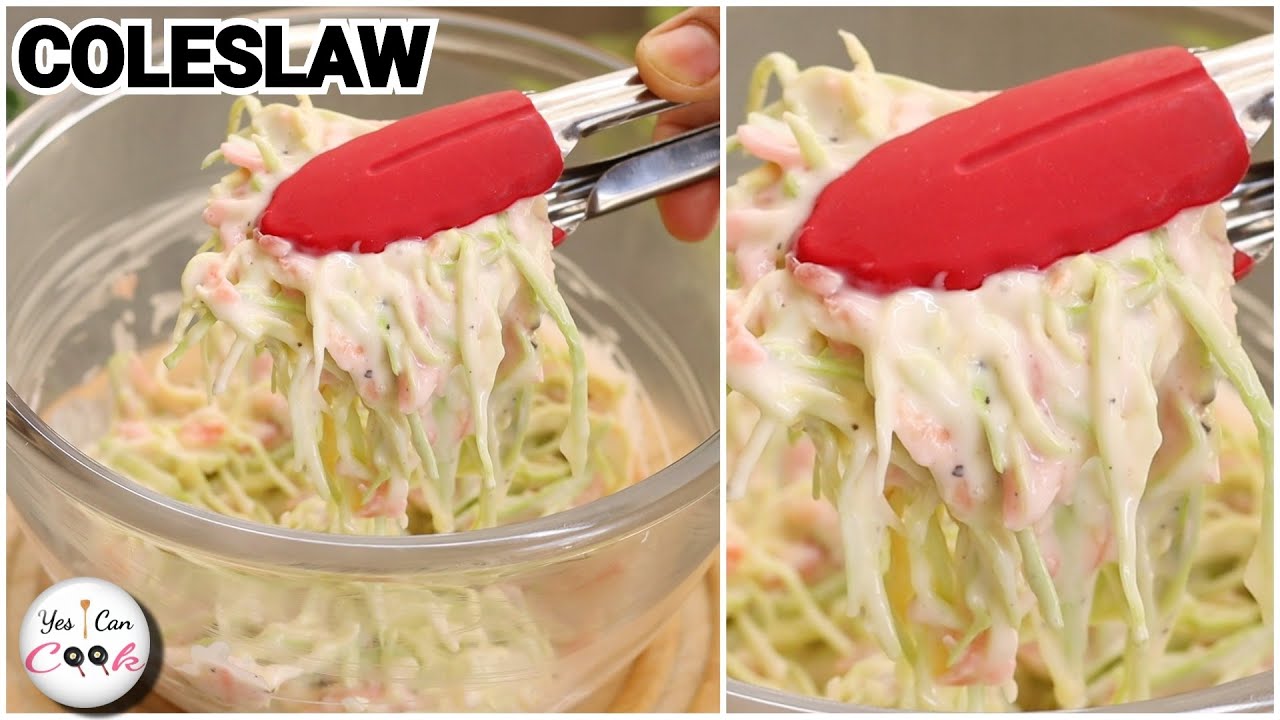
A heavy, dripping Chicago-style beef sandwich needs something cool and crunchy to balance it out. That’s coleslaw’s whole job.
The tangy dressing and crisp cabbage provide a refreshing contrast. Your palate gets a reset between bites, which actually makes the beef taste even better.
How to Make It
Shred green cabbage and carrots. Keep them thin so they’re easy to eat alongside a messy sandwich.
For the dressing, mix mayo, apple cider vinegar, a pinch of sugar, celery seed, salt, and pepper. Toss the vegetables in the dressing and refrigerate for at least an hour. That resting time softens the cabbage just enough.
Best Variation for Italian Beef
Try a buttermilk coleslaw with a touch of horseradish. The slight heat and extra tang work beautifully with slow cooker Italian beef.
Some people swap the mayo dressing for an Italian vinaigrette version with olive oil, red wine vinegar, and oregano. It keeps things lighter and ties in with the Mediterranean flavor profile.
Prep and Serving Tips
Make it the night before. The flavors develop more as it sits in the fridge. Just give it a good stir before serving since the dressing settles.
Serve it cold, right from the refrigerator. The temperature contrast with the hot sandwich is half the appeal.
Caprese Salad

Why It Works with Italian Beef
Fresh mozzarella, ripe tomatoes, and basil drizzled with olive oil and balsamic vinegar. It’s light, it’s clean, and it keeps the whole meal from feeling too heavy.
The Italian roots of both dishes make them natural partners on the same plate.
How to Make It
Slice fresh mozzarella and tomatoes about 1/4 inch thick. Alternate them on a plate with fresh basil leaves tucked between the slices.
Drizzle with good extra virgin olive oil and balsamic vinegar. Finish with flaky sea salt and cracked black pepper. That’s it. Don’t overcomplicate this one.
Best Variation for Italian Beef
Use burrata instead of regular mozzarella if you can find it. When you cut into it, the creamy center spills out and creates its own sauce. It feels like a completely different dish.
Add some marinated artichoke hearts on the side for a more filling antipasto-style plate.
Prep and Serving Tips
Let the tomatoes and mozzarella come to room temperature before serving. Cold mozzarella tastes like rubber. Give it 20 minutes on the counter.
Use the best tomatoes you can find. In winter, cherry tomatoes or grape tomatoes often have better flavor than the big ones.
Roasted Vegetables

Why It Works with Italian Beef
Roasting brings out natural sweetness in vegetables through caramelization. That sweetness is a perfect counterpoint to the savory, peppery beef.
Plus, it’s the healthiest option on this list if you’re trying to keep the meal somewhat balanced. At least in my experience, people always finish the roasted vegetables first.
How to Make It
Cut zucchini, bell peppers, eggplant, and onions into similar-sized pieces. Toss with olive oil, salt, pepper, and Italian seasoning.
Spread them in a single layer on a sheet pan. Don’t crowd them. Overcrowding steams the vegetables instead of roasting them, and you lose all that crispy caramelization.
Roast at 425F for 25 to 30 minutes. Flip them once halfway through.
Best Variation for Italian Beef
Try roasted Brussels sprouts with a drizzle of balsamic glaze. The slight bitterness and caramelized edges pair extremely well with the richness of slow-cooked beef.
Grilled vegetables work great in summer. The char adds a smoky layer that complements the Italian seasoning blend on the beef.
Prep and Serving Tips
Cut everything the same size. This matters more than people think. Uneven pieces mean some burn while others stay raw.
You can prep the vegetables hours ahead and keep them tossed in oil on the sheet pan. Just slide them into the oven when you’re ready.
Garlic Bread
Why It Works with Italian Beef
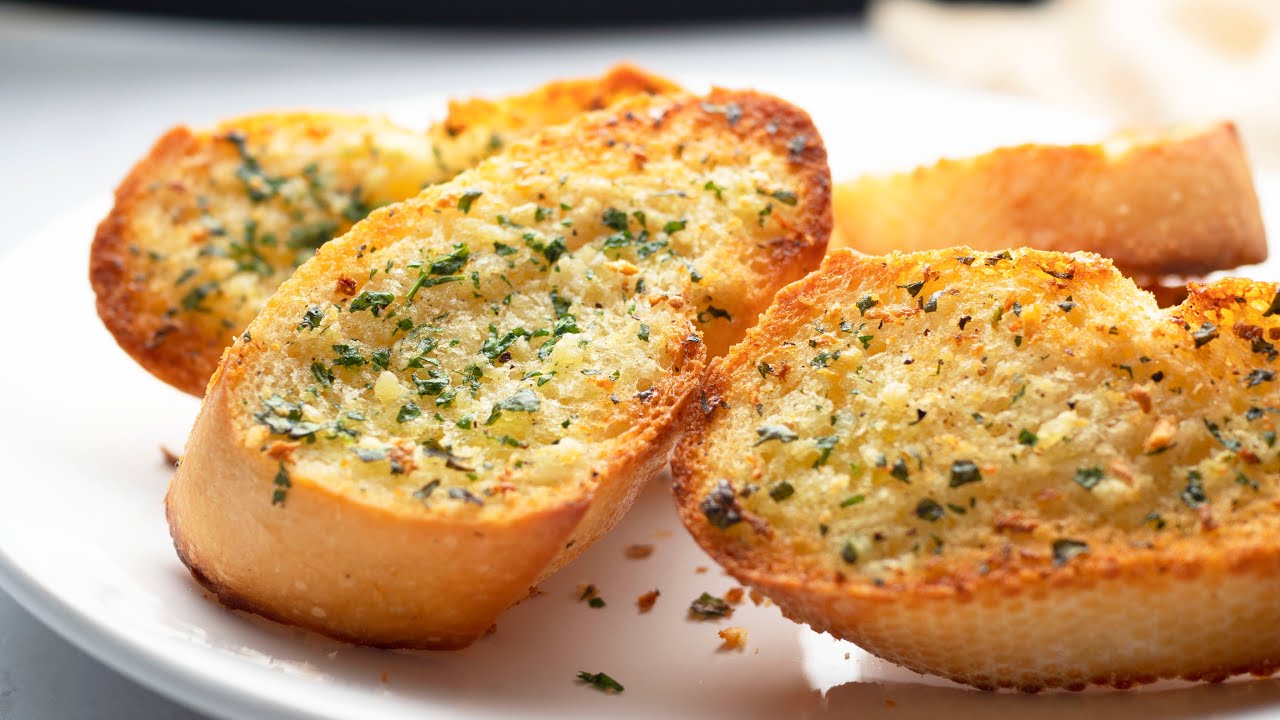
I know, you’re already eating bread with the sandwich. But there’s something about warm, buttery garlic bread that turns a simple Italian beef dinner into a full comfort food spread.
It’s especially good for soaking up any leftover au jus on the plate. Nothing goes to waste.
How to Make It
Split a loaf of French or crusty Italian bread lengthwise. Mix softened butter with minced garlic, parsley, and a pinch of salt.
Spread the butter mixture generously on both halves. Wrap in foil and bake at 375F for 10 minutes. Then unwrap and broil for 2 to 3 minutes until the edges get golden and crispy.
Best Variation for Italian Beef
Add a layer of Parmesan cheese before broiling. The cheese melts into the butter and creates a crust that’s almost addictive.
For something different, try using ciabatta bread instead. Its open crumb structure holds more butter and gets crunchier in the oven.
Prep and Serving Tips
Slice into portions before baking so people can grab pieces easily. Works great for a family meal or party setup where everyone is serving themselves.
The foil-then-broil method is the move. Foil keeps it soft inside while the broiler crisps the top. Took me forever to figure that out.
Potato Salad

Why It Works with Italian Beef
Creamy potato salad is a classic sandwich side for good reason. The cool, starchy bite balances the warm, salty beef without adding competing bold flavors.
It’s one of those crowd pleasing sides that works whether you’re at a backyard cookout or a weeknight dinner table.
How to Make It
Boil Yukon Gold potatoes until fork-tender, about 15 minutes. Let them cool before cutting into cubes.
Mix mayo, Dijon mustard, a splash of vinegar, diced celery, red onion, and chopped dill pickles. Fold the potatoes in gently so they don’t turn to mush. Season with salt and pepper.
Best Variation for Italian Beef
A Greek-style potato salad with olive oil, lemon juice, red onion, and herbs feels more Mediterranean. It’s lighter on the stomach and pairs nicely with the Italian flavors.
If you want something heartier, look into what pairs well with roast beef. A lot of those potato-based sides translate perfectly to Italian beef too.
Prep and Serving Tips
Always make potato salad ahead of time. A few hours in the fridge lets everything come together. The potatoes absorb the dressing and the flavors meld.
Don’t dress it while the potatoes are still hot. They’ll absorb too much mayo and the texture gets gummy. Patience here pays off.
Giardiniera

Why It Works with Italian Beef
Okay, technically giardiniera is a topping. But in Chicago, it doubles as a side dish. People eat it straight from the jar alongside their beef sandwiches.
The pickled, spicy, crunchy mix of cauliflower, celery, peppers, and olives cuts through the richness of the beef like nothing else. It’s practically mandatory if you’re going for a true Chicago-style beef experience.
How to Make It
Chop celery, cauliflower, carrots, bell peppers, serrano peppers, and olives into small pieces. Toss with kosher salt and let them sit overnight.
Drain and rinse. Pack the vegetables into jars and cover with a mix of olive oil, dried oregano, garlic, and red pepper flakes. Let it marinate for at least 3 to 4 days before eating.
Best Variation for Italian Beef
Hot giardiniera is the way to go. The heat plays off the savory beef au jus and sweet peppers beautifully. Mild versions exist, but if you’re doing this right, go hot.
Some people add a few tablespoons of the giardiniera oil to the sandwich jus for an extra layer of flavor. Game changer.
Prep and Serving Tips
Homemade giardiniera needs time to develop. Start it at least 4 days before you plan to serve Italian beef. The pickled vegetables get better as they sit.
Store-bought works fine when you’re short on time. Brands like Marconi and Mezzetta are solid choices available at most grocery stores.
Italian Pasta Salad

Why It Works with Italian Beef
A cold Italian pasta salad loaded with salami, pepperoni, olives, and pepperoncini matches the sandwich’s flavor profile while adding a different texture.
It rounds out the meal and adds enough substance to call it a dinner, not just a sandwich.
How to Make It
Cook rotini or bowtie pasta al dente. Drain and rinse with cold water to stop the cooking.
Toss with diced salami, mozzarella pearls, cherry tomatoes, black olives, pepperoncini, and red onion. Dress with Italian vinaigrette. Refrigerate for at least an hour.
Best Variation for Italian Beef
Add marinated artichokes and roasted red peppers for an antipasto-style version. It’s basically an antipasto platter in salad form.
If you enjoy pasta sides, you might also like pairing ideas for lasagna or ravioli, since a lot of those Italian sides overlap.
Prep and Serving Tips
Pasta salad absorbs dressing as it sits. Add extra vinaigrette before serving if it’s been in the fridge overnight. It’ll look dry but it’s an easy fix.
This is a great make ahead side for potluck side dishes or party food pairings. It travels well and tastes better after a few hours.
Onion Rings

Why It Works with Italian Beef
Crispy, golden onion rings bring a satisfying crunch that the soft, juicy sandwich doesn’t have. The sweet onion flavor is mild enough that it doesn’t fight with the beef seasoning.
Think of it as the fried side option when you want something besides fries. It’s a light flavor that adds just enough without being too much at once.
How to Make It
Slice sweet onions into 1/2-inch rings. Separate them and soak in buttermilk for 30 minutes.
Dredge in a seasoned flour mixture (flour, paprika, garlic powder, salt). Fry in 375F oil for 2 to 3 minutes until deeply golden. Drain on a wire rack, not paper towels. Wire racks keep them crispy.
Best Variation for Italian Beef
Beer-battered onion rings are worth the extra step. The batter gets lighter and puffier, almost tempura-like. Use a lager or pilsner for best results.
Serve them with a side of marinara sauce for dipping to keep the Italian theme going. Or dip them right in the au jus. Your call.
Prep and Serving Tips
Serve immediately. Onion rings lose their crunch fast, maybe 10 minutes tops before they start going soft. No way around it.
If you’re also making sides for hamburgers or pulled pork sandwiches, onion rings work across the board. One batch covers multiple meals.
Creamy Polenta
Why It Works with Italian Beef
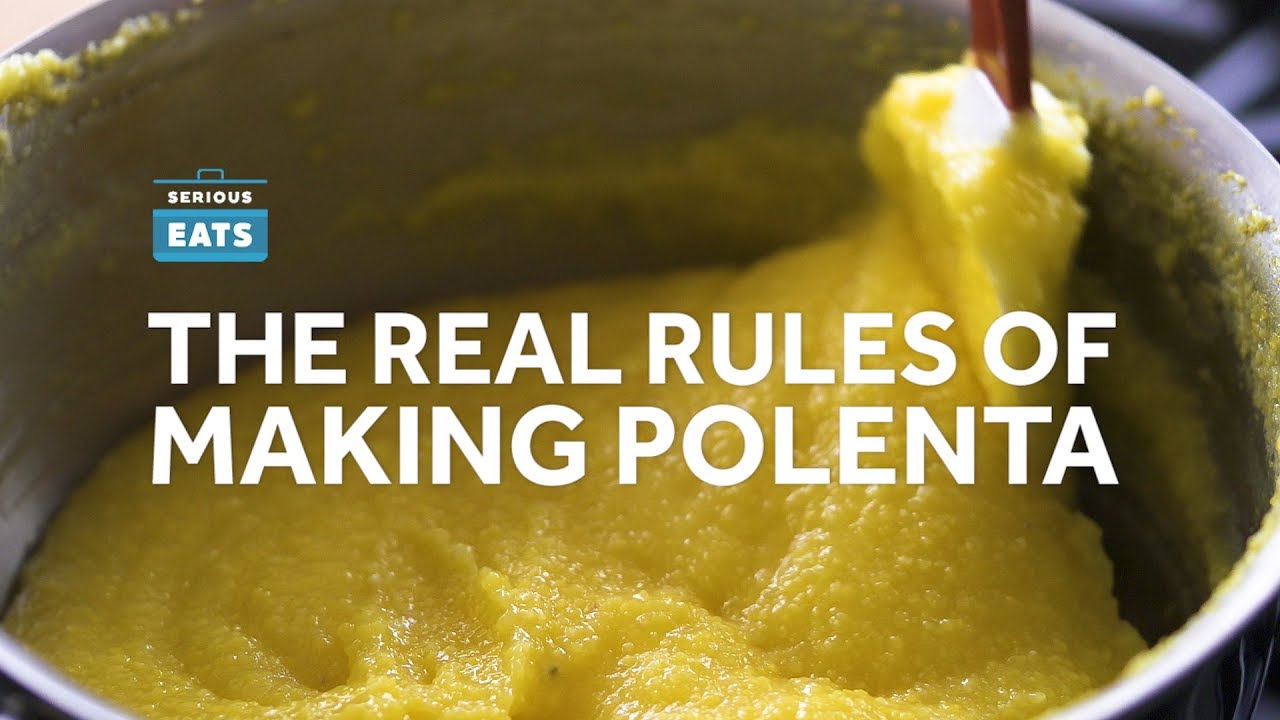
Creamy polenta is the side dish people don’t think of but always love once they try it. The smooth, buttery cornmeal pairs naturally with Italian beef since both come from the same culinary tradition.
Think of it as the Italian version of mashed potatoes. Except better with this sandwich.
How to Make It
Bring water or chicken broth to a boil. Use a 5:1 liquid to cornmeal ratio for a creamy consistency. Slowly whisk in the polenta while stirring constantly to avoid lumps.
Cook on low heat for 30 to 45 minutes, stirring every few minutes. Finish with butter, grated Parmesan cheese, and a pinch of salt. The cheese and butter at the end are what make it special.
Best Variation for Italian Beef
Add mascarpone instead of butter for an even richer, silkier finish. Some restaurants in northern Italy do this, and it turns basic polenta into something pretty special.
For a different take, let leftover polenta firm up in the fridge overnight, slice it into squares, and pan-fry in olive oil until crispy on both sides. Crispy outside, creamy inside.
Prep and Serving Tips
Ladle the beef au jus right over the polenta on the plate. The polenta soaks it up and every bite becomes this rich, savory experience. Took me years of making sides for beef stew before I realized polenta works just as well here.
Polenta firms up quickly once it cools. Keep it covered on the stove over very low heat if you’re not serving right away. Add a splash of broth and stir to loosen it back up.
FAQ on What Side Dish Goes With Italian Beef
What is the best side dish for Italian beef sandwiches?
French fries are the most popular choice. Their crispy, salty profile complements the rich, seasoned beef without competing for attention. Garlic Parmesan fries take it up a notch by tying into the Italian flavor profile.
What vegetables go well with Italian beef?
Roasted zucchini, bell peppers, eggplant, and onions work best. The caramelization from roasting adds natural sweetness that balances the savory beef au jus. Grilled asparagus is another solid option during summer.
What salad pairs with Italian beef sandwiches?
A Caprese salad with fresh mozzarella, tomatoes, and basil is the go-to. Its light, fresh flavors contrast the heavy sandwich perfectly. Italian pasta salad and Caesar salad also work well as cold side options.
Can you serve soup with Italian beef?
Yes. Creamy tomato soup and minestrone are both great picks. The soup and sandwich combo feels like a complete meal. Just avoid anything too heavy since the beef sandwich is already filling on its own.
What do Chicago restaurants serve with Italian beef?
Most Chicago-style beef spots serve fries, onion rings, or a side of giardiniera. Some places offer Italian ice as a palate cleanser. At Portillo’s, you’ll typically see fries and coleslaw as the standard sides.
Is giardiniera a side dish or a topping?
Both, honestly. In Chicago, giardiniera goes on top of the sandwich and gets served alongside it. The pickled vegetables, peppers, and olives work as a standalone side that cuts through the richness of the beef.
What starchy sides go with Italian beef?
Creamy polenta, potato salad, and garlic bread are the top starchy options. Polenta is the traditional Italian pick. Potato salad brings a cool, creamy contrast that works well at potluck side dishes and family gatherings.
What side dishes work for a large crowd?
Italian pasta salad, coleslaw, and baked beans are easy to scale up. They’re all make ahead sides that taste better after sitting in the fridge. Perfect for game day spreads and party food pairings.
What healthy sides pair with Italian beef?
Roasted vegetables, a green salad with balsamic vinegar dressing, or grilled zucchini keep things lighter. These options add fiber and freshness without piling on extra carbs alongside the bread from the sandwich itself.
What should you avoid serving with Italian beef?
Skip anything with overpowering flavors like heavy curries or strongly spiced dishes. You also don’t need another bread-heavy side since the sandwich already has plenty. Let the Italian seasoning blend on the beef stay the star.
Conclusion
Knowing what side dish goes with Italian beef comes down to balance. You want something that respects the bold flavors of the sandwich without turning the plate into a competition.
Crispy options like onion rings and fries add texture. Cool sides like coleslaw and Caprese salad reset your palate between bites. And traditional Italian picks like polenta and bruschetta keep the whole meal feeling connected.
Don’t overthink it. Start with one or two sides from this list and see what your crowd prefers.
The best Italian beef dinner menu is the one where every dish on the plate earns its spot. No filler, no afterthought. Just good food that makes sense together.
Pick your sides, fire up the slow cooker, and let dinner do the talking.


