

A plate of chicken and rice is mostly one color and one texture, and nobody leaves it wanting more of either. The side dishes for chicken and rice that fix this are a green vegetable, roasted or steamed, and a crisp salad with some acid in the dressing.
Roasted broccoli and green beans come out on top, with cucumber salad right behind them. All three suit most versions of the main, from creamy casserole to lemon-herb baked, and none takes more than about 20 minutes of cooking.
There’s a nutrition reason to care too. Rice and chicken add almost no fiber. A cup of cooked long-grain white rice has under 1 g, and roasted chicken breast has none (USDA FoodData Central, 2024).
Which side dishes go best with chicken and rice?

Plain chicken and rice has no color and not much crunch, and the starch could use something sharp next to it. Sides that supply those things do the job.
I ranked these by how many versions of the main they suit. Anything that takes more than about 25 minutes got marked down, and so did anything that needs more than a sheet pan, a pot or a bowl.
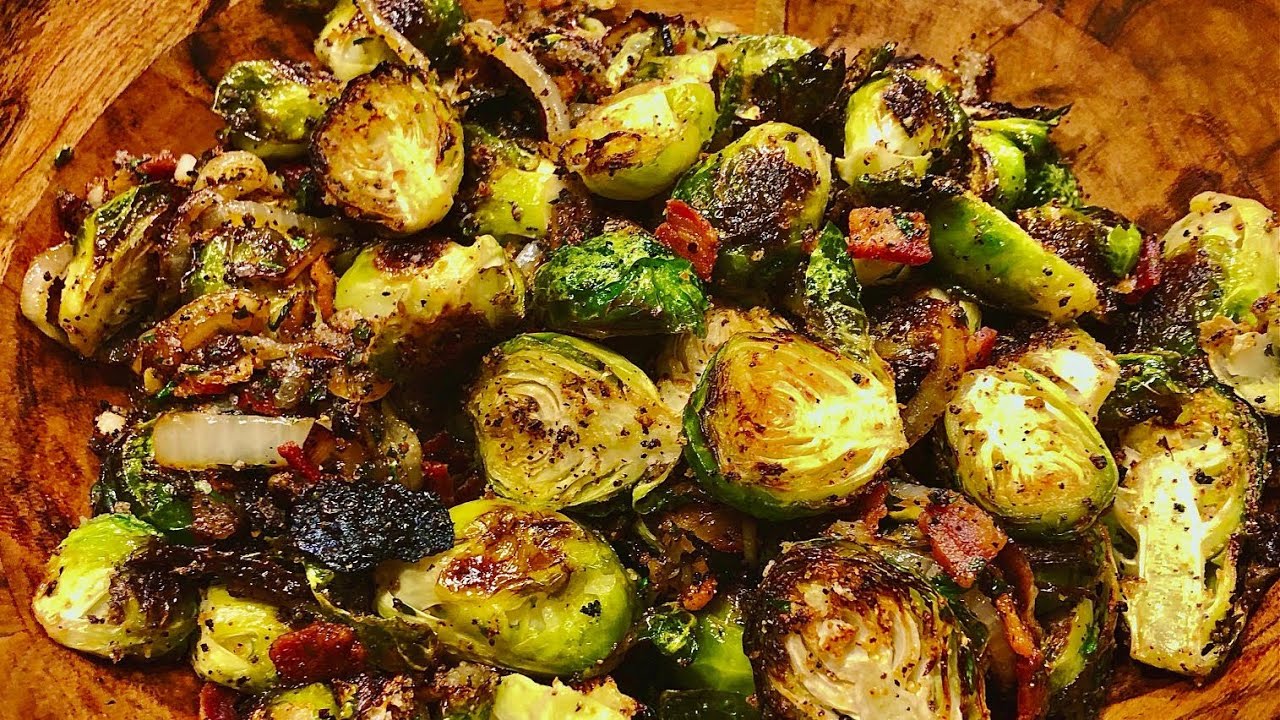
- Roasted broccoli has charred edges and a nutty bite, and it goes in the same oven as a baked main.
- Green beans, steamed or sauteed, stay snappy and clean-tasting. They take almost any seasoning.
- Cucumber salad is cold, crisp and sour from the vinegar. No cooking at all.
- Honey-glazed carrots are soft and sweet, which sets off savory, herby chicken.
- Sauteed spinach tastes of garlic and takes a few minutes on a burner.
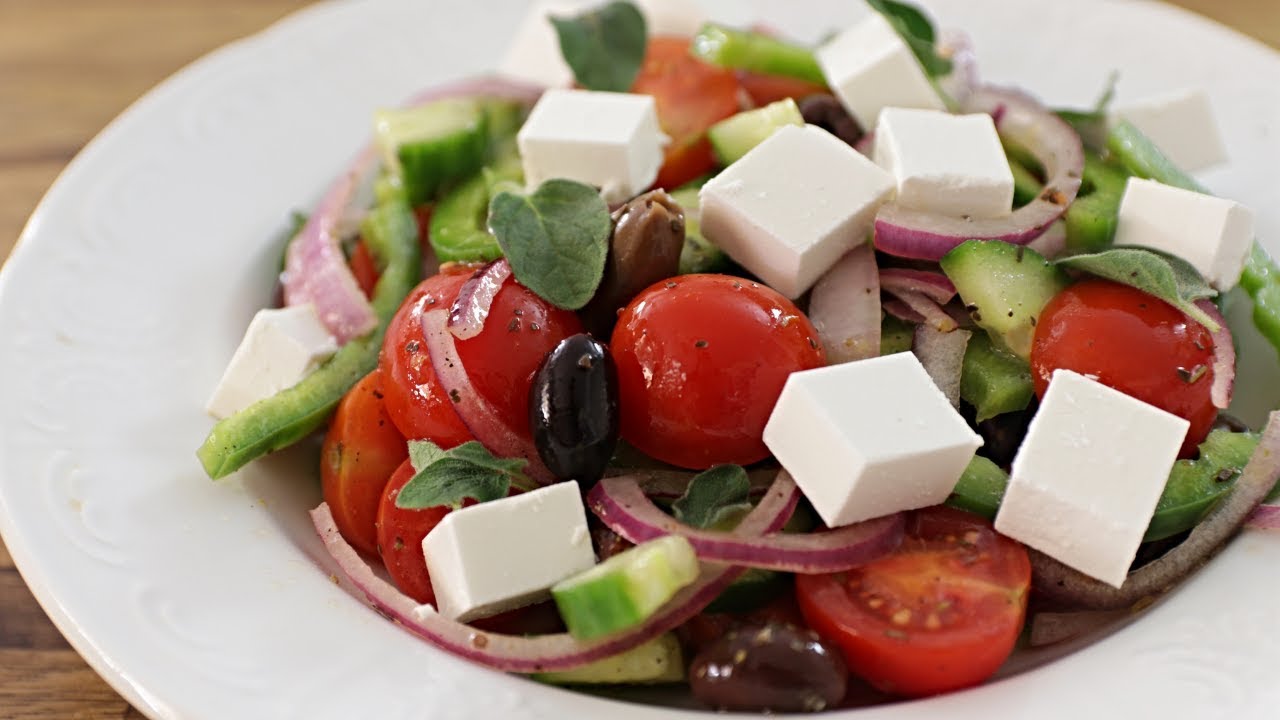
- Greek salad (tomato, cucumber and feta in a lemon and oregano dressing) was made for lemon chicken.
- Coleslaw adds tangy cabbage crunch and works best against plain baked chicken.
- Cornbread is sweet and crumbly, and the one bread worth the oven space.
Most people don’t get enough vegetables to begin with. Only 10.0% of US adults met the vegetable intake recommendation in 2019, according to the CDC’s Morbidity and Mortality Weekly Report (2022).
Chicken and rice brings almost no vegetables of its own, so whatever goes next to it has to make up the difference.
How the style of chicken and rice changes the best side
What the side should do depends on what the main is already doing. A creamy casserole needs acid and crunch beside it. With spicy versions, you want something cool instead.
| Main style | What it lacks | Best side | Skip |
|---|---|---|---|
| Creamy casserole | Acid, crunch | Cucumber salad, roasted asparagus | Creamed spinach |
| Lemon-herb baked | Color, bulk | Roasted broccoli, green beans | Another citrus-heavy side |
| Curry or spicy | Something cool | Tzatziki, yogurt cucumber salad | Spicy slaw |
| Teriyaki | Fresh crunch | Steamed green beans, cucumber salad | Honey-glazed carrots |
| Arroz con pollo | Fresh acid | Pico de gallo, simple green salad | Rice pilaf |
A rough rule sits underneath the table. The louder the seasoning on the main, the plainer the side should be, and mild mains can handle something bolder.
Creamy and casserole-style versions

Cream-of-soup casseroles come loaded with fat and salt already, which is why the side should be sharp and crunchy. A salad that suits a creamy chicken casserole usually leans on a vinaigrette for this reason.
Cucumber salad and roasted asparagus both work. Creamed spinach doesn’t, since that’s cream on top of cream.
Seasoned and spicy versions
When the main is strongly seasoned, keep the side neutral. Steamed green beans or a plain green salad let the main dish carry the flavor.
Curry or chili heat goes the other way, toward something cool. Tzatziki or a yogurt-dressed cucumber salad calms it down, and the salad options for curry follow the same logic.
Mexican-style arroz con pollo needs fresh acid, and pico de gallo (tomato, onion, cilantro, lime) does that as a topping and a side at once.
Rice variety and the side
Basmati has dry, separate grains that suit curry and other saucy sides, and soft, slightly sticky jasmine is a match for teriyaki-style chicken and crisp vegetables. Brown rice is chewy and nutty. Plain roasted vegetables are enough there.
Choose the side for the sauce first and the rice second.
Vegetable sides for chicken and rice, and the best way to cook them

Roast when the oven is already on for the main, and steam or saute when it isn’t. The method sets the texture, and the texture sets how the side sits next to soft rice.
Broccoli roasted at 425 F takes 14 to 20 minutes across three tested recipes (Real Food with Sarah, Belly Full, An Oregon Cottage), so check at 14 and pull it when the edges brown. Brussels sprouts and carrots are denser and take longer.
Roasted asparagus uses the same 425 F, but the spear decides the clock. Pencil-thin spears finish in 8 to 10 minutes (Butter Your Biscuit), while the University of Maryland Medical System recipe allows 15 to 20 for thicker ones.
Steamed green beans need only 3 to 6 minutes according to four tested recipes (Savor the Best, Budget Bytes, A Couple Cooks, Cookin’ Canuck). They stay crisp-tender and bright green.
Spinach is the fastest of the group. It wilts in a few minutes in a hot pan with garlic, though it needs a burner and so competes with the rice pot.
Overcooked green vegetables turn a drab olive green. University of Illinois Extension traces it to acids and prolonged heat converting chlorophyll into pheophytin, and lemon juice counts as one of those acids.
So squeeze the lemon on at the table, not in the pan.
Most recipes here use Fahrenheit. If your oven reads in Celsius, 425 F is about 220 C, and an oven temperature conversion tool covers the other settings.
Fresh and cold sides that cut through a rich main

Acid and crunch cut richness, so cold sides dressed with vinegar or citrus work against creamy or buttery mains. Pick one with a crisp texture and a sharp dressing.
- Greek salad, with tomato, cucumber and feta in lemon and oregano, is the natural partner for lemon chicken
- Cucumber salad is sour, cold and crisp
- Tabbouleh (parsley, bulgur and lemon) is a herb-heavy pick for Mediterranean mains
- Coleslaw brings cabbage crunch and a tangy dressing, and sits well next to plain baked chicken
- Caesar salad, a creamy dressing on crisp romaine, is fine with plain chicken and redundant next to a creamy sauce
Any of these also works with plain roast or baked chicken, and a rundown of salads that pair with chicken gives more combinations.
How long can a cold side wait?
Cucumber salad is the fussiest of the group, and recipe sources disagree on its make-ahead window.
Kristine’s Kitchen allows up to 2 hours ahead without a salting step. Once Upon a Chef goes as far as 12 hours, but only after salting and draining the slices, and Taste of Home puts fridge life at 2 to 3 days with falling crispness.
What they share is the salting. About 30 minutes of it pulls water out of the slices and stretches the window, though dressing the salad shortly before serving is still the safer habit.
Coleslaw and tabbouleh tolerate a wait better than cucumber does. Dressed lettuce wilts fastest of all.
USDA food safety guidance (2024) says perishable food goes back in the refrigerator within 2 hours, or within 1 hour when the air is above 90 F.
Yogurt-based tzatziki and creamy slaws fall under the same rule on a warm table.
Bread and Southern sides for casserole-style chicken and rice

Bread belongs on the plate when the main is saucy and has no place when the rice is dry. Cornbread and collard greens are the Southern pairing for the same casserole-style plates.
Bread earns its spot when the main is a creamy casserole with sauce to mop up, or when the vegetable side is light and the plate needs some weight. It’s the wrong call with dry rice, as in baked or pilaf-style versions, and with chicken that already has a crust or breading.
Garlic bread and dinner rolls do the same job, which is soaking up cream-of-soup sauce. Garlic butter adds fat to a dish that already has plenty, so a plain roll is the safer pick next to a creamy sauce.
Cornbread works as the sweet counterpoint to salty, savory chicken. It bakes at 400 F in a preheated skillet, and the clock depends on batter depth. Powell Family Cooking gives 17 to 20 minutes, while Fresh April Flours gives 38 to 40 for a thicker pour.
Collard greens are bitter and smoky, with a vinegar edge that cuts through a creamy main. Braising takes 30 to 60 minutes across three recipes (Pinch Me I’m Eating, Pit Boss Kitchen, Food Network), so they suit weekends, or a make-ahead the day before, which the Food Network recipe allows.
Pit Boss Kitchen serves its braised collards with cornbread for the leftover broth, which makes the two a natural pair on one plate.
How to time sides so everything finishes together

Start the chicken first, put the oven vegetable in partway through, and use the chicken’s rest for the stovetop side. The burner and the oven should never compete.
- Pick one oven side and one stovetop or no-cook side. Two oven sides crowd the pan.
- Start the chicken. Bone-in thighs roast 30 to 35 minutes at 425 F on a sheet pan (Thyme and Joy), so broccoli joins for the final 15 to 20 minutes unless you want it deeply browned.
- Pull the chicken when a thermometer in the thickest part reads 165 F, the USDA safe minimum for chicken.
- Rest it. America’s Test Kitchen recommends about 5 minutes for chicken parts, which is long enough for sauteed spinach (2 to 5 minutes across four recipes).
- Dress the cold sides and squeeze the lemon on last.
Thighs are the exception worth knowing. Taste of Home pulls them at 170 to 175 F, and Anova’s sheet-pan recipe cooks them to 190 F for a silkier texture, both above the USDA minimum.
Taste of Home’s sheet-pan chicken and spinach recipe moves the chicken to a platter, tops the potatoes and onions with spinach, and roasts them 8 to 10 minutes longer. The spinach avoids the full 35 to 40 minutes in the pan.
An air fryer frees the oven when the main is baking. Real Food with Sarah air-fries broccoli in 8 to 10 minutes, and a calculator that converts oven settings to air fryer settings handles other vegetables.
Roasted broccoli, steamed green beans and sauteed spinach all go to the table hot. Real Food with Sarah says to eat the broccoli straight from the oven, though the prep can happen ahead. Roasted asparagus with balsamic vinegar is fine at room temperature, and the University of Maryland Medical System recipe serves it hot or at room temperature. Collard greens can be made up to a day in advance.
How much vegetable should a chicken and rice plate hold?
Plan about 1 cup of vegetables on the dinner plate, or 2 cups of leafy greens. That follows from the 3 servings a day in the 2025-2030 Dietary Guidelines for Americans (USDA and HHS, January 2026) for a 2,000-calorie pattern, spread across three meals.
Sources split on serving size. USDA’s Daily Servings by Calorie Level table lists 1 cup raw or cooked as a serving, while New Mexico State University Extension counts only half a cup of cooked vegetables.
So the day’s 3 servings come to about 3 cups of cooked vegetables under one definition and 1.5 cups under the other. A 1-cup side at dinner satisfies both.
The carbohydrate numbers are worth a look too. A cup of cooked long-grain white rice has 45 g (USDA FoodData Central), and a serving of roasted asparagus has 5 g (University of Maryland Medical System).
That gap makes the case for a low-carb vegetable side. A serving of asparagus carries about a ninth of the carbohydrate in a cup of rice, so the rice stays the only starch on the plate.
The old half-plate rule is shakier ground. USDA’s MyPlate told people to fill half the plate with fruits and vegetables, but the 2025-2030 guidelines replaced the MyPlate graphic with an inverted pyramid, and FoodNavigator (2026) reports that USDA and HHS have not said MyPlate is discontinued.
Half the plate is still a workable target for a chicken and rice dinner. One vegetable side covers it, and a second side earns its place only when the main is plain.
Which sides to skip with chicken and rice
Skip anything that doubles up on what the plate already has, whether that’s starch on starch or cream on cream. Rice pilaf is the obvious case, since the rice is already there. Mac and cheese, tater tots and fries don’t belong on a plate built around rice, and creamed spinach or other cheese-heavy sides are too much next to a creamy casserole.
The starch problem shows in the numbers. One slice of a skillet cornbread recipe from Where Is My Spoon carries 42 g of carbohydrate (the recipe’s own estimate), within a few grams of the cup of rice mentioned above.
Sources disagree on this. Corrie Cooks puts mac and cheese, tater tots and fried okra among its 16 picks for chicken and rice, and its chicken casserole roundup adds French fries.
Balancing Motherhood and The Chef’s Resource go the other way and choose sides that cut through the richness. The difference is mostly framing. Roundups treat the plate as comfort food. The other camp looks at the same plate and sees one that needs something sharp or green.
My position is one rich element per plate. If mac and cheese is non-negotiable, give it a crisp salad that balances mac and cheese and drop the other starch.
The rule bends for unsauced baked chicken over plain rice. Nothing rich is on that plate, so cornbread or a creamy slaw works. The skip list matters most for creamy and cheesy mains.
FAQ About Side Dishes for Chicken and Rice
Which side dishes do kids eat with chicken and rice?

Mild, soft or sweet sides land best. Honey-glazed carrots and plain steamed green beans usually go over fine, and so does cornbread.
Serve dressings and sauces on the side so kids control the flavor.
What works as a side for a potluck or a large group?
Pick sides that hold at room temperature or cold, such as Greek salad, coleslaw, tabbouleh and cornbread.
Anything that needs last-minute heat, like sauteed spinach, ties up the host’s stove.
What goes with chicken fried rice?
Keep it light, because fried rice already carries vegetables and egg. Cucumber salad or steamed green beans balance it without adding another heavy element, and so does bok choy.
Can soup be the side dish?
Yes, if the broth is thin and a little acidic. Tomato basil soup gives a creamy casserole the sharpness it lacks.
Skip cream soups, which stack cream on cream.
Is fruit salad a good side for chicken and rice?
Yes, with creamy casserole versions, where fruit adds acid and sweetness against a salty sauce.
Skip it with teriyaki chicken or honey-glazed vegetables, since sweet would double up.
How long do sides keep for meal prep?
Cooked sides keep 3 to 4 days in the refrigerator, per USDA guidance (2024).
Some recipe blogs stretch roasted broccoli to 4 or 5 days, which runs past that guidance.
What vegetables go best with chicken and rice?
Roasted broccoli, sauteed green beans, and steamed asparagus are top picks. They add color, crunch, and nutrition without competing with the mild flavors of the main dish, helping you create an extraordinary meal with the right side. Roasted carrots with honey glaze work well too.
Rotating Side Dishes for Chicken and Rice Through the Week
Rotate side dishes for chicken and rice by the gap each one fills, not by recipe. Keep one green vegetable, one cold salad and one bread in play, and change the seasoning around them.
Start the week with the vegetable, since it fills the largest gap. The cold salad comes next, for acid and crunch. Bread goes in last, and only on saucy nights.
The rotation also keeps prep short. Broccoli takes 14 to 20 minutes and green beans 3 to 6, and cucumber salad needs no cooking at all, so the side stays at 20 minutes or less on any night.
The downside is that the same vegetable shows up twice a week. Change the seasoning, not the vegetable.
Teriyaki nights narrow the field further, and a rundown of salads that suit teriyaki chicken covers that case.
A new edition of the Dietary Guidelines for Americans after 2030 would reset the vegetable target. This advice was verified in October 2026.


