


Arugula with a lemon vinaigrette is what I’d put next to chicken marsala. The sauce runs sweet and rich, and the peppery leaves and sharp lemon give the plate something to push against. The raw crunch helps too, since the cutlets are soft all the way through. Caesar, Caprese, spinach, and fennel and orange salads all work for similar reasons.
The dish itself is Italian-American rather than a Sicilian classic. Fortunato Nicotra, a Sicilian-born executive chef at Felidia in New York, told VinePair that cooks in Sicily usually braise lamb or pork with Marsala.
Nothing traditional dictates the side, then. The recipe grew up in Italian-American restaurants, so pairing comes down to balance. Acid against sweetness matters most, and a bit of crunch against the tender cutlets is a bonus.
Which Salads Go Best With Chicken Marsala?
Arugula salad with lemon vinaigrette comes first, followed by Caesar, Caprese, spinach, and fennel and orange. Each one brings acid, bitterness, or crunch that the sweet-savory Marsala sauce does not supply on its own.
| Salad | Flavor role | Key ingredients and dressing | Prep effort |
|---|---|---|---|
| Arugula | Peppery, bitter, acidic | Baby arugula, shaved Parmesan, lemon vinaigrette | Low |
| Caesar | Creamy, salty, crunchy | Romaine, croutons, Parmesan, Caesar dressing | Medium |
| Caprese | Juicy, fresh, mild | Tomato, mozzarella, basil, olive oil | Low, but needs ripe tomatoes |
| Spinach | Mild, earthy | Baby spinach, red onion, toasted walnuts, light red wine vinaigrette | Low |
| Fennel and orange | Citrus acid, anise crunch | Shaved fennel, tart orange segments, lemon, olive oil | Medium |
Arugula wins because one bowl handles every contrast at once. The others suit narrower situations.
Arugula Salad With Lemon and Parmesan

Baby arugula, lemon juice, and extra virgin olive oil make up the base, with shaved Parmigiano-Reggiano on top for salt and a nutty finish. Toasted walnuts are worth adding if you want more crunch.
Stick with baby leaves. They taste milder, which matters when the sauce already has depth, and mature arugula turns harsh next to a mushroom-heavy plate.
The same acid-and-bitterness logic carries over to other rich Italian mains. Osso buco is one of them, and these salad ideas for osso buco follow the same idea.
Caesar Salad

Beth Forrest of the Culinary Institute of America told the Associated Press in 2024 that Caesar salad works because it combines crispy and creamy textures.
Next to chicken marsala, the romaine and croutons carry the contrast, while the dressing sits close to the sauce in richness. The salad is said to date to 1924 in Tijuana, and it reads as a restaurant classic, which suits an Italian-American main.
It has two weak spots. A creamy chicken marsala plus a creamy dressing piles richness on richness, and the croutons go soft if the salad is dressed early.
Caprese Salad
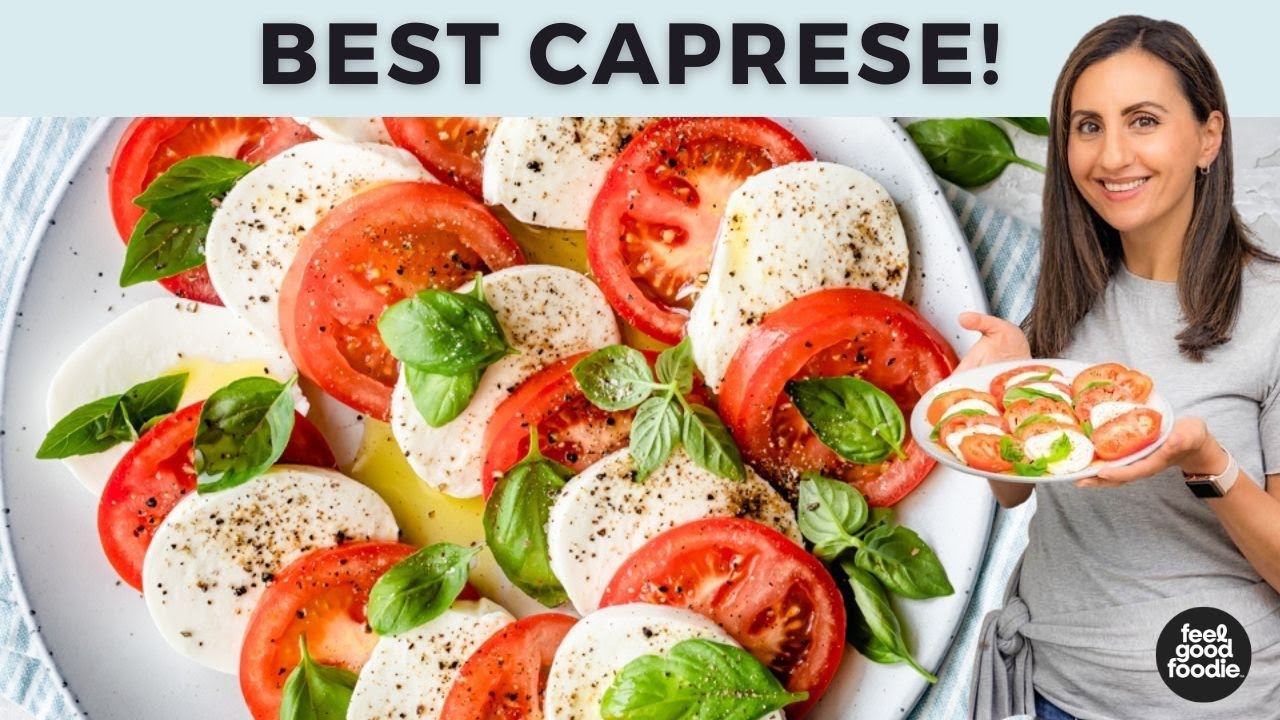
Caprese only really works in summer.
The name points to Capri, and the build is sliced tomato, fresh mozzarella, basil, and olive oil. All the acid comes from the tomato, so pale winter tomatoes leave nothing to offset the sauce.
A few drops of red wine vinegar can rescue a weak tomato. Slice it just before serving, because cut tomatoes release water and thin out the oil.
Salads for Specific Situations
Spinach salad is mild and earthy, which makes it the safe option for guests who dislike bitter greens. Fennel and orange gives you citrus acid and anise crunch, and it’s a good dinner party choice as long as the orange stays tart.
Greek salad (cucumber, tomato, and red onion with red wine vinegar and oregano) is tangy and crunchy. Panzanella is the odd one out. Torn bread soaks up the dressing, so it eats heavier than the rest.
Greek salad and panzanella both add bulk and salt (feta, olives, bread). They suit a plate where the chicken is served bare rather than over pasta.
Why Does a Salad Balance Marsala Sauce So Well?
Chicken marsala is sweet, savory, and rich all at once, and a salad answers with acid, bitterness, and raw crunch. Each contrast resets the palate between bites, so the last forkful of chicken tastes as good as the first.
The wine is fortified and comes from the area around the Sicilian town of Marsala. The sauce reduces it with stock, butter, and cremini mushrooms until it turns glossy and sweet.
Marsala DOC rules sort the wine by residual sugar. Secco goes up to 40 g/L, semisecco runs from 41 to 100 g/L, and dolce sits above 100 g/L.
Recipe writers split on the bottle. Some call for dry Marsala, others for sweet or medium-sweet, so the sweetness a salad has to offset changes from kitchen to kitchen.
Sweet Marsala needs the sharper salad. Dry Marsala leaves room for something milder, like spinach or Caprese.
Acid does the most work, since lemon juice or vinegar lifts the sweetness and the wine reduction. Peppery greens such as arugula cut into the sugar as well. Crunch is the smaller factor, but raw leaves, croutons, and nuts all give the soft cutlets and sauteed mushrooms something to push against.
There’s some chemistry behind the arugula bite. In arugula and other Brassicaceae, specific glucosinolates drive the bitter taste and many isothiocyanates drive the pepperiness, according to a University of Reading review published in Molecular Nutrition & Food Research in 2018.
Keep the bowl small. A big salad stops being a counterpoint and turns into a second dish.
Which Dressing Works With Chicken Marsala?
Lemon vinaigrette works best, red wine vinaigrette comes second, and balsamic works only when it stays sharp. Caesar dressing suits the broth-based sauce but stacks richness on the creamy one.
| Dressing | Pros | Cons |
|---|---|---|
| Lemon vinaigrette | Brightest acid, pairs with arugula, ready in minutes | Tastes thin on mild greens |
| Red wine vinaigrette | Sharp and Italian, suits tomato salads | Harsh if under-oiled |
| Balsamic vinaigrette | Rounds out peppery greens | Adds sweetness on top of sweet Marsala |
| Caesar dressing | Salty, creamy, familiar | Doubles up on a creamy sauce |
The Base Vinaigrette
The standard ratio is 3 parts oil to 1 part vinegar, according to Wayne Gisslen’s Professional Cooking (8th edition, 2014). Less oil makes the dressing tarter, so a rich plate can handle a tighter mix.
A starting mix for 2 servings:
- 1 tablespoon lemon juice or red wine vinegar
- 3 tablespoons extra virgin olive oil
- A pinch of salt
- Black pepper to taste
Whisk the acid and salt first, then stream in the oil. Red wine vinegar swaps in one for one with lemon juice and gives a sharper, more Italian edge.
Balsamic Vinaigrette

Balsamic is the one to watch. It adds sweetness to a plate that already has plenty.
Balsamic vinegar of Modena PGI must carry at least 6% total acidity (5.5% for the aged product) under its EU product specification, so the real thing is sharp as well as sweet. Thick glazes and creams are a different product with a syrupy profile.
Use thin PGI balsamic, a teaspoon at most, and pair it with lemon rather than letting it carry the dressing alone.
How Do You Match the Salad to Your Version of Chicken Marsala?
Richness matters first and sweetness second. The creamier or sweeter the sauce, the sharper the salad should be, while dry, stock-based versions can take milder, creamier salads like Caesar or Caprese.
| Version | Best salad | Dressing | Skip |
|---|---|---|---|
| Classic (dry Marsala, stock) | Caesar, Caprese, spinach | Lemon, red wine, or Caesar | Fruit-heavy salads |
| Creamy (cream or mascarpone) | Arugula, fennel and orange | Sharp lemon vinaigrette | Caesar |
| Sweet Marsala | Arugula, fennel and orange | Lemon, no balsamic | Spinach with sweet toppings |
| Pancetta or bacon | Arugula, Caprese | Lemon vinaigrette | Heavy Parmesan, olives, feta |
With the Creamy Version
Heavy cream carries at least 36% milkfat under FDA’s standard of identity (21 CFR 131.150).
A cream-enriched sauce coats the tongue far more than a stock-and-wine reduction, so the salad has to do more of the cutting.
Glenn Rolnick, director of culinary operations at the Italian-American chain Carmine’s, told VinePair the dish is meant to be hearty and rich in sauce.
With a creamy sauce, squeeze extra lemon into the vinaigrette, pick arugula or fennel over romaine, and skip the croutons and heavy toppings.
With the Classic Version
The classic version gives the salad more room to be mild.
Saveur’s classic recipe calls for dry Marsala and stock, and it saves the sweet bottle for sipping.
Pancetta changes the math. Some recipes brown it in the pan (the Daily Herald ran one in 2025), and the added salt means a lighter hand with Parmesan, olives, and feta in the bowl.
When the Chicken Sits on a Starch
If the chicken is plated bare, the salad can carry more body, with croutons or torn bread.
Chicken over noodles or another starch makes for a heavy plate already, so keep the salad leafy, sharp, and small.
The salad is the only thing on the plate that resets the palate. Don’t let it turn into another rich element.
Which Salads Do Not Work With Chicken Marsala?
Skip sweet fruit salads, mayonnaise-based salads, and heavy pasta salads. Bitter-heavy mixes work only for guests who actually like bitterness.
Strawberry, cranberry, and candied-nut bowls add sugar on top of the wine reduction. Potato, macaroni, and coleslaw double up on richness. Heavy pasta and grain salads put a second starch on a plate that may already have one.
Radicchio or overgrown arugula on its own has no fat or sweetness to soften it, so the bitterness just sits there.
Maturity decides how harsh arugula gets. A 2020 University of Reading study in Foods (Bell, Lignou, and Wagstaff) linked rocket leaves with high glucosinolate content after repeated harvests to more bitterness and pungency, and to lower consumer liking.
Buy leaves sold as baby arugula and taste one before dressing the bowl.
Roundups disagree on pasta salads. Several list orzo, quinoa, and Caesar pasta salad as pairings, and they work only when the chicken is served bare.
Otherwise a second starch competes with whatever is already soaking up the sauce.
When the dinner is already crowded, a plain green salad with oil and lemon beats an elaborate one.
How Do You Time and Serve the Salad With a 30-Minute Main?
Prep the salad components first, keep the greens cold, and dress them while the sauce reduces. Plate the salad beside the chicken, at 1 to 2 cups of greens per person.
- Wash and spin-dry the greens, then chill them
- Mix the vinaigrette in a jar and leave it on the counter
- Shave the Parmesan, toast the walnuts, and slice the onion or fennel
- Start the chicken, and leave the salad components in the fridge
- Toss the greens with just enough dressing to coat, right before plating
- Plate the salad as the chicken comes off the heat
FDA’s 2009 Food Code classes cut leafy greens as a food needing temperature control in food establishments, with a limit of 41 degrees F (5 degrees C) or below.
Panzanella is the one exception, because it improves with a head start while the bread soaks up the dressing. Recipes disagree on how long, from a few minutes to about an hour. That makes it the best pick when the chicken is the last-minute job.
Serve the salad beside the chicken or on a small side plate. Sauce pooling under the leaves wilts them and thins the dressing.
It should come out with the chicken, not before. A starter salad warms and softens by the time the main lands, and it loses its job as the counterpoint.
On portions, two cups of raw leafy greens count as 1 cup of vegetables under USDA MyPlate, so a loosely packed 1 to 2 cups per person is a real side without becoming a second dish.
Salad With Chicken Marsala FAQ
What is chicken marsala?
Pan-seared, pounded chicken cutlets in a sauce of Marsala wine, stock, and mushrooms. It descends from Italian veal scaloppine, and some versions add cream or pancetta.
Which wine goes with chicken marsala?
Pinot Grigio, a crisp dry white, keeps the plate fresh against the sweet sauce. A light red such as Pinot Noir suits the earthy mushrooms.
Skip heavy, oaky reds, which flatten the delicate cutlets.
Can I serve chicken marsala over greens instead of beside a salad?
Yes, over baby arugula works well. The warm sauce wilts the leaves and acts as the dressing, so season the greens with lemon juice and salt instead of a vinaigrette.
The result is a warm salad, not a crisp side.
Which vegetables go with chicken marsala besides salad?
Green beans, grilled asparagus, broccolini, and sauteed spinach are the usual choices. All four stay light and green, which keeps the plate from leaning on the sauce.
Do the same salads work with veal marsala?
Yes. Veal marsala uses the same Marsala sauce, so the same contrasts apply: acid, bitterness, and crunch. The salad choice follows the sauce, not the meat.
What Goes on the Plate Next to the Salad
A salad with chicken marsala works best beside one neutral starch, such as pasta, mashed potatoes, or rice. Any of them soaks up the Marsala reduction without competing with it.
Pick the salad to suit the sauce first. Then add one plain starch to carry it, and a green vegetable only if the plate has room.
The salad goes first because it is the only side that corrects the sauce. The vegetable goes last because green beans or asparagus duplicate the salad’s job.
The sequence breaks down when the chicken already sits on pasta. The starch is then built in, and the salad alone finishes the plate.
The trade-off is plate weight. A starch plus a salad makes a fuller dinner than the chicken alone, but the sauce supplies the seasoning, so neither side needs butter or a heavy dressing.


