

Arugula with shaved Parmigiano Reggiano and lemon is the safest salad to put next to osso buco. Shaved fennel with orange and radicchio are close behind. What they share is bite and acid, and a braised veal shank with its marrow and reduced sauce doesn’t have much of either.
Worth knowing up front: the salad is a modern addition, not a Milanese tradition. Italian recipe sources such as Scatti di Gusto and Giallo Zafferano serve ossobuco alla milanese with risotto alla milanese, polenta, mashed potatoes or buttered spinach, and none of them lists a salad.
The working rule is that the richer the starch, the sharper the salad.
Best salads to serve with osso buco
If I had to pick one, it would be arugula with shaved Parmigiano Reggiano and lemon. Shaved fennel with orange and radicchio come right behind it. The table covers the rest.
| Salad | Main contrast | Season | Best starch partner |
|---|---|---|---|
| Arugula, Parmigiano Reggiano, lemon | Peppery, salty, tart | Year-round | Plain mashed potatoes |
| Shaved fennel and orange | Anise, sweet, tart | Winter | Polenta |
| Radicchio | Bitter, crunchy | Winter | Risotto alla milanese |
| Arugula and grapefruit | Peppery, bitter-tart | Winter | Risotto alla milanese |
| Shaved Brussels sprouts, mustard | Sharp, crunchy | Autumn to winter | Polenta |
| Butter lettuce | Mild, tender | Spring | Any, if the gremolata is generous |
Plating and Pairings lists arugula, shaved Brussels sprout and shaved fennel salads, Pantry and Larder adds arugula with grapefruit, and the Australian Women’s Weekly serves its slow cooker osso buco with a lemon and fennel salad. Across those sources, arugula and fennel recur, and citrus is almost always in the bowl.
Arugula with Parmigiano Reggiano and lemon
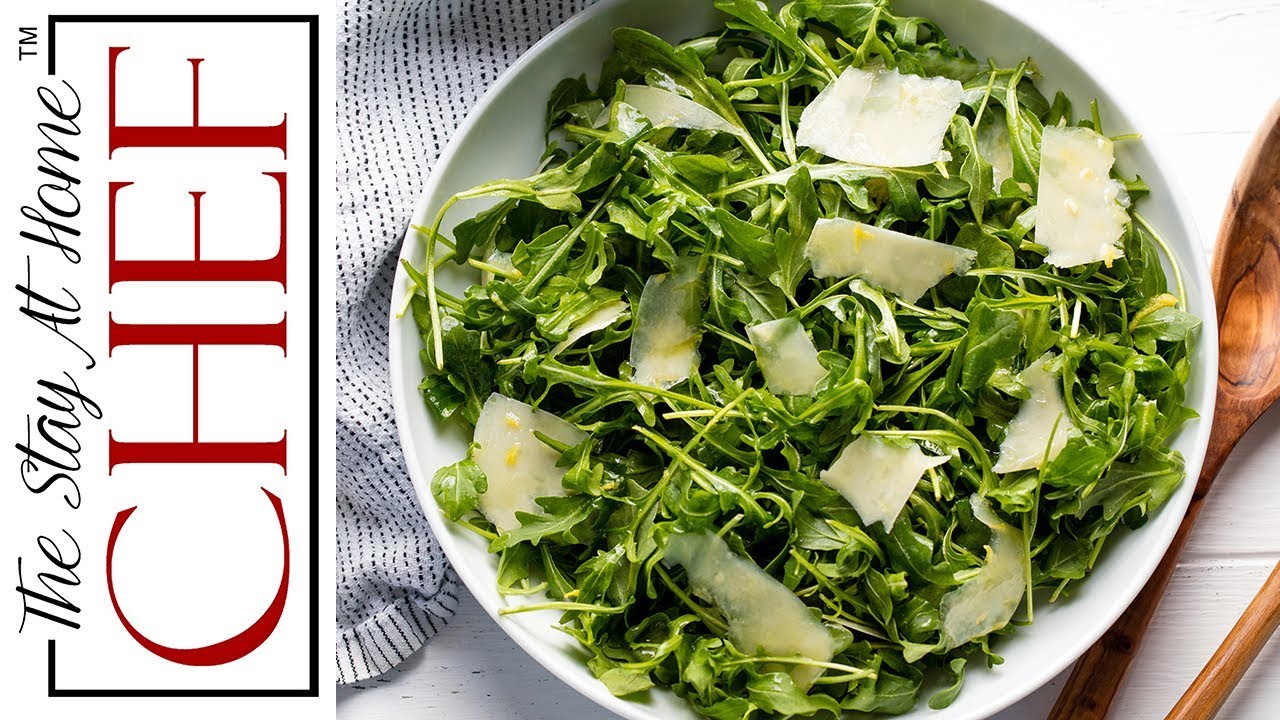
The leaves bring pepper and the lemon juice brings acid. Shaved Parmigiano Reggiano adds salt and a little crunch.
Parmigiano Reggiano needs at least 12 months of maturing to carry the PDO name (EU single document, 2021 amendment). The Consorzio puts full maturity at around 24 months, so shave from a wedge aged closer to that.
Shaved fennel and orange

Fennel and orange add sweetness and anise to a plate that has neither.
LiveSicilia describes insalata di arance e finocchi as a typically winter Sicilian salad, with optional black olives, red onion or anchovy. Pairing it with a Lombard dish is a borrowing, and a good one.
Blood oranges fit the timing. The Sicilian Red Orange PGI consortium told FreshPlaza that Moro arrives first, Tarocco peaks in January and Sanguinello closes the season in spring.
Peel the oranges down to the flesh so no white pith stays on the segments, and slice the fennel paper-thin.
The Women’s Weekly piles a lemon and fennel salad on top of its slow cooker osso buco (beef or veal shin), so the combination also works outside Italian kitchens.
Radicchio

Radicchio is the pick when the plate needs bitterness more than pepper.
It suits a rich starch (saffron risotto, butter, cheese) and guests who like a sharp edge. If anyone at the table dislikes bitter leaves, skip it, because a bitter salad has no neutral setting.
Radicchio Rosso di Treviso IGP is a winter crop from the Treviso, Venice and Padua area, crunchy and bitter even raw. Walnuts are a common partner.
Arugula with grapefruit swaps the lemon for a bitter-tart citrus. Shaved Brussels sprouts with mustard keep the crunch of fennel without the anise.
Butter lettuce is the mild option. It only works when the gremolata supplies the acid.
Why does a bitter, acidic salad suit osso buco?
The dish is soft and fatty. There’s marrow, a butter-and-broth braise (Dissapore) and meat that falls off the bone. A salad helps by adding what’s missing: acid and bitterness, plus some crunch.
Lemon juice or vinegar lifts the sauce and clears fat from the tongue. Bitter leaves like radicchio and arugula push back against the sweet soffritto vegetables and slow-cooked veal, while raw fennel or sprouts give you a texture the braise never has.
Monell Chemical Senses Center researchers reported in Current Biology in 2012 that astringent sensations, the dry, rough feel of wine and tea, balance the slick feel of fat in the mouth (Peyrot des Gachons and colleagues). The study tested weakly astringent solutions (grape seed extract, a green tea compound and aluminum sulfate) against fatty dried meat. It measured astringency, which is a dry, rough mouthfeel. Sourness is a separate sensation, so the match to lemon is only partial.
Arugula adds a second mechanism. A 2017 Food Chemistry study of seven rocket accessions, scored by a trained panel, found that glucosinolates and isothiocyanates track with bitterness, peppery and warming notes.
The pepper is chemical heat, then, and a braise has none of it.
Gremolata already puts lemon zest, parsley and garlic on the meat. The salad works as a second layer of acid on the side, not a replacement for it.
The same fat-and-acid logic explains pairing a salad with braised short ribs.
Is salad a traditional pairing for osso buco alla Milanese?
No. Italian recipe sources serve it with risotto alla milanese, polenta, mashed potatoes or buttered spinach, and salad never shows up. Dissapore’s side-dish guide goes further, with its author arguing that the richness of the dish overwhelms any raw salad. Baby spinach leaves are the only possible exception.
Risotto alla milanese comes up most often in the Italian sources (Scatti di Gusto, Giallo Zafferano, Dissapore), followed by polenta, mashed potatoes and buttered spinach. Peas and carrots appear too, though Milano Free calls them a homely option, not the historic signature.
English-language pages go another way. Plating and Pairings and Pantry and Larder list an arugula salad, a shaved fennel salad turns up in several places, and Corrie Cooks suggests a butter lettuce salad or a tomato salad.
The two camps diverge because the Milanese plate already has its fresh element. Milano Free calls gremolada the fresh signature of the dish, and the risotto under the meat fills the contorno slot.
Milan’s city government gave ossobuco alla milanese its De.Co. municipal mark in 2007 (Scatti di Gusto). Milano Free dates the resolution to 14 December 2007.
Salad still has a place in Milan. A restaurant roundup in Il Giornale lists osso buco with risotto, with polenta or with a seasonal contorno.
A contorno sits beside the secondo piatto, so the salad goes in its own bowl or on the side of the plate. The risotto goes under the meat.
Calling the salad a modern addition is fair. It does the job gremolata does, at a larger volume.
How to dress a salad for osso buco

Dress it with lemon juice or a wine vinegar and extra virgin olive oil, at about 3 parts oil to 1 part acid. Toss just before the plates go out.
Milk Street tested nearly 30 vinaigrettes in 2021 and settled on that 3:1 ratio. Tasters preferred a 5.5% white balsamic over a 7% white wine vinegar, so the strength of the acid matters as much as the amount.
The same tests found that oil, not acid, wilts greens, because oil penetrates the leaf cells. A Dijon mustard emulsifier slows that, and salt or sugar dissolves most evenly in the acid before the oil goes in.
| Salad | Dressing | Note |
|---|---|---|
| Arugula with Parmigiano | Lemon juice, extra virgin olive oil, salt | Light hand, the leaves are delicate |
| Fennel and orange | Olive oil, salt, pepper, optional splash of vinegar | Orange juice supplies the acid |
| Radicchio | Red wine vinegar or lemon, olive oil, salt | Sturdy leaves, holds longer |
Plating and Pairings dresses its arugula with a red wine vinaigrette, and Italian fennel and orange recipes (Giallo Zafferano, LiveSicilia) use only olive oil, salt and pepper, sometimes with a splash of vinegar.
Balsamic works in small amounts, and the white version keeps the colors clean. Creamy and honey-sweet dressings add fat or sugar to a sauce that already has plenty.
Matching the salad to risotto, polenta or mashed potatoes
The richer the starch, the sharper the salad should be. Saffron risotto calls for radicchio or grapefruit, and creamy polenta does well with fennel and orange. Plain mashed potatoes are the one place arugula with Parmigiano Reggiano really earns its spot.
The starch already carries part of the fat on the plate. A salad that ignores it ends up doubling something the plate has plenty of.
| Starch | Salad | Upside | Downside |
|---|---|---|---|
| Risotto alla milanese | Radicchio, or arugula with grapefruit | Bitter and tart notes stand up to butter and cheese | Shaved cheese on the salad stacks on the cheese in the rice |
| Creamy polenta | Fennel and orange, or Brussels sprouts with mustard | Crunch and citrus against a soft, buttery base | The anise note divides guests |
| Plain mashed potatoes | Arugula with Parmigiano Reggiano | Pepper and salt from the salad, no cheese doubling | A mild lettuce adds no contrast against soft potato |
Risotto is the trickiest partner. The classic recipe puts bone marrow in the soffritto and finishes with butter and grated Parmigiano (Dissapore, Giallo Zafferano), so the plate carries marrow twice.
Polenta in the Lombard style is made with yellow corn, savory but milder than taragna, and Dissapore ties it to nearby Bergamo. Mashed potatoes are the neutral option, which Argentine Asado credits with letting the sauce and marrow come forward.
The sauce changes the math too. Milano Free calls the version without tomato the most traditional and notes that the question divides Milanese families.
With a braise made in bianco, a sharper citrus salad has room to work. If the braise has tomato, the sauce already supplies acid, so lean on bitterness (radicchio) instead of more sourness.
A salad never replaces the starch. The sauce needs something to soak into, which is why Taste of Home’s editors pair braised shank with polenta, mash or bread.
Salads that clash with osso buco
Creamy and starchy salads clash with osso buco. So do sugary ones. Each adds something the plate already has.
Caesar-style dressing, cheese and croutons land on a braise cooked in butter and broth (Dissapore), and nothing in the bowl cuts the fat.
Potato or pasta salad repeats the risotto, polenta or mash. A few English-language side lists recommend potato salad anyway, and the plate ends up with two starches.
Honey dressing, dried fruit and candied nuts add sugar with no acid behind it. Sweetness isn’t banned, since Dissapore pairs osso buco with peas for the sweetness each lends the other, but peas arrive undressed.
Tomato salads depend on the braise. A Milan-style recipe adds a spoonful or two of concentrate (Milano Free), which makes a tomato salad a mild repeat, while Dissapore’s recipe uses 400 g of peeled tomatoes and makes it a full one.
No published tasting data on osso buco and side salads turned up in the sources checked here. These clashes rest on flavor logic and on what Italian recipes actually serve.
Mild lettuce is the borderline case. It does no harm, and it does little.
How to time and serve the salad
Toss the salad in the last few minutes before plating and keep every component cold until then. Cookbook author Molly Baz told Tasting Table that delicate greens such as arugula and butter lettuce last only about 15 to 20 minutes once dressed.
- Prep ahead: mix the dressing, wash and dry the greens, slice the fennel, shave the Parmigiano Reggiano. Store each separately in the refrigerator.
- Keep the greens cold. FDA’s cut leafy greens guidance, built on the 2009 Food Code, holds them at 41 F (5 C) or below.
- Reheat made-ahead osso buco covered at 325 F for 30 to 45 minutes (Leite’s Culinaria), after scraping off the congealed fat (Taste of Home).
- Finish the starch last. Giallo Zafferano says saffron risotto is best eaten the moment it is made.
- Sprinkle the gremolata over meat and sauce at plating (Dissapore).
- Toss the salad as the plates go out, or put the dressing in a small jug and let guests dress their own.
The Food Code is a model code that states adopt for food businesses, so for a home dinner the 41 F figure is guidance, not law. Its definition covers leaves that are cut, shredded, sliced, chopped or torn, and state fact sheets such as Oregon’s list butter lettuce and arugula among them.
The osso buco is the easy part to do ahead. Taste of Home’s editors allow up to 4 days in the refrigerator and say it tastes better the next day, while Olive and Mango and Drizzle and Dip give 3 days. Taste of Home also stores the gremolata in its own container.
Common Questions About Salad with Osso Buco
Does the salad change if the osso buco is made with beef or pork?
No. Choose the salad against the sauce and the starch, not the meat. Taste of Home’s beef version still goes with polenta, mashed potatoes or risotto, so the same pairings apply.
Can a cooked vegetable replace the salad?
Yes. Italian recipe sources serve osso buco with buttered spinach, chard, peas or carrots (Dissapore, Scatti di Gusto).
Dissapore says savoy and other cabbages may overpower the dish, so stay with tender greens.
Do bagged salad greens need washing before serving?
Not necessarily when the bag says pre-washed and ready to eat. FDA treats washing such greens as a choice, and if you do rewash them, keep them away from unclean surfaces and utensils.
Unpackaged greens, and bagged greens not labeled pre-washed or ready to eat, should be washed first.
Which salad suits guests who dislike bitter greens?
Shaved fennel with orange is the safer pick. It skips the bitterness of radicchio and the pepper of arugula, and the citrus still supplies acid.
Butter lettuce is milder still, though it refreshes more than it cuts.
Picking the Salad After the Starch and Sauce
The salad with osso buco is the last component to decide, after the sauce and the starch. Both of those are committed hours before the salad is tossed.
The sauce is either tomato or in bianco, the starch is risotto, polenta or mashed potatoes, and the salad gets sharper as the starch gets richer.
The order follows cooking time. Scatti di Gusto simmers the shanks for at least 2.5 hours, ideally 3, while a salad can change in minutes.
Oven recipes run shorter, at 1.5 to 2.25 hours in Leite’s Culinaria’s veal version, and the order still holds.
That sequence stands as of October 2026, when the sources checked hold no published tasting data on osso buco and side salads. A sensory study that contradicts the sharper-with-richer rule would change it.


