

Summarize this article with:
You’re staring at a steaming bowl of pozole for the first time, wondering what you’ve gotten yourself into. Those puffy corn kernels don’t look like anything you’ve eaten before, and the red broth smells incredible but unfamiliar.
What does pozole taste like? It’s earthy and rich from slow-cooked pork, slightly sweet from hominy, with layers of chile pepper depth that aren’t necessarily spicy. The toppings-cabbage, radish, lime-add brightness and crunch that transform every bite.
This breakdown covers everything from the base flavor profile and chile varieties to texture experience and regional differences. You’ll understand what makes pozole unique compared to other Mexican soups and why your first bowl might surprise you.
Understanding Pozole as a Dish

What Pozole Actually Is
Pozole is a Mexican hominy stew that’s been around since pre-Columbian times. The Aztecs made versions of this dish centuries before Spanish colonization.
At its core, pozole combines hominy (nixtamalized corn kernels), meat, and a flavorful broth. These three elements form the foundation.
The hominy is what sets pozole apart from other Mexican soups. Regular corn just doesn’t cut it here.
This isn’t your average soup. It’s a full meal that sticks with you for hours.
The Three Main Types
Pozole rojo (red) gets its color and flavor from dried chile peppers like guajillo and ancho.The broth has an earthy, slightly spicy character that’s warming without being overwhelming.
Pozole verde (green) takes a completely different direction. Fresh herbs like cilantro, pepitas (pumpkin seeds), and green chiles create a bright, herbaceous profile.
Pozole blanco (white) skips the chiles and herbs for a cleaner, more straightforward taste. The pork and hominy flavors shine through without competition.
Each type has devoted fans who’ll argue theirs is the only real pozole. They’re all wrong (and all right).
Regional Differences That Change Everything
Jalisco claims pozole as its signature dish. Their version typically uses pork and leans toward the rojo style with a rich, deeply flavored broth.
Guerrero’s pozole often includes a mix of pork and chicken. The broth tends to be lighter, letting the hominy texture take center stage.
Coastal versions sometimes incorporate seafood or different spice blends. Inland recipes stick closer to traditional pork preparations.
Michoacán adds its own twist with specific chile combinations. Some families there have been making the same recipe for generations.
Regional pride runs deep. Ask someone from Jalisco about Guerrero-style pozole and watch what happens.
The Base Flavor Profile

Hominy’s Unique Taste and Texture
Hominy tastes like corn, but not quite. The lime treatment (nixtamalization) gives it a distinctive earthy sweetness that’s hard to describe.
The texture is chewy-soft, almost bouncy. Each kernel soaks up the surrounding broth like a flavor sponge.
When you bite down, there’s initial resistance before it gives way. It’s satisfying in a way regular corn never achieves.
That lime treatment also adds a subtle mineral quality. You might not consciously notice it, but your palate registers something different from standard corn.
Fresh hominy beats canned every time, though canned works fine when you’re short on time.
The Broth That Holds It All Together
The broth is where hours of slow cooking pay off. Pork-based versions develop a silky richness from rendered fat and collagen.
Chicken pozole produces a lighter, cleaner broth. It lets other flavors come forward without heavy richness weighing things down.
Many traditional recipes include pig’s feet or head for extra gelatin. This creates that unctuous, almost sticky mouthfeel that clings to your spoon.
The slow-simmered broth develops layers of flavor you can’t rush. Quick versions taste thin and one-dimensional by comparison.
Vegetarian broths struggle to match this depth. Mushrooms help, but they can’t fully replicate what hours of simmering meat provides.
Aromatics Building the Foundation
Garlic shows up generously in pozole. We’re talking whole cloves simmered until they turn sweet and mellow.
Onion adds background sweetness that rounds out sharper flavors. Half an onion might go into the pot, sometimes roasted first.
Bay leaves and Mexican oregano provide subtle herbal notes. They work behind the scenes rather than announcing themselves.
Some cooks add cumin or other spices. Purists argue this masks the true pozole flavor.
The aromatics should support, not dominate. When done right, you can’t pick out individual elements because they’ve melded into something unified.
Chile Peppers and Heat Levels
Dried Chiles in Pozole Rojo

Guajillo chiles bring mild, fruity sweetness with just a hint of heat. They’re the workhorse of red pozole, providing color and depth without overwhelming spice.
Ancho chiles contribute chocolate-like notes and a slight raisin sweetness. They’re dried poblanos, so the heat level stays manageable.
Some recipes add chile de árbol for actual kick. A few of these go a long way since they pack more punch than guajillo or ancho.
The chiles get toasted, soaked, and blended into a smooth paste. This process mellows harsh edges and develops complex flavors.
Different chile ratios completely change the final taste. More ancho means sweeter, more guajillo brings earthiness, more árbol adds fire.
Fresh Chiles and Herbs in Pozole Verde
Poblano peppers form the base of most green pozole recipes. They’re grassy and mild, with just enough pepper flavor to register.
Jalapeños or serranos bump up the heat. How much depends on whether you seed them (and on your tolerance).
The real magic happens when you roast these chiles first. Roasting adds smoky depth and brings out natural sugars.
Fresh cilantro, pepitas, and sometimes tomatillos get blended with the chiles. This creates that vibrant green color and herbaceous taste.
Green pozole tends to taste brighter and more alive than red versions. It’s like comparing summer to fall.
Spice Level Reality Check
Here’s the thing: traditional pozole isn’t particularly spicy. Most versions hover around mild to medium heat.
The main broth stays relatively gentle. You control the heat level with your toppings and table sauces.
Restaurant versions sometimes dial up the spice to appeal to customers who equate Mexican food with burning mouths. That’s not authentic.
Kids in Mexico grow up eating pozole. If it were super spicy, that wouldn’t fly.
You can make it as hot as you want by adding chile de árbol, piquín, or bottled hot sauce at the table. But the base should let you taste the other ingredients.
Regional preferences vary somewhat. Certain areas in Mexico prefer more heat than others, but “blow your head off” spicy isn’t the traditional goal.
The Toppings Game

Fresh Elements That Transform Each Bite
Shredded cabbage is non-negotiable for most people. It adds crunch and a clean, slightly sweet flavor that cuts through the rich broth.
Radish slices bring a peppery bite and satisfying snap. Thin-sliced works better than thick chunks.
Lime wedges are probably the most important topping. Squeeze one (or three) over your bowl and watch the whole dish brighten up.
Cilantro divides people into camps. If you’re in the “tastes like soap” group, skip it without guilt.
The fresh toppings aren’t just garnish. They’re part of the dish itself, adding textural contrast and brightness.
Crunchy Add-Ons
Tostadas or tortilla chips provide something to scoop with. They also add a satisfying crunch against the soft hominy.
Chicharrón (fried pork skin) brings porky crunch and dissolves slightly into the hot broth. It’s like built-in flavor delivery.
Some people crumble fried tortilla strips on top. These get soggy fast, so add them right before eating.
The contrast between hot liquid and cold, crispy toppings makes every spoonful different. That’s kind of the point.
Additional Flavor Boosters
Dried Mexican oregano gets sprinkled on at the table. It’s more floral and less aggressive than Mediterranean oregano.
Chile de árbol or piquín powder lets you control heat levels. Start with a pinch and build from there.
Avocado slices mellow everything out. They add creamy richness that softens sharper flavors.
Some regions serve pozole with diced onion on top. Others think that’s weird since onion already went into the broth.
Hot sauce bottles usually make an appearance. Use sparingly at first because you can always add more.
Meat Components and Their Impact
Pork-Based Pozole
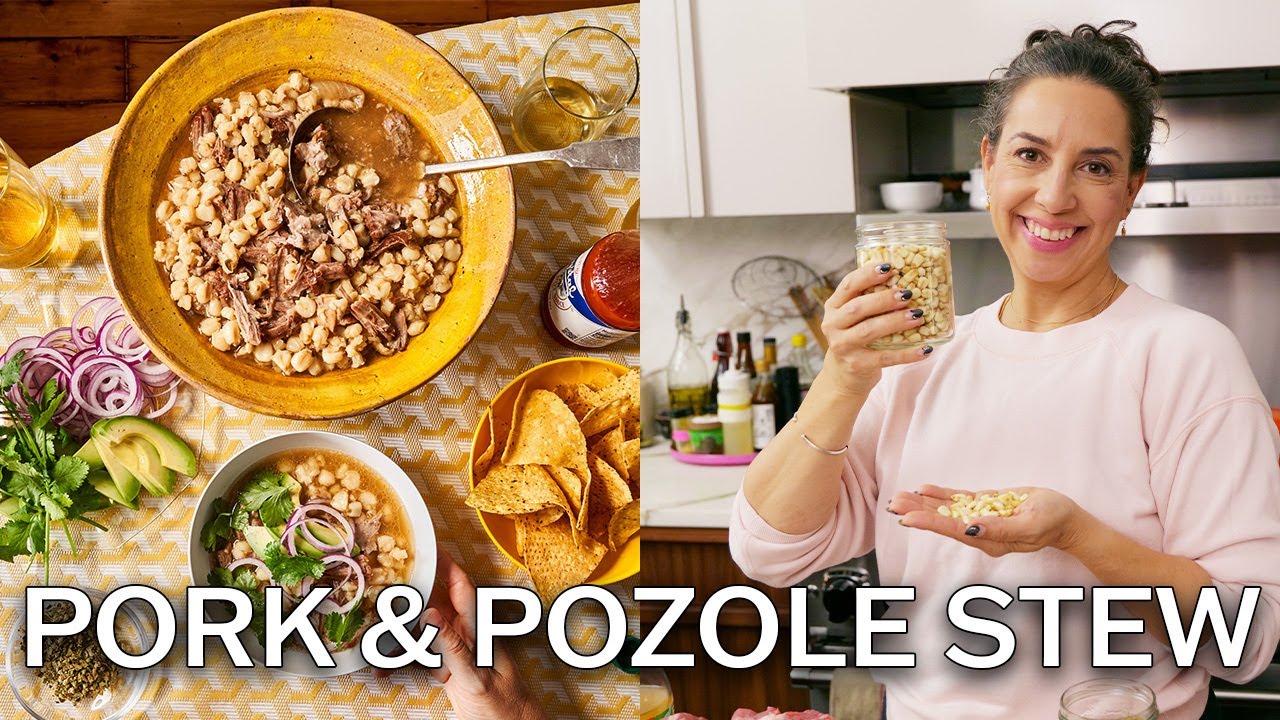
Pork shoulder is the standard choice. It has enough fat to stay tender during long cooking without turning to mush.
Traditional recipes often include pig’s head or feet. These parts add collagen that makes the broth silky and rich.
The fat content matters more than people realize. Lean pork produces thin, watery broth that lacks body.
When pork cooks for hours, it develops this falling-apart tenderness. You barely need to chew.
Some of that rendered fat floats on top, creating little flavor pools. Don’t skim it all off.
Chicken Pozole Differences
Chicken pozole tastes lighter and cleaner overall. The broth doesn’t have that same unctuous quality.
Less fat means a different mouthfeel. It coats your mouth differently (or rather, doesn’t coat it as much).
Chicken works better when you want pozole but don’t want to feel weighed down. It’s the summer version.
The flavor is more straightforward. You taste chicken, hominy, chiles, and not much complexity beyond that.
When chicken works better than pork: hot weather, lunch rather than dinner, or when you’re making pozole verde where the herbs should shine.
Vegetarian Versions
Mushroom broths attempt to replicate the depth of meat-based versions. They get part of the way there with the right technique.
What gets lost without meat: that silky collagen texture, the savory depth that only comes from animal protein, and frankly, some soul.
Beans or other proteins can fill the textural gap. They don’t taste like pork, but they give you something substantial to chew.
Vegetarian pozole exists and some people swear by it. It’s just a fundamentally different dish than traditional versions.
Texture Experience
That Hominy Chew
The hominy has this slightly bouncy, almost al dente texture even after hours of cooking. Each kernel maintains its integrity.
How cooking time affects tenderness: longer cooking softens them more, but they should never turn mushy. There’s a sweet spot around 2-3 hours.
It’s nothing like regular corn. Corn on the cob is crisp and juicy, hominy is substantial and chewy.
The exterior of each kernel is firmer than the interior. You get two textures in one bite.
Meat Texture Variations
Fall-apart tender is the goal for most pozole. The meat should shred easily with just a spoon.
Some cuts stay slightly chewy even after long cooking. That’s not necessarily bad if you like textural variety.
Cartilage and skin add interest for some people. Others pick them out immediately.
The debate between shredded versus chunked meat gets heated. Shredded distributes more evenly, chunks give you something to hunt for.
When the meat is done right, it dissolves on your tongue while still having structure. Mushy meat means you overcooked it.
Overall Mouthfeel
Rich but not heavy when done right. Bad pozole sits in your stomach like a brick.
Temperature matters enormously. Pozole should be served piping hot, almost scalding.
How toppings change texture: every spoonful is different depending on what you scoop up. Cold cabbage against hot broth, crunchy chicharrón softening in the liquid, lime juice cutting through fat.
The ideal bite has hominy, tender meat, a bit of cabbage, and enough broth to tie it together. Then you crunch on a radish as a palate cleanser.
Your spoon should come away coated with a thin layer of flavorful fat. If the broth runs off immediately, something’s missing.
Comparing Pozole to Similar Dishes

Menudo Similarities and Differences
Menudo uses tripe (beef stomach) instead of hominy as the star ingredient. The texture is completely different-chewy and rubbery versus soft and bouncy.
Both dishes get served at celebrations and as hangover cures. They’re both labor-intensive soups that require hours of cooking.
The spice profiles overlap quite a bit. Red chile broths, similar aromatics, many of the same toppings.
When you’d choose one over the other: menudo for adventurous eaters who like organ meats, pozole for basically everyone else. Tripe is polarizing.
How Pozole Differs from Other Mexican Soups
Caldo de res is beefier and lighter in style. It’s vegetable-forward with chunks of corn on the cob, carrots, and potatoes swimming in a clear broth.
Birria has concentrated, intense flavors from slow-braised goat or beef. It’s thicker, greasier, and meant for dipping rather than spooning.
Tortilla soup goes in a completely different direction with its crispy tortilla strips, tomato-based broth, and melted cheese. It’s lighter and quicker to make.
Pozole sits somewhere in the middle-substantial but not heavy, complex but accessible, special occasion but not intimidating.
Non-Mexican Comparisons
Southern hominy dishes exist but they’re not really close to pozole. Grits are smooth and creamy, posole (the New Mexican version) uses different chiles and cooking methods.
Asian soups with hominy use completely different seasoning profiles. Soy sauce, fish sauce, lemongrass-none of which show up in traditional pozole.
Why pozole stands alone: the combination of nixtamalized corn, slow-cooked pork, and Mexican chiles creates something that doesn’t have a real equivalent anywhere else.
You could compare it to pho in terms of cultural significance and the whole “toppings bar” approach. Both let you customize each bowl to your taste.
Common Flavor Misconceptions
What Pozole Doesn’t Taste Like
It’s not just “spicy soup” and nothing else. There’s sweetness from the hominy, earthiness from the chiles, richness from the meat, brightness from the toppings.
Hominy doesn’t taste like corn on the cob. Not even close. The lime treatment transforms it into something entirely different.
Good pozole shouldn’t taste one-dimensional. If all you’re getting is “hot” or “salty,” someone messed up the recipe.
First-Timer Expectations Versus Reality
Most people are surprised by the hominy texture. They expect soft corn and get these chewy, substantial kernels instead.
The heat level catches people off guard (in the opposite direction). They brace for fire and get something fairly mild.
The toppings matter way more than expected. First-timers often under-dress their bowl and wonder what the fuss is about.
That’s like eating a taco with no salsa. You’re missing half the experience.
Restaurant Versus Homemade Differences
Abuela’s pozole always tastes better because she simmered it for six hours straight. Restaurant versions often take shortcuts to speed things up.
Shortcuts restaurants take: using pre-cooked hominy (fine), pressure cooking the meat (acceptable), skimping on cooking time (not fine), using bouillon instead of building flavor from scratch (you can tell).
Instant Pot versions work reasonably well but they’re missing something. That slow-cooked depth doesn’t fully develop in 45 minutes.
The difference is subtle but real. Home cooks with time to spare have the advantage here.
Seasonal and Occasion-Specific Variations

Holiday Pozole Distinctions
Christmas and New Year’s pozole gets extra attention. Families use their best ingredients and don’t cut corners on cooking time.
Celebration pozole tastes richer because people add more meat, use fresh hominy instead of canned, and maybe throw in some special cuts like pork loin alongside the shoulder.
Special ingredient additions might include extra chiles for depth, a pig’s head for gelatin, or premium toppings like queso fresco.
The difference is noticeable. Holiday pozole has that “made with love” quality that’s hard to quantify.
Hangover Pozole Characteristics
Served piping hot for maximum recovery effect. The heat helps clear your head (or that’s what people claim).
Extra lime and chile go on top for morning-after needs. The acidity and spice supposedly help settle your stomach.
Why it actually works: hot soup rehydrates you, the salt helps, and eating something substantial gives your body fuel to process last night’s poor decisions.
Some pozole stands open early specifically to serve the hungover crowd. They know their audience.
Everyday Versus Special Occasion Preparations
Weeknight shortcuts change the flavor profile. Canned hominy, rotisserie chicken, store-bought broth-it all adds up to something less complex.
When to use pre-cooked hominy: Tuesday night dinner when you still want pozole but only have an hour. The taste difference exists but it’s not a disaster.
Time investment paying off: those extra three hours of simmering develop layers that quick versions can’t match. The broth becomes more than the sum of its parts.
Weekend pozole versus Wednesday pozole are different animals. Both have their place.
Conclusion
Pozole tastes like slow-cooked comfort with layers you discover over multiple bowls. The hominy provides earthy chew, the broth delivers rich depth, and the toppings add brightness and crunch.
It’s not overwhelmingly spicy despite what people expect. The heat comes more from what you add at the table than what’s in the pot.
The texture experience matters as much as the flavor. That contrast between hot liquid, chewy hominy, tender meat, and cold, crispy toppings makes every bite different.
Regional variations mean pozole doesn’t taste exactly the same everywhere. Jalisco’s version differs from Guerrero’s, which differs from what your friend’s grandmother makes.
First-timers should load up on toppings, squeeze plenty of lime, and give the hominy texture a chance. It grows on you quickly.
The best way to understand what pozole tastes like? Find someone who makes it traditionally and try it yourself.
FAQ on What Does Pozole Taste Like
Is pozole spicy?
Traditional pozole isn’t very spicy. The base broth stays mild to medium, with most heat coming from table toppings like chile de árbol or hot sauce. You control the spice level by what you add at serving time, making it accessible for most palates.
What does hominy taste like in pozole?
Hominy has an earthy, slightly sweet corn flavor that’s different from regular corn. The lime treatment (nixtamalization) adds a subtle mineral quality. The texture is chewy and bouncy, almost al dente, even after hours of cooking in the broth.
Does pozole taste like menudo?
Pozole and menudo share similar chile-based broths and aromatics, but they’re fundamentally different.
Menudo features tripe with a chewy, rubbery texture, while pozole centers on hominy kernels. Pozole is more accessible and less polarizing than menudo’s organ meat profile.
What’s the difference between red and green pozole taste?
Red pozole (rojo) has earthy, slightly sweet flavors from dried guajillo and ancho chiles. Green pozole (verde) tastes brighter and more herbaceous from fresh poblanos, cilantro, and pepitas. Red feels like fall, green feels like summer.
Can you compare pozole to other Mexican soups?
Pozole is heartier than caldo de res and lighter than birria. It’s more substantial than tortilla soup but less concentrated. The hominy sets it apart from every other Mexican soup, creating a unique texture and flavor profile.
What does pozole broth taste like?
The broth tastes rich and savory from slow-cooked pork, with layers of garlic, onion, and chile depth. Good pozole broth has a silky, slightly gelatinous quality from rendered collagen. It should coat your spoon lightly and taste complex, not one-dimensional.
Does chicken pozole taste different from pork?
Chicken pozole tastes lighter and cleaner with less richness. The broth lacks the unctuous, fatty quality that pork provides. It works well for green pozole where herbs should shine, but it doesn’t have the same depth as traditional pork versions.
What toppings change pozole’s taste most?
Lime juice has the biggest impact, brightening the entire bowl. Cabbage adds fresh crunch, radishes bring peppery bite, and oregano contributes floral notes. The toppings aren’t optional garnish-they’re part of the flavor profile and transform each spoonful.
Why does homemade pozole taste better than restaurant versions?
Home cooks typically simmer pozole for 4-6 hours, developing deep flavors that restaurants rushing orders can’t match. Shortcuts like pressure cooking or pre-made broth create thinner, less complex taste. Time investment pays off in layers you can’t fake.
What does pozole smell like while cooking?
Pozole smells like slow-cooked pork, toasted chiles, and garlic filling your kitchen. Red pozole has earthy, slightly sweet aromas from dried chiles. Green pozole smells fresher and herbaceous from cilantro and roasted poblanos. Either way, your neighbors will get jealous.
Conclusion
So what does pozole taste like? It’s a layered experience that combines earthy hominy, rich pork broth, and chile depth without overwhelming heat.
The chewy texture of nixtamalized corn separates it from every other Mexican soup. That bouncy bite stays with you.
Regional variations mean Jalisco’s version differs from Guerrero’s style. Both have devoted followers who’ll argue theirs is the authentic preparation.
The toppings transform each bowl into something personal. Cabbage, radish, lime, and oregano aren’t optional-they complete the dish.
First-timers often expect more spice than they get. Traditional pozole keeps the base mild, letting you control heat at the table.
Whether you try pozole rojo, verde, or blanco, you’re getting comfort food with pre-Columbian roots. The slow-cooked depth can’t be rushed.
Find someone who makes it the traditional way and try a proper bowl. Understanding pozole requires experiencing it yourself.


