

Summarize this article with:
Kirkland Signature eggs are sold at Costco Wholesale in various sizes and types. You’ll find cage-free eggs, organic eggs, pasture-raised eggs, and conventional large eggs.
The most popular options include the 24-count cartons and the 5-dozen (60-count) bulk packs.
These USDA Grade A and Grade AA eggs work for scrambled eggs, hard boiled eggs, fried eggs, poached eggs, and baked egg dishes. Fresh eggs from Costco offer solid nutrition and value for breakfast, meal prep, or protein-rich snacks.
This guide covers 5 cooking methods with exact times and temperatures. Total cook times range from 2 minutes (microwave) to 14 minutes (hard boiled).
Product Details
Product: Kirkland Signature Large Eggs (Cage Free)
Type: Fresh, refrigerated
Package Sizes:
- 24 count (2 dozen)
- 60 count (5 dozen)
Price: $4.99-$6.99 for 24 count, $11.99 for 60 count at Costco (prices vary by location)
Storage: Refrigerate at 40°F or below
Calories per Serving: 70 calories per large egg
Main Ingredients: Eggs (single ingredient product)
Nutrition per large egg:
- Protein: 6g
- Fat: 5g
- Cholesterol: 185mg
- Sodium: 70mg
Cooking Methods Comparison
| Method | Time | Equipment | Result | Best For |
| Stovetop Scrambled | 3–5 min | Nonstick skillet | Creamy, fluffy curds | Everyday breakfast |
| Hard Boiled | 10–14 min | Saucepan, ice bath | Firm whites, set yolk | Meal prep, snacks |
| Fried (Sunny Side Up) | 2–3 min | Nonstick or cast iron | Runny yolk, set whites | Breakfast plates |
| Poached | 3–5 min | Saucepan, slotted spoon | Tender whites, liquid yolk | Eggs Benedict, toast |
| Microwave Scrambled | 1.5–2 min | Microwave-safe bowl | Quick, fluffy eggs | Fast weekday breakfast |
Recommended Method: Stovetop scrambled for best texture and consistent results
Method 1: Stovetop Scrambled Eggs (Recommended)
Scrambled eggs take 3-5 minutes on medium-low heat. You’ll get creamy, fluffy curds with this low-and-slow approach. Cook 2-4 eggs at a time for best results.
Step 1: How Do You Prepare the Eggs?
Crack eggs into a bowl. Whisk until yolks and whites combine completely. Add a splash of milk (1 tablespoon per 2 eggs) for creamier texture.
Instructions:
- Crack 2-4 large eggs into a mixing bowl
- Add 1-2 tablespoons milk or water
- Season with kosher salt and black pepper
- Whisk vigorously for 30-60 seconds
Equipment: Mixing bowl, whisk or fork, nonstick skillet, silicone spatula
Step 2: What Temperature and Time Do You Use?
Medium-low heat (around 250-275°F pan temperature) produces the best scrambled eggs. High heat causes rubbery texture.
Instructions:
- Heat nonstick skillet over medium-low heat for 2-3 minutes
- Add 1 tablespoon butter, let it melt and foam slightly
- Pour in whisked eggs
Temperature: Medium-low (setting 4-5 on most stoves)
Time: 3-5 minutes total cooking time
Step 3: When Do You Stir the Eggs?
Wait about 30 seconds after pouring eggs in. Then gently push curds from edges toward center. Don’t stir constantly.
Instructions:
- Let eggs sit undisturbed for 20-30 seconds
- Use spatula to gently pull cooked edges toward center
- Repeat every 15-20 seconds, folding rather than stirring
Checkpoint: At 2-minute mark, eggs should show large, soft curds forming
Step 4: How Do You Know When They’re Done?
Remove from heat when eggs look slightly underdone. They continue cooking from residual heat (carryover cooking).
Instructions:
- Pull pan off heat when eggs appear glossy and slightly wet
- Give one final fold
- Transfer immediately to plate
Target Temperature: 145-150°F for creamy scrambled eggs
Visual Indicator: Soft, moist curds with no visible liquid remaining
Method 2: Hard Boiled Eggs
Hard boiled eggs need 10-14 minutes of rest time in hot water after bringing to a boil. This method works great for meal prep. You can cook up to 12 eggs at once.
Step 1: How Do You Prepare the Eggs?
Use eggs that are 7-10 days old. Fresh eggs are harder to peel after boiling.
Instructions:
- Place eggs in single layer in saucepan
- Cover with cold water by 1 inch
- Prepare an ice bath in a large bowl
Equipment: Large saucepan with lid, slotted spoon, large bowl with ice water
Step 2: What Temperature and Time Do You Use?
Bring water to rolling boil, then remove from heat. Let eggs sit covered in hot water.
Instructions:
- Bring water to full rolling boil over high heat
- Remove pan from heat immediately
- Cover with lid
- Set timer based on desired doneness
Cook Times:
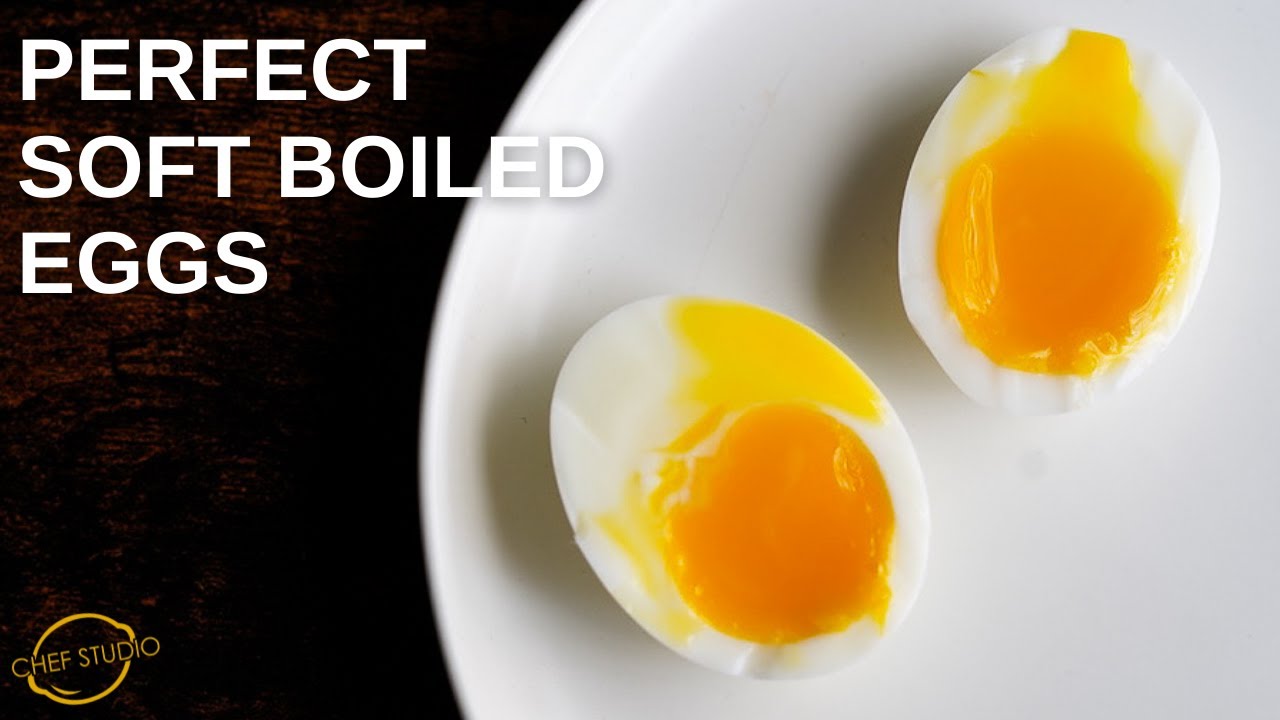
- 6 minutes: soft, runny yolk
- 8 minutes: jammy, soft yolk
- 10 minutes: creamy, slightly soft center
- 12-14 minutes: fully set, firm yolk
Step 3: When Do You Check the Eggs?
Don’t lift lid during cooking. The trapped heat cooks the eggs gently.
Checkpoint: At timer completion, immediately transfer to ice bath
Step 4: How Do You Know When They’re Done?
After ice bath, eggs should feel firm when gently squeezed.
Instructions:
- Transfer eggs to ice bath using slotted spoon
- Let cool for 10-14 minutes
- Peel under cold running water for easier shell removal
Visual Indicator: Cut open to check. No green ring around yolk means properly cooked.
Method 3: Fried Eggs (Sunny Side Up)
Sunny side up eggs cook on one side only. The whites set while the yolk stays runny. Total time is 2-3 minutes.
Step 1: How Do You Prepare the Pan?
A preheated pan with butter or oil prevents sticking.
Instructions:
- Heat nonstick or cast iron skillet over low heat for 3 minutes
- Add 1 teaspoon butter or oil
- Crack egg into small bowl or ramekin first
Equipment: 8-inch nonstick skillet, thin spatula, small bowl
Step 2: What Temperature and Time Do You Use?
Low heat (250-275°F) gives you control over doneness without burning.
Instructions:
- Gently slide egg from bowl into heated pan
- Cover with lid immediately
- Cook undisturbed
Temperature: Low heat (setting 2-3 on most stoves)
Time: 2-3 minutes covered
Step 3: Egg Variations
Over Easy: Flip after whites set (about 2 minutes), cook 30 seconds more. Yolk stays runny.
Over Medium: Flip after 2 minutes, cook 1 more minute. Yolk is soft but not runny.
Over Hard: Flip after 2 minutes, cook 2-3 more minutes. Yolk is fully set.
Step 4: How Do You Know When They’re Done?
Whites should be completely opaque with no clear spots.
Visual Indicator: Whites are set and slightly crispy at edges, yolk jiggles when pan is shaken
Method 4: Poached Eggs
Poached eggs cook in simmering water without the shell. They need 3-5 minutes. Fresh eggs work best because the whites hold together.
Step 1: How Do You Prepare the Water?
Adding vinegar helps the whites coagulate faster.
Instructions:
- Fill saucepan with 2-3 inches of water
- Add 1 tablespoon white vinegar
- Bring to gentle simmer (tiny bubbles rising)
- Crack egg into small bowl or fine mesh strainer
Equipment: Medium saucepan, slotted spoon, small bowl, paper towels
Step 2: What Temperature and Time Do You Use?
Water should simmer, not boil. Boiling water breaks apart the egg whites.
Instructions:
- Reduce heat until water reaches gentle simmer
- Create gentle whirlpool with spoon (optional)
- Slide egg into center of pan
Temperature: 180-190°F (gentle simmer, small bubbles)
Time: 3 minutes for runny yolk, 4-5 minutes for firmer yolk
Step 3: When Do You Check the Eggs?
Gently swirl water around eggs occasionally to prevent sticking.
Checkpoint: At 3-minute mark, lift with slotted spoon and gently press yolk. Soft to touch means runny center.
Step 4: How Do You Know When They’re Done?
The whites should be completely opaque and firm. Yolk should jiggle when touched.
Instructions:
- Remove with slotted spoon
- Drain on paper towel
- Serve immediately
Visual Indicator: Firm, opaque whites surrounding a soft, golden yolk
Method 5: Microwave Scrambled Eggs
Microwave scrambled eggs take 1.5-2 minutes total. This method works for quick weekday breakfasts. The trick is cooking in short intervals.
Step 1: How Do You Prepare the Eggs?
Whisking in milk or water prevents rubbery texture.
Instructions:
- Spray microwave-safe bowl with cooking spray
- Crack 2 eggs into bowl
- Add 1 tablespoon milk or water
- Whisk until combined
- Season with salt and pepper
Equipment: Microwave-safe bowl or mug, fork
Step 2: What Power Level and Time Do You Use?
Medium-high power (70%) produces fluffier eggs than full power.
Instructions:
- Microwave on high for 30 seconds
- Remove and stir well with fork
- Microwave another 30 seconds
- Stir again
- Continue in 15-20 second intervals until just set
Power Level: High (100%) or Medium-High (70%)
Time: 1.5-2 minutes total (varies by microwave wattage)
Step 3: Why Stir Between Intervals?
Stirring every 30 seconds ensures even cooking. Without stirring, edges overcook while center stays raw.
Checkpoint: After first 30 seconds, eggs should show partial setting at edges
Step 4: How Do You Know When They’re Done?
Stop cooking when eggs look slightly underdone. They finish cooking from residual heat.
Instructions:
- Remove when eggs appear glossy and slightly wet
- Let stand 30 seconds before eating
Visual Indicator: Soft, moist curds with no liquid pooling at bottom
Safety and Quality Indicators
Food Safety
- Internal Temperature: 145°F minimum for whole eggs, 160°F for egg dishes
- Steam Check: Eggs should steam when cut open
- Thawing: Not applicable (use fresh, refrigerated eggs)
Quality Indicators (Done Properly)
- Color: Bright yellow yolks, white cooked whites (no green ring on boiled eggs)
- Texture: Varies by cooking method. Scrambled should be soft, not rubbery
- Temperature: Hot throughout
- Appearance: No visible raw egg white or watery liquid
Signs of Overcooking
- Rubbery or tough texture in scrambled eggs
- Green ring around hard boiled egg yolks
- Dry, crumbly scrambled eggs
- Crispy, browned edges on fried eggs (unless desired)
Serving Suggestions
Portion Size: 2 large eggs per serving (12 servings per 24-count carton)
Serving Ideas:
- Scrambled eggs with cheddar cheese and fresh chives
- Hard boiled eggs sliced over salad or as a grab-and-go snack
- Fried eggs on top of avocado toast or rice bowls
- Poached eggs with hollandaise for Eggs Benedict
Pairing Recommendations:
- Pair scrambled eggs with Kirkland bacon for a classic breakfast
- Add Costco breakfast sausage for extra protein
- Serve alongside Costco potatoes or hash browns
- Build a breakfast burrito with Costco tortillas
Storage and Reheating
Fresh Egg Storage
- Store in original carton on middle refrigerator shelf
- Keep at 40°F or below
- Use within 3-5 weeks of purchase
- Don’t store in refrigerator door (temperature fluctuates)
Freshness Test
Use the float test: Place egg in bowl of water. Fresh eggs sink and lay flat. Older eggs stand upright. Floating eggs should be discarded.
Leftover Storage
- Refrigerate cooked eggs within 2 hours
- Store in airtight container
- Consume within 3-4 days
- Hard boiled eggs (in shell) last up to 1 week refrigerated
Reheating Instructions
- Microwave: 20-30 seconds at 50% power, covered
- Stovetop: 1-2 minutes over low heat with splash of water
- Target Temperature: 165°F when reheating
Troubleshooting Common Issues
Issue: Scrambled eggs are rubbery
Cause: Heat too high or cooked too long
Solution: Use medium-low heat. Remove eggs from pan when they still look slightly underdone. Residual heat finishes cooking.
Issue: Hard boiled eggs have green ring around yolk
Cause: Overcooked or not cooled quickly enough
Solution: Reduce cooking time by 1-2 minutes. Transfer to ice bath immediately after cooking.
Issue: Hard boiled eggs are difficult to peel
Cause: Using very fresh eggs
Solution: Use eggs that are 7-10 days old. Cool completely in ice bath before peeling. Peel under running water.
Issue: Poached eggs have wispy, stringy whites
Cause: Using older eggs with thin whites, or water is boiling too vigorously
Solution: Use fresh eggs. Strain through fine mesh sieve before cooking. Keep water at gentle simmer, not boiling.
Issue: Fried egg yolk breaks when flipping
Cause: Pan too hot or spatula too thick
Solution: Use thin, flexible spatula. Lower heat. Slide spatula fully under egg before flipping.
Product Variations and Related Items
Kirkland Signature Egg Options at Costco
- Cage Free Large Eggs, 24 count: Standard option, most affordable
- Cage Free Large Eggs, 60 count: Best value for frequent egg eaters
- Organic Cage Free Eggs, 24 count: USDA Organic certified, slightly higher price
- Organic Pasture Raised Eggs, 24 count: Hens have outdoor access, premium price
Cooking Time Adjustments
Cooking times in this guide are for large eggs. Adjust for different sizes:
- Medium eggs: Reduce cook time by 1-2 minutes
- Jumbo eggs: Add 1-2 minutes to cook time
Related Costco Breakfast Items
Round out your breakfast with other Costco favorites:
- Try Costco Belgian waffles for a sweet addition
- Heat up Costco breakfast burritos when you’re short on time
- Add Costco turkey bacon for a leaner protein option
- Warm up Costco croissants as a side
What Are Costco Eggs?
Kirkland Signature eggs are sold at Costco Wholesale in various sizes and types. You’ll find cage-free eggs, organic eggs, pasture-raised eggs, and conventional large eggs.
The most popular options include the 24-count cartons and the 5-dozen (60-count) bulk packs.
These USDA Grade A and Grade AA eggs work for scrambled eggs, hard boiled eggs, fried eggs, poached eggs, and baked egg dishes. Fresh eggs from Costco offer solid nutrition and value for breakfast, meal prep, or protein-rich snacks.
This guide covers 5 cooking methods with exact times and temperatures. Total cook times range from 2 minutes (microwave) to 14 minutes (hard boiled).
Product Details
Product: Kirkland Signature Large Eggs (Cage Free)
Type: Fresh, refrigerated
Package Sizes:
- 24 count (2 dozen)
- 60 count (5 dozen)
Price: $4.99-$6.99 for 24 count, $11.99 for 60 count at Costco (prices vary by location)
Storage: Refrigerate at 40°F or below
Calories per Serving: 70 calories per large egg
Main Ingredients: Eggs (single ingredient product)
Nutrition per large egg:
- Protein: 6g
- Fat: 5g
- Cholesterol: 185mg
- Sodium: 70mg
Cooking Methods Comparison
| Method | Time | Equipment | Result | Best For |
| Stovetop Scrambled | 3–5 min | Nonstick skillet | Creamy, fluffy curds | Everyday breakfast |
| Hard Boiled | 10–14 min | Saucepan, ice bath | Firm whites, set yolk | Meal prep, snacks |
| Fried (Sunny Side Up) | 2–3 min | Nonstick or cast iron | Runny yolk, set whites | Breakfast plates |
| Poached | 3–5 min | Saucepan, slotted spoon | Tender whites, liquid yolk | Eggs Benedict, toast |
| Microwave Scrambled | 1.5–2 min | Microwave-safe bowl | Quick, fluffy eggs | Fast weekday breakfast |
Recommended Method: Stovetop scrambled for best texture and consistent results
Method 1: Stovetop Scrambled Eggs (Recommended)
Scrambled eggs take 3-5 minutes on medium-low heat. You’ll get creamy, fluffy curds with this low-and-slow approach. Cook 2-4 eggs at a time for best results.
Step 1: How Do You Prepare the Eggs?
Crack eggs into a bowl. Whisk until yolks and whites combine completely. Add a splash of milk (1 tablespoon per 2 eggs) for creamier texture.
Instructions:
- Crack 2-4 large eggs into a mixing bowl
- Add 1-2 tablespoons milk or water
- Season with kosher salt and black pepper
- Whisk vigorously for 30-60 seconds
Equipment: Mixing bowl, whisk or fork, nonstick skillet, silicone spatula
Step 2: What Temperature and Time Do You Use?
Medium-low heat (around 250-275°F pan temperature) produces the best scrambled eggs. High heat causes rubbery texture.
Instructions:
- Heat nonstick skillet over medium-low heat for 2-3 minutes
- Add 1 tablespoon butter, let it melt and foam slightly
- Pour in whisked eggs
Temperature: Medium-low (setting 4-5 on most stoves)
Time: 3-5 minutes total cooking time
Step 3: When Do You Stir the Eggs?
Wait about 30 seconds after pouring eggs in. Then gently push curds from edges toward center. Don’t stir constantly.
Instructions:
- Let eggs sit undisturbed for 20-30 seconds
- Use spatula to gently pull cooked edges toward center
- Repeat every 15-20 seconds, folding rather than stirring
Checkpoint: At 2-minute mark, eggs should show large, soft curds forming
Step 4: How Do You Know When They’re Done?
Remove from heat when eggs look slightly underdone. They continue cooking from residual heat (carryover cooking).
Instructions:
- Pull pan off heat when eggs appear glossy and slightly wet
- Give one final fold
- Transfer immediately to plate
Target Temperature: 145-150°F for creamy scrambled eggs
Visual Indicator: Soft, moist curds with no visible liquid remaining
Method 2: Hard Boiled Eggs
Hard boiled eggs need 10-14 minutes of rest time in hot water after bringing to a boil. This method works great for meal prep. You can cook up to 12 eggs at once.
Step 1: How Do You Prepare the Eggs?
Use eggs that are 7-10 days old. Fresh eggs are harder to peel after boiling.
Instructions:
- Place eggs in single layer in saucepan
- Cover with cold water by 1 inch
- Prepare an ice bath in a large bowl
Equipment: Large saucepan with lid, slotted spoon, large bowl with ice water
Step 2: What Temperature and Time Do You Use?
Bring water to rolling boil, then remove from heat. Let eggs sit covered in hot water.
Instructions:
- Bring water to full rolling boil over high heat
- Remove pan from heat immediately
- Cover with lid
- Set timer based on desired doneness
Cook Times:
- 6 minutes: soft, runny yolk
- 8 minutes: jammy, soft yolk
- 10 minutes: creamy, slightly soft center
- 12-14 minutes: fully set, firm yolk
Step 3: When Do You Check the Eggs?
Don’t lift lid during cooking. The trapped heat cooks the eggs gently.
Checkpoint: At timer completion, immediately transfer to ice bath
Step 4: How Do You Know When They’re Done?
After ice bath, eggs should feel firm when gently squeezed.
Instructions:
- Transfer eggs to ice bath using slotted spoon
- Let cool for 10-14 minutes
- Peel under cold running water for easier shell removal
Visual Indicator: Cut open to check. No green ring around yolk means properly cooked.
Method 3: Fried Eggs (Sunny Side Up)
Sunny side up eggs cook on one side only. The whites set while the yolk stays runny. Total time is 2-3 minutes.
Step 1: How Do You Prepare the Pan?
A preheated pan with butter or oil prevents sticking.
Instructions:
- Heat nonstick or cast iron skillet over low heat for 3 minutes
- Add 1 teaspoon butter or oil
- Crack egg into small bowl or ramekin first
Equipment: 8-inch nonstick skillet, thin spatula, small bowl
Step 2: What Temperature and Time Do You Use?
Low heat (250-275°F) gives you control over doneness without burning.
Instructions:
- Gently slide egg from bowl into heated pan
- Cover with lid immediately
- Cook undisturbed
Temperature: Low heat (setting 2-3 on most stoves)
Time: 2-3 minutes covered
Step 3: Egg Variations
Over Easy: Flip after whites set (about 2 minutes), cook 30 seconds more. Yolk stays runny.
Over Medium: Flip after 2 minutes, cook 1 more minute. Yolk is soft but not runny.
Over Hard: Flip after 2 minutes, cook 2-3 more minutes. Yolk is fully set.
Step 4: How Do You Know When They’re Done?
Whites should be completely opaque with no clear spots.
Visual Indicator: Whites are set and slightly crispy at edges, yolk jiggles when pan is shaken
Method 4: Poached Eggs
Poached eggs cook in simmering water without the shell. They need 3-5 minutes. Fresh eggs work best because the whites hold together.
Step 1: How Do You Prepare the Water?
Adding vinegar helps the whites coagulate faster.
Instructions:
- Fill saucepan with 2-3 inches of water
- Add 1 tablespoon white vinegar
- Bring to gentle simmer (tiny bubbles rising)
- Crack egg into small bowl or fine mesh strainer
Equipment: Medium saucepan, slotted spoon, small bowl, paper towels
Step 2: What Temperature and Time Do You Use?
Water should simmer, not boil. Boiling water breaks apart the egg whites.
Instructions:
- Reduce heat until water reaches gentle simmer
- Create gentle whirlpool with spoon (optional)
- Slide egg into center of pan
Temperature: 180-190°F (gentle simmer, small bubbles)
Time: 3 minutes for runny yolk, 4-5 minutes for firmer yolk
Step 3: When Do You Check the Eggs?
Gently swirl water around eggs occasionally to prevent sticking.
Checkpoint: At 3-minute mark, lift with slotted spoon and gently press yolk. Soft to touch means runny center.
Step 4: How Do You Know When They’re Done?
The whites should be completely opaque and firm. Yolk should jiggle when touched.
Instructions:
- Remove with slotted spoon
- Drain on paper towel
- Serve immediately
Visual Indicator: Firm, opaque whites surrounding a soft, golden yolk
Method 5: Microwave Scrambled Eggs
Microwave scrambled eggs take 1.5-2 minutes total. This method works for quick weekday breakfasts. The trick is cooking in short intervals.
Step 1: How Do You Prepare the Eggs?
Whisking in milk or water prevents rubbery texture.
Instructions:
- Spray microwave-safe bowl with cooking spray
- Crack 2 eggs into bowl
- Add 1 tablespoon milk or water
- Whisk until combined
- Season with salt and pepper
Equipment: Microwave-safe bowl or mug, fork
Step 2: What Power Level and Time Do You Use?
Medium-high power (70%) produces fluffier eggs than full power.
Instructions:
- Microwave on high for 30 seconds
- Remove and stir well with fork
- Microwave another 30 seconds
- Stir again
- Continue in 15-20 second intervals until just set
Power Level: High (100%) or Medium-High (70%)
Time: 1.5-2 minutes total (varies by microwave wattage)
Step 3: Why Stir Between Intervals?
Stirring every 30 seconds ensures even cooking. Without stirring, edges overcook while center stays raw.
Checkpoint: After first 30 seconds, eggs should show partial setting at edges
Step 4: How Do You Know When They’re Done?
Stop cooking when eggs look slightly underdone. They finish cooking from residual heat.
Instructions:
- Remove when eggs appear glossy and slightly wet
- Let stand 30 seconds before eating
Visual Indicator: Soft, moist curds with no liquid pooling at bottom
Safety and Quality Indicators
Food Safety
- Internal Temperature: 145°F minimum for whole eggs, 160°F for egg dishes
- Steam Check: Eggs should steam when cut open
- Thawing: Not applicable (use fresh, refrigerated eggs)
Quality Indicators (Done Properly)
- Color: Bright yellow yolks, white cooked whites (no green ring on boiled eggs)
- Texture: Varies by cooking method. Scrambled should be soft, not rubbery
- Temperature: Hot throughout
- Appearance: No visible raw egg white or watery liquid
Signs of Overcooking
- Rubbery or tough texture in scrambled eggs
- Green ring around hard boiled egg yolks
- Dry, crumbly scrambled eggs
- Crispy, browned edges on fried eggs (unless desired)
Serving Suggestions
Portion Size: 2 large eggs per serving (12 servings per 24-count carton)
Serving Ideas:
- Scrambled eggs with cheddar cheese and fresh chives
- Hard boiled eggs sliced over salad or as a grab-and-go snack
- Fried eggs on top of avocado toast or rice bowls
- Poached eggs with hollandaise for Eggs Benedict
Pairing Recommendations:
- Pair scrambled eggs with Kirkland bacon for a classic breakfast
- Add Costco breakfast sausage for extra protein
- Serve alongside Costco potatoes or hash browns
- Build a breakfast burrito with Costco tortillas
Storage and Reheating
Fresh Egg Storage
- Store in original carton on middle refrigerator shelf
- Keep at 40°F or below
- Use within 3-5 weeks of purchase
- Don’t store in refrigerator door (temperature fluctuates)
Freshness Test
Use the float test: Place egg in bowl of water. Fresh eggs sink and lay flat. Older eggs stand upright. Floating eggs should be discarded.
Leftover Storage
- Refrigerate cooked eggs within 2 hours
- Store in airtight container
- Consume within 3-4 days
- Hard boiled eggs (in shell) last up to 1 week refrigerated
Reheating Instructions
- Microwave: 20-30 seconds at 50% power, covered
- Stovetop: 1-2 minutes over low heat with splash of water
- Target Temperature: 165°F when reheating
Troubleshooting Common Issues
Issue: Scrambled eggs are rubbery
Cause: Heat too high or cooked too long
Solution: Use medium-low heat. Remove eggs from pan when they still look slightly underdone. Residual heat finishes cooking.
Issue: Hard boiled eggs have green ring around yolk
Cause: Overcooked or not cooled quickly enough
Solution: Reduce cooking time by 1-2 minutes. Transfer to ice bath immediately after cooking.
Issue: Hard boiled eggs are difficult to peel
Cause: Using very fresh eggs
Solution: Use eggs that are 7-10 days old. Cool completely in ice bath before peeling. Peel under running water.
Issue: Poached eggs have wispy, stringy whites
Cause: Using older eggs with thin whites, or water is boiling too vigorously
Solution: Use fresh eggs. Strain through fine mesh sieve before cooking. Keep water at gentle simmer, not boiling.
Issue: Fried egg yolk breaks when flipping
Cause: Pan too hot or spatula too thick
Solution: Use thin, flexible spatula. Lower heat. Slide spatula fully under egg before flipping.
Product Variations and Related Items
Kirkland Signature Egg Options at Costco
- Cage Free Large Eggs, 24 count: Standard option, most affordable
- Cage Free Large Eggs, 60 count: Best value for frequent egg eaters
- Organic Cage Free Eggs, 24 count: USDA Organic certified, slightly higher price
- Organic Pasture Raised Eggs, 24 count: Hens have outdoor access, premium price
Cooking Time Adjustments
Cooking times in this guide are for large eggs. Adjust for different sizes:
- Medium eggs: Reduce cook time by 1-2 minutes
- Jumbo eggs: Add 1-2 minutes to cook time
Related Costco Breakfast Items
Round out your breakfast with other Costco favorites:
- Try Costco Belgian waffles for a sweet addition
- Heat up Costco breakfast burritos when you’re short on time
- Add Costco turkey bacon for a leaner protein option
- Warm up Costco croissants as a side
Conclusion
Now you know how to cook Costco eggs using five different methods. Each technique delivers different results based on your preferences and time available.
Stovetop scrambled eggs give you the fluffiest texture when cooked low and slow.
Hard boiled eggs work great for weekly meal prep and grab-and-go protein snacks. Fried and poached eggs add variety to your breakfast routine.
Store your Kirkland Signature eggs properly in the refrigerator and use the float test to check freshness. With the right egg cooking times and temperatures, you’ll get perfect results every time.


