

Summarize this article with:
Paella is a complete meal. Rice, proteins, saffron, sofrito. So figuring out what side dish goes with paella can feel tricky without overloading the table.
But here’s the thing. The right side dish doesn’t compete with paella. It balances it.
A cold gazpacho to cut through the richness. Crispy patatas bravas for texture. Pan con tomate because, well, you can’t have a Spanish dinner without it.
After years of cooking paella for everything from weeknight dinners to big summer parties, I’ve tested dozens of Mediterranean side dishes alongside this Valencian classic. Some worked. Some didn’t.
This guide covers the sides that actually belong next to your paella pan. From traditional Spanish tapas to simple salads, you’ll find options for every type of paella and every kind of gathering.
Best Side Dishes for Paella
Pan con Tomate (Spanish Tomato Bread)

Why It Works with Paella
Pan con tomate is one of those sides that just makes sense next to a big pan of saffron rice.
The acidity from ripe tomatoes cuts through the richness of the sofrito and proteins. And the crunch of toasted bread gives you a texture that paella alone doesn’t have.
I’ve served this at probably 50 paella dinners by now. It disappears faster than the main dish half the time.
Key Ingredients
- Rustic crusty bread (ciabatta or country loaf)
- Very ripe tomatoes
- Fresh garlic clove
- Extra virgin olive oil
- Flaky sea salt
How to Make It
Toast thick slices of bread until golden. Rub a halved garlic clove directly on the warm surface. Then grate ripe tomatoes over the bread using a box grater, letting the pulp soak in.
Finish with a generous drizzle of olive oil and a pinch of salt. That’s it. Five minutes, tops.
The Catalan way is to rub the tomato straight on the bread. The Madrid style mixes the tomato pulp with oil and salt first, then spoons it on. Both work. Your call.
Flavor Profile
Bright, tangy, garlicky with a satisfying crunch. It brings a freshness that balances the heavy saffron rice dish perfectly.
Best Paella Type to Pair With
Works with everything. Seafood paella, chicken paella, mixed paella, vegetable paella. There’s no wrong answer here.
Serving Tips
Make it right before serving. The tomato juice will make the bread soggy if it sits too long. If you’re hosting a paella dinner party, set out the ingredients and let guests assemble their own.
Top with thin slices of jamon serrano or Manchego cheese for something extra.
Patatas Bravas

Why It Works with Paella
Crispy potatoes with a spicy tomato sauce. It’s one of the most popular tapas in Spain for a reason.
Patatas bravas bring heat and crunch that paella doesn’t really have on its own. The bravas sauce adds a smoky kick that plays off the saffron beautifully. At least in my experience, this combination never gets old.
Key Ingredients
- Russet or Yukon Gold potatoes
- Spanish smoked paprika (sweet and hot)
- Olive oil
- Garlic
- Tomato puree for the bravas sauce
- Garlic aioli (optional but highly recommended)
How to Make It
Cut potatoes into bite-sized chunks. Parboil them briefly in salted water with a bit of baking soda. This breaks down the surface starch and makes them ridiculously crispy when roasted.
Toss with olive oil, salt, and pepper. Roast at 400F until golden, about 25-30 minutes.
For the sauce, saute garlic and smoked paprika in olive oil, add tomato puree, season with salt and a touch of cayenne. Drizzle over the hot potatoes. Add a spoonful of alioli on top if you want the full experience.
Flavor Profile
Smoky, slightly spicy, with a crispy exterior and fluffy inside. The bravas sauce is tangy and bold. The aioli dip adds a creamy, garlicky contrast.
Best Paella Type to Pair With
Best alongside seafood paella or chicken paella. The spicy sauce complements lighter proteins especially well.
Serving Tips
Serve them hot. Seriously, lukewarm patatas bravas are a different (worse) food entirely. Put them out right when the paella comes off the heat. If you’re also planning sides for shrimp, these work double duty.
Gazpacho
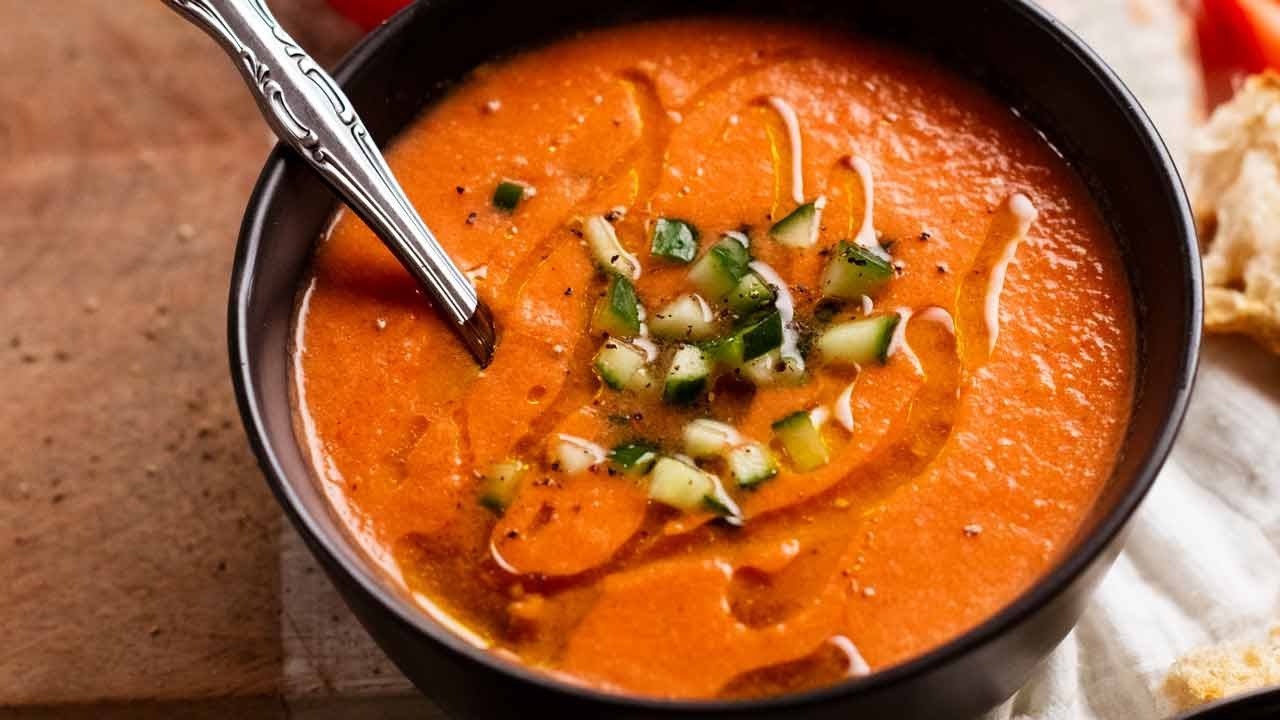
Why It Works with Paella
A cold soup next to a hot rice dish. The contrast is everything.
Gazpacho cools down your palate between bites of rich, bomba rice loaded with proteins. It originated in Andalusia as a way to beat the summer heat, and it still does the job better than anything else I’ve tried.
Key Ingredients
- Very ripe tomatoes (about 2 pounds)
- Cucumber
- Green bell pepper
- Garlic
- Extra virgin olive oil
- Sherry vinegar
- Stale bread (optional, for thickness)
- Salt
How to Make It
Blend all the raw vegetables together until smooth. Add olive oil, sherry vinegar, and salt. Strain through a sieve if you want it silky. Chill for at least 2-3 hours before serving.
The traditional way in Spain is to drink it from a glass. But serving it in small bowls with diced cucumber, tomato, and croutons on the side looks better at a dinner party. Your mileage may vary.
Flavor Profile
Light, tangy, and refreshing. The tomatoes give it body, the vinegar adds bite, and the olive oil makes it smooth. It tastes like summer in Andalusia.
Best Paella Type to Pair With
Seafood paella and mixed paella. The cold soup against the warm, saffron-scented rice is one of those combinations that just clicks.
Serving Tips
Make it the day before. Gazpacho tastes better after the flavors have had time to blend in the fridge. Serve it as a starter before the paella hits the table. Small portions work best since the main dish is already filling.
Gambas al Ajillo (Garlic Shrimp)
Why It Works with Paella
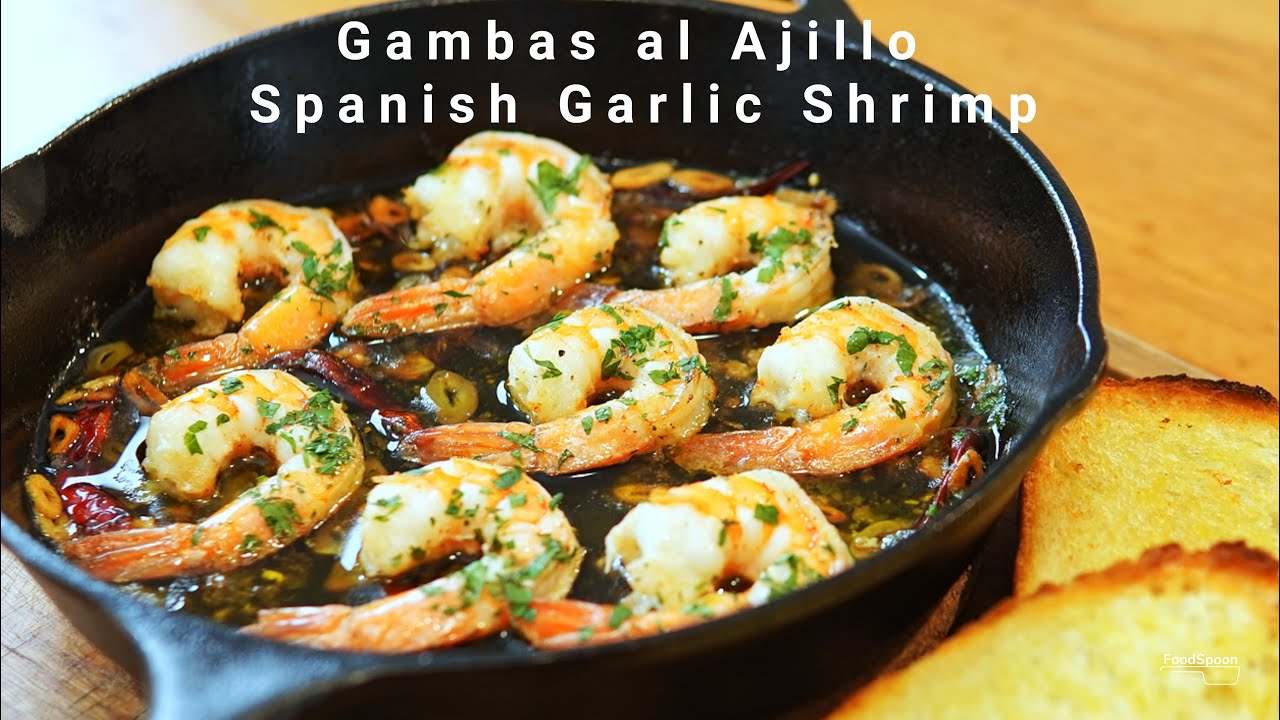
Yes, there might already be shrimp in your paella. But gambas al ajillo is a completely different experience.
The garlic-infused olive oil, the slight heat from dried chili, the sizzling cast iron dish. It adds a layer of richness that turns a paella dinner into a proper Spanish feast. Took me a few tries to get the garlic right without burning it, but once you nail the timing, it’s foolproof.
Key Ingredients
- Large shrimp, peeled
- Lots of garlic (sliced thin)
- Extra virgin olive oil (generous amount)
- Dried red chili or guindilla pepper
- Fresh parsley
- Flaky sea salt
How to Make It
Heat a generous pool of olive oil in a small cazuela or cast iron skillet. Add sliced garlic and chili. Cook until the garlic just starts to turn golden.
Add the shrimp. Cook for about 2 minutes per side. Finish with chopped parsley and a pinch of salt.
The whole thing takes under 10 minutes. The trick is not overcooking the garlic. If it goes brown, start over. Bitter garlic ruins the whole dish.
Flavor Profile
Garlicky, slightly spicy, buttery from the olive oil. The shrimp stay tender and sweet against all that bold flavor.
Best Paella Type to Pair With
Chicken paella or vegetable paella. If your main dish is already loaded with grilled shrimp, maybe pick a different side to avoid doubling up on seafood.
Serving Tips
Bring it to the table still sizzling. Serve with plenty of crusty bread for soaking up that garlic oil. That bread-dipping part is honestly the best part of the whole dish.
Spanish Tortilla

Why It Works with Paella
Spanish tortilla is hearty, comforting, and completely different from paella in texture. It’s basically a thick potato and egg omelette, and it’s served at room temperature. Which makes it perfect for a paella spread because you can make the paella first and have the tortilla ready and waiting.
Key Ingredients
- Potatoes (about 1 pound, thinly sliced)
- Eggs (5-6 large)
- Onion (optional, but I always include it)
- Olive oil
- Salt
How to Make It
Slowly fry thinly sliced potatoes and onion in plenty of olive oil until tender. Don’t rush this step. Low and slow is the whole point.
Beat the eggs, add salt, then fold in the cooked potato mixture. Pour everything back into the skillet. Cook on low until the bottom sets, then flip it onto a plate and slide it back in to finish the other side.
The flip is the scary part. Everyone messes it up the first time. A flat plate slightly larger than the pan is your best friend here.
Flavor Profile
Rich, eggy, with soft potatoes throughout. Simple flavors that don’t compete with the Mediterranean spices in your paella.
Best Paella Type to Pair With
Seafood paella especially. The mild, creamy tortilla balances the brininess of shellfish and chorizo perfectly.
Serving Tips
Cut into small wedges for tapas-style serving. Room temperature is traditional and actually tastes best. Don’t reheat it. Make it a couple hours ahead and leave it on the counter.
Caesar Salad
Why It Works with Paella
Not traditionally Spanish, but it works incredibly well.
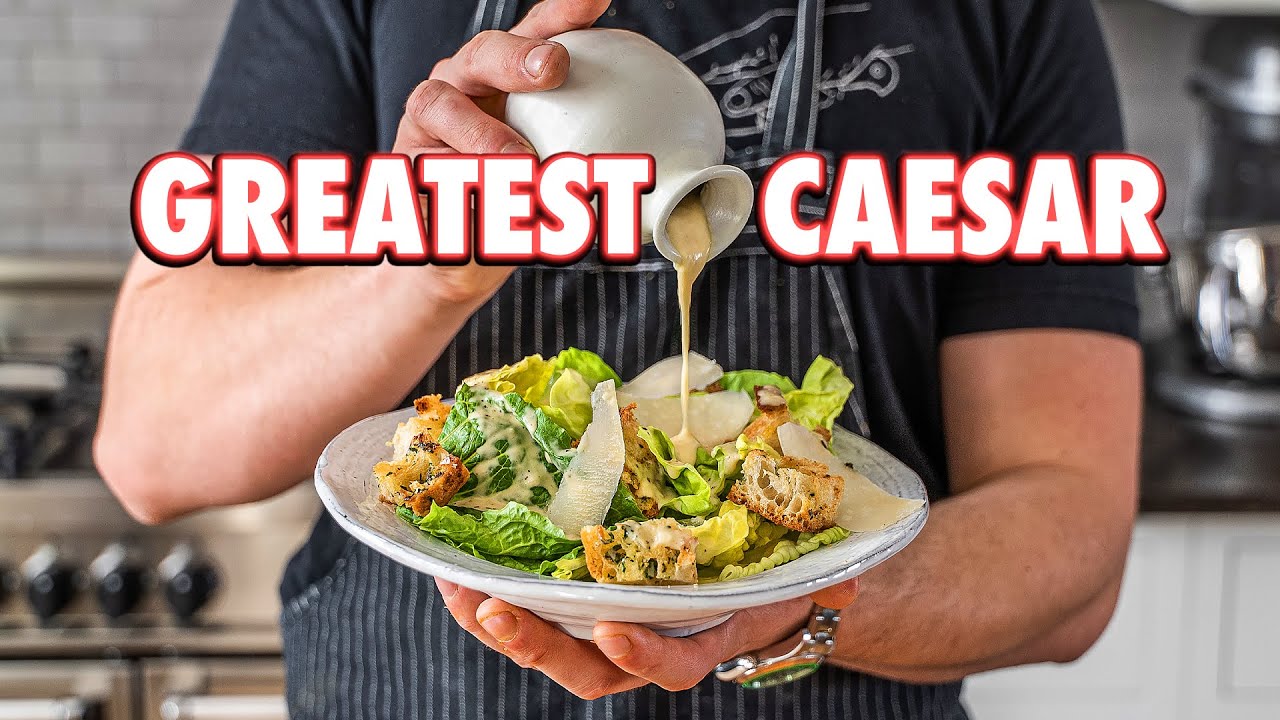
Paella is heavy. Rice, proteins, saffron, olive oil. You need something cool and crunchy to balance all of that. A well-made Caesar salad does exactly that. The sharp dressing cuts through the richness, and the romaine adds a crispness that the meal is missing without it.
Key Ingredients
- Romaine lettuce hearts
- Parmesan cheese (shaved or grated)
- Croutons
- Caesar dressing (anchovy, garlic, lemon, Dijon, olive oil, egg yolk)
- Black pepper
How to Make It
Chop romaine into bite-sized pieces. Toss with homemade Caesar dressing. Top with shaved Parmesan and croutons.
For the dressing, blend anchovy paste, garlic, lemon juice, Dijon mustard, egg yolk, and olive oil. Season with salt and pepper. If you skip the homemade dressing and use bottled, I won’t judge. But the difference is noticeable.
Flavor Profile
Sharp, tangy, salty, with crunch from the lettuce and croutons. The Parmesan adds a nutty depth.
Best Paella Type to Pair With
Mixed paella or chicken paella. The lighter salad gives your palate a break between bites of the heavier rice dish.
Serving Tips
Dress the salad right before serving so the lettuce stays crisp. Nobody wants soggy romaine. Serve it family-style in a big bowl next to the paella pan.
Roasted Red Peppers

Why It Works with Paella
Roasted peppers are a staple in Spanish cooking. The sweetness of charred piquillo peppers or red bell peppers adds another dimension to your paella dinner without competing for attention.
They’re also dead simple to prepare. Which matters when you’ve already spent an hour babysitting the rice.
Key Ingredients
- Red bell peppers (or piquillo peppers if you can find them)
- Olive oil
- Garlic
- Sherry vinegar
- Salt
How to Make It
Char whole peppers under the broiler or over an open flame, turning until blackened all over. Place in a bowl, cover with plastic wrap, and let them steam for 15 minutes.
Peel off the skin, remove seeds, and slice into strips. Toss with olive oil, minced garlic, a splash of sherry vinegar, and salt.
Flavor Profile
Smoky, sweet, slightly tangy from the vinegar. The texture is silky and tender. Nothing sharp or overpowering.
Best Paella Type to Pair With
All types, but especially good with seafood paella. The sweetness of the peppers goes perfectly with lobster or shrimp.
Serving Tips
These taste even better the next day, so make them ahead. Serve at room temperature alongside the paella. They also work great on top of pan con tomate if you want to double up your tapas game.
Grilled Asparagus
Why It Works with Paella
Paella needs green on the plate. Full stop.
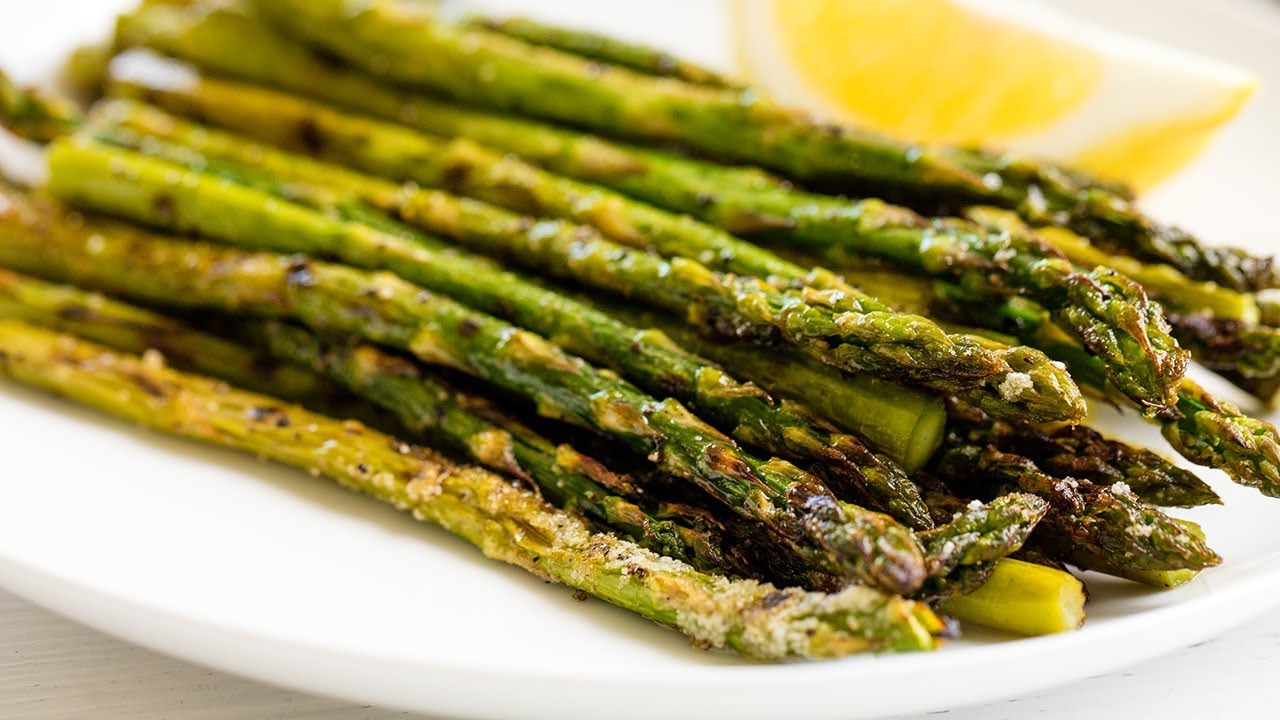
Grilled asparagus brings a smoky, slightly bitter edge that pairs well with the rich flavors of paella. The charred tips add visual contrast too, which honestly matters when you’re putting together a spread for guests.
Key Ingredients
- Fresh asparagus (thick spears work best for grilling)
- Olive oil
- Salt and pepper
- Lemon juice
How to Make It
Snap off the woody ends. Toss spears with olive oil, salt, and pepper. Grill over high heat for 3-4 minutes, turning once. Squeeze fresh lemon juice over them right off the grill.
That’s literally it. Don’t overcook them. They should still have some snap when you bite in.
Flavor Profile
Smoky, earthy, with a slight bitterness balanced by the lemon. Clean and fresh.
Best Paella Type to Pair With
Seafood paella and vegetable paella. The asparagus gives a nice contrast to heavier proteins without being too filling. If you’re putting together sides for a fish dinner, grilled asparagus is always a safe bet.
Serving Tips
Serve immediately while still warm. A shaving of Manchego cheese on top adds a nice salty bite. Or drizzle with romesco sauce if you want to keep things fully Spanish.
Ham Croquettes (Croquetas de Jamon)

Why It Works with Paella
Croquetas are probably the most popular tapa in Spain. And for good reason. They’re creamy on the inside, crispy on the outside, and packed with cured ham flavor.
They give your paella dinner a finger food element that keeps things casual and fun. I always make a double batch because they go fast. Always.
Key Ingredients
- Jamon serrano (or Iberico if you’re feeling generous)
- Butter
- Flour
- Whole milk
- Nutmeg
- Eggs and breadcrumbs for coating
- Oil for frying
How to Make It
Make a thick bechamel sauce with butter, flour, and milk. Stir in finely chopped jamon and a pinch of nutmeg. Spread the mixture on a tray and refrigerate until firm, at least 2-3 hours.
Shape into small cylinders. Dip in beaten egg, then coat in breadcrumbs. Fry in hot oil until golden brown.
The bechamel needs to be really thick, or your croquetas will fall apart in the fryer. Took me more than a few failed batches to learn that one.
Flavor Profile
Rich, creamy, salty from the cured ham. The breadcrumb shell adds a satisfying crunch. Think of it as a Spanish comfort food staple.
Best Paella Type to Pair With
Seafood paella or vegetable paella. The ham in the croquetas adds a meaty element when the main dish is lighter on protein.
Serving Tips
Serve hot, straight out of the fryer. You can shape them ahead of time and keep them in the fridge until you’re ready to fry. They also freeze well uncooked, which is great for a paella party menu where you want to prep in advance.
Ensalada Mixta (Spanish Mixed Salad)

Why It Works with Paella
This is the salad you’ll find on almost every table in Spain. It’s light, fresh, and doesn’t try to be anything fancy.
Next to a heavy pan of leftover paella or a freshly made batch, ensalada mixta provides exactly the kind of freshness your mouth wants between bites. No complicated dressings, no trendy ingredients. Just solid, honest food.
Key Ingredients
- Butter lettuce or romaine
- Ripe tomatoes, sliced
- White onion, thinly sliced
- Canned tuna (in olive oil)
- Spanish olives
- Hard-boiled eggs
- Olive oil and red wine vinegar dressing
How to Make It
Tear the lettuce into pieces. Arrange tomato slices and onion rings on top. Add chunks of tuna, olives, and quartered hard-boiled eggs.
Dress simply with olive oil, red wine vinegar, and salt. Nothing else needed.
Some people add canned white asparagus or roasted red peppers. Both are good additions if you have them.
Flavor Profile
Clean, bright, with salty pops from the olives and tuna. The vinegar dressing keeps everything lively.
Best Paella Type to Pair With
Any paella type. But it’s especially nice with meat-heavy or mixed Valencian paella where you want something light on the side.
Serving Tips
Assemble just before serving. The dressing goes on at the table, not before. Keep the tuna in larger chunks so it doesn’t fall apart and turn everything into a mess. Serve it on a big platter, family-style, alongside a bottle of Rioja wine or cold cava.
FAQ on What Side Dish Goes With Paella
What is the best side dish for paella?
Pan con tomate is the most popular choice. Toasted crusty bread rubbed with garlic and ripe tomatoes, drizzled with olive oil. It’s simple, traditional, and balances the richness of saffron rice without overwhelming it.
What salad goes with paella?
Ensalada mixta is the classic Spanish pick. Lettuce, tomatoes, onion, Spanish olives, tuna, and hard-boiled eggs with a simple olive oil and vinegar dressing. Light, fresh, and exactly what you need next to heavy rice.
What bread should I serve with paella?
A rustic, crusty baguette or ciabatta works best. Tear off pieces and use them to soak up the saffron-infused broth at the bottom of the paella pan. Skip soft bread. You want crunch.
Do you need a side dish with paella?
Technically, no. Paella is a complete meal with rice, proteins, and vegetables. But a light side like gazpacho or a few tapas turns dinner into a proper Spanish feast. It’s worth the extra effort.
What vegetables go well with paella?
Grilled asparagus, roasted red peppers, and pimientos de padron are all solid choices. Stick with Mediterranean vegetables that can be prepared simply. They add color and freshness without fighting the main dish.
What tapas pair best with paella?
Patatas bravas, gambas al ajillo, ham croquettes, and marinated olives. These are the standards at any Spanish dinner. Serve two or three alongside your paella and nobody will leave hungry.
What wine goes with paella?
A dry Spanish white like Albarino works great with seafood paella. For meat or mixed paella, try a light Rioja or Garnacha. Cava is always a safe bet regardless of the paella type.
What side dish goes with seafood paella specifically?
Gazpacho, a simple green salad, or pan con tomate. Seafood paella is already rich with shrimp, mussels, and squid. Keep sides light and acidic to balance the brininess.
Can I serve rice-based sides with paella?
No. Paella is already a saffron rice dish. Serving more rice alongside it is redundant and heavy. Choose sides with different textures like salads, roasted vegetables, or bread-based tapas instead.
What dessert goes after a paella dinner?
Flan, churros, or crema catalana are traditional Spanish options. After a filling paella meal, keep dessert light. A simple flan or fresh fruit with Manchego cheese and honey works perfectly to close things out.
Conclusion
Picking what side dish goes with paella comes down to one thing. Balance.
You already have a bold, saffron-scented rice dish loaded with proteins. Your sides should add contrast, not more of the same.
Go with something acidic like gazpacho or ensalada mixta to cut through the richness. Add crunch with patatas bravas or croquetas de jamon. And always have crusty bread on the table for soaking up that socarrat at the bottom of the pan.
Keep it simple. Two or three well-chosen Spanish tapas alongside your paella is more than enough.
The best paella dinners I’ve put together weren’t the ones with the longest menu. They were the ones where every dish on the table had a reason to be there.
Pick your sides with purpose and let the paella stay the star.


