

Summarize this article with:
Beef rendang is one of those dishes that demands respect on the plate. The slow-cooked coconut milk curry, loaded with lemongrass, galangal, and kaffir lime leaves, delivers so much flavor that picking the wrong side can throw the whole meal off.
So, what side dish goes with beef rendang? It depends on whether you want to keep things traditional with steamed jasmine rice and sambal, or branch out with roasted vegetables and flatbreads.
After cooking this Indonesian classic more times than I can count, I’ve figured out which pairings actually work and which ones fall flat. Below, you’ll find 10 sides that balance the rich, spiced beef, from coconut rice and roti canai to cucumber salad and gado gado.
Each one is tested, easy to prepare, and built to complement the deep flavors of rendang without fighting them.
Best Side Dishes for Beef Rendang
Steamed Jasmine Rice

Why It Works with Beef Rendang
This is the classic. The one you’ll find on every table in Indonesia and Malaysia when rendang hits the plate.
Jasmine rice has a gentle floral scent that doesn’t compete with the bold coconut milk curry. It just absorbs everything. Every drop of that thick, spiced sauce clings to the grains and honestly, that’s half the reason people love rendang in the first place.
Took me years to realize the rice matters more than most people think. A bad batch of overcooked, mushy rice can ruin an otherwise perfect rendang dinner.
Key Ingredients
- Long-grain jasmine rice (Thai or Vietnamese varieties work best)
- Water at a 1:1.25 ratio
- Pinch of salt
How to Make It
Rinse the rice two or three times until the water runs mostly clear. This removes excess starch and prevents clumping.
Cook in a rice cooker or covered pot on low heat for about 15 minutes. Let it rest for 10 minutes with the lid on before fluffing with a fork. Don’t skip the resting step.
Flavor and Texture Balance
The mild, slightly sweet rice provides a neutral base that lets the lemongrass, galangal, and kaffir lime leaves in the rendang really shine. It’s a starchy side that soaks up the coconut-rich sauce without adding any competing flavors.
Quick Serving Tip
Serve the rice in a separate bowl, not drowned in rendang. Let people portion it themselves. The rice stays fluffy that way, and you get a better texture contrast with each bite.
Coconut Rice (Nasi Lemak)

Why It Works with Beef Rendang
Nasi lemak is Malaysia’s national dish for a reason. When you pair it with rendang, you’re basically eating one of the most iconic Southeast Asian meals that exists.
The creamy coconut flavor in the rice mirrors the coconut milk in the rendang, creating a layered richness that’s hard to beat. If steamed jasmine rice is the safe choice, nasi lemak is the bold one.
Key Ingredients
- Jasmine rice cooked in full-fat coconut milk
- Pandan leaf (for aroma)
- Salt and a small knob of ginger
- Traditional accompaniments: sambal, boiled egg, fried anchovies, cucumber slices, roasted peanuts
How to Make It
Replace half the water with coconut milk when cooking your rice. Toss in a pandan leaf and a pinch of salt. Cook as normal.
The pandan leaf is what gives it that unmistakable fragrant, almost vanilla-like aroma. If you can’t find fresh pandan, frozen works fine. Skip the extract though. It’s never quite right.
Flavor and Texture Balance
Nasi lemak adds a creamy, slightly sweet dimension to the meal. The traditional condiments (especially the sambal and crispy anchovies) bring extra texture and heat that match the warming spices in beef rendang. It’s richer than plain rice, so keep portions a bit smaller.
Quick Serving Tip
Wrap the coconut rice in a banana leaf for 5 minutes before serving. It picks up an earthy, slightly grassy flavor. This is how street vendors in Kuala Lumpur do it, and the difference is real.
Roti Canai

Why It Works with Beef Rendang
Roti canai is a flaky, buttery flatbread with Indian origins that became a breakfast staple across Malaysia and Singapore. Tearing off a piece and dragging it through rendang sauce is, well, probably one of the best things you can do at a dinner table.
The bread has paper-thin layers that crisp up on the outside while staying soft and chewy inside. Perfect for scooping.
Key Ingredients
- All-purpose flour
- Ghee (clarified butter) for layering
- Condensed milk (a small amount for slight sweetness)
- Water and a pinch of salt
How to Make It
Knead the dough until smooth, then let it rest for at least 2 hours. The gluten needs to relax so you can stretch it thin without tearing.
Flatten each ball of dough, stretch it until nearly transparent, then fold it back into layers. Cook on a hot, oiled griddle until golden and crispy on both sides. Clap the bread between your hands right after cooking to separate the layers.
Fair warning. Your first few attempts might look rough. That’s normal. The stretching technique takes practice.
Flavor and Texture Balance
The buttery, flaky texture of roti canai contrasts beautifully with the dense, concentrated rendang. Where the curry is rich and heavy with spices like turmeric and galangal, the bread is light and neutral, almost like a blank canvas for all those flavors.
Quick Serving Tip
Serve the roti immediately after cooking. It loses its crispiness fast. If you’re making multiple pieces, keep finished ones warm in a low oven wrapped in a clean towel.
Cucumber Salad

Why It Works with Beef Rendang
You need something cool and crunchy next to all that richness. Cucumber salad is the answer, and it takes about 5 minutes to put together.
This is one of those sides that doesn’t get enough credit. It cuts right through the coconut milk and spice, giving your palate a reset between bites of rendang.
Key Ingredients
- Fresh cucumber (English or Persian varieties)
- Red onion, thinly sliced
- Rice vinegar or white vinegar
- Sugar, salt, and a pinch of chili flakes
How to Make It
Slice cucumbers thin. Toss with sliced red onion, a splash of rice vinegar, a pinch of sugar, and salt. Let it sit in the fridge for at least 15 minutes before serving.
That quick pickle effect makes a huge difference. The cucumbers get slightly tender while staying crisp at the core.
Flavor and Texture Balance
Cool, tangy, and slightly sweet. It’s the exact opposite of beef rendang in every way, and that’s the whole point. The acidity from the vinegar and the freshness of raw cucumber make this an easy Indonesian side dish that balances a heavy main course.
Quick Serving Tip
Don’t dress the salad too far in advance. More than 30 minutes and the cucumbers start getting watery and limp. Make it right before you eat.
Gado Gado

Why It Works with Beef Rendang
Gado gado is an Indonesian salad built on blanched vegetables, hard-boiled eggs, tofu, tempeh, and a thick peanut sauce. The name literally means “mix mix,” and the dish is as flexible as that sounds.
It brings protein, crunch, and creaminess all at once. Next to a plate of rendang, gado gado turns a good meal into an Indonesian feast.
Key Ingredients
- Blanched green beans, cabbage, and bean sprouts
- Boiled potatoes and hard-boiled eggs
- Fried tofu and tempeh
- Peanut sauce (ground peanuts, garlic, chili, palm sugar, tamarind)
- Prawn crackers (kerupuk) and crispy shallots on top
How to Make It
Blanch your vegetables until just tender. You want some crunch left. Fry the tofu and tempeh until golden and crispy on the outside.
For the peanut sauce, blend roasted peanuts with garlic, chilies, palm sugar, tamarind paste, and a splash of coconut milk. It should be thick enough to coat the vegetables but pourable. Adjust the water until you hit that consistency.
Arrange everything on a plate and pour the sauce over generously. Top with kerupuk and fried shallots.
Flavor and Texture Balance
The nutty, slightly sweet peanut sauce shares some flavor DNA with rendang (both use coconut and warming spices), but the fresh vegetables and crunchy toppings bring lightness. The variety of textures, from soft egg to crispy tempeh, keeps every bite interesting.
Quick Serving Tip
Arrange the ingredients separately on a platter and let people build their own plate. It looks better and everyone gets to control how much peanut sauce they want. Trust me, some people will want a lot.
Roasted Cauliflower

Why It Works with Beef Rendang
Rendang is dense and protein-heavy. You need a vegetable side that holds its own without disappearing into the background. Roasted cauliflower, especially when seasoned with turmeric and cumin, does exactly that.
The golden color from the turmeric also looks great on the plate next to the dark brown rendang. A small detail, but it matters.
Key Ingredients
- Cauliflower florets
- Olive oil or coconut oil
- Turmeric, cumin, and a pinch of chili powder
- Salt and a squeeze of lemon
How to Make It
Toss cauliflower florets in oil, turmeric, cumin, salt, and chili powder. Spread on a baking sheet in a single layer. Don’t crowd the pan, or you’ll steam instead of roast.
Roast at 220C (425F) for 25 to 30 minutes until the edges are charred and crispy. Finish with a squeeze of fresh lemon juice right before serving.
Flavor and Texture Balance
The charred, slightly nutty cauliflower adds a lighter, earthy element. It’s a healthy side that won’t weigh down the meal further. The lemon cuts through the richness of the coconut curry, and the spices complement the rendang without competing.
Quick Serving Tip
Add a drizzle of tahini or a sprinkle of serundeng (toasted coconut flakes) over the finished cauliflower for an extra layer of flavor that ties it back to the Indonesian theme.
Green Beans with Peanut Sauce

Why It Works with Beef Rendang
This is a traditional Malaysian and Indonesian pairing that shows up at family meals all the time. Green beans cooked with a spicy, nutty peanut sauce are simple but punchy enough to stand next to a big-flavored dish like rendang.
Takes about 15 minutes total. Hard to beat that kind of effort-to-reward ratio.
Key Ingredients
- Fresh green beans (long beans are traditional, but French beans work)
- Peanut sauce (roasted peanuts, garlic, shallots, chili, lime juice)
- A splash of kecap manis (sweet soy sauce)
How to Make It
Blanch the green beans in salted boiling water for 2 to 3 minutes. They should still snap when you bend them.
Toss the blanched beans in the peanut sauce while still warm. The heat helps the sauce cling to the beans better. Add a drizzle of kecap manis and a squeeze of lime to finish.
Flavor and Texture Balance
Crunchy beans with a creamy, slightly spicy coating. The peanut flavor echoes the nutty notes you sometimes get in rendang (especially versions with toasted coconut), creating a cohesive Indonesian spread. The lime adds a brightness the main dish doesn’t have.
Quick Serving Tip
Use long beans if you can find them at an Asian grocery store. They have a slightly different texture and look more authentic on the plate. Cut them into finger-length pieces.
Stir-Fried Bok Choy

Why It Works with Beef Rendang
Sometimes you just want something green and simple. Steamed bok choy (or stir-fried, really) is one of those sides that’s almost invisible in the best way. It adds freshness and color without demanding any attention from the main course.
If you’re the kind of person who feels guilty about eating a plate of rich coconut curry with only white rice, bok choy is your out.
Key Ingredients
- Baby bok choy (3 to 4 heads)
- Garlic, minced
- Sesame oil
- Light soy sauce
How to Make It
Heat a wok until smoking. Add a splash of sesame oil and the minced garlic. Stir for about 10 seconds, then toss in the halved bok choy.
Stir-fry for 2 minutes max. Add a tablespoon of soy sauce and a splash of water. Cover for 30 seconds to let the leaves wilt. Done.
Overcooking bok choy is the number one mistake. You want the stalks tender-crisp and the leaves just wilted. Anything past that and you’ve got mush.
Flavor and Texture Balance
Light, slightly bitter greens with a hit of garlic. It’s the simplest side on this list, but it plays an important role. The freshness prevents the meal from becoming too heavy, which is easy to do when the main dish is slow-cooked beef in coconut milk and spices.
Quick Serving Tip
Drizzle a tiny bit of oyster sauce on top right before serving. It adds a glossy finish and a savory sweetness that pairs well with the rendang.
Acar Pickles

Why It Works with Beef Rendang
Acar is a Southeast Asian quick pickle made with vinegar, sugar, and turmeric. It’s tangy, slightly sweet, and packed with crunch. In Malaysian cuisine, acar is the standard condiment served alongside rich curries like rendang.
Think of it as the palate cleanser you didn’t know you needed.
Key Ingredients
- Cucumber, carrot, and red onion (cut into thin strips)
- Rice vinegar or white vinegar
- Sugar, salt, and ground turmeric
- Fresh chilies (optional, for heat)
- Roasted peanuts (optional garnish)
How to Make It
Julienne the vegetables into thin matchstick-sized pieces. Bring the vinegar, sugar, salt, and turmeric to a quick boil, then pour over the vegetables. Let everything cool and marinate for at least 30 minutes in the fridge.
The turmeric gives acar its signature yellow color. Don’t skip it. It’s not just for looks. It adds a warm, earthy background flavor that connects the pickles to the spice profile of the rendang.
Flavor and Texture Balance
Sharp, crunchy, and bright. Acar works as a direct counterpoint to the deep, slow-cooked flavors in beef rendang. The acidity helps cut through the coconut richness, and the crunch adds a texture the main dish is completely missing. If you’re building an authentic Padang-style meal, this is non-negotiable.
Quick Serving Tip
Make a bigger batch than you think you need. People always go back for more. It keeps well in the fridge for up to a week, too. Great with lamb chops or kabobs as well.
Sambal Goreng
Why It Works with Beef Rendang
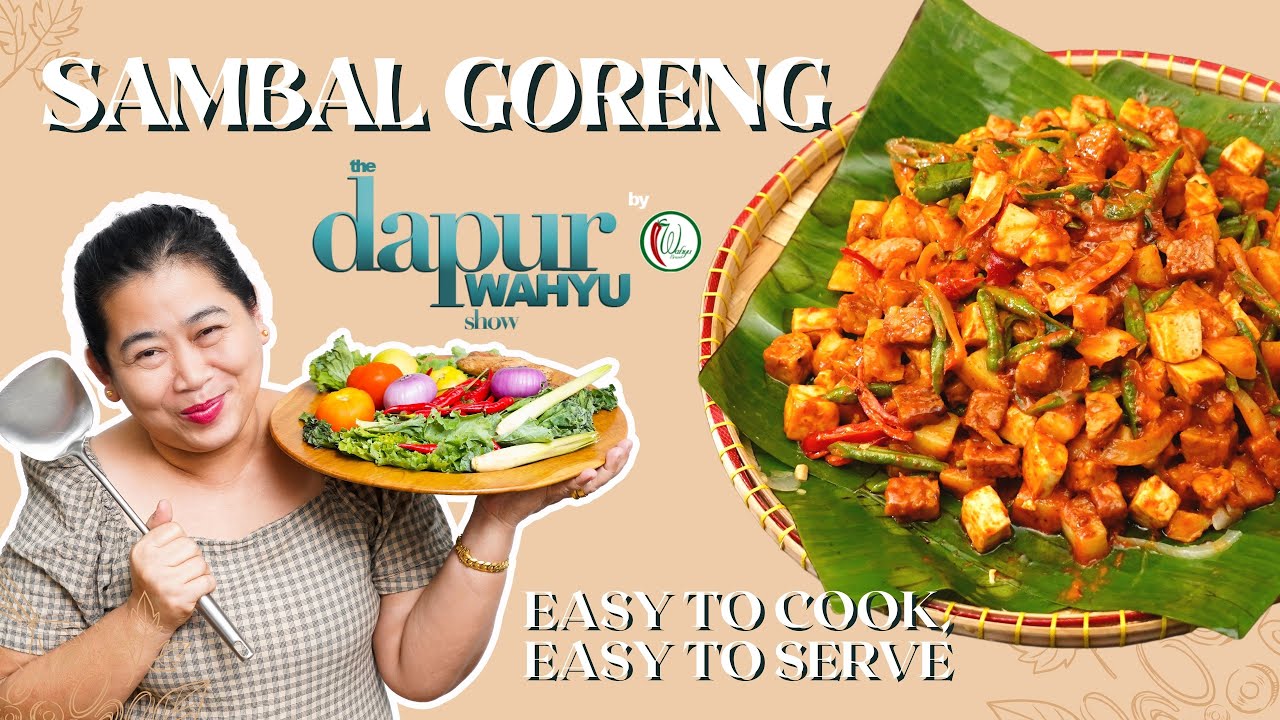
Sambal goreng is a spicy Indonesian stir-fry made with tofu, tempeh, and green beans cooked in a fiery chili paste with coconut milk. It’s a staple during festive gatherings like Hari Raya and a common side dish at Indonesian rice tables.
Yes, it’s spicy next to an already spicy main. But the flavors are different enough that they complement rather than clash. The sambal goreng brings a bright, sharp heat compared to rendang’s deeper, slow-cooked warmth.
Key Ingredients
- Firm tofu and tempeh, cubed and fried until crispy
- Green beans or long beans, cut into short pieces
- Chili paste (ground chilies, shallots, garlic, shrimp paste)
- Coconut milk, kecap manis, and palm sugar
- Kaffir lime leaf
How to Make It
Fry the tofu and tempeh separately until golden and crispy. Set aside on paper towels.
In the same pan, fry the chili paste until fragrant (about 3 minutes). Add coconut milk, kecap manis, and palm sugar. Toss in the green beans and simmer for 5 minutes. Add back the fried tofu and tempeh, stir to coat everything in the sauce. Finish with a kaffir lime leaf.
The whole thing takes about 30 minutes once you’ve done your prep work.
Flavor and Texture Balance
Sambal goreng is sweet, spicy, and savory all at once. The crispy fried tofu and tempeh add protein and a satisfying crunch, while the green beans keep things from getting too heavy. Served alongside rendang and steamed rice, it rounds out an Indonesian feast with different textures and a fresh hit of heat.
Quick Serving Tip
This dish actually tastes better the next day as the flavors settle. If you’re making it for a dinner party, cook it a few hours ahead and reheat gently before serving. It holds up well.
FAQ on What Side Dish Goes With Beef Rendang
What is the best rice to serve with beef rendang?
Steamed jasmine rice is the most traditional choice. Its mild floral aroma absorbs the coconut milk curry sauce without competing. Nasi kuning (turmeric yellow rice) is a great festive alternative that adds color and earthy warmth to the meal.
Can you eat beef rendang with bread?
Yes. Roti canai is the go-to flatbread pairing in Malaysian cuisine. Its flaky, buttery layers are perfect for scooping up the thick rendang sauce. Naan works too, though it’s less traditional for Southeast Asian dishes.
What vegetables go well with beef rendang?
Stir-fried bok choy, roasted cauliflower, and green beans with peanut sauce all work well. You want something with crunch or freshness to offset the rich, slow-cooked beef. Keep the seasoning simple so the rendang stays the star.
Is nasi lemak a good side for rendang?
It’s one of the best. Coconut rice cooked with pandan leaf, served alongside sambal, fried anchovies, and cucumber slices, creates a complete Malaysian meal. Nasi lemak and beef rendang together is a classic Padang-style combination.
What salad pairs with beef rendang?
Cucumber salad dressed with rice vinegar and a pinch of sugar is the easiest option. For something more substantial, try gado gado, an Indonesian salad with blanched vegetables, tempeh, boiled eggs, and a thick peanut sauce dressing.
What condiments should you serve alongside rendang?
Sambal oelek or a homemade sambal sauce adds extra heat. Acar pickles (turmeric-spiced pickled vegetables) bring tangy crunch. Crispy shallots and kerupuk (prawn crackers) round things out with texture. These are standard on any Indonesian table.
Can you serve beef rendang with noodles?
You can. Stir-fried glass noodles or egg noodles soak up the sauce nicely. It’s not the most traditional pairing, but it works for a filling weeknight dinner. Keep the noodles lightly seasoned so the rendang flavors come through.
What cooling side dishes balance the spice in rendang?
Cucumber salad, acar pickles, and fresh fruit like sliced pineapple all help. These cooling sides cut through the heat from the chili and the richness of the coconut milk. A simple cucumber relish takes under 5 minutes to prepare.
What do you serve with rendang for a dinner party?
Build an Indonesian spread. Steamed jasmine rice, gado gado, sambal goreng, acar pickles, and kerupuk on the side. Add roti canai if you want bread. This gives guests variety and lets them mix flavors across multiple Southeast Asian side dishes.
Is beef rendang served dry or with sauce?
Traditional rendang is a dry curry. The beef slow-cooks until nearly all the coconut milk evaporates, leaving a thick, concentrated coating on the meat. Some versions keep a bit of gravy, which is better for soaking into rice or flatbread.
Conclusion
Figuring out what side dish goes with beef rendang comes down to one thing: balance. The main course is already heavy with coconut milk, chili, and warming spices like galangal and turmeric. Your sides need to either absorb that richness or cut through it.
Stick with a starchy base like nasi kuning or steamed rice. Add something fresh, whether that’s acar pickles or a quick cucumber relish. Then throw in a textured element like kerupuk or crispy fried shallots.
Don’t overcomplicate the spread. Two or three well-chosen sides turn a good rendang dinner into a proper Indonesian feast.
The best meals aren’t about doing more. They’re about picking the right pieces and letting each one do its job.


