

Summarize this article with:
Mexican food doesn’t have to spike your blood pressure or strain your kidneys. Traditional enchiladas pack 800-1200mg of sodium per serving, but low sodium enchiladas can deliver the same authentic flavors with just 300-400mg.
Heart-healthy cooking means making smart ingredient swaps without sacrificing taste. Fresh corn tortillas, no-salt-added tomato sauce, and reduced sodium cheese create the foundation for cardiovascular-friendly Mexican cuisine.
This guide reveals practical techniques for creating sodium-conscious enchiladas that satisfy your cravings while supporting your health goals. You’ll discover specific ingredient substitutions, cooking methods, and flavor-building strategies that reduce sodium by 60% compared to restaurant versions.
Learn to prepare enchilada sauce from scratch, choose the right tortillas, and select heart-friendly proteins that work within therapeutic diet requirements. These methods transform traditional recipes into DASH diet compliant meals without compromising authentic Mexican flavors.
Low Sodium Enchiladas
Corn Tortillas

Corn tortillas serve as the foundation for heart-healthy enchiladas with naturally low sodium content. Made from masa harina and water, they contain approximately 12mg of sodium per medium tortilla compared to 230mg in flour tortillas.
Key Attributes
Corn tortillas contain just 12-25mg sodium per serving versus 230-450mg in flour alternatives. Medium 6-inch tortillas provide 62 calories with 12g carbohydrates and 1g fiber.
Gluten-free composition makes them suitable for celiac diets. Natural masa harina processing increases calcium content through nixtamalization.
Semantic Relationships
Related terms: masa harina tortillas, whole grain wraps, gluten-free tortillas. Hypernyms include Mexican cuisine staples and healthy dinner options.
Connected concepts: reduced sodium meal prep and cardiovascular health cooking.
Contextual Benefits
Supports DASH diet guidelines with minimal sodium impact. Reduces daily sodium intake by 85% compared to flour tortillas.
Maintains authentic Mexican flavors without compromising heart-healthy goals. Compatible with kidney-friendly meal planning.
Implementation Details
Choose brands with zero added sodium for maximum benefit. Mission Extra Thin contains 25mg sodium per 3 tortillas.
Serving size: 2-3 tortillas per enchilada portion. Store in refrigerator to maintain freshness and flexibility.
Related Considerations
White corn tortillas offer neutral flavor profiles for various fillings. Yellow varieties provide beta-carotene benefits.
Blue corn tortillas contain highest antioxidant levels. Fresh tortillas may require gentle warming before rolling.
Boneless Chicken Breast

Fresh boneless chicken breast provides lean protein with minimal natural sodium content. A 3.5-ounce serving contains just 60-70mg sodium naturally, making it ideal for sodium-restricted diets.
Key Attributes
Fresh skinless chicken contains 60-70mg sodium per 3.5oz versus 700mg+ in processed varieties. Provides 23g protein with 165 calories per 100g serving.
Zero carbohydrates with complete amino acid profile. 85mg cholesterol per 100g falls within moderate consumption guidelines.
Semantic Relationships
Related terms: lean protein sources, reduced sodium meat, heart-healthy protein. Hypernyms: poultry, animal protein, low-sodium ingredients.
Associated concepts: meal prep protein, cardiovascular diet compliance, clean eating ingredients.
Contextual Benefits
Supports muscle maintenance while limiting sodium exposure. Provides satiety without excessive salt content.
Compatible with therapeutic diets including kidney disease meal plans. Absorbs enchilada sauce flavors without added sodium.
Implementation Details
Choose fresh over processed to avoid sodium injection solutions. Cook without added salt using herb and spice blends.
Internal temperature should reach 165°F for food safety. Portion size: 3-4oz per serving provides adequate protein.
Related Considerations
Organic options may have slightly lower sodium levels. Avoid pre-marinated varieties that contain salt solutions.
Ground turkey or lean beef can substitute with similar sodium profiles. Plant proteins like beans offer fiber benefits.
Low Sodium Chicken Broth
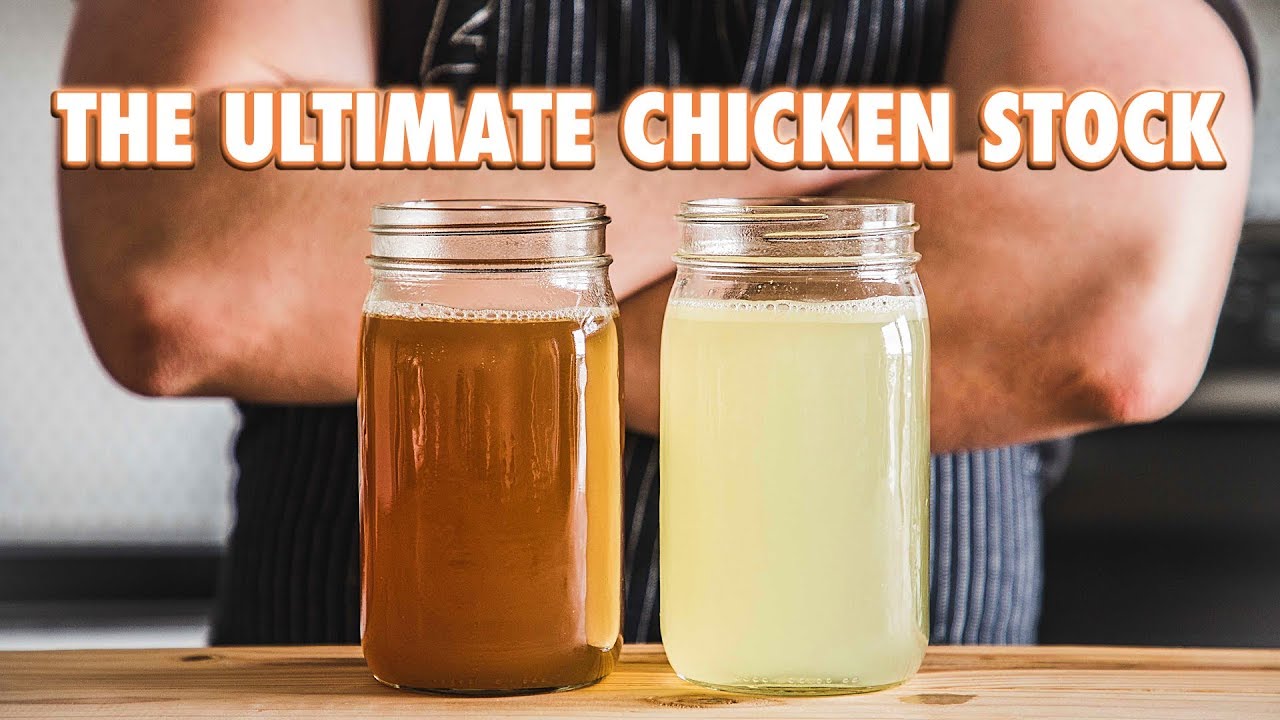
Low sodium chicken broth reduces liquid sodium content by 60-75% while maintaining flavor depth. Commercial varieties contain 140mg sodium per cup versus 550mg in regular versions.
Key Attributes
Swanson Low Sodium contains 140mg sodium per cup compared to 550mg regular. Pacific Foods organic version uses no GMO ingredients with natural flavoring.
Fat-free options available with 5-10 calories per serving. Made from slow-simmered chicken bones and vegetables.
Semantic Relationships
Related terms: reduced sodium stock, heart-healthy broth, low-salt cooking liquid. Hypernyms: cooking stocks, liquid seasonings, soup bases.
Connected entities: sodium restriction cooking, therapeutic diet ingredients, meal preparation liquids.
Contextual Benefits
Enables sauce preparation without excessive sodium addition. Supports hydration while cooking grains and vegetables.
Progresso reduced sodium provides 33% less sodium than regular varieties. Compatible with DASH and heart-healthy eating patterns.
Implementation Details
Use as base for enchilada sauce preparation. Swanson Natural Goodness contains 570mg versus 860mg regular.
Store opened containers refrigerated for 5-7 days. Freeze in ice cube trays for portion control.
Related Considerations
Unsalted varieties provide maximum sodium control. Bone broth versions offer additional protein content.
Vegetable broth can substitute for plant-based diets. Homemade versions allow complete sodium control.
Low Sodium Tomato Sauce

No-salt-added tomato sauce eliminates 300-400mg sodium per serving while preserving fresh tomato flavor. Hunt’s and Red Gold offer no-salt varieties with full taste profiles.
Key Attributes
Red Gold No Salt Added provides vine-ripened flavor without sodium addition. Victoria Low Sodium contains just 120mg per serving versus 400mg+ regular.
Made from concentrated tomatoes with natural acidity. BPA-free cans ensure flavor integrity without chemical exposure.
Semantic Relationships
Related terms: no-salt marinara, reduced sodium pasta sauce, heart-healthy tomato products. Hypernyms: tomato-based sauces, cooking ingredients, Italian cuisine bases.
Associated concepts: sodium-free cooking, therapeutic diet ingredients, clean label products.
Contextual Benefits
Homemade versions can contain as little as 26mg sodium per serving. Maintains lycopene antioxidant content for cardiovascular benefits.
Supports daily vegetable intake goals. Compatible with diabetic and renal diet requirements.
Implementation Details
Silver Palate Low Sodium uses San Marzano tomatoes for premium flavor. Use 1/2 cup per enchilada serving.
Season with herbs, garlic, and spices instead of salt. Store opened jars refrigerated for 7-10 days.
Related Considerations
Fresh tomato preparation offers complete sodium control. Organic varieties avoid pesticide residues.
Specialty brands like Hoboken Farms offer gourmet low-sodium options. Paste forms concentrate flavor without liquid volume.
Low Fat Cheese (Reduced Sodium)

Reduced sodium cheese varieties provide calcium and protein with 30-50% less sodium than regular versions. Swiss cheese contains just 53-56mg sodium per ounce, making it ideal for sodium-conscious cooking.
Key Attributes
Swiss cheese provides 56mg sodium per ounce versus 180mg in cheddar. Fresh mozzarella contains 40mg sodium per ounce with probiotic benefits.
200mg calcium per ounce supports bone health. Cottage cheese no-salt varieties contain 15mg sodium per serving.
Semantic Relationships
Related terms: low-sodium dairy, reduced salt cheese, heart-healthy calcium sources. Hypernyms: dairy products, protein sources, calcium-rich foods.
Connected concepts: therapeutic diet ingredients, bone health foods, clean eating dairy options.
Contextual Benefits
Provides 7g protein per ounce while limiting sodium exposure. Maintains melting properties for authentic enchilada texture.
Supports calcium needs without excessive sodium intake. Compatible with cardiovascular disease prevention diets.
Implementation Details
Choose fresh mozzarella, Swiss, or goat cheese for lowest sodium content. Use 1-2 ounces per enchilada serving.
FDA considers under 140mg per serving as low sodium. Read nutrition labels for sodium comparison between brands.
Related Considerations
Low-fat versions may contain more sodium than regular varieties. Part-skim options balance fat and sodium content.
Nutritional yeast provides cheesy flavor without sodium. Plant-based cheese alternatives offer dairy-free options.
Greek Yogurt (Instead of Sour Cream)

Greek yogurt replaces sour cream with 75% less sodium and double the protein content. Plain varieties contain 65mg sodium per cup versus 240mg in sour cream.
Key Attributes
Plain Greek yogurt provides 20g protein per cup with 130 calories. Contains 65mg sodium versus 240mg in regular sour cream.
Probiotic cultures support digestive health. Thick consistency mimics sour cream texture in recipes.
Semantic Relationships
Related terms: protein-rich dairy, probiotic foods, healthy sour cream substitute. Hypernyms: fermented dairy, high-protein foods, Mediterranean diet staples.
Associated entities: gut health foods, muscle-building ingredients, therapeutic diet options.
Contextual Benefits
Reduces enchilada sodium content by 175mg per serving. Provides beneficial bacteria for digestive wellness.
Higher protein content increases meal satiety. Compatible with diabetic meal planning due to lower sugar content.
Implementation Details
Choose plain varieties to avoid added sugars. Use 2-3 tablespoons as enchilada topping.
Mix with lime juice and cilantro for Mexican flavor profile. Store refrigerated and use within expiration date.
Related Considerations
Full-fat versions provide richer texture and flavor. Strained varieties offer thickest consistency.
Non-dairy yogurts accommodate lactose intolerance. Can be mixed with herbs for enhanced flavor complexity.
Fresh Cilantro

Fresh cilantro provides intense flavor without sodium while delivering antioxidants and fresh herb benefits. Contains virtually zero sodium per serving with significant vitamin K content.
Key Attributes
Zero sodium content with 5 calories per cup chopped. Rich in vitamin K, vitamin C, and folate.
Contains antioxidant compounds including quercetin and kaempferol. Essential oils provide distinctive Mexican cuisine flavor.
Semantic Relationships
Related terms: fresh herbs, sodium-free seasonings, Mexican cuisine ingredients. Hypernyms: leafy herbs, flavor enhancers, aromatic plants.
Connected concepts: salt substitute ingredients, antioxidant-rich foods, fresh cooking ingredients.
Contextual Benefits
Replaces salt-based seasonings with natural flavor complexity. Supports anti-inflammatory dietary patterns.
Provides vitamin K for bone health support. Enhances food palatability without sodium addition.
Implementation Details
Use 1-2 tablespoons fresh chopped per enchilada serving. Add after cooking to preserve volatile flavor compounds.
Wash thoroughly and store stems in water refrigerated. Substitute with parsley if cilantro sensitivity exists.
Related Considerations
Mexican oregano and cumin complement cilantro flavors. Fresh herbs provide superior taste to dried alternatives.
Grows easily in home gardens for year-round supply. Can be frozen in ice cubes for preservation.
Bell Peppers
Fresh bell peppers add sweetness, crunch, and vitamin C without sodium content. All varieties contain zero sodium while providing fiber and antioxidants for heart health.
Key Attributes
Zero sodium with 30 calories per cup. Excellent source of vitamin C providing 150% daily value.
High water content supports hydration. Natural sugars provide mild sweetness without added sodium.
Semantic Relationships
Related terms: fresh vegetables, sodium-free ingredients, colorful produce. Hypernyms: nightshade vegetables, cooking vegetables, Mexican cuisine ingredients.
Associated concepts: cardiovascular health foods, fiber-rich ingredients, antioxidant vegetables.
Contextual Benefits
Adds volume and nutrients without sodium impact. Provides natural sweetness to balance acidic tomato flavors.
High fiber content supports digestive health and satiety. Compatible with all therapeutic diet requirements.
Implementation Details
Use 1/2 cup diced per enchilada recipe serving 4. Choose red, yellow, or orange varieties for maximum sweetness.
Remove seeds and white pith before dicing. Sauté briefly to soften while maintaining nutritional content.
Related Considerations
Red peppers contain highest vitamin C levels. Green varieties offer more traditional Mexican flavor profiles.
Roasted peppers provide smoky depth without sodium. Can be prepared ahead and refrigerated for meal prep.
Olive Oil

Extra virgin olive oil provides heart-healthy fats for cooking without sodium content. Contains monounsaturated fats that support cardiovascular health and enhance nutrient absorption.
Key Attributes
Zero sodium with 120 calories per tablespoon. Rich in monounsaturated fats and vitamin E.
Contains polyphenol antioxidants with anti-inflammatory properties. Smoke point suitable for medium-heat cooking.
Semantic Relationships
Related terms: healthy cooking fats, Mediterranean diet oils, sodium-free cooking medium. Hypernyms: plant oils, cooking fats, liquid fats.
Connected entities: heart-healthy ingredients, anti-inflammatory foods, Mediterranean cuisine staples.
Contextual Benefits
Enables sodium-free sautéing of vegetables and proteins. Supports absorption of fat-soluble vitamins.
Provides satiety and flavor enhancement. Compatible with all heart-healthy eating patterns.
Implementation Details
Use 1-2 teaspoons for cooking enchilada ingredients. Choose extra virgin for maximum antioxidant content.
Store in cool, dark place to prevent rancidity. Avoid heating above 375°F to preserve beneficial compounds.
Related Considerations
Avocado oil offers higher smoke point for high-heat cooking. Spray versions provide portion control benefits.
Combines well with garlic and herbs for flavor enhancement. Organic varieties avoid pesticide residues.
Chili Powder, Cumin, and Paprika
These spice blends provide authentic Mexican flavors while replacing salt-based seasonings. Traditional spice combinations offer complex taste profiles with zero sodium content.
Key Attributes
Zero sodium content across all three spices. Chili powder provides capsaicin compounds with metabolism benefits.
Cumin offers earthy, warm flavors with iron content. Paprika adds color and mild sweetness without heat.
Semantic Relationships
Related terms: salt-free seasonings, Mexican spice blends, therapeutic diet seasonings. Hypernyms: ground spices, flavor enhancers, cooking seasonings.
Associated concepts: sodium replacement strategies, ethnic cuisine spices, anti-inflammatory ingredients.
Contextual Benefits
Replaces salt dependence with complex flavor development. Supports metabolic health through capsaicin compounds.
Provides antioxidant benefits from concentrated plant compounds. Enhances food palatability without sodium addition.
Implementation Details
Use 1 teaspoon each per recipe serving 4 people. Combine with garlic powder and black pepper for depth.
Toast briefly in dry pan to intensify flavors before adding. Store in airtight containers away from light and heat.
Related Considerations
Smoked paprika adds depth without sodium increase. Mexican oregano complements these spice combinations.
Fresh spice grinding provides maximum potency. Avoid seasoning blends containing added salt.
Lime

Fresh lime juice and zest provide bright acidity that enhances flavors naturally without sodium. The citric acid brightens dishes while providing vitamin C and natural preservation.
Key Attributes
Zero sodium with 20 calories per lime. High vitamin C content supports immune function.
Natural acidity brightens flavors without salt addition. Citric acid provides natural antimicrobial properties.
Semantic Relationships
Related terms: citrus fruits, natural flavor enhancers, sodium-free acidulants. Hypernyms: citrus ingredients, fresh fruits, cooking acids.
Connected concepts: Mediterranean diet ingredients, natural preservation, vitamin C sources.
Contextual Benefits
Enhances taste perception without sodium increase. Supports iron absorption from plant-based ingredients.
Provides natural preservation effects in cooked dishes. Compatible with all dietary restriction patterns.
Implementation Details
Use juice of 1 lime per recipe serving 4. Add zest for intensified citrus flavor without liquid volume.
Add at end of cooking to preserve vitamin C content. Store whole limes refrigerated for extended freshness.
Related Considerations
Lemon can substitute with similar acidity levels. Bottled lime juice loses freshness but provides convenience.
Combines excellently with cilantro for Mexican flavor profiles. Zest provides oils without additional liquid.
FAQ on Low Sodium Enchiladas
How much sodium do low sodium enchiladas contain?
Low sodium enchiladas typically contain 300-400mg sodium per serving compared to 800-1200mg in traditional versions. This 60% reduction supports heart-healthy eating patterns and DASH diet compliance while maintaining authentic Mexican flavors.
What cheese works best for reduced sodium enchiladas?
Swiss cheese contains just 56mg sodium per ounce, making it ideal for sodium-conscious cooking. Fresh mozzarella (40mg), goat cheese, and reduced sodium varieties provide calcium without excessive salt content.
Can I use regular tortillas for heart-healthy enchiladas?
Corn tortillas contain only 12mg sodium versus 230mg in flour alternatives. Choose brands with zero added sodium for maximum cardiovascular health benefits and authentic Mexican cuisine texture.
How do I make enchilada sauce without added salt?
Use no-salt-added tomato sauce as your base, then season with cumin, chili powder, and garlic powder. This homemade approach reduces sodium by 85% while maintaining rich, complex flavors.
Are low sodium enchiladas suitable for kidney disease diets?
Yes, when prepared properly. Therapeutic diet compliance requires limiting sodium to 2000mg daily. These enchiladas fit within renal diet guidelines while providing necessary protein and nutrients.
What spices replace salt in Mexican cooking?
Cumin, chili powder, paprika, and fresh cilantro create authentic flavor profiles without sodium. Salt-free seasonings like lime juice and garlic powder enhance taste naturally while supporting dietary restrictions.
Can I meal prep low sodium enchiladas?
Absolutely. These freeze well for up to three months and reheat beautifully. Meal planning with reduced sodium ingredients helps maintain consistent heart-healthy eating patterns throughout busy weeks.
How do I prevent soggy low sodium enchiladas?
Lightly toast corn tortillas before filling and avoid overfilling with sauce. Use Greek yogurt instead of sour cream to maintain texture while reducing sodium content by 175mg per serving.
What protein options work for sodium-restricted diets?
Fresh chicken breast (70mg sodium per 4oz), lean ground turkey, or black beans provide excellent protein without excessive salt. Avoid processed meats that contain sodium injection solutions.
Do low sodium enchiladas taste as good as regular versions?
When properly seasoned with fresh herbs and spices, they deliver full flavor satisfaction. Clean eating approaches often reveal more nuanced tastes than salt-heavy traditional recipes while supporting long-term health goals.
Conclusion
Creating low sodium enchiladas transforms traditional Mexican comfort food into a heart-healthy meal that supports your wellness goals. These recipes prove that reducing sodium doesn’t mean sacrificing the rich, complex flavors you crave from authentic Mexican cuisine.
Smart ingredient substitutions make all the difference. Swiss cheese instead of cheddar saves 124mg sodium per ounce, while Greek yogurt replaces sour cream with 75% less salt content.
Meal prep strategies using these techniques help maintain consistent healthy eating patterns. Batch cooking enchilada sauce and pre-preparing filling ingredients streamlines weeknight dinners while supporting cardiovascular health.
Fresh herbs, quality spices, and no-salt-added ingredients create layers of flavor that satisfy without the sodium overload. Your blood pressure and kidneys will thank you for making these simple yet effective changes.
The journey toward clean eating starts with one recipe at a time. These enchiladas prove that therapeutic diets can be both delicious and sustainable for long-term health success.


