

Nothing breaks a tamale lover’s heart quite like opening the refrigerator to find their batch of homemade tamales dried out or spoiled.
After spending hours preparing masa, assembling fillings, and wrapping corn husks, proper storage becomes critical for preserving that perfect texture and flavor.
Food safety concerns and quality preservation make learning how to store tamales correctly a must for anyone who makes these traditional Mexican delicacies.
Whether you’ve made a large batch for the holidays or picked up extras from your favorite restaurant, improper storage can turn your investment into wasted food within days.
This guide covers everything you need to know about tamale preservation methods.
You’ll discover refrigerator storage techniques, freezer preservation strategies, and reheating methods that maintain the original taste and texture.
From understanding spoilage indicators to mastering proper wrapping techniques, these storage solutions will help you enjoy your what to serve with tamales for weeks instead of days.
Short-Term Storage Methods

Keeping Tamales Fresh for Same-Day Serving
Warm tamales taste best when served immediately after cooking. If you need to hold them for a few hours before serving, proper temperature control becomes critical.
Keep freshly cooked tamales in a slow cooker set to “warm” mode. This maintains the ideal serving temperature without overcooking the masa.
Alternatively, wrap the entire steamer pot in thick towels. This insulation method keeps tamales warm for up to 2 hours while preserving moisture.
Steam Retention Techniques
The key to short-term storage lies in preventing moisture loss. Cover tamales with damp kitchen towels to maintain humidity levels.
Steam retention works best when tamales remain in their original corn husks. The natural wrapping creates a protective barrier against drying.
For serving at parties, use chafing dishes with water underneath. This gentle heat source prevents overcooking while maintaining proper texture.
Next-Day Storage Preparation
Room temperature cooling takes about 30 minutes for optimal results. Never rush this process by placing hot tamales directly in the refrigerator.
Cool tamales completely before wrapping to prevent condensation. Trapped moisture leads to soggy masa and compromised texture.
Refrigerator Storage Techniques

Preparing Tamales for Cold Storage
Proper cooling forms the foundation of successful refrigeration storage. Allow tamales to reach room temperature naturally before wrapping.
Individual wrapping prevents flavor transfer between different fillings. Use plastic wrap to create an airtight seal around each tamale.
Keep corn husks intact during refrigeration. These natural wrappers provide additional protection against moisture loss and bacterial contamination.
Optimal Temperature Settings
Set your refrigerator to 37-40°F for ideal tamale preservation. Temperatures above 40°F allow rapid bacterial growth that compromises food safety.
Temperature consistency matters more than exact settings. Avoid frequent door opening that causes temperature fluctuations.
Use a refrigerator thermometer to monitor conditions accurately. Digital models provide precise readings that ensure safe storage environments.
Container Selection Methods
Glass containers with tight-fitting lids work best for bulk storage. They don’t absorb odors and provide excellent visibility for monitoring freshness.
Plastic containers should be food-grade quality with secure sealing mechanisms. Cheap containers allow air circulation that dries out masa.
Airtight storage prevents cross-contamination with other refrigerated foods. Strong-smelling items like onions can affect tamale flavors through inadequate sealing.
Shelf Placement Strategies
Store tamales on middle shelves where temperatures remain most stable. Top shelves get too warm while bottom areas stay too cold.
Keep tamales away from the refrigerator door where temperature swings occur frequently. Consistent cold temperatures preserve quality longer.
Freezer Storage for Long-Term Freshness

Pre-Freezing Preparation Steps
Flash-freezing individual tamales prevents them from sticking together in storage bags. Arrange wrapped tamales on baking sheets for 2 hours before bagging.
Proper wrapping requires two layers of protection for freezer storage. Start with plastic wrap, then add aluminum foil or freezer bags.
Label each package with contents and date before freezing. This rotation system prevents older tamales from getting buried and forgotten.
Individual vs. Bulk Freezing
Individual wrapping allows you to thaw only what you need. This flexibility reduces waste and maintains quality for remaining portions.
Bulk freezing works well for large families who eat multiple tamales per meal. Use family-sized portions in heavy-duty freezer bags.
Vacuum sealing provides the ultimate protection against freezer burn. This method extends storage life to 8-10 months with minimal quality loss.
Preventing Freezer Burn
Double-wrapping creates the best defense against freezer burn damage. Never rely on single-layer protection for long-term storage.
Remove as much air as possible from storage bags before sealing. Air exposure causes ice crystal formation that ruins texture.
Temperature consistency in your freezer prevents repeated thaw-freeze cycles. Keep the freezer at 0°F or below for optimal preservation.
Organization and Labeling Systems
Use clear storage containers or bags for easy identification. Opaque packaging makes it difficult to assess contents without opening.
Create a rotation system with dates clearly visible. Place newer packages behind older ones to ensure proper usage order.
Store tamales in freezer sections with the most stable temperatures. Avoid door compartments where temperature fluctuations occur frequently.
Proper Wrapping and Container Selection

Traditional Corn Husk Considerations
Corn husks provide natural protection that modern materials can’t replicate. They regulate moisture while allowing the masa to breathe properly during storage.
Keep husks intact whenever possible during storage preparation. Damaged husks lose their protective properties and allow air exposure.
Dried husks become brittle and crack easily during handling. Handle wrapped tamales gently to prevent husk damage that compromises storage quality.
Modern Wrapping Materials
Plastic wrap creates an airtight seal that prevents moisture loss effectively. Use food-grade plastic specifically designed for food storage applications.
Aluminum foil works best for freezer storage where extra protection prevents freezer burn. The reflective surface also helps maintain consistent temperatures.
Heavy-duty plastic bags offer convenience for bulk storage needs. Look for bags rated for freezer use with proper thickness ratings.
Vacuum Sealing Benefits
Vacuum sealing removes air completely, preventing oxidation that affects flavor quality. This method extends storage life significantly beyond traditional wrapping.
Professional-grade vacuum sealers create the tightest seals for optimal preservation. Home models work adequately for occasional use.
Individual vacuum-sealed portions make thawing convenient and reduce waste. You only thaw what you plan to consume immediately.
Container Types by Storage Method
Glass containers maintain consistent temperatures and don’t absorb food odors. They work best for refrigerator storage where visibility helps monitor freshness.
Plastic containers should be BPA-free and rated for both freezer and microwave use. This versatility allows storage and reheating in the same container.
Airtight sealing mechanisms prevent air circulation that dries out masa. Check container seals regularly to ensure they maintain proper closure.
Reheating Stored Tamales Properly
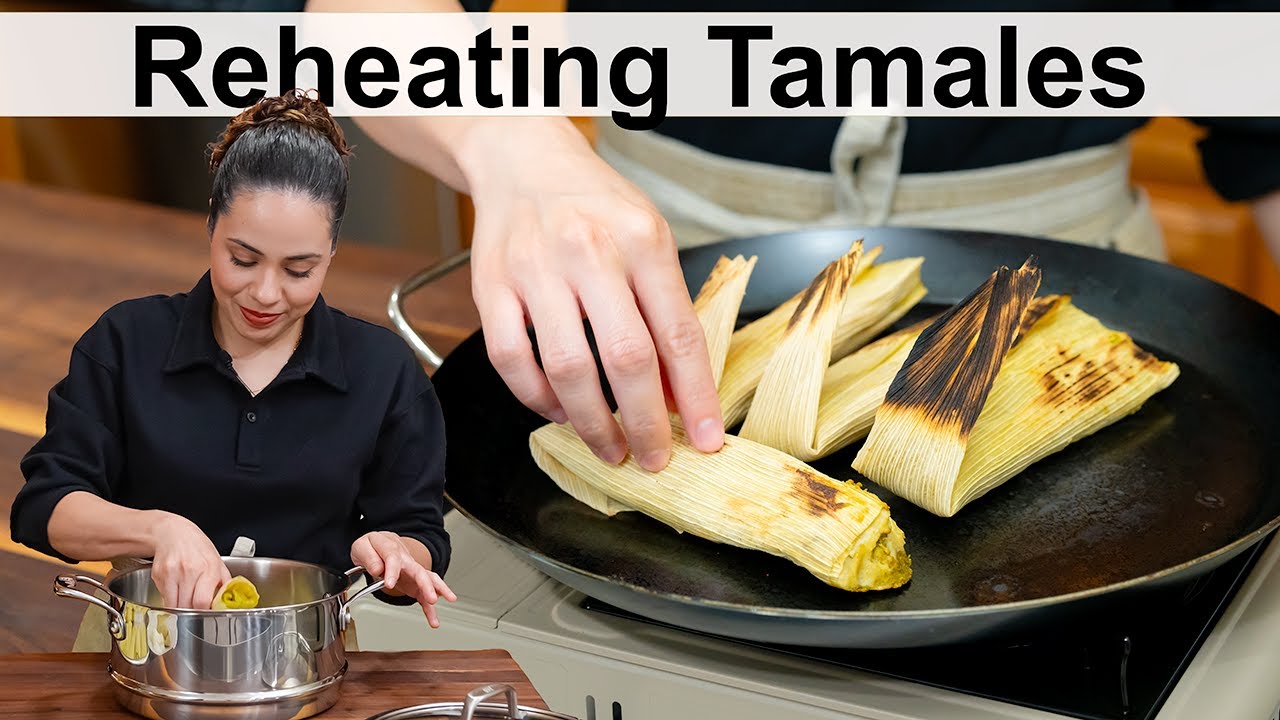
Safe Thawing Methods
Refrigerator thawing takes 6-8 hours but preserves texture best. Never thaw tamales at room temperature where bacteria can multiply rapidly.
Cold water thawing works faster for urgent needs. Submerge wrapped tamales in cold water, changing water every 30 minutes.
Microwave thawing uses defrost settings for quick results. Use 30% power to prevent hot spots that cook the masa unevenly.
Steaming Techniques
Steam reheating restores original texture better than other methods. Use a steamer basket with 1-2 inches of boiling water underneath.
Steam time varies by tamale size and frozen state. Fresh tamales need 10-15 minutes while frozen ones require 20-25 minutes.
Keep tamales in their husks during steaming. The natural wrapper prevents moisture loss and maintains structural integrity.
Microwave Best Practices
Wrap tamales in damp paper towels before microwaving. This creates steam that prevents the masa from drying out during heating.
Use medium power settings to heat evenly throughout. High power creates hot spots while leaving centers cold.
Rotation halfway through heating ensures uniform temperature distribution. Most microwaves have hot and cold zones that affect heating patterns.
Oven Reheating Steps
Preheat oven to 425°F for optimal reheating results. Higher temperatures cook the outside too quickly while leaving interiors cold.
Wrap tamales in foil with a tablespoon of water for steam generation. This moisture prevents the masa from becoming dry and crumbly.
Heat for 15-20 minutes depending on size and quantity. Check internal temperature reaches 165°F for food safety compliance.
Special Storage Considerations

Different Filling Types and Storage Needs
Meat fillings have shorter storage lives than vegetarian options. Pork and chicken tamales should be consumed within 3-4 days when refrigerated.
Cheese-filled tamales require careful temperature control to prevent separation. Store these at consistent refrigerator temperatures without fluctuation.
Vegetarian fillings typically last longer due to lower bacterial contamination risks. Bean and vegetable tamales stay fresh for 5-6 days when properly stored.
Homemade vs Store-Bought Differences
Homemade tamales lack commercial preservatives that extend shelf life. Plan to consume fresh batches within shorter timeframes than packaged versions.
Store-bought varieties often contain sodium-based preservatives. Check packaging dates and storage instructions for specific guidelines.
Commercial packaging provides better moisture barriers than home wrapping. Transfer store-bought tamales to proper containers after opening original packaging.
Bulk Storage for Large Batches
Portion control during storage prevents waste from thawing more than needed. Divide large batches into family-sized portions before freezing.
Label portions clearly with contents and preparation dates. Include filling types to help with meal planning and rotation.
Use a first-in-first-out system to maintain quality standards. Older batches should be consumed before fresher ones.
Gift-Giving Storage Tips
Package tamales in attractive containers that recipients can keep. This adds value while ensuring proper storage capabilities.
Include reheating instructions with gift packages. Many people don’t know proper techniques for maintaining quality during reheating.
Gift timing matters for freshness – prepare tamales close to delivery dates. Don’t make gifts too far in advance of giving.
Common Storage Mistakes to Avoid
Temperature-Related Errors
Leaving Tamales at Room Temperature Too Long
The danger zone between 40-140°F allows bacteria to multiply rapidly in tamales. Never leave cooked tamales sitting out for more than 2 hours at room temperature.
Hot tamales need cooling time before refrigeration, but this shouldn’t exceed 30 minutes. Rushed cooling leads to condensation problems while delayed cooling creates food safety risks.
Summer temperatures and outdoor events make this mistake even more dangerous. Heat accelerates bacterial growth that can cause serious foodborne illness.
Freezing Tamales While Still Warm
Temperature shock occurs when hot tamales hit freezer temperatures too quickly. This creates ice crystals that destroy masa texture and ruin the final product.
Warm tamales also raise the temperature of surrounding frozen foods. This temperature fluctuation can compromise other stored items in your freezer.
Always cool tamales to room temperature before freezing. This simple step prevents texture damage and maintains freezer efficiency.
Inconsistent Refrigerator Temperatures
Frequent door opening causes temperature swings that affect tamale quality. Each opening allows warm air to enter and cold air to escape.
Temperature fluctuations create condensation inside storage containers. This moisture leads to soggy masa and accelerated spoilage.
Check your refrigerator settings regularly to ensure consistent 37-40°F temperatures. Use a thermometer to monitor actual conditions rather than trusting dial settings.
Wrapping and Container Mistakes
Insufficient Air Protection
Single-layer wrapping allows air exposure that dries out masa quickly. Plastic wrap alone isn’t enough protection for long-term storage needs.
Air circulation around improperly wrapped tamales causes moisture loss. This leads to hard, crumbly masa that loses its appealing texture.
Always use double-layer protection for storage beyond 24 hours. Combine plastic wrap with foil or use vacuum-sealed bags for best results.
Wrong Container Materials
Cheap plastic containers with poor sealing mechanisms allow air leakage. These containers can’t maintain the airtight conditions necessary for quality preservation.
Container size matters as much as quality – oversized containers trap excess air. Choose containers that fit your tamales snugly without crushing them.
Metal containers can react with acidic fillings and create off-flavors. Stick to glass or food-grade plastic for safe, neutral storage.
Overpacking Problems
Cramming too many tamales into one container prevents proper air circulation. This creates hot spots that promote bacterial growth and uneven cooling.
Compression damage occurs when tamales are packed too tightly together. The masa gets crushed and loses its proper texture during storage.
Leave space between tamales for air circulation and easier removal. Individual wrapping prevents sticking and maintains shape integrity.
Timing and Rotation Issues
Forgetting Expiration Dates
Unlabeled packages become mystery items that get pushed to the back of freezers. Without dates, you can’t track how long tamales have been stored.
Memory alone isn’t reliable for tracking storage times. Even fresh-looking tamales can harbor dangerous bacteria after extended storage periods.
Use waterproof labels with clear dates and contents listed. Include the type of filling to help with meal planning decisions.
Poor First-In-First-Out Practices
Rotation systems prevent older tamales from getting buried behind newer batches. Without proper rotation, you might eat fresh tamales while older ones spoil.
New packages should go behind existing stock in your storage area. This ensures older items get used before their quality deteriorates.
Create a simple inventory system to track what you have stored. A freezer list helps you use items in the proper order.
Storage Location Problems
Storing tamales in freezer door compartments exposes them to temperature changes. Door areas experience the most temperature fluctuation during normal use.
High-traffic areas of refrigerators and freezers don’t maintain consistent temperatures. Choose stable locations away from frequent opening and closing.
Back corners of freezers stay coldest and most stable. Reserve these premium spots for your longest-term tamale storage needs.
FAQ on How To Store Tamales
How long do tamales last in the refrigerator?
Fresh tamales stay good for 3-5 days when properly stored in the refrigerator at 40°F or below. Wrap them individually in plastic wrap or store in airtight containers to prevent drying out. Always check for spoilage signs before eating.
Can you freeze tamales?
Yes, tamales freeze exceptionally well for up to 6 months. Wrap each tamale individually in plastic wrap, then place in freezer bags. This prevents freezer burn and maintains texture. Label with dates for proper rotation.
Should tamales be stored in their corn husks?
Keep tamales in their corn husks during storage. The husks provide natural protection against moisture loss and flavor transfer. Add additional wrapping like plastic wrap or aluminum foil for extra protection in the refrigerator or freezer.
How do you reheat frozen tamales?
Steam frozen tamales for 15-20 minutes without thawing first. Alternatively, microwave on medium power for 2-3 minutes per tamale. The steaming method preserves moisture and texture better than other reheating techniques.
What’s the best way to wrap tamales for storage?
Wrap each tamale individually in plastic wrap, ensuring complete coverage. For bulk storage, use airtight containers or vacuum-sealed bags. Double-wrapping with aluminum foil adds extra protection for long-term freezer storage.
How can you tell if tamales have gone bad?
Look for mold growth, off smells, or slimy texture. Fresh tamales should smell pleasant and feel firm. Discard immediately if you notice any unusual odors, discoloration, or bacterial growth on the masa or filling.
Is it safe to leave tamales at room temperature?
Never leave tamales at room temperature for more than 2 hours. The danger zone between 40-140°F allows bacteria to multiply rapidly. Refrigerate or freeze tamales promptly after cooking or purchasing to maintain food safety.
Can you store different tamale fillings together?
Store meat-filled and vegetarian tamales separately to prevent flavor transfer and maintain food safety standards. Different fillings have varying shelf lives, so separate storage helps with proper rotation and quality control.
What containers work best for tamale storage?
Use glass containers with tight-fitting lids or heavy-duty plastic containers. Vacuum sealing works excellently for freezer storage. Avoid containers that allow air circulation, which leads to moisture loss and texture deterioration.
How do you prevent tamales from drying out?
Proper moisture retention requires airtight wrapping and temperature control. Add a damp paper towel when reheating. Store at consistent refrigerator temperatures and avoid frequent opening of containers to maintain humidity levels.
Conclusion
Learning how to store tamales properly protects your investment in time and ingredients while keeping your family safe from foodborne illness. The difference between soggy, flavorless leftovers and perfectly preserved traditional cuisine comes down to proper technique.
Whether you choose refrigerator storage for short-term needs or freezer preservation for meal prep, consistent temperature control makes all the difference. Vacuum sealing and airtight wrapping prevent moisture loss that ruins texture.
Bulk storage strategies help you manage large batches from holiday cooking or restaurant purchases efficiently. Steam retention during reheating brings back that fresh-made taste every time.
The key lies in understanding spoilage prevention and bacterial growth patterns. Proper cooling methods before storage and systematic rotation prevent waste.
With these preservation techniques, your homemade types of tamales stay delicious for weeks rather than days. Smart storage turns your kitchen efforts into convenient future meals that taste just as good as the day you made them.


