Store-bought taco shells break easily and taste like cardboard. Learning how to make taco shells at home transforms your Mexican cooking completely.
Fresh corn tortillas become golden, crispy vessels that actually enhance your fillings instead of competing with them. The difference between homemade and packaged shells is night and day.
This guide covers three proven methods for making restaurant-quality shells in your kitchen. You’ll master the traditional frying technique, discover healthier oven-baked alternatives, and learn quick microwave shortcuts.
We’ll also troubleshoot common problems like cracking and uneven browning. Plus, creative variations that turn basic shells into seasoned masterpieces.
By the end, you’ll confidently create crispy taco shells that rival your favorite Mexican restaurant.
Equipment and Tools You Need

Making crispy taco shells requires specific kitchen equipment for safety and success. The right tools make the difference between perfect shells and kitchen disasters.
Essential Cooking Equipment
A large skillet or deep fryer handles the frying process. Cast iron works best because it maintains steady oil temperature throughout cooking.
Kitchen tongs are absolutely necessary for safe handling. They let you flip and shape hot tortillas without burning your fingers.
A splatter screen protects against dangerous oil splashes. Trust me, hot vegetable oil can cause serious burns if you’re not careful.
Shell Shaping Tools
Taco shell holders create perfect curved shapes while cooling. You can buy metal ones or make your own with clean kitchen towels.
Paper towels drain excess oil efficiently. Stack several layers to absorb oil quickly and prevent soggy shells.
Oven-safe bowls work for the baking method. Turn them upside down and drape tortillas over them for hands-free shaping.
Alternative Equipment Options
Muffin tins create mini shells for appetizers. Press tortillas into the cups and bake until golden brown.
A candy thermometer monitors oil temperature precisely. Maintaining 350°F ensures consistent results every time.
Heat-resistant gloves provide extra protection when working with hot oil. They’re especially helpful for beginners who haven’t developed confidence yet.
Safety Equipment
Always keep a fire extinguisher nearby when deep frying. Oil fires happen fast and require immediate response.
A cooling rack elevates shells above draining surfaces. This prevents bottom sides from getting soggy while cooling.
Ingredients and Tortilla Selection

Fresh tortillas make the biggest difference in homemade taco shells. Quality ingredients create restaurant-style results at home.
Choosing the Right Tortillas
Corn tortillas work best for traditional crispy shells. Look for ones that feel soft and pliable, not dry or cracked.
6-inch tortillas are the standard size for most home cooking. Larger ones can be harder to handle and shape properly.
Fresh corn tortillas from the refrigerated section beat shelf-stable ones every time. They’re more flexible and less likely to crack during cooking.
Tortilla Thickness Considerations
Medium-thickness tortillas strike the perfect balance. Too thin and they’ll break; too thick and they won’t crisp properly.
Homemade tortillas using masa harina give you complete control over thickness. Mix masa with water and salt for authentic flavor.
Day-old tortillas actually work better than fresh ones. They’ve lost some moisture, which helps them crisp faster.
Oil Selection Guide
Vegetable oil provides neutral flavor that won’t compete with your fillings. It also handles high heat without smoking.
Canola oil offers another excellent neutral option. Both oils maintain stable temperatures during the frying process.
Avoid olive oil for deep frying. It has a low smoke point and can give shells a bitter taste when overheated.
Seasoning Your Shells
Salt enhances the corn flavor beautifully. Sprinkle it on shells immediately after frying while they’re still hot.
Chili powder adds authentic Mexican flavor. Mix it with salt for a seasoned blend that sticks to warm shells.
Lime zest brightens the overall taste. Grate it fresh and mix with salt for a citrusy finish.
Storage Considerations
Fresh tortillas should be used within a few days of purchase. Check the expiration date and store them properly in the refrigerator.
Room temperature tortillas fry more evenly than cold ones. Let them sit out for 30 minutes before cooking.
Frozen tortillas work in a pinch but need complete thawing first. Pat them dry with paper towels to remove excess moisture.
Frying Method for Crispy Shells

Deep frying creates the crispiest shells with authentic restaurant texture. This traditional cooking method requires attention but delivers superior results.
Oil Temperature Setup
Heat vegetable oil to exactly 350°F in your large skillet. Use enough oil to submerge half the tortilla when folded.
A candy thermometer takes the guesswork out of temperature control. Without one, test by dropping a small piece of tortilla in the oil.
The tortilla should sizzle immediately and turn golden brown within 30 seconds. If it burns quickly, your oil is too hot.
Shaping Technique While Frying
Hold the fresh corn tortilla with kitchen tongs and lower it into the hot oil. Fold it in half immediately while it’s still pliable.
Keep the shell shape open about an inch using the tongs. This creates the classic taco shell opening for easy filling later.
Cooking time is crucial here. Hold the shape for exactly 30 seconds before releasing.
The Frying Process
Lower the tortilla slowly to avoid dangerous oil splashes. The hot oil should bubble vigorously around the edges.
Fry the first side for 1-2 minutes until it starts crisping. Use tongs to flip and cook the other side.
Total frying time should be 2-3 minutes for perfect crispy texture. Remove when both sides are golden brown.
Draining and Cooling
Transfer fried shells immediately to paper towels. Stand them upright to drain excess oil properly.
Taco shell holders keep the curved shape while cooling. You can also use a clean kitchen towel draped over a mixing bowl.
Cool for at least 5 minutes before filling. Hot shells will make fillings soggy and can burn your fingers.
Oven-Baked Method for Healthier Shells
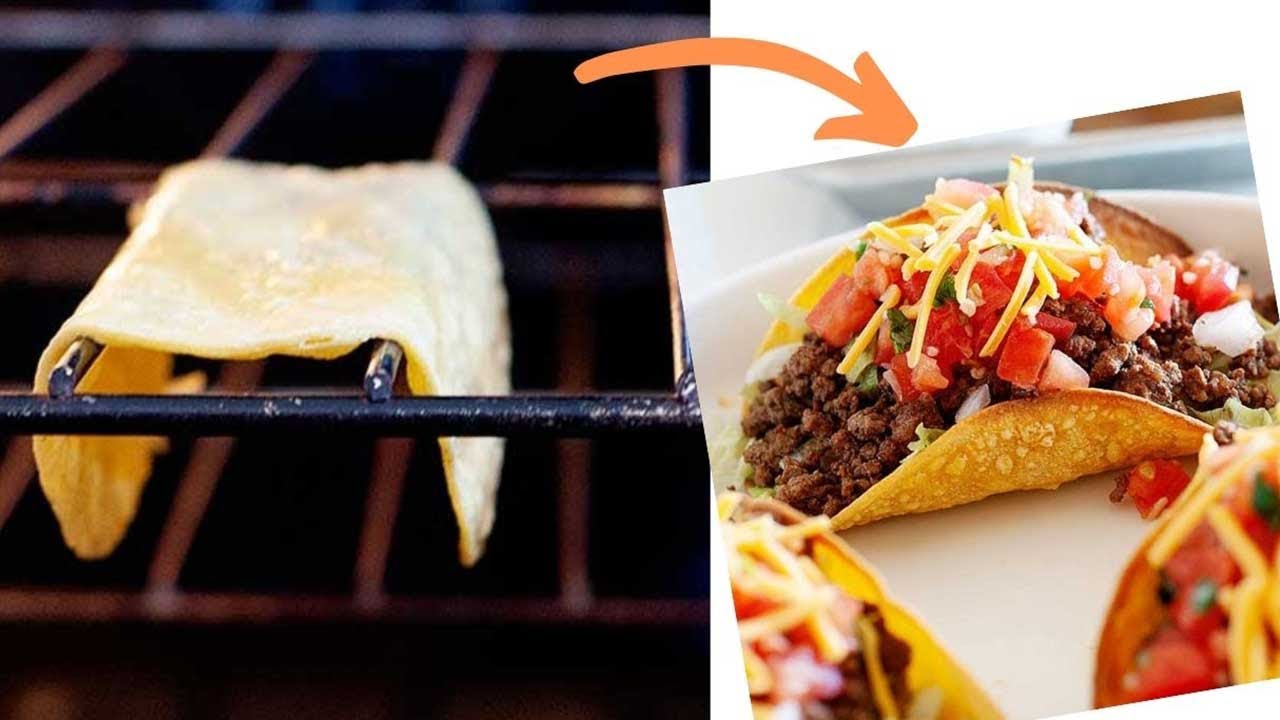
Baked taco shells offer a healthier alternative with less oil absorption. This cooking technique works well for meal prep and large batches.
Oven Preparation
Preheat your oven to 375°F for consistent even browning. Line baking sheets with parchment paper to prevent sticking.
Brush each corn tortilla lightly with oil using a pastry brush. This creates the golden color without deep frying.
Shaping Without Oil
Drape tortillas over oven-safe bowls turned upside down. This creates the taco shape without special equipment.
Muffin tin cups work perfectly for mini shells. Press tortillas gently into the cups to form small taco boats.
Space the bowls or tins apart on your baking sheet. Air circulation helps achieve crispy shells in the oven.
Baking Time and Technique
Bake for 8-10 minutes until edges start browning. The shell texture should feel firm but not brittle.
Flip the tortillas halfway through baking time for even cooking. Use tongs to avoid burning your fingers.
Check for doneness by tapping the shell gently. It should sound crisp, not soft or chewy.
Temperature and Timing Control
Lower temperatures work better than high heat. Oven temperature of 375°F prevents burning while ensuring crispiness.
Thin tortillas cook faster than thick ones. Adjust your timing based on tortilla thickness.
Fresh tortillas take slightly longer than day-old ones. The extra moisture needs time to evaporate.
Cooling for Best Results
Let baked shells cool on the baking sheets for 3-4 minutes. They’ll continue crisping as they cool down.
Transfer to a cooling rack for air circulation. This prevents soggy bottoms from trapped steam.
Storage containers should wait until shells are completely cool. Warm shells create condensation that ruins crispiness.
Reheating Baked Shells
Toaster ovens work perfectly for reheating small batches. Heat for 2-3 minutes at 350°F.
Avoid microwaving crispy shells as it makes them chewy. The oven method maintains the crunchy texture perfectly.
Store cooled shells in airtight containers for up to 3 days. Reheat before serving for best results.
Microwave Quick Method

Microwave cooking offers the fastest way to make single taco shells when time is short. This method works best for immediate serving rather than meal prep.
When to Use Microwave Method
Single serving needs make microwaving practical. You can have crispy shells ready in under two minutes.
Time constraints during busy weeknights make this method appealing. No oil heating or oven preheating required.
Microwave Technique
Dampen fresh tortillas slightly with water using your fingers. The moisture helps prevent cracking during heating.
Drape the tortilla over a microwave-safe bowl turned upside down. This creates the taco shape naturally.
Microwave on high power for 1-2 minutes depending on your microwave’s wattage. Start with less time and add more if needed.
Power Settings and Timing
Medium-high power works better than full power. Heat control prevents the tortilla from becoming too brittle.
Cooking time varies by microwave strength. Start with 90 seconds and check progress.
Let the shell cool for 30 seconds before removing. The tortilla continues crisping as it cools down.
Limitations of Microwave Method
Shell texture won’t match fried or baked versions. Expect a softer, less crispy result.
Multiple shells require individual cooking. This method doesn’t scale well for family meals.
Troubleshooting Common Problems
Even experienced cooks encounter issues when making homemade taco shells. These solutions fix the most common problems.
Shells Breaking or Cracking
Tortilla freshness affects flexibility significantly. Old, dry tortillas crack easily during shaping.
Oil temperature that’s too hot causes rapid moisture loss. Keep oil at exactly 350°F for best results.
Room temperature tortillas bend better than cold ones. Let refrigerated tortillas warm up before cooking.
Handling Technique Adjustments
Use gentle pressure when shaping hot tortillas. Aggressive handling causes stress fractures.
Kitchen tongs with rubber tips grip better than metal ones. They prevent punctures and tears.
Uneven Cooking and Browning
Oil circulation problems create hot and cool spots. Move shells gently in the oil for even exposure.
Overcrowded frying pans reduce oil temperature quickly. Cook shells one at a time for consistent results.
Heat distribution issues happen with thin-bottomed pans. Cast iron maintains steady temperatures better.
Timing Adjustment Solutions
Thin tortillas cook faster than thick ones. Reduce cooking time by 30 seconds for delicate tortillas.
High altitude affects frying time. Add 30 seconds to compensate for lower air pressure.
Shells Not Holding Shape
Insufficient cooking time leaves shells too flexible. They need complete moisture removal to stay crisp.
Undercooking makes shells collapse when filled. Cook until they sound hollow when tapped.
Proper Cooling Techniques
Cooling racks allow air circulation around shells. This prevents condensation from making them soggy.
Taco shell holders maintain shape during cooling. Improvise with clean kitchen towels if needed.
Storage Method Improvements
Airtight containers keep shells crisp longer. Add a paper towel to absorb any moisture.
Room temperature storage works for same-day use. Refrigeration makes shells lose crispiness.
Oil-Related Issues
Vegetable oil temperature drops when tortillas are added. Wait for recovery between shells.
Old oil creates off-flavors and uneven browning. Change oil after cooking 6-8 shells.
Splatter screens reduce mess but can affect oil temperature. Monitor heat levels carefully.
Prevention Strategies
Fresh corn tortillas prevent most cracking issues. Buy them the day you plan to cook.
Practice shell shaping with room temperature tortillas first. Develop confidence before using hot oil.
Preparation time invested in setup prevents rushed mistakes. Have all tools ready before starting.
Storage and Reheating Tips

Proper storage keeps homemade taco shells crispy for days. The right techniques prevent moisture damage and maintain texture.
Short-Term Storage
Cool shells completely before storing. Any residual heat creates condensation that ruins crispiness.
Airtight containers with tight-fitting lids work best. Add a paper towel layer to absorb excess moisture.
Room temperature storage works for same-day use. Storage containers should be kept away from humidity sources.
Paper Towel Layering Method
Place one paper towel on the container bottom. Add a layer of shells, then another towel.
Repeat layering for multiple shells. This prevents shells from touching and absorbing moisture from each other.
Long-Term Storage Options
Freezing prepared shells extends shelf life up to 3 months. Wrap individually in plastic wrap first.
Place wrapped shells in freezer bags with air removed. Label with dates for proper rotation.
Maximum Storage Time
Fresh shells maintain quality for 3-4 days at room temperature. Refrigeration actually reduces crispiness.
Frozen shells keep indefinitely but lose some texture after 3 months. Use oldest shells first.
Reheating Methods
Oven reheating restores crispness better than other methods. Preheat to 350°F for best results.
Heat shells for 3-5 minutes until they sound crisp when tapped. Toaster ovens work perfectly for small batches.
Avoiding Microwave for Crispy Shells
Microwaving makes crispy shells chewy and soft. The moisture creates steam that destroys texture.
Use conventional ovens for reheating when you want to maintain crunchy texture. The dry heat restores crispiness effectively.
Creative Variations and Flavored Shells

Seasoned shells add extra flavor layers to your homemade creations. These variations complement different fillings beautifully.
Seasoned Shell Variations
Lime and chili powder coating creates authentic Mexican flavor. Mix equal parts and sprinkle on hot shells.
Garlic powder blends with onion powder for savory depth. Add this mixture while shells are still warm from cooking.
Cheese Powder Additions
Parmesan cheese powder sticks well to warm shells. The umami flavor pairs especially well with chicken fillings.
Nutritional yeast provides cheesy flavor for dairy-free diets. Sprinkle generously while shells are fresh from the oil.
Different Tortilla Types
Whole wheat tortillas create heartier, nuttier shells. They require slightly longer cooking time for proper crispiness.
Spinach or tomato flavored tortillas add color and subtle taste. Look for them in the refrigerated section near fresh tortillas.
Mini Corn Tortilla Shells
6-inch corn tortillas cut into smaller pieces make appetizer shells. Use muffin tins to shape them during baking.
These mini versions work perfectly for party foods. Guests can easily handle single-bite taco shells.
Sweet Shell Applications
Cinnamon sugar coating transforms shells into dessert vessels. Mix 2 tablespoons sugar with 1 teaspoon cinnamon.
Brush shells lightly with melted butter before adding the sweet mixture. The butter helps the coating stick properly.
Dessert Taco Possibilities
Fill sweet shells with ice cream and fresh fruit. The contrast between crispy shells and cold fillings is amazing.
Chocolate chips and whipped cream make excellent dessert taco fillings. Add fresh berries for color and tartness.
Fruit Filling Preparations
Dice fresh mango with lime juice for tropical dessert tacos. The acidity prevents browning and adds brightness.
Strawberries and cream cheese filling works wonderfully. Mix cream cheese with powdered sugar for sweetness.
Herb and Spice Blends
Fresh herbs like oregano and thyme create Mediterranean-style shells. Crush dried herbs before sprinkling.
Cumin and paprika blend gives shells smoky depth. This combination works especially well with beef fillings.
International Flavor Profiles
Asian-inspired shells use sesame oil and ginger powder. Brush lightly with sesame oil before adding seasonings.
Italian seasoning blend transforms shells for fusion tacos. Use with pasta-style fillings for unique combinations.
FAQ on How To Make Taco Shells
What temperature should oil be for frying taco shells?
Heat vegetable oil to exactly 350°F for best results. Use a candy thermometer for accuracy. Oil that’s too hot burns tortillas before they crisp properly. Too cool creates soggy, oil-soaked shells. Maintain steady temperature throughout the frying process.
Can I make taco shells without a deep fryer?
Yes, a large skillet with 2-3 inches of oil works perfectly. Cast iron maintains oil temperature better than thin pans. You only need enough oil to submerge half the folded tortilla. Kitchen tongs help shape shells safely.
How long do homemade taco shells last?
Fresh shells stay crispy for 3-4 days in airtight containers at room temperature. Add paper towels to absorb moisture. Refrigeration makes shells lose crispiness. Frozen shells keep 3 months but texture suffers slightly after thawing.
Why do my taco shells keep breaking?
Old tortillas crack easily during shaping. Use fresh corn tortillas at room temperature. Oil temperature that’s too hot causes rapid moisture loss and cracking. Handle gently with rubber-tipped tongs to prevent punctures.
Can I bake taco shells instead of frying?
Oven-baked shells are healthier and easier. Brush corn tortillas with oil, drape over oven-safe bowls, and bake at 375°F for 8-10 minutes. Results are less crispy than fried but still delicious and golden brown.
What’s the best oil for making taco shells?
Vegetable oil and canola oil work best due to neutral flavor and high smoke points. Avoid olive oil, which burns at frying temperatures. You need about 2 cups oil for a large skillet or 6-8 cups for deep frying.
How do I keep taco shells warm for serving?
Wrap crispy shells in clean kitchen towels or place in a warming oven at 200°F. Taco shell holders maintain shape while keeping shells accessible. Avoid covering tightly, which creates steam and ruins crispy texture.
Can I make mini taco shells?
Cut 6-inch tortillas into smaller pieces or use muffin tins for shaping. Press tortillas into muffin cups and bake until crisp. Mini shells work great for appetizers and party foods. Adjust cooking time for smaller sizes.
Why aren’t my shells getting crispy?
Insufficient cooking time leaves shells too flexible. Cook until they sound hollow when tapped. Fresh tortillas contain more moisture and need longer cooking. Proper oil temperature and complete cooling are essential for crispiness.
Can I season taco shells while cooking?
Salt hot shells immediately after frying for best adhesion. Chili powder, garlic powder, or lime zest stick well to warm shells. Sweet coatings like cinnamon sugar work for dessert applications. Season before shells cool completely.
Conclusion
Mastering how to make taco shells opens up endless possibilities for authentic Mexican cooking. You now have three reliable methods that deliver restaurant-quality results at home.
Traditional frying creates the crispiest texture, while oven baking offers healthier alternatives. The microwave method works perfectly for quick single servings when time is limited.
Proper storage keeps shells fresh for days, and creative seasonings transform basic shells into flavor-packed vessels. Temperature control and timing are your keys to consistent success.
Fresh corn tortillas make all the difference in achieving that perfect golden brown color and satisfying crunch. Practice builds confidence, especially when working with hot oil and shaping techniques.
Your homemade shells will enhance every taco night, giving you control over ingredients and cooking methods. No more broken store-bought shells ruining your carefully prepared fillings.