

Summarize this article with:
Nothing beats a fresh taco salad when you want Mexican flavors without the fuss. Learning how to make taco salad properly transforms basic ingredients into a satisfying meal that’s both healthy and filling.
Most people think taco salad just means throwing lettuce and ground beef together. That approach leads to soggy, flavorless disappointment.
The secret lies in timing, layering, and choosing the right ingredients.
Fresh vegetables, perfectly seasoned protein, and homemade dressing make all the difference between restaurant-quality results and cafeteria sadness.
This guide covers everything from selecting crisp lettuce to creating flavor-packed dressings.
You’ll learn assembly techniques that keep ingredients fresh, creative variations for different tastes, and storage tips that extend your salad’s life.
By the end, you’ll have a complete meal prep strategy that delivers nutritious, protein-packed dinners all week long.
Essential Ingredients and Substitutions

Getting your taco salad right starts with picking the best ingredients. Fresh components make all the difference between a soggy disappointment and a restaurant-quality meal.
Base Greens and Vegetables
Iceberg lettuce remains the classic choice for good reason. It stays crisp longer than other varieties and won’t wilt under warm taco meat.
Romaine lettuce works well too, especially if you want more nutritional value. The sturdy leaves hold up beautifully against heavy toppings.
For bell peppers, I always grab a mix of colors. Red and yellow peppers add sweetness, while green ones bring a sharper bite that balances rich flavors.
Cherry tomatoes beat regular ones every time for taco salad. They don’t release as much moisture and keep their shape when mixed with other ingredients.
Red onion provides the perfect sharp contrast. Slice it thin – nobody wants to bite into a thick chunk of raw onion.
Corn kernels work whether you use frozen, canned, or fresh. Frozen corn actually tastes better than most canned varieties once it’s thawed.
Protein Selections
Ground beef is traditional, but the fat content matters more than most people think. 85/15 ground beef gives you enough fat for flavor without making everything greasy.
Ground turkey makes an excellent lighter alternative. Season it heavily since turkey can taste bland on its own.
Black beans create a satisfying vegetarian option. Pinto beans work too, but black beans hold their shape better in salads.
Leftover grilled chicken transforms any taco salad into something special. Just dice it up and toss it with some cumin and chili powder.
Cheese and Dairy Components
Cheddar cheese delivers that classic taco flavor most people expect. Sharp cheddar works better than mild – you need that punch of flavor.
Monterey Jack melts beautifully if you’re adding warm protein to cold greens. The temperature contrast creates an amazing eating experience.
For dairy-free options, skip the cheese entirely rather than using substitutes. The other flavors are bold enough to carry the dish.
Sour cream adds essential richness, but Greek yogurt works as a healthier swap. Plain yogurt tastes almost identical in this application.
Pantry Staples and Add-ins
Quality salsa makes or breaks your taco salad. Green salsa brings more complex flavor than most red varieties.
Avocado should be perfectly ripe – soft but not mushy. Buy them a few days early and let them ripen on your counter.
Tortilla chips need to stay separate until serving time. Crush them lightly rather than leaving them whole for better distribution.
Hot sauce selection depends on your heat tolerance. Start mild and let people add more at the table.
Cilantro divides people, but those who love it really love it. Always wash it thoroughly and chop it just before serving.
Lime juice brightens everything up. Fresh squeezed beats bottled every single time.
Preparing the Perfect Base

The secret to great taco salad lies in preparation timing. Too early and everything gets soggy. Too late and you’re rushing through dinner.
Lettuce Washing and Drying Methods
Proper cleaning starts with separating leaves completely. Don’t try to wash a whole head of lettuce at once.
Fill a large bowl with cold water and swish the leaves around gently. Dirt settles to the bottom while clean leaves float.
Spin drying works better than paper towels for removing excess water. If you don’t have a salad spinner, lay leaves on clean kitchen towels.
Pat each leaf dry individually if you’re being thorough. Wet lettuce will make your dressing watery and ruin the texture.
Store dried lettuce in the refrigerator wrapped in paper towels. This keeps it crisp for up to three days.
Vegetable Prep Techniques
Tomato cutting requires a sharp knife and gentle pressure. Cut cherry tomatoes in half to prevent them from rolling around your bowl.
For regular tomatoes, remove the seeds before dicing. The gel around seeds adds unnecessary moisture.
Onion slicing goes faster if you cut the onion in half first. Slice each half into thin crescents rather than rings.
Soak sliced onions in ice water for ten minutes to mellow their bite. This trick works especially well with red onions.
Bell pepper preparation starts with removing all the white pith inside. That bitter white stuff ruins the sweet pepper flavor.
Cut peppers into strips first, then dice them. Uniform pieces cook evenly and look more professional.
Make-Ahead Preparation Strategies
Component storage keeps everything fresh until assembly time. Store each ingredient separately in airtight containers.
Wash and dry your greens up to two days ahead. Keep them wrapped in paper towels inside sealed containers.
Assembly timing matters more than most people realize. Add warm ingredients just before serving to prevent wilting.
Cut avocados at the last possible moment. Even with lime juice, they’ll brown if left sitting too long.
Freshness preservation techniques extend your prep window. Store cut vegetables with a damp paper towel to maintain moisture.
Keep your refrigerator around 37°F for optimal vegetable storage. Warmer temperatures cause faster deterioration.
For meal prep enthusiasts, prepare everything except avocado and tortilla chips on Sunday. Add those fresh components when you’re ready to eat.
Remember that some vegetables actually improve with time. Bell peppers and onions develop better flavor after sitting overnight in the refrigerator.
Cooking and Seasoning Proteins
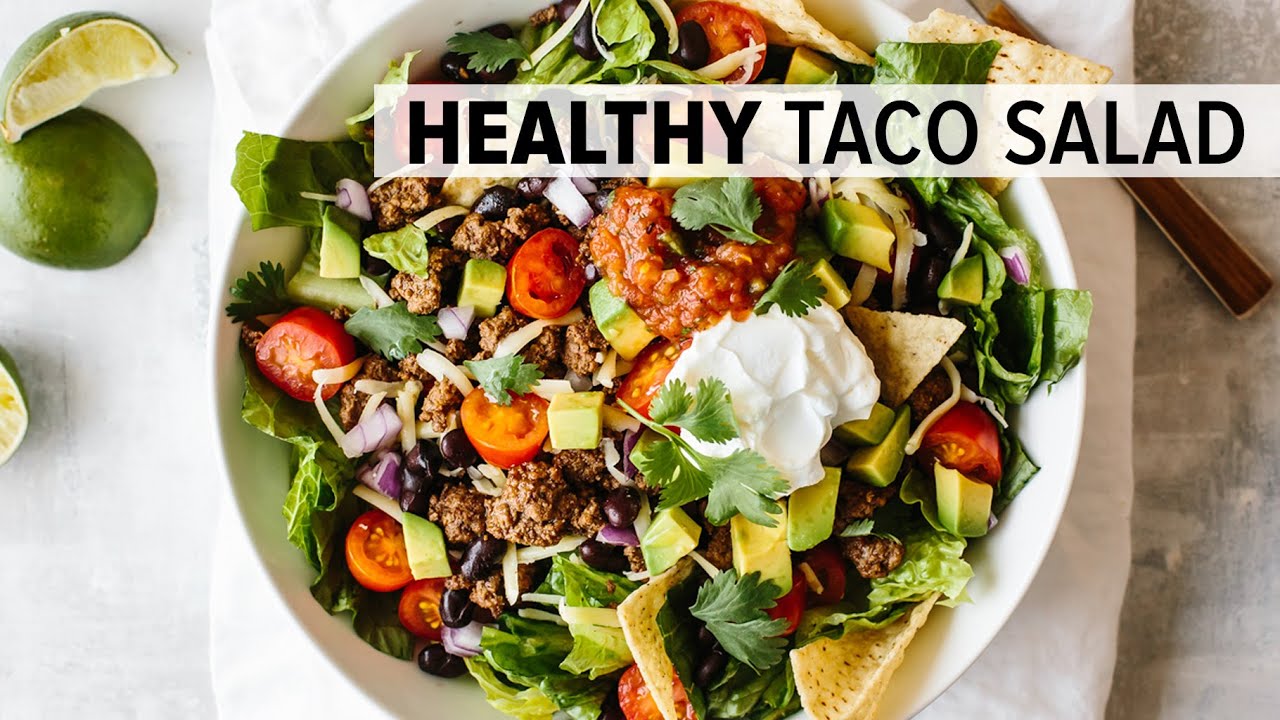
The protein makes or breaks your taco salad. Get this part right and everything else falls into place.
Ground Beef Preparation
85/15 ground beef gives you the perfect fat ratio for flavor without grease. Leaner meat tastes dry, fattier meat makes everything soggy.
Start with a cold pan and cold meat. This prevents the beef from steaming in its own juices.
Break the meat into small, uniform pieces as it cooks. Large chunks look sloppy and don’t distribute seasoning evenly.
Browning techniques matter more than most people think. Let the meat sit undisturbed for 2-3 minutes before stirring to develop proper color.
Don’t overcrowd your pan. Cook in batches if you’re making a large amount – crowded meat steams instead of browning.
Drainage methods keep your salad from getting watery. Pour off excess fat but leave about a tablespoon for flavor.
Taco Seasoning Recipes
Store-bought seasoning packets work fine, but homemade tastes better and costs less. Plus you control the salt content.
Basic Homemade Taco Seasoning
- 1 tablespoon chili powder
- 1 teaspoon ground cumin
- 1 teaspoon paprika
- 1/2 teaspoon oregano
- 1/2 teaspoon garlic powder
- 1/4 teaspoon cayenne pepper
- Salt and black pepper to taste
Cumin provides that earthy, warm flavor that screams “taco.” Don’t skip it or substitute it with anything else.
Paprika adds color and mild sweetness. Smoked paprika works even better if you have it on hand.
Mix your spices with the cooked, drained beef. Add 2-3 tablespoons of water to help distribute the seasonings evenly.
Let the seasoned meat simmer for 5 minutes to blend flavors. This extra step makes a huge difference in taste.
Alternative Protein Cooking
Chicken grilling starts with proper marination. Even 30 minutes in lime juice and spices improves the flavor dramatically.
Pound chicken breasts to even thickness before grilling. This prevents dry edges and raw centers.
Grill over medium-high heat for 6-7 minutes per side. Internal temperature should reach 165°F for food safety.
Turkey preparation requires more seasoning than beef since turkey tastes milder. Double the spice amounts from your beef recipe.
Cook turkey exactly like ground beef but watch it more carefully. Turkey dries out faster than beef.
Fish and seafood options work surprisingly well in taco salads. White fish like mahi-mahi or cod flake perfectly over greens.
Season fish with cumin, chili powder, and lime juice. Pan-sear for 3-4 minutes per side until it flakes easily.
Plant-Based Protein Preparation
Black bean seasoning transforms bland beans into something special. Sauté them with onions, garlic, and the same spices you’d use for meat.
Drain and rinse canned beans before cooking. This removes excess sodium and that weird canned taste.
Heat beans with a splash of vegetable broth to prevent sticking. Mash about 1/4 of them to create a creamier texture.
Lentil cooking techniques require more time but deliver excellent protein content. Red lentils cook fastest at about 15 minutes.
Season lentils while they cook, not after. They absorb flavors better when hot and moist.
Tofu and tempeh methods work best when you press out excess moisture first. Wrap in paper towels and weight down for 30 minutes.
Cube tofu and pan-fry until golden. Crumble tempeh and sauté with taco seasonings until crispy.
Homemade Dressing and Sauce Options
Store-bought dressings work fine, but homemade versions taste fresher and cost less. Making your own takes about 5 minutes.
Classic Taco Salad Dressings

Catalina-style dressing remains the traditional choice for taco salads. Sweet and tangy, it complements spicy proteins perfectly.
Traditional Catalina Dressing
- 1/2 cup ketchup
- 1/4 cup apple cider vinegar
- 1/4 cup vegetable oil
- 2 tablespoons sugar
- 1 teaspoon onion powder
- Salt to taste
Whisk everything together until smooth. This keeps in the refrigerator for up to one week.
Ranch variation techniques create a creamy alternative that kids especially love. Start with buttermilk for authentic tang.
Mix ranch powder with sour cream and milk for thickness. Add a squeeze of lime juice to brighten the flavor.
Cilantro lime dressing brings fresh, bright flavors that cut through rich ingredients beautifully.
Blend fresh cilantro, lime juice, olive oil, and a touch of honey. This works especially well with fish or chicken proteins.
Avocado-Based Dressings
Creamy avocado lime dressing provides healthy fats while keeping things dairy-free. One ripe avocado makes enough for 4-6 servings.
Simple Avocado Dressing
- 1 ripe avocado
- Juice of 2 limes
- 1/4 cup olive oil
- 2 tablespoons water
- 1 clove garlic
- Salt and pepper to taste
Blend until completely smooth. Add water gradually to reach your desired consistency.
Green goddess variation adds herbs like parsley and chives to the avocado base. This tastes amazing with grilled proteins.
Texture adjustment methods help you get the perfect consistency. Too thick? Add more water or lime juice. Too thin? Add more avocado.
Store avocado dressings with plastic wrap pressed directly onto the surface. This prevents browning for up to 24 hours.
Salsa-Based Dressing Alternatives
Thinned salsa techniques create the easiest dressing option. Just mix your favorite salsa with a little olive oil and lime juice.
Use chunky salsa for texture or smooth salsa for easier distribution. Both work equally well.
Chipotle cream sauce combines the smokiness of chipotle peppers with cooling sour cream. Perfect for spicy taco meat.
Blend 1-2 chipotle peppers in adobo sauce with 1/2 cup sour cream. Add lime juice and salt to taste.
Spice level customization lets everyone enjoy the meal. Start mild and offer hot sauce on the side for heat lovers.
For families with mixed preferences, make a mild base dressing and provide jalapeños, hot sauce, and extra spices separately.
Remember that dressings taste stronger after they sit for a while. Start with less seasoning and adjust after 30 minutes of chilling.
Assembly Techniques for Maximum Freshness

Timing makes the difference between crispy perfection and soggy disappointment. Follow these assembly rules and your taco salad stays fresh from first bite to last.
Layer Organization Strategies
Bottom to top arrangement prevents soggy lettuce and keeps flavors distinct. Start with sturdy greens that won’t wilt under pressure.
Place lettuce first, then firmer vegetables like bell peppers and onions. These create a barrier between wet ingredients and delicate greens.
Wet ingredient placement requires careful positioning. Keep tomatoes, salsa, and dressing away from direct lettuce contact until serving time.
Beans and corn go in the middle layer. They add substance without releasing much moisture.
Crispy element timing matters most for texture contrast. Add tortilla chips, nuts, or fried onions just before eating.
Never mix crispy ingredients into wet salads ahead of time. They’ll lose their crunch within minutes.
Individual Serving Assembly
Portion control methods help everyone get balanced bites. Use large shallow bowls rather than deep ones for better ingredient distribution.
Start each serving with 2-3 cups of lettuce. This provides enough base for all the toppings without overwhelming the bowl.
Personal customization setup works great for families with different preferences. Arrange toppings in separate bowls and let people build their own.
Set out small spoons for each topping. This prevents cross-contamination between ingredients.
Family-style presentation looks impressive for dinner parties. Use a large wooden bowl and arrange colorful ingredients in distinct sections.
Keep dressing on the side until ready to serve. One person can toss everything together at the table for fresh results.
Make-Ahead Assembly Tips
Component separation techniques extend freshness by several hours. Store wet and dry ingredients separately until the last moment.
Pack dressing in small containers and add just before eating. This prevents soggy vegetables and wilted greens.
Last-minute addition items include avocado, tortilla chips, and fresh herbs. These ingredients deteriorate quickly once exposed to moisture.
Slice avocado and squeeze lime juice over it to prevent browning. Store covered in the refrigerator for up to 2 hours.
Travel-friendly packing requires mason jars or containers with tight-fitting lids. Layer dressing on bottom, sturdy vegetables next, then greens on top.
Shake everything together when ready to eat. This method keeps salads fresh for up to 24 hours in the refrigerator.
Creative Variations and Flavor Combinations

Basic taco salad tastes great, but these variations add excitement to your weekly rotation. Mix and match elements to create your signature version.
Regional Taco Salad Styles
Southwest variations emphasize bold spices and heat. Add roasted corn, poblano peppers, and chipotle dressing for authentic regional flavor.
Include pinto beans instead of black beans. Southwestern cuisine traditionally uses pintos with their creamy texture and earthy taste.
California-style additions focus on fresh, healthy ingredients. Avocado, sprouts, and grilled vegetables reflect the Golden State’s produce-forward approach.
Use mixed greens instead of iceberg lettuce. Add sunflower seeds and a light vinaigrette for California freshness.
Tex-Mex traditional approach sticks to classic flavors with a few twists. Ground beef, cheddar cheese, and ranch dressing form the foundation.
Add jalapeños, corn chips, and a touch of barbecue sauce. These ingredients reflect Texas’s love for bold, hearty flavors.
International Fusion Ideas
Mediterranean taco salad combines Mexican ingredients with Greek flavors. Replace cheddar with feta cheese and add kalamata olives.
Use olive oil and lemon juice instead of heavy dressing. Include cucumber and red onion for authentic Mediterranean taste.
Asian-inspired combinations work surprisingly well with taco salad basics. Substitute sesame oil, rice vinegar, and soy sauce for traditional seasonings.
Add edamame, carrots, and cabbage for crunch. Top with sesame seeds and a drizzle of sriracha for heat.
Caribbean flavor profiles bring tropical brightness to standard ingredients. Mango, black beans, and jerk-seasoned chicken create island vibes.
Include coconut flakes and lime-cilantro dressing. Add diced pineapple for sweetness that balances spicy proteins.
Seasonal Ingredient Adaptations
Summer fresh additions take advantage of peak produce season. Cherry tomatoes, sweet corn, and fresh herbs taste incredible when properly ripe.
Add peaches or nectarines for unexpected sweetness. Stone fruits pair beautifully with spicy proteins and cooling dressings.
Winter hearty modifications use heartier vegetables that store well. Roasted butternut squash, kale, and pomegranate seeds add substance and nutrition.
Include warming spices like cinnamon and cayenne. These flavors complement cold weather and provide internal heat.
Spring and fall variations showcase transitional produce. Spring peas, asparagus, and radishes bring fresh flavors after winter’s end.
Fall options include roasted sweet potatoes, Brussels sprouts, and apple slices. These ingredients add natural sweetness and satisfying textures.
Protein Alternatives for Variety
Seafood options create lighter, more elegant versions. Grilled shrimp, crab meat, or fish work especially well with citrus dressings.
Shrimp pairs perfectly with avocado and lime. The combination tastes fresh and restaurant-quality.
Vegetarian protein combinations satisfy without meat. Combine two different beans or add nuts and seeds for complete amino acid profiles.
Quinoa makes an excellent protein addition. Cook it with vegetable broth and taco seasonings for extra flavor.
Breakfast taco salad uses scrambled eggs as the main protein. Add breakfast sausage, hash browns, and cheese for morning comfort food.
Include salsa verde and hot sauce on the side. This variation works great for weekend brunch gatherings.
Remember that the best taco salad variations come from using what you already have. Don’t buy special ingredients – work with your pantry and preferences to create something uniquely yours.
Serving and Presentation Tips

Great taco salad deserves great presentation. Simple changes make homemade look restaurant-quality.
Bowl and Platter Selection
Individual serving containers work best for portion control and neat presentation. Wide, shallow bowls show off colorful ingredients better than deep ones.
Glass bowls let diners see all the layers. Clear containers make even simple ingredients look more appealing.
Family-style presentation requires large wooden or ceramic bowls. Avoid metal bowls – they make acidic ingredients taste off.
Choose bowls with at least 12-inch diameter for family servings. Smaller bowls create messy spillovers when tossing ingredients.
Portable serving options need tight-fitting lids and sturdy construction. Mason jars work perfectly for individual portions on the go.
Layer ingredients strategically in portable containers. Dressing goes on bottom, sturdy vegetables next, delicate greens on top.
Garnish and Finishing Touches
Fresh herb applications add color and aroma that dried herbs can’t match. Roughly chop cilantro and sprinkle over finished salads.
Save a few perfect cilantro sprigs for garnish. Fresh herbs signal quality and care to your guests.
Tortilla chip arrangements create height and visual interest. Stand large chips around bowl edges like decorative sails.
Crush some chips directly into the salad for texture. Leave others whole for scooping – this gives people options.
Color balance techniques make ordinary ingredients look gourmet. Arrange colorful vegetables in distinct sections rather than mixing everything together.
Use the rainbow principle: red tomatoes, orange cheese, yellow corn, green lettuce. Natural colors beat artificial food coloring every time.
Temperature Management
Keeping components at optimal temperatures requires advance planning. Serve warm proteins over chilled vegetables for the best contrast.
Let hot proteins cool for 5 minutes before adding to salad. This prevents immediate wilting while maintaining temperature contrast.
Serving timing strategies prevent soggy disasters. Add dressing and toss just before bringing to the table.
Keep assembled salads at room temperature for maximum 30 minutes. Longer than that and food safety becomes a concern.
Buffet-style setup tips work great for parties and large groups. Arrange ingredients in logical order: greens first, proteins last.
Provide separate spoons for each ingredient. This prevents cross-contamination and keeps vegetarian options clearly separated.
Place dressings at the end of the buffet line. People tend to over-dress when they add it first.
Storage and Leftover Management

Smart storage extends your taco salad’s life and prevents food waste. These techniques keep ingredients fresh for days.
Proper Storage Techniques
Component separation methods prevent premature spoilage. Store wet and dry ingredients in different containers with tight-fitting lids.
Keep lettuce wrapped in paper towels inside plastic containers. The towels absorb excess moisture that causes brown spots.
Refrigeration best practices maintain optimal freshness. Store most components at 37-40°F for maximum shelf life.
Never store tomatoes in the refrigerator. They lose flavor and develop mealy texture in cold temperatures.
Shelf life expectations vary by ingredient type. Fresh herbs last 3-5 days, while properly stored lettuce keeps for a week.
Cooked proteins stay fresh for 3-4 days refrigerated. Reheat to 165°F before adding to fresh salads.
Leftover Transformation Ideas
Taco filling repurposing creates entirely new meals from leftover proteins. Use seasoned meat in quesadillas, burritos, or nachos.
Leftover taco meat works perfectly in scrambled eggs. Add cheese and salsa for quick breakfast tacos.
Wrap and burrito conversions use the same ingredients in different formats. Warm tortillas make everything taste fresh again.
Layer ingredients in large tortillas: rice, beans, meat, cheese, lettuce. Roll tightly and slice for pinwheels.
Soup and stew additions transform wilted vegetables into comfort food. Add leftover salad components to vegetable broth for quick soup.
Blend overripe tomatoes into soup base. Their intense flavor actually improves when cooked down.
Meal Prep Strategies
Weekly preparation schedules maximize efficiency and minimize daily cooking time. Wash and chop vegetables on Sunday for the entire week.
Store prepped ingredients in clear containers. Label everything with prep dates to track freshness.
Batch cooking techniques save time and energy costs. Cook large batches of protein and freeze in meal-sized portions.
Season proteins lightly when batch cooking. You can add stronger flavors when reheating for specific dishes.
Portion control methods prevent overeating and food waste. Pre-portion proteins and dressings into individual containers.
Use measuring cups consistently until you develop eye-balling skills. Most people underestimate proper serving sizes.
Weekly Meal Prep Timeline
- Sunday: Wash lettuce, chop vegetables, cook proteins
- Monday: Prepare dressings and sauces
- Tuesday-Friday: Quick assembly from prepped components
- Saturday: Use up remaining ingredients in creative ways
Store dressings separately until serving time. Even the best ingredients turn soggy when dressed too early.
Remember that fresh ingredients taste better than perfectly preserved ones. Plan to use everything within 5 days for optimal flavor and nutrition.
FAQ on How To Make Taco Salad
How long does taco salad last in the fridge?
Assembled taco salad lasts 1-2 days refrigerated, but components stay fresh longer separately. Store lettuce, proteins, and dressings in different containers. Fresh ingredients like tomatoes and avocado should be added just before serving to prevent wilting and maintain optimal texture.
What’s the best lettuce for taco salad?
Iceberg lettuce works best because it stays crisp under warm proteins and heavy toppings. Romaine lettuce offers more nutrition but wilts faster. Both varieties should be thoroughly dried after washing to prevent soggy results when mixed with other ingredients.
Can I make taco salad ahead of time?
Yes, but keep components separate until serving. Prep ground beef, wash lettuce, and chop vegetables up to 2 days ahead. Assemble just before eating to maintain crispy texture. Store dressing separately to prevent wilting and soggy vegetables.
What protein works best besides ground beef?
Grilled chicken, turkey, black beans, and seasoned lentils all work excellently. Fish like mahi-mahi adds freshness, while leftover proteins save time. Season any protein with taco seasoning for authentic flavor that complements traditional taco salad ingredients.
How do I prevent soggy taco salad?
Layer strategically: lettuce first, sturdy vegetables next, then proteins and cheese. Keep wet ingredients like tomatoes, salsa, and dressing separate until serving. Add tortilla chips just before eating to maintain crunch throughout the meal.
What dressing goes with taco salad?
Catalina dressing is traditional, but ranch, cilantro-lime, and avocado-based options work well. Homemade dressing tastes fresher than store-bought. Thin salsa with olive oil and lime juice creates an easy, flavorful alternative that complements Mexican flavors.
Can taco salad be made vegetarian?
Absolutely. Replace meat with black beans, pinto beans, or seasoned lentils for protein. Add quinoa for extra substance. Plant-based proteins absorb taco seasonings well and provide satisfying texture when properly prepared with cumin and chili powder.
What toppings are essential for taco salad?
Core ingredients include lettuce, seasoned protein, cheese, tomatoes, and onions. Sour cream, avocado, corn, and salsa add flavor layers. Tortilla chips provide essential crunch. Customize based on preferences while maintaining the basic Mexican flavor profile.
How much taco meat per person?
Plan 4-6 ounces of cooked protein per serving for main dish portions. For side salads, 2-3 ounces works well. Ground beef shrinks during cooking, so start with 6-8 ounces raw meat per person to account for moisture loss.
Can I freeze leftover taco salad components?
Cooked proteins freeze well for up to 3 months. Freeze in meal-sized portions for easy reheating. Never freeze lettuce, tomatoes, or assembled salads – these vegetables become mushy. Cheese and prepared dressings also don’t freeze successfully.
Conclusion
Mastering how to make taco salad opens up endless possibilities for quick weeknight dinners and satisfying meal prep options.
The techniques covered here transform simple ingredients into restaurant-quality results every time.
Temperature contrast between warm proteins and chilled vegetables creates the signature experience that makes taco salad so appealing.
Proper layering prevents soggy disasters while maintaining vibrant colors and fresh flavors.
Seasonal adaptations keep this dish interesting throughout the year. Summer brings fresh corn and tomatoes, while winter calls for heartier ingredients like roasted vegetables and warming spices.
The beauty of taco salad lies in its flexibility. Swap proteins, experiment with different cheeses, or try international fusion flavors to match your family’s preferences.
Meal prep strategies make healthy eating effortless during busy weeks. Store components separately, batch cook proteins, and you’ll have nutritious dinners ready in minutes.
With these fundamentals mastered, you’ll never run out of ways to create satisfying, protein-packed meals that please everyone at the table.


