
Nothing ruins a perfectly planned dinner like cutting into soggy enchiladas that fall apart on your plate. You’ve spent time rolling each tortilla carefully, only to pull a mushy mess from the oven.
Learning how to keep enchiladas from getting soggy transforms this frustrating kitchen problem into consistent success. Moisture control during preparation makes the difference between restaurant-quality results and disappointing texture.
The secret lies in understanding what causes excess moisture and applying simple techniques during assembly and baking.
This guide covers:
- Proper tortilla preparation and selection
- Strategic sauce application methods
- Filling preparation that prevents steam buildup
- Baking techniques for optimal texture
- Storage and reheating without compromising quality
Master these fundamentals and serve firm, flavorful enchiladas every time.
Choosing the Right Tortillas
Corn vs Flour Tortilla Differences

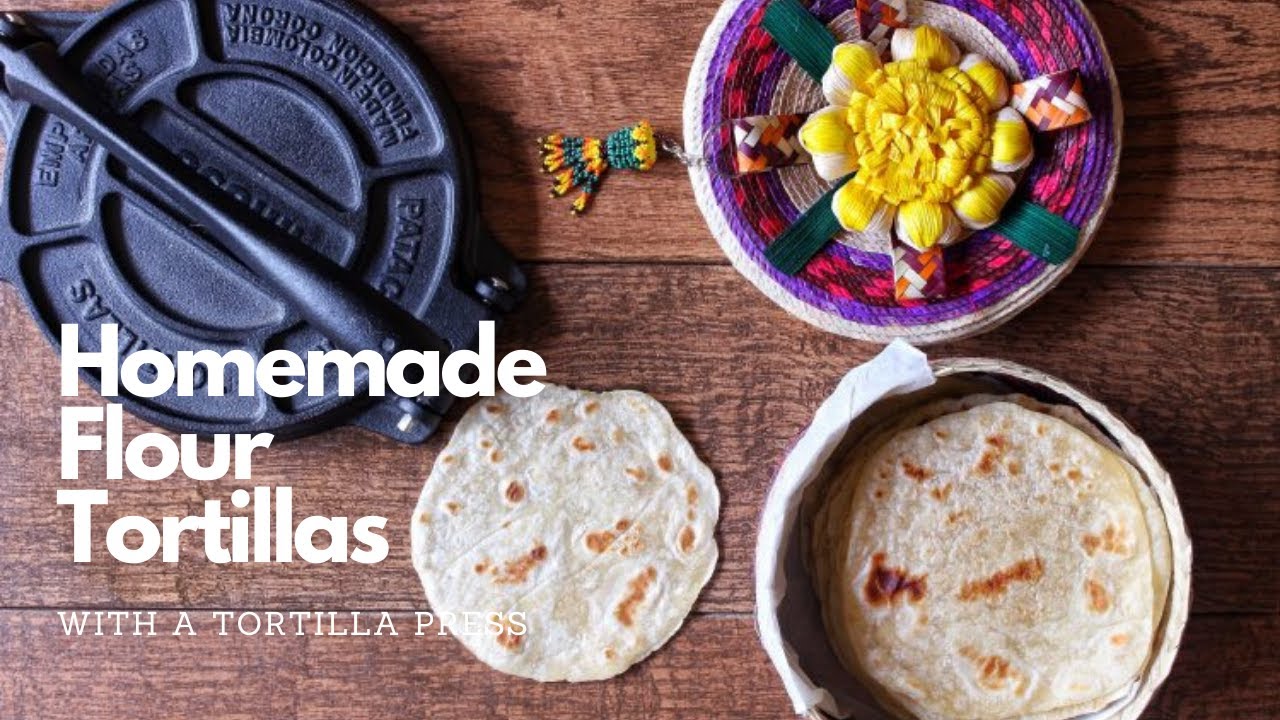
Corn tortillas resist sauce absorption better than flour varieties. Their denser structure maintains firmness during baking.
Flour tortillas get mushy faster when exposed to moisture. They’re also thicker, which means more liquid absorption potential.
Fresh vs Store-Bought Considerations
Day-old tortillas work better than fresh ones. Fresh tortillas contain excess moisture that creates steam during cooking.
Refrigerated tortillas need warming before use. Cold tortillas crack easily during rolling and don’t seal properly.
Pre-Treating Tortillas for Better Results
Light frying in oil creates a protective barrier against sauce penetration. Heat oil to medium temperature and fry each side for 10-15 seconds.
Warming in a dry skillet removes surface moisture effectively. This method works when you want to avoid added oil.
Brief oven heating at 250°F makes tortillas pliable without adding moisture. Wrap in damp paper towels for even heating.
Sauce Preparation and Application

Sauce Consistency Matters
Thick sauce stays where you put it instead of soaking through tortillas. Watery sauce penetrates too quickly and creates soggy results.
Room temperature sauce gives you better control during application. Hot sauce runs and pools in unwanted areas.
Strategic Sauce Placement

Apply a thin coating on the tortilla before adding filling. This creates a moisture barrier between the tortilla and wet ingredients.
Reserve most sauce for the top layer after assembly. Avoid pooling sauce in the baking dish bottom.
Light sauce application during rolling prevents immediate absorption. You can always add more on top before baking.
Homemade vs Store-Bought Sauce Tips
Reduce store-bought sauce by simmering to improve thickness. This concentrates flavors while removing excess liquid.
Adding tomato paste creates body and prevents separation during cooking. Start with one tablespoon per cup of sauce.
Cornstarch slurry works as an emergency thickener. Mix one teaspoon cornstarch with cold water before stirring into warm sauce.
Smart Filling Strategies
Moisture Control in Proteins

Cool cooked meats completely before shredding. Hot meat creates steam that softens tortillas during assembly.
Drain excess liquid from all proteins thoroughly. Pat chicken and beef dry with paper towels after cooking.
Season fillings after draining to avoid washing away flavors. Salt draws out additional moisture if added too early.
Vegetable Preparation Techniques

Salt watery vegetables like tomatoes and onions, then let them drain for 15 minutes. This removes excess moisture before assembly.
Roasting vegetables concentrates flavors while eliminating water content. Spread on baking sheets and roast until edges brown.
Use frozen vegetables sparingly since they release more water when thawed. Fresh vegetables give you better moisture control.
Cheese Selection and Placement
Aged cheeses like cheddar melt with less moisture than fresh varieties. They hold their shape better during baking.
Shred cheese yourself instead of using pre-shredded. Pre-shredded cheese contains anti-caking agents that affect melting.
Layer cheese strategically to create barriers between wet ingredients. Place cheese directly against tortillas when possible.
Assembly Techniques That Work
Proper Rolling and Sealing Methods
Don’t overfill tortillas with filling. Excess filling creates pressure that breaks tortillas and allows sauce to penetrate.
Roll tightly but not so tight that tortillas crack. Leave small gaps at the ends to prevent filling from squeezing out.
Place seam-side down immediately after rolling. This prevents unrolling and keeps moisture from entering through the seam.
Layering Order for Best Results

Spread a thin sauce layer on the baking dish bottom. This prevents sticking without creating moisture pools underneath.
Arrange enchiladas snugly but not cramped in the dish. Overcrowding traps steam between enchiladas.
Apply top sauce using a spoon rather than pouring. This gives you control over sauce distribution and prevents oversaucing.
Pre-Baking Preparation Steps
Cover with foil to prevent surface drying during baking. Remove foil for the last 10 minutes to allow browning.
Let assembled enchiladas rest at room temperature for 5 minutes before baking. This prevents thermal shock that can crack tortillas.
Score tops lightly if using thick sauce. This helps sauce penetrate evenly without pooling.
Baking Methods and Temperature Control
Oven Temperature and Timing
Medium heat at 350°F prevents sauce from breaking down. High temperatures cause rapid moisture loss and uneven heating.
Shorter baking time preserves texture better than extended cooking. Most enchiladas need only 20-25 minutes.
Preheat the oven completely before baking. Cold ovens create uneven heating that affects texture.
Dish Selection Impacts Results

Glass baking dishes heat more evenly than metal pans. They also let you monitor browning through the sides.
Proper dish size matters for heat distribution. Enchiladas should fit snugly without overlapping.
Shallow dishes work better than deep ones. Deep dishes trap more steam around the enchiladas.
Monitoring Doneness Without Overbaking
Look for bubbling sauce and lightly browned cheese as doneness indicators. Internal temperature should reach 165°F.
Check edges first since they cook fastest. If edges look done, the center is usually ready.
Avoid opening the oven door frequently. This releases heat and extends cooking time.
Storage and Reheating Without Sogginess
Proper Cooling and Storage
Cool completely before refrigerating to prevent condensation buildup inside containers. This takes about 30 minutes at room temperature.
Cover properly with plastic wrap or airtight containers. Exposed enchiladas dry out and absorb refrigerator odors.
Separate leftover sauce when possible. Add fresh sauce during reheating for better texture control.
Reheating Techniques That Preserve Texture
Oven reheating beats microwave every time for texture preservation. Preheat to 350°F and cover with foil.
Add small amounts of fresh sauce sparingly during reheating. Too much sauce creates the same sogginess problems.
Uncover for the final 5 minutes to prevent steam buildup. This restores some surface firmness.
Make-Ahead Strategies
Assemble without sauce for freezing. Freeze enchiladas individually wrapped for best results.
Par-baking method works well for meal prep. Bake for 15 minutes, cool, then refrigerate or freeze.
Individual portion wrapping prevents freezer burn and makes reheating easier. Use freezer-safe containers or wrap tightly in foil.
Troubleshooting Common Soggy Enchilada Problems

Fixing Overly Wet Fillings
Emergency Drainage Mid-Preparation
Drain wet fillings through a fine mesh strainer. Press gently with paper towels to remove excess liquid without mashing ingredients.
Cold fillings release less moisture than warm ones. Refrigerate cooked ingredients for 30 minutes before assembly.
Adding Absorbing Ingredients
Mix breadcrumbs into wet fillings to absorb excess moisture. Use panko for better texture and absorption capacity.
Instant rice works as another moisture absorber. Add small amounts until filling reaches proper consistency.
Cornstarch powder helps bind wet ingredients together. Dust lightly over drained fillings before mixing.
Adjusting Liquid Ratios in Recipes
Reduce liquid ingredients by 25% in sauce recipes. This accounts for moisture released during cooking.
Cut back on wet vegetables like tomatoes and onions. Replace some with roasted versions for concentrated flavor.
Add extra thickening agents to compensate for ingredient moisture. Tomato paste and flour work well.
Dealing with Thin or Watery Sauce
Quick Thickening Methods

Simmer uncovered to reduce sauce volume and concentrate flavors. This takes 10-15 minutes depending on quantity.
Mix cornstarch with cold water before adding to hot sauce. Use one tablespoon cornstarch per cup of thin sauce.
Reduction Techniques
Spread sauce in a wide pan for faster evaporation. Shallow pans expose more surface area to heat.
Medium-low heat prevents scorching while allowing steady reduction. Stir frequently to prevent sticking.
Cook until sauce coats the back of a spoon. This indicates proper thickness for enchilada use.
Emergency Fixes During Cooking

Add tomato paste directly to thin sauce while cooking. Start with one tablespoon and adjust as needed.
Instant mashed potato flakes thicken sauce quickly without affecting flavor significantly. Use sparingly.
Flour mixed with butter creates a quick roux for thickening. Cook for 2 minutes before adding to sauce.
Salvaging Soggy Enchiladas After Baking
Uncovered Baking to Evaporate Moisture
Remove foil and bake 10-15 minutes longer at 375°F. Higher heat helps evaporate surface moisture.
Position racks in upper third of oven for better browning. This helps create a firmer top layer.
Watch carefully to prevent burning while moisture evaporates. Check every 5 minutes for progress.
Serving Techniques That Mask Texture Issues
Use a large spatula to transfer intact portions. Support from underneath to prevent breaking apart.
Serve immediately while hot for best texture. Cool enchiladas lose what firmness they have.
Garnish with crispy elements like toasted seeds or fresh vegetables. This adds textural contrast.
Repurposing Into Casserole-Style Dishes

Break apart soggy enchiladas and layer in a clean baking dish. Add fresh cheese and best cheese for enchiladas on top.
Transform into enchilada dip by mixing with cream cheese and additional seasonings. Serve with sturdy tortilla chips.
Create enchilada soup by adding broth and vegetables. Simmer until flavors blend and serve hot.
FAQ on How To Keep Enchiladas From Getting Soggy
Why do my enchiladas always turn out soggy?
Excess moisture from wet fillings and over-saucing causes soggy enchiladas. Corn tortillas absorb liquid faster than expected.
Watery vegetables like fresh tomatoes release steam during baking. Pre-cooking and draining ingredients prevents moisture buildup that creates mushy texture.
Should I use corn or flour tortillas to prevent sogginess?
Corn tortillas hold up better against sauce absorption than flour varieties. They maintain firmer texture during baking.
Day-old tortillas work best since fresh ones contain more moisture. Light frying creates a protective barrier that reduces liquid penetration.
How much sauce should I use on enchiladas?
Use sauce sparingly during assembly. Apply thin coating on tortilla before filling, then reserve most sauce for the top layer.
Thick sauce stays put better than watery consistency. Avoid pooling sauce in the baking dish bottom to prevent steam buildup.
What’s the best way to prepare vegetables for enchiladas?
Salt and drain watery vegetables like onions and tomatoes before using. Roasting removes excess moisture effectively.
Pre-cooking vegetables completely prevents them from releasing liquid during baking. Pat all ingredients dry with paper towels before assembly.
How can I thicken my enchilada sauce?
Reduce store-bought sauce by simmering to concentrate flavors and remove excess liquid. Add tomato paste for body.
Cornstarch slurry prevents sauce separation during baking. Room temperature sauce works better than hot sauce for controlled application.
Should I cover enchiladas while baking?
Cover with foil initially to prevent drying, then uncover for final browning. This prevents steam buildup underneath.
Monitor doneness without overbaking. Shorter cooking time at medium heat preserves texture better than high heat.
How do I properly drain cooked meat for enchiladas?
Cool cooked meats completely before shredding. Drain excess liquid and pat dry with paper towels.
Season fillings after draining to avoid washing away flavors. Cold meat holds together better during rolling and creates less steam.
What type of cheese prevents soggy enchiladas?
Aged cheeses melt with less moisture than fresh varieties. Shred cheese yourself instead of using pre-shredded.
Layer cheese strategically to create moisture barriers between wet ingredients. Avoid overfilling with cheese that releases water when melted.
How long should I let enchiladas rest before serving?
Let enchiladas rest 5-10 minutes after baking. This allows excess steam to escape and sauce to set.
Proper cooling prevents sauce from running when cut. Serve immediately after resting to maintain optimal texture and temperature.
Can I make enchiladas ahead without them getting soggy?
Assemble without sauce for freezing. Add sauce just before baking to prevent tortilla absorption during storage.
Par-bake method works for meal prep. Wrap individual portions properly and reheat in oven rather than microwave to preserve texture.
Conclusion
Mastering how to keep enchiladas from getting soggy comes down to controlling liquid absorption throughout the cooking process. Simple adjustments in ingredient preparation and assembly timing make all the difference.
Proper draining of fillings prevents steam buildup that destroys texture. Pre-treating tortillas creates barriers against sauce penetration.
Strategic sauce consistency and application keeps flavors intact without creating watery results. Temperature control during baking preserves the firm texture you want.
These techniques work whether you’re making traditional red sauce versions or experimenting with different cheese combinations. The fundamentals remain the same across all types of enchiladas.
Your next batch will have the perfect balance of sauce absorption and structural integrity. No more disappointing dinners or wasted ingredients.
Apply these moisture control methods consistently and enjoy restaurant-quality results at home every time.


