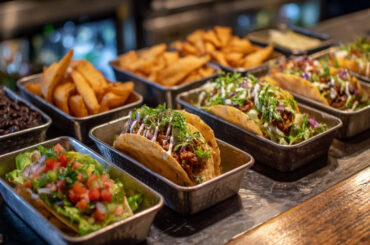
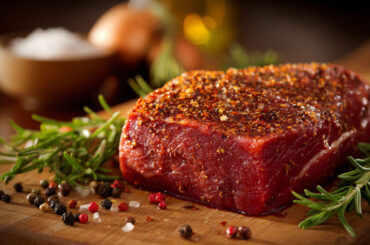
Nothing ruins a taco night faster than running out of meat halfway through dinner. After hosting countless taco parties and watching guests eye empty serving bowls, I’ve learned that calculating how much taco meat per person saves both money and embarrassment.
Portion planning isn’t guesswork when you understand the variables. Guest ages, protein types, and side dishes all affect consumption patterns dramatically.
This guide covers everything from basic serving sizes to guest appetite estimates across different scenarios.
You’ll learn ground beef portions, cooking yield ratios, and cost per serving calculations that prevent both waste and shortages.
Whether you’re planning family dinners or large events, these proven formulas take the anxiety out of meal planning math and party food amounts.
Party Size and Guest Type Considerations

Planning protein portions gets tricky when you’re dealing with different crowd sizes. I’ve learned this the hard way after running out of meat at a family gathering.
Small Gatherings (2-8 people)
Family dinner portions work differently than party calculations. Kids eat about half what adults consume, but teenagers? They’ll surprise you.
For intimate dinners, stick to the quarter-pound rule per adult. Raw ground beef shrinks to roughly three ounces cooked.
Date night requires less. Two people sharing tacos need about half a pound of raw meat total.
Medium Parties (10-20 guests)
This size hits the sweet spot for taco planning. Guest appetite estimates become more predictable with larger groups.
Potluck contributions should follow the one-third rule. If you’re bringing meat for twenty people, plan for six to seven servings.
Birthday parties with mixed ages need flexibility. Calculate based on 75% adult portions since kids balance out the heavy eaters.
Large Events (25+ people)
Crowd feeding calculations shift dramatically at this scale. Bulk cooking quantities actually reduce per-person needs slightly.
Office parties average three ounces of cooked meat per person. People eat less when there’s variety and other food options.
Wedding reception tacos require professional-level planning. Factor in alcohol consumption, which typically increases appetite by 20%.
Community event planning means preparing for unknowns. Always add 10% buffer to your calculations.
Different Protein Types and Their Portions

Not all taco proteins behave the same way. Meat shrinkage calculations vary wildly between protein types.
Ground Meat Calculations
Ground beef portions are the gold standard for taco planning. Standard 80/20 ground beef loses about 25% weight during cooking.
One pound raw equals roughly 12 ounces cooked. That feeds four adults generously or five with lighter appetites.
Ground turkey calculations work similarly but shrink less. Turkey loses only 20% during cooking, making it slightly more economical.
Ground chicken portions shrink the least at 15-18%. Leaner proteins hold their weight better than fatty alternatives.
Shredded and Pulled Meats
Carnitas portion planning requires different math entirely. Pork shoulder loses significant weight but gains incredible flavor concentration.
Start with six pounds raw pork shoulder for twenty people. The long cooking process reduces volume by nearly half.
Barbacoa serving amounts follow similar rules. Beef chuck roast transforms into rich, pull-apart perfection but shrinks considerably.
Pulled chicken calculations are more forgiving. Chicken thighs maintain moisture better than breast meat during long cooking.
Grilled and Sliced Proteins
Carne asada portions need precise timing and measurement. Flank steak cooks quickly and slices thin, stretching further than expected.
One and a half pounds feeds six adults when sliced properly. Cut against the grain for maximum tenderness.
Grilled chicken breast amounts vary by preparation method. Pounded thin, one breast serves two people easily.
Fish and seafood tacos require the least protein per serving. Four ounces of fish per person creates satisfying fish tacos.
Protein weight calculations become second nature after a few taco nights. Keep notes on what works for your specific crowd.
Seasoning packet ratios matter too. Most packets season one pound of meat, regardless of protein type.
Raw versus cooked weight conversions save money and prevent waste. Always calculate based on raw weight when shopping.
Appetite Variables That Change Everything

Guest appetite estimates aren’t one-size-fits-all. I’ve watched a twelve-year-old demolish four tacos while adults barely finished two.
Age Group Differences
Kids eat less is a dangerous assumption. Some children surprise you with bottomless stomachs.
Plan two ounces of cooked protein per kid under ten. But watch out for growth spurts.
Teenager appetite surges defy all logic. A fifteen-year-old can easily match two adults in consumption.
Double your calculations for teens attending taco night. They’re basically human garbage disposals.
Adult portion expectations vary wildly based on activity level and eating habits. Office workers need less than construction crews.
Time of Day Impact
Lunch versus dinner portions require different math entirely. People eat lighter midday meals naturally.
Lunch tacos need about 20% less protein than dinner servings. Stomachs aren’t primed for heavy eating yet.
Late-night taco runs follow different rules. Smaller portions satisfy when it’s past normal dinner hours.
Brunch taco considerations get complicated. People expect heartier portions after sleeping in.
Other Food Availability
Taco bars with sides dramatically reduce meat consumption per person. Rice and beans fill stomachs quickly.
When you’re serving side dishes with tacos, cut protein portions by one-third. People load up on everything else first.
Apps and desserts effect can’t be ignored. Pre-meal snacking kills taco appetites.
Alcohol influence on appetite works both ways. Beer makes people hungrier initially but fills them up faster.
Shopping and Preparation Math

Grocery store purchasing requires backward planning from your final headcount. Work from cooked portions to raw weight needs.
Grocery Store Purchasing
Package sizes and portion math rarely align perfectly. Ground meat comes in one-pound packages but you need 1.3 pounds.
Buy extra rather than running short. Leftover taco meat transforms into countless other meals.
Bulk buying calculations make sense for large gatherings. Wholesale clubs offer better per-pound pricing on protein.
Sale price per serving costs help stretch your budget. Stock up when ground beef hits rock-bottom prices.
Prep Timeline Considerations
Same-day cooking amounts stress most home kitchens. Large batches need proper equipment and time management.
Make-ahead portion planning saves sanity during party day. Brown meat the day before and reheat gently.
Freezer storage calculations extend your taco planning window. Cooked seasoned meat freezes beautifully for three months.
Label containers with cooking date and serving count. Future you will appreciate the organization.
Seasoning and Ingredient Ratios
Spice packet portions follow standard formulas. One packet seasons exactly one pound of raw meat.
Onion and garlic amounts depend on personal preference. Start with half a diced onion per pound of meat.
Oil and cooking liquid needs vary by protein type. Ground turkey needs more fat than ground beef.
Seasoning packet ratios can be stretched slightly with extra cumin and chili powder. Don’t tell the packet manufacturers.
Cooking yield ratios become muscle memory after practice. Raw to cooked conversions save money and prevent waste.
Food cost budgeting gets easier when you track per-serving expenses. Ground beef typically costs $1.50-2.00 per serving.
Kitchen prep time scales non-linearly. Doubling your batch doesn’t double cooking time.
Common Mistakes People Make
Overbuying problems plague first-time taco party hosts. I’ve seen people buy enough meat to feed an army for eight guests.
Overbuying Problems
Too much meat syndrome hits when anxiety overrides math. Fear of running short leads to massive waste.
Calculate conservatively first. You can always send someone for emergency reinforcements.
Leftover storage issues multiply when you’ve bought triple what you need. Refrigerator space becomes premium real estate.
Food waste concerns should drive your purchasing decisions. Throwing away expensive protein hurts both wallet and conscience.
Underestimating Hunger
Running out mid-party creates awkward moments. Guests start eyeing each other’s plates when supply dwindles.
Hungry guest disappointment lingers long after the party ends. People remember leaving unsatisfied.
Emergency backup plans save face when calculations fall short. Keep frozen ground meat for crisis situations.
Canned beans stretch existing meat quickly. Nobody complains about extra protein sources.
Wrong Protein Choices
Lean versus fatty meat differences affect both taste and yield. 93/7 ground beef costs more and satisfies less.
Cooking method impacts change everything. Slow-cooked pulled pork feeds more people than grilled chicken breast.
Guest dietary preferences derail plans when ignored. One vegetarian in the group changes your entire strategy.
Survey guests beforehand. Simple question prevents major headaches later.
Money-Saving Portion Strategies
Stretching meat with fillers cuts costs without sacrificing satisfaction. Smart additions make expensive protein go further.
Stretching Meat with Fillers
Bean addition ratios work magic on tight budgets. Half beans, half meat creates hearty filling.
Black beans complement beef perfectly. Kidney beans pair well with turkey.
Vegetable bulk-up methods add nutrition and volume. Diced bell peppers and onions extend meat naturally.
Rice mixing techniques turn small amounts of protein into substantial meals. Pre-cooked rice absorbs flavors beautifully.
Buying Cheaper Cuts
Tough meat slow-cooking transforms budget cuts into tender perfection. Chuck roast becomes barbacoa with patience.
Ground meat alternatives offer significant savings. Ground turkey costs 30% less than ground beef typically.
Sales and clearance timing reward flexible meal planners. Stock up when prices drop below $3 per pound.
Freeze meat immediately after purchase. Properly wrapped protein lasts six months frozen.
Batch Cooking Economics
Large batch benefits reduce per-serving costs through economies of scale. Cooking five pounds costs barely more than two.
Freezer portion prep creates instant future meals. Divide large batches into family-sized containers.
Cost per serving breakdowns reveal true savings:
- Ground beef: $1.75 per serving
- Ground turkey: $1.25 per serving
- Pulled pork: $1.50 per serving
- Bean-meat mix: $0.90 per serving
Bulk buying calculations work best for frequently used proteins. Don’t bulk buy specialty items you’ll use once.
Meal planning math extends beyond single taco nights. Leftover meat becomes pasta and red sauce dinners.
Food cost budgeting becomes easier when you track actual consumption patterns. Keep notes on what works.
Special Diet Considerations
Dietary restrictions complicate taco planning but don’t make it impossible. Smart hosts prepare options that satisfy everyone without breaking the bank.
Vegetarian and Vegan Options
Plant-based protein portions follow different math than traditional meat calculations. Beans and lentils weigh more but cost significantly less.
Bean and lentil calculations work on volume rather than weight. One cup of cooked beans equals roughly four ounces of ground meat nutritionally.
Black beans, pinto beans, and refried beans create satisfying taco fillings. Seasoned properly, they fool meat-eaters regularly.
Tofu and tempeh amounts require advance preparation. Crumbled firm tofu absorbs taco seasoning beautifully when pressed and drained first.
Plan six ounces of raw tofu per person. It doesn’t shrink like meat during cooking.
Low-Carb and Keto Adjustments
Higher protein portions become necessary when carbs disappear from the equation. Lettuce wraps demand more filling per serving.
Fat content considerations matter more than usual. Add avocado, cheese, and sour cream generously to maintain satisfaction.
Lettuce wrap calculations require extra protein since there’s no tortilla bulk. Increase meat portions by 25% for low-carb guests.
Butter lettuce works better than iceberg for wrapping. The leaves hold together without tearing.
Gluten-Free Planning
Safe protein choices eliminate most processing concerns. Plain ground meat poses no gluten risks when properly seasoned.
Cross-contamination portions require separate cooking surfaces and utensils. Dedicated gluten-free stations prevent accidental exposure.
Alternative shell amounts vary wildly in size and appetite satisfaction:
- Corn tortillas: 2-3 per person
- Lettuce cups: 4-5 per person
- Cauliflower shells: 3-4 per person
- Jicama rounds: 5-6 per person
Portion control strategies help accommodate multiple dietary needs without cooking separate meals entirely.
Food safety guidelines become critical when managing allergens and restrictions simultaneously.
Meal prep containers work well for pre-portioning different protein options. Label everything clearly to prevent mix-ups.
Nutritional considerations shouldn’t compromise flavor. Well-seasoned alternative proteins satisfy traditional taco cravings.
Cost per serving often increases with specialty diet accommodations. Budget accordingly when planning diverse menus.
FAQ on How Much Taco Meat Per Person
How much ground beef per person for tacos?
Plan quarter-pound raw ground beef per adult. This yields roughly three ounces cooked after shrinkage. Kids need half portions. Ground beef portions work for most standard taco gatherings with mixed ages.
What’s the difference between raw and cooked meat portions?
Raw versus cooked weight changes significantly during cooking. Ground beef loses 25% weight, turkey 20%, chicken 15-18%. Always calculate grocery shopping needs based on raw weight for accurate purchasing.
How much taco meat for 20 people?
Twenty adults need five pounds raw ground meat. Factor in guest appetite estimates and other food availability. Large events often require less per person due to variety and side dishes.
Does protein type affect portion sizes?
Yes. Shredded meats like carnitas stretch further than ground options. Fish and seafood tacos need only four ounces per person. Protein calculations vary based on cooking method and meat density.
How much for kids versus adults?
Kids eat less but not always predictably. Plan two ounces cooked meat per child under ten. Teenager appetite surges require adult portions or more. Age group differences significantly impact portion planning.
Should I account for other foods?
Taco bars with sides reduce meat consumption by one-third. Rice, beans, and appetizers fill stomachs quickly. Food quantity planning must consider all menu items, not just protein.
What about leftover prevention?
Overbuying problems create waste and storage issues. Calculate conservatively first. Leftover storage becomes difficult with excess amounts. Emergency backup plans work better than massive overestimation.
How do I stretch meat on a budget?
Bean addition ratios of half beans, half meat reduce costs significantly. Vegetable bulk-up methods add volume. Rice mixing techniques create hearty fillings from smaller protein amounts.
What about dietary restrictions?
Plant-based protein portions follow different math. One cup cooked beans equals four ounces ground meat nutritionally. Gluten-free planning and alternative shells may require adjusted serving calculations.
How much seasoning per pound?
Seasoning packet ratios are one packet per pound raw meat. Spice packet portions can stretch with extra cumin and chili powder. Cooking liquid needs vary by protein type and desired consistency.
Conclusion
Mastering how much taco meat per person transforms chaotic taco nights into smooth celebrations. These calculations prevent both wasteful overbuying and embarrassing shortages that leave guests hungry.
Batch cooking economics and freezer portion prep extend your planning power beyond single events. Smart hosts use leftover taco meat for quick weeknight dinners and meal prep containers.
Protein alternatives and dietary restriction planning ensure everyone enjoys your gatherings. Whether serving carnitas, ground turkey, or plant-based options, proper portions satisfy diverse appetites.
Track your results. Food cost budgeting becomes easier when you know actual consumption patterns for your specific crowd.
Party planning portions get simpler with practice, but these formulas provide reliable starting points for any gathering size.