

Picture biting into a thick, warm corn tortilla that bursts with melted cheese, savory pork, or perfectly seasoned beans.
What kind of pupusas are there depends on regional traditions, seasonal ingredients, and creative innovation across Central American cuisine.
These stuffed masa creations from El Salvador offer endless variety beyond the basic cheese pupusa.
Traditional recipes feature time-tested combinations like revueltas (mixed fillings) and chicharrón varieties.
Modern pupuserías now serve everything from breakfast pupusas with scrambled eggs to dessert versions filled with chocolate.
Coastal regions specialize in seafood pupusas, while fusion restaurants experiment with international flavors.
This guide explores traditional pupusa varieties, regional specialties, and creative modern adaptations.
You’ll discover classic fillings like loroco and beans, learn about gluten-free rice flour options, and understand how different preparation methods create unique textures and flavors in authentic Salvadoran food.
Meat-Based Pupusa Varieties
Chicharrón Pupusas
Pork Rind Preparation Process
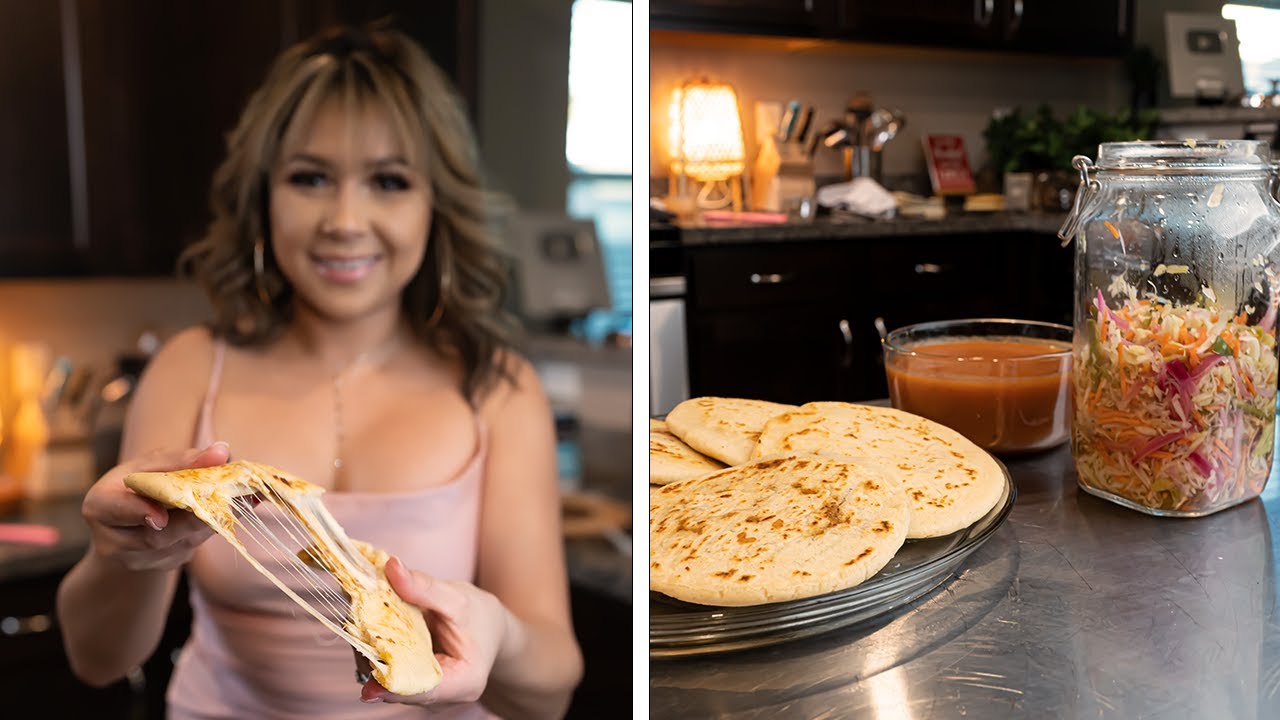
Chicharrón pupusas represent one of El Salvador’s most beloved traditional recipes. The pork rinds get cooked slowly until they reach the perfect crispy texture.
Most pupusería restaurants prepare their chicharrón by first boiling pork shoulder with bay leaves and garlic. The meat gets shredded while still warm, then seasoned with cumin and black pepper.
Grinding and Seasoning Methods
The key to authentic chicharrón lies in the grinding technique. Traditional cooks use a molcajete to break down the pork into small, irregular pieces rather than a uniform mince.
Essential seasonings include:
- Salt and black pepper
- Ground cumin
- Garlic powder
- Sometimes a touch of oregano
Texture Balance with Masa
Getting the right texture balance takes practice. Too much chicharrón makes the pupusa fall apart. Too little leaves you with bland masa harina.
The ideal ratio is about 2 tablespoons of chicharrón per pupusa. This gives you that satisfying meaty bite without overwhelming the corn masa dough.
Carnitas Pupusas
Slow-Cooked Pork Filling Process
Carnitas pupusas showcase another traditional cooking method from Central American cuisine. The pork gets braised for hours until it shreds easily with a fork.
Smart cooks start with pork shoulder or butt. These cuts have enough fat to stay moist during the long cooking process.
Spice Blends and Marinades
The marinade makes all the difference. Orange juice and lime juice tenderize the meat while adding bright flavors.
Popular spice combinations:
- Oregano and thyme
- Bay leaves and garlic
- Onion powder and paprika
- Sometimes achiote for color
Fat Content Considerations
Managing fat content prevents greasy pupusas. After cooking, drain the carnitas and let excess fat drip away.
Save some of the cooking liquid though. A spoonful mixed back in keeps the filling moist without making it oily.
Chicken Pupusas
Shredded Chicken Preparation
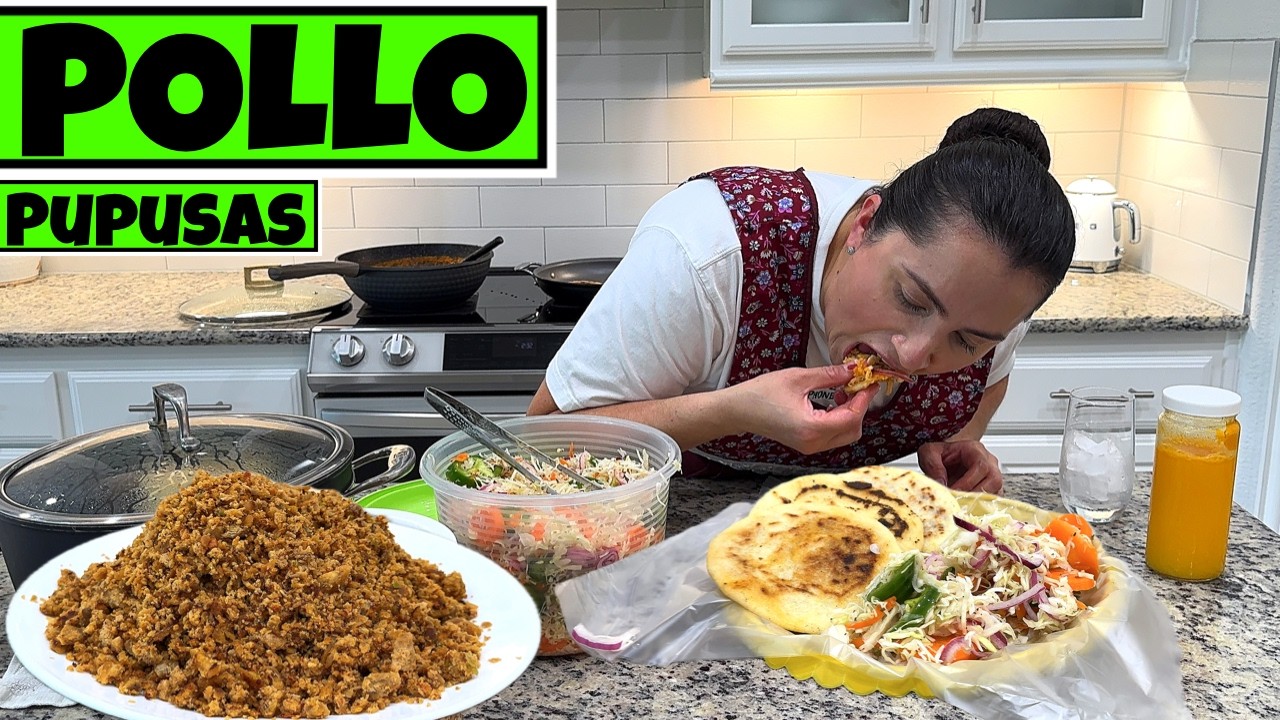
Chicken pupusas offer a lighter alternative to pork varieties. Poach chicken breasts in seasoned broth for the most tender results.
Dark meat works too. Thighs have more flavor and stay moister than breast meat.
Seasoning Profiles and Herbs
Chicken takes on flavors beautifully. Start with a base of onion, garlic, and bell pepper sautéed until soft.
Fresh herbs that work well:
- Cilantro for brightness
- Oregano for earthiness
- Parsley for color
Moisture Control Techniques
Dry chicken ruins pupusas. Mix the shredded chicken with a little cooking liquid or chicken stock.
Add vegetables like diced tomatoes or peppers. They release moisture as they cook, keeping everything tender.
Bean and Vegetable Pupusas

Frijoles Refritos Pupusas
Bean Variety Selection and Cooking
Refried bean pupusas bring serious protein to this Salvadoran food. Red kidney beans work best, but black beans add interesting color.
Cook dried beans from scratch when possible. They taste better and you control the salt content.
Consistency and Seasoning Balance
The beans need to be thick enough to stay inside the masa. Too watery and they’ll leak out during cooking on the comal.
Mash them while warm with a potato masher. Leave some texture – completely smooth beans get gummy.
Key seasonings for depth:
- Cumin and garlic
- Onion powder
- A pinch of smoked paprika
- Salt to taste
Protein Content Benefits
Bean pupusas pack serious nutritional value. One serving provides about 15 grams of plant-based protein.
They’re also high in fiber and iron. Perfect for vegetarian diets or anyone looking for healthier pupusa options.
Ayote Pupusas
Squash Preparation and Cooking Methods
Ayote (squash) pupusas celebrate seasonal vegetables in Central American cuisine. Butternut squash works perfectly for this regional specialty.
Roast the squash until tender, then mash with a fork. The natural sweetness balances beautifully with salty cheese.
Seasonal Variations and Availability
Different squash varieties change the flavor profile throughout the year. Summer squash gives lighter, more delicate pupusas.
Winter varieties like acorn or delicata offer deeper, nuttier flavors. Each brings its own character to the masa preparation.
Nutritional Profile Advantages
Squash pupusas deliver vitamin A and potassium. They’re naturally lower in calories than meat varieties.
The orange color comes from beta-carotene. This antioxidant supports eye health and immune function.
Espinaca Pupusas

Spinach Preparation Techniques
Fresh spinach needs proper prep for pupusas. Wash it thoroughly, then sauté until wilted.
Baby spinach works better than mature leaves. It’s more tender and has less bitter flavor.
Moisture Removal Methods
Wet spinach makes soggy pupusas. After cooking, squeeze the spinach in a clean kitchen towel.
Press out as much liquid as possible. You want the spinach almost dry before mixing with other ingredients.
Nutritional Density Benefits
Spinach pupusas pack nutrients into every bite. Iron, folate, and vitamins K and C make them especially good for growing kids.
Nutritional highlights per serving:
- High in iron for healthy blood
- Folate for cell growth
- Vitamin K for strong bones
- Very low in calories
The dark leafy greens also provide lutein and zeaxanthin. These compounds protect your eyes from damage.
Combination Pupusas

Revueltas
Traditional Three-Ingredient Blend
Revueltas represent the classic combination in Salvadoran food culture. This traditional recipe mixes cheese, chicharrón, and refried beans in perfect harmony.
The name literally means “scrambled” or “mixed up.” Each bite delivers multiple flavors and textures that complement each other beautifully.
Proportion Ratios for Optimal Taste
Getting the ratios right takes practice with masa preparation. Too much cheese overpowers the other flavors. Too much chicharrón makes everything greasy.
Ideal proportions per pupusa:
- 1 tablespoon queso fresco
- 1 tablespoon chicharrón
- 1 tablespoon refried beans
Regional Preparation Differences
Different areas of El Salvador have their own revuelta styles. Some regions add loroco flowers for extra flavor complexity.
Coastal pupuserías sometimes include small amounts of seafood. Mountain regions might add local herbs or vegetables to their traditional cooking methods.
Queso con Chicharrón
Cheese and Pork Combination Techniques
This popular combination balances creamy melted cheese with savory pork. The fat from chicharrón helps the cheese melt evenly across the masa harina.
Mix the ingredients lightly before stuffing. Overmixing creates a paste instead of distinct flavors.
Texture Contrast Optimization
The key is preserving different textures in each bite. Chunky chicharrón pieces should stay recognizable alongside smooth, melting cheese.
Use a firm cheese like queso fresco. Soft cheeses get lost next to the substantial pork texture.
Popular Preparation Methods
Most street food vendors prepare this combo fresh to order. They warm the chicharrón slightly before mixing with cold cheese.
Some cooks add a tiny pinch of cumin to bridge the flavors. Others prefer letting each ingredient shine on its own.
Custom Mixed Varieties
Creative Ingredient Combinations
Modern pupusería restaurants experiment with non-traditional fillings. Popular combinations include chicken with vegetables or multiple cheese varieties.
Some places offer “build your own” options. Customers pick three or four ingredients from an extensive menu.
Modern Fusion Approaches
Contemporary chefs blend traditional pupusa ingredients with international flavors. Italian-inspired versions might include mozzarella and basil.
Mexican influences show up as jalapeño and cilantro combinations. Asian adaptations feature ginger and scallions in the mix.
Popular Restaurant Innovations
Creative restaurants serve pupusas with unconventional proteins like shrimp or duck. These specialty varieties attract adventurous diners looking for something new.
Food trucks often feature weekly specials with seasonal ingredients. Summer might bring corn and zucchini combinations.
Specialty and Regional Pupusas
Pupusas de Arroz

Rice Flour Masa Preparation
Rice flour pupusas offer an alternative to traditional corn masa dough. The preparation process requires different techniques and timing.
Rice masa needs more liquid and careful temperature control. It’s trickier to work with but creates a unique texture.
Texture Differences from Corn Masa
Rice flour creates a slightly chewier, more delicate pupusa. The flavor is milder and less earthy than corn varieties.
They also cook faster on the comal. Watch carefully to prevent burning the more delicate rice masa.
Gluten-Free Benefits
These pupusas work perfectly for people avoiding gluten. Rice flour naturally contains no gluten, making them safe for celiac diets.
Many restaurants now offer rice versions of all their popular pupusa fillings. This opens up Central American cuisine to more dietary restrictions.
Pupusas Locas
Multiple Ingredient Combinations
“Pupusas locas” literally means “crazy pupusas.” These oversized creations pack five or six different fillings into one massive pupusa.
Popular combinations might include cheese, beans, chicharrón, chicken, vegetables, and loroco all in the same pupusa. It’s like getting a full meal in one handheld package.
Size and Thickness Variations
Pupusas locas are significantly larger than standard varieties. They can be twice the diameter and much thicker to accommodate all the fillings.
Typical specifications:
- 8-10 inches in diameter
- 1 inch thick when cooked
- Takes 15-20 minutes to cook through
Restaurant Specialty Approaches
Many pupuserías make pupusas locas their signature dish. They become destination spots for people wanting to try these enormous creations.
Some places offer eating challenges. Finish a pupusa loca in 30 minutes and get your meal free.
Seafood Pupusas

Coastal Region Specialties
Coastal areas of El Salvador feature seafood pupusas that reflect local fishing traditions. Fresh shrimp and fish get incorporated into traditional masa recipes.
These regional specialties often cost more due to ingredient prices. But they offer unique flavors you won’t find inland.
Fish and Shrimp Preparation Methods
Fresh seafood needs careful preparation for pupusas. Cook shrimp just until pink, then chop into small pieces.
Fish should be flaked after cooking and checked carefully for bones. Mild white fish works better than strong-flavored varieties.
Seasoning and Spice Profiles
Seafood pupusas benefit from lighter seasoning that doesn’t overpower delicate fish flavors. Lime juice and cilantro are popular additions.
Complementary seasonings:
- Fresh garlic and onion
- White pepper instead of black
- A touch of tomato for color
- Sometimes a hint of seafood seasoning
Coastal cooks often add small amounts of bell pepper or celery for crunch. These vegetables complement seafood without competing for attention.
Modern and Fusion Varieties
Breakfast Pupusas

Egg-Based Fillings
Breakfast pupusas transform traditional Salvadoran food into morning meals. Scrambled eggs mixed with cheese create the foundation for these creative variations.
Some cooks add hash browns or diced potatoes to make them more filling. The eggs cook further inside the masa harina as it grills on the comal.
Chorizo and Cheese Combinations
Mexican chorizo brings spicy flavor to breakfast pupusas. The sausage pairs perfectly with melted cheese and creates a hearty morning option.
Popular breakfast combinations:
- Chorizo, egg, and cheese
- Bacon, egg, and pepper jack
- Ham, egg, and cheddar
- Sausage, egg, and salsa verde
Morning Meal Adaptations
Restaurant menus now feature pupusas alongside traditional breakfast items. They’re served with salsa instead of the usual curtido and salsa roja.
Coffee shops in Central American communities offer mini breakfast pupusas as grab-and-go options. These smaller versions work better for busy mornings.
Dessert Pupusas
Sweet Filling Innovations
Dessert pupusas challenge everything you know about this traditional recipe. Sweet masa gets filled with fruit, chocolate, or cream-based mixtures.
The masa preparation changes slightly for desserts. Cooks add sugar and sometimes vanilla to create a sweeter base that complements the fillings.
Fruit and Cream Combinations
Fresh fruit fillings work surprisingly well in pupusa form. Strawberries and cream cheese create a cheesecake-like experience.
Mango with sweetened cream cheese brings tropical flavors. Apple cinnamon filling tastes like apple pie in pupusa form.
Chocolate and Dulce de Leche Varieties
Chocolate pupusas satisfy serious sweet cravings. Dark chocolate mixed with a touch of cream creates rich, decadent fillings.
Dulce de leche pupusas taste like Latin American comfort food. The caramel flavor pairs beautifully with the corn masa dough texture.
Popular dessert options:
- Nutella and banana
- Strawberry and cream
- Cinnamon sugar with apple
- Chocolate chip and marshmallow
International Fusion

Italian-Inspired Cheese Blends
Fusion cuisine brings international flavors to traditional pupusa ingredients. Mozzarella and ricotta create Italian-style varieties that melt beautifully.
Pesto pupusas feature basil, pine nuts, and parmesan cheese. These combinations work surprisingly well with corn masa.
Mexican Spice Influences
Mexican flavors blend naturally with pupusa techniques. Jalapeño and cilantro add heat and freshness to cheese fillings.
Poblano peppers and queso fresco create sophisticated flavor profiles. These ingredients share common roots with Central American cuisine.
Asian Vegetable Adaptations
Asian fusion pupusas incorporate vegetables like bok choy and shiitake mushrooms. Ginger and garlic add aromatic complexity to traditional fillings.
Some creative cooks use kimchi as a pupusa filling. The fermented cabbage brings probiotics and bold flavors to the mix.
International fusion examples:
- Thai-inspired with lemongrass and coconut
- Indian-spiced with curry and vegetables
- Mediterranean with olives and feta
- Japanese with teriyaki chicken and scallions
Modern Restaurant Innovations
Upscale restaurants elevate pupusas with premium ingredients. Truffle oil, aged cheeses, and exotic mushrooms appear on fusion menus.
Food trucks experiment with seasonal specials that change monthly. These limited-time offerings keep regular customers coming back to try new flavors.
Dietary Adaptation Trends
Modern pupusa varieties accommodate various dietary needs. Vegan versions use cashew cheese and plant-based proteins instead of traditional dairy.
Keto-friendly pupusas substitute cauliflower or almond flour for corn masa. These adaptations maintain the handheld convenience while fitting restricted diets.
Cultural Cross-Pollination
Immigrant communities create fusion varieties that reflect their mixed heritage. Korean-Salvadoran families might combine bulgogi with traditional cheese.
Italian-American pupuserías serve varieties with marinara sauce instead of salsa roja. These cross-cultural experiments create entirely new flavor experiences.
FAQ on What Kind Of Pupusas Are There
What are the most popular pupusa varieties?
Cheese pupusas remain the most popular choice, followed by revueltas (mixed cheese, beans, and chicharrón).
Traditional varieties like queso con loroco and plain chicharrón also rank high. These classic Salvadoran food options appear on every pupusería menu across Central America.
What’s inside a revuelta pupusa?
Revueltas contain three traditional ingredients: queso fresco, refried beans, and chicharrón (seasoned pork).
This combination creates balanced flavors and textures. The name means “mixed up” in Spanish, referring to the scrambled blend of fillings inside the masa harina.
Are there vegetarian pupusa options?
Yes. Bean pupusas, cheese varieties, and vegetable fillings like spinach or squash work perfectly for vegetarians.
Many pupuserías offer loroco pupusas and mixed vegetable combinations. These options provide protein and nutrients while maintaining authentic Central American cuisine flavors.
What are pupusas locas?
Pupusas locas are oversized pupusas packed with multiple fillings. They typically contain five or six different ingredients like cheese, beans, chicken, vegetables, and chicharrón.
These “crazy pupusas” can reach 8-10 inches in diameter and take longer to cook through completely.
Do seafood pupusas exist?
Coastal regions of El Salvador serve seafood pupusas with shrimp, fish, or mixed seafood fillings.
These regional specialties cost more than traditional varieties but offer unique flavors. Fresh ingredients and light seasoning preserve the delicate seafood taste inside the corn masa.
Can you get breakfast pupusas?
Modern restaurants serve breakfast pupusas with scrambled eggs, chorizo, and cheese combinations. Some include hash browns or bacon for heartier morning meals.
These fusion varieties adapt traditional pupusa ingredients to accommodate different meal times and customer preferences.
What makes rice flour pupusas different?
Rice flour pupusas use rice masa instead of corn, creating a chewier texture and milder flavor. They’re naturally gluten-free, making them suitable for celiac diets.
The rice masa requires different preparation techniques and cooks faster on the comal than traditional corn varieties.
Are there dessert pupusas?
Sweet pupusas feature fruit fillings, chocolate, or dulce de leche combinations. The masa gets sweetened with sugar and vanilla to complement dessert fillings.
Popular options include strawberry cream, chocolate chip, and cinnamon apple varieties served at innovative pupuserías.
What fusion pupusa varieties exist?
International fusion includes Italian-inspired cheese blends, Mexican spiced varieties, and Asian vegetable combinations.
Creative restaurants experiment with ingredients like pesto, kimchi, or curry spices. These modern adaptations blend traditional pupusa techniques with global flavors.
How do regional pupusa varieties differ?
Different areas of El Salvador feature unique local ingredients and preparation methods. Coastal regions emphasize seafood fillings, while mountain areas include local herbs and vegetables.
Each region maintains traditional cooking methods while incorporating locally available ingredients into their authentic recipes.
Conclusion
Understanding what kind of pupusas are there opens up a world of flavors beyond basic cheese varieties.
From traditional chicharrón and bean combinations to modern fusion creations, these thick tortillas showcase Central American culinary creativity.
Traditional options include:
- Revueltas with mixed fillings
- Loroco flower varieties
- Seasoned pork and chicken combinations
Regional specialties reflect local ingredients and cooking traditions. Coastal areas feature fresh seafood pupusas, while innovative restaurants experiment with breakfast and dessert varieties using different masa preparation techniques.
Whether you prefer authentic Salvadoran food or creative fusion approaches, pupusas offer something for every taste.
The griddle cooking method and handmade tortilla base remain constant, while fillings continue evolving with modern dietary needs and international influences.
Next time you visit a pupusería, try moving beyond cheese to explore the full spectrum of traditional recipes and contemporary innovations available.


