
Summarize this article with:
That cheesy, corn-wrapped comfort food from El Salvador might be calling your name, but are pupusas healthy enough for regular meals?
These traditional Salvadoran dishes pack serious flavor with masa harina, melted cheese, and savory fillings.
Street vendors and family restaurants serve them hot off the comal, but the nutritional picture gets complicated.
Key factors affect pupusa healthiness:
- Calorie density from cheese and masa
- Sodium levels in traditional recipes
- Cooking methods and portion sizes
- Filling choices and ingredient quality
This guide breaks down the complete nutritional profile of different pupusa types. You’ll discover which varieties offer the best health benefits, potential concerns to watch, and practical strategies for enjoying this Central American comfort food as part of a balanced diet.
We’ll compare cheese, bean, and meat fillings while exploring modifications for various dietary needs.
Nutritional Breakdown of Pupusas
Calorie Content Per Serving
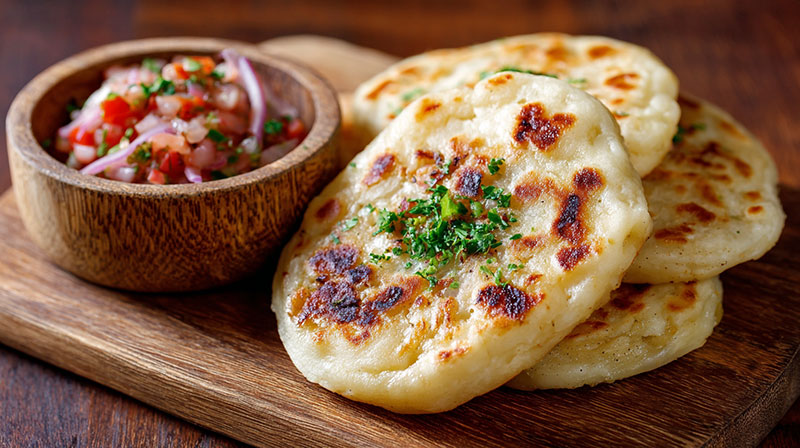
A typical pupusa packs about 250-350 calories. Size matters here – restaurant versions often hit the higher end.
The filling makes a huge difference. A plain cheese pupusa sits around 280 calories, while meat-filled varieties can reach 400 calories or more.
Standard serving sizes:
- Small homemade pupusa: 250-280 calories
- Medium restaurant pupusa: 320-350 calories
- Large pupusa with mixed fillings: 380-450 calories
Macronutrient Profile
Carbohydrates from Masa Harina
Corn flour provides the bulk of carbohydrates in pupusas. Each serving delivers 35-45 grams of carbs.
Most of these come from the masa dough wrapper. Traditional recipes use refined corn flour, which breaks down quickly in your system.
The carbohydrate content varies based on thickness. Thicker pupusas obviously pack more carbs.
Protein from Cheese and Meat Fillings
Protein levels depend heavily on what’s stuffed inside. Cheese varieties provide 12-18 grams per serving.
Protein breakdown by filling:
- Mozzarella cheese: 14-16 grams
- Queso fresco: 12-15 grams
- Refried beans and cheese: 15-18 grams
- Pork (chicharrón): 18-22 grams
- Mixed meat and cheese: 20-25 grams
Bean fillings add plant-based protein plus fiber. Black beans especially boost the protein profile.
Fat Content and Sources
Fat content ranges from 8-20 grams per pupusa. Cheese contributes most of the fat in vegetarian versions.
Meat fillings like carnitas or chicharrón push fat content higher. The cooking method also affects final fat levels.
Oil used for the comal (griddle) adds minimal fat compared to deep frying. Traditional preparation keeps fat content moderate.
Micronutrients and Vitamins
Essential Minerals
Pupusas deliver several important minerals. Calcium stands out, especially in cheese-filled varieties.
Key mineral content:
- Calcium: 200-350mg (from cheese)
- Iron: 2-4mg (from meat and fortified masa)
- Magnesium: 45-65mg (from corn)
- Phosphorus: 180-250mg
The corn flour used in what pupusas are made of often comes fortified with additional nutrients.
Vitamin Profile
B vitamins dominate the vitamin content. Corn naturally provides several B-complex vitamins.
Niacin (B3) and thiamine (B1) appear in decent amounts. Folate levels vary depending on whether the masa harina comes fortified.
Some cheese fillings add vitamin A and riboflavin (B2). Meat varieties contribute B12 and additional B6.
Sodium Levels and Concerns
Sodium content can be problematic. Most pupusas contain 400-800mg of sodium per serving.
The cheese adds significant sodium. Restaurant versions often use saltier cheeses and seasonings.
Sodium sources in pupusas:
- Cheese fillings: 300-500mg
- Salt in masa dough: 100-200mg
- Seasoned meat fillings: 150-300mg
- Added during cooking: 50-100mg
This represents 17-35% of the daily sodium limit for most adults. People watching sodium intake should pay attention to portion sizes.
Health Benefits of Pupusas
Protein Content for Muscle Health
Pupusas provide substantial protein for muscle maintenance and growth. The combination of dairy and grain proteins creates a more complete amino acid profile.
Cheese fillings deliver casein protein. This digests slowly and provides steady amino acid release.
Meat varieties offer complete proteins with all necessary amino acids. Bean fillings add plant protein plus extra fiber benefits.
Calcium from Cheese Fillings
Dairy-based pupusas excel at calcium delivery. One cheese pupusa provides 20-30% of daily calcium needs.
Calcium benefits include:
- Bone strength and density
- Muscle function support
- Nerve signal transmission
- Blood clotting assistance
The calcium comes in a highly absorbable form. Combining it with the magnesium from corn creates better mineral utilization.
Women and older adults especially benefit from this calcium boost. Regular consumption can support bone health over time.
Iron from Meat Varieties
Meat-filled pupusas contribute meaningful iron amounts. Pork and beef fillings provide heme iron, which absorbs better than plant sources.
Iron supports oxygen transport throughout the body. It also helps with energy production and immune function.
People prone to iron deficiency may find meat pupusas helpful. The iron combines well with vitamin C from accompanying salsa roja.
B Vitamins from Corn Masa
Corn flour brings several B vitamins to the table. These support energy metabolism and nervous system function.
Key B vitamins in pupusas:
- Niacin (B3): Supports metabolism and skin health
- Thiamine (B1): Helps convert food to energy
- Folate: Important for cell division and DNA synthesis
- Riboflavin (B2): Aids in energy production
Many commercial masa products come fortified with additional B vitamins. This boosts the nutritional value compared to plain corn.
The B vitamins work together synergistically. Getting them from whole food sources like pupusas can be more effective than supplements.
Potential Health Concerns
High Calorie Density
Pupusas pack significant calories into a small package. Two pupusas can easily hit 700-800 calories.
This calorie density comes from the combination of refined corn flour and high-fat fillings. The cooking oil adds extra calories during preparation.
Calorie density factors:
- Dense masa dough base
- Rich cheese fillings
- Oil absorption during cooking
- Large serving sizes
People managing weight need to account for these calories. Pupusas can quickly exceed daily calorie targets if you’re not careful.
Sodium Content Issues
High sodium levels pose the biggest nutritional concern. Most pupusas contain 400-800mg sodium per serving.
Restaurant versions often hit the higher range. Commercial cheese blends and processed meats drive sodium levels up.
Health risks from excess sodium:
- Increased blood pressure
- Heart disease risk
- Kidney strain
- Water retention
Adults should limit sodium to 2,300mg daily. Two pupusas can provide 35-70% of this limit.
Saturated Fat from Cheese and Meat
Cheese fillings contribute substantial saturated fat. Meat varieties like chicharrón add even more.
A typical cheese pupusa contains 4-8 grams of saturated fat. That’s 20-40% of the daily recommended limit.
Saturated fat sources:
- Mozzarella and processed cheeses
- Pork fillings (carnitas, chicharrón)
- Cooking oils used on the comal
- Added butter or lard in masa
Regular consumption of high saturated fat foods may increase cholesterol levels. Heart health organizations recommend limiting these fats.
Refined Carbohydrate Considerations
Traditional masa harina is heavily processed. This removes fiber and many nutrients from the original corn.
Refined carbohydrates digest quickly. They can cause blood sugar spikes, especially in people with diabetes.
The glycemic impact varies by filling. Protein and fat from cheese slow digestion somewhat.
Portion Size Challenges
Restaurant pupusas keep getting bigger. What used to be a snack now often serves as a full meal.
Typical serving escalation:
- Traditional home size: 4-5 inches
- Restaurant standard: 6-7 inches
- “Large” versions: 8+ inches
Many people eat 2-3 pupusas per sitting. This can double or triple the nutritional impact of everything we’ve discussed.
Portion control becomes critical for incorporating pupusas into a balanced diet.
Comparing Different Pupusa Types
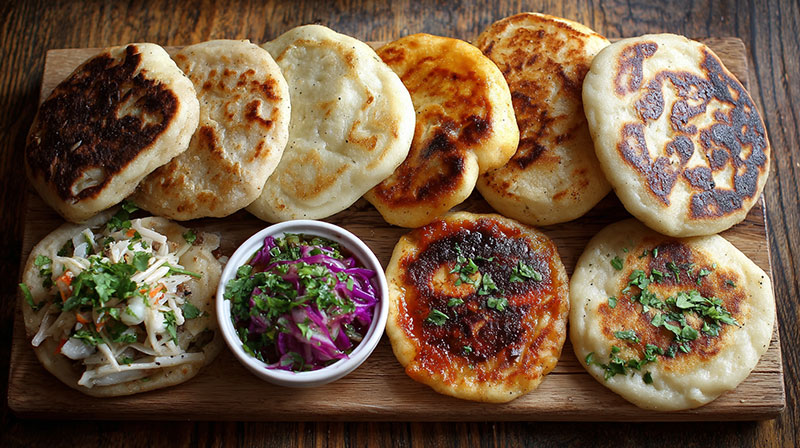
Cheese Pupusas Nutrition Profile
Plain cheese pupusas represent the baseline nutritional profile. They’re simpler but still pack calories and sodium.
Typical cheese pupusa (medium size):
- Calories: 280-320
- Protein: 14-16g
- Carbohydrates: 35-40g
- Fat: 10-14g
- Sodium: 450-600mg
Mozzarella versions tend toward the higher ranges. Queso fresco options run slightly lower in calories and fat.
Bean and Cheese Combinations
Adding refried beans boosts protein and fiber content. The combination creates a more complete amino acid profile.
Black beans provide more nutrients than pinto beans. They add antioxidants and additional minerals.
Bean-cheese nutritional advantages:
- Higher fiber content (3-5g vs 1-2g)
- Increased protein (16-18g)
- Better mineral profile
- More sustained energy release
The beans also help slow carbohydrate absorption. This creates a gentler blood sugar response.
Meat-Filled Varieties
Meat pupusas deliver the highest protein content. Pork fillings like carnitas or chicharrón are most common.
Nutritional trade-offs with meat:
- Higher protein: 18-25g per serving
- Increased calories: 350-450 per pupusa
- More saturated fat: 6-12g
- Higher sodium: 600-800mg
Lean meat options like grilled chicken provide better nutritional balance. Unfortunately, these aren’t traditional and may be hard to find.
Vegetable Options
Vegetable-filled pupusas offer the lightest nutritional profile. Loroco (edible flowers) and ayote (squash) are traditional choices.
These fillings add minimal calories while providing vitamins and fiber. They work well combined with small amounts of cheese.
Vegetable filling benefits:
- Lower calorie density
- Added micronutrients
- Increased fiber content
- Reduced sodium levels
Jalapeño and other pepper fillings add vitamin C. Squash contributes beta-carotene and potassium.
Mixed Filling Nutritional Differences
Combination fillings create complex nutritional profiles. Popular mixes include cheese-bean, meat-cheese, and vegetable-cheese.
The nutritional impact depends on the ratio of ingredients. More vegetables and beans improve the profile, while extra cheese and meat increase calories and fat.
Most balanced combinations:
- Bean and cheese with vegetables
- Small amount of lean meat with beans
- Cheese with multiple vegetable types
These combinations provide complete proteins while adding fiber and micronutrients. They represent the best compromise between tradition and nutrition.
Making Pupusas Healthier

Ingredient Substitutions
Whole Grain Masa Alternatives
Swap regular masa harina for whole grain versions. Whole corn masa retains fiber and nutrients that processing removes.
Look for brands that specify “whole grain” or “integral” on the package. These provide better nutritional value with similar taste.
Benefits of whole grain masa:
- 3x more fiber content
- Higher B vitamin levels
- Better mineral retention
- Slower blood sugar response
Some brands mix whole wheat flour with corn masa. This boosts protein and fiber while maintaining traditional texture.
Low-Fat Cheese Options
Choose part-skim mozzarella instead of full-fat versions. This cuts saturated fat by 30-40% per serving.
Reduced-fat Mexican cheeses work well too. Queso fresco naturally contains less fat than processed cheese blends.
Smart cheese swaps:
- Part-skim mozzarella vs. whole milk
- Fresh Mexican cheeses vs. processed
- Smaller cheese portions with added vegetables
- Greek yogurt mixed with cheese for creaminess
The key is maintaining flavor while reducing overall fat content. Start with small substitutions to adjust taste preferences.
Lean Protein Choices
Replace fatty pork fillings with leaner options. Grilled chicken breast provides protein without excess saturated fat.
Turkey, fish, or lean beef work as alternatives. Season them well to match traditional flavors.
Protein upgrade options:
- Grilled chicken vs. carnitas
- Lean ground turkey vs. chorizo
- Black beans vs. refried beans
- Tofu or tempeh for plant-based protein
These swaps can cut saturated fat by 50-70% while maintaining protein levels.
Cooking Method Improvements
Griddle Technique Optimization
Use minimal oil on the comal (griddle). A light spray or paper towel wipe provides enough to prevent sticking.
Non-stick surfaces require even less oil. Cast iron develops natural non-stick properties with proper seasoning.
Oil reduction strategies:
- Cooking spray instead of poured oil
- Wiping excess oil between pupusas
- Using well-seasoned cast iron
- Lower temperature, longer cooking time
These methods can reduce added fat by 60-80% compared to traditional preparation.
Alternative Cooking Methods
Try baking pupusas instead of griddle cooking. This eliminates added cooking oil entirely.
Steam-cooking works for a softer texture. Place pupusas in a steamer basket over boiling water for 8-10 minutes.
Air fryer cooking creates crispy exteriors without oil. Cook at 375°F for 6-8 minutes, flipping once.
Portion Control Strategies
Size Management
Make smaller pupusas at home. Aim for 4-5 inch diameter instead of restaurant-sized versions.
Portion control tips:
- Use a kitchen scale for consistent sizing
- Pre-portion masa dough balls
- Make mini pupusas for appetizers
- Fill half your plate with vegetables
Smaller sizes naturally limit calorie intake while allowing you to enjoy multiple varieties.
Meal Planning Integration
Plan pupusas as part of balanced meals. Pair one pupusa with large salads or vegetable sides.
Count them toward your daily carbohydrate allotment. Adjust other meals accordingly on pupusa days.
Adding Nutrient-Dense Sides
Traditional Accompaniments
Making curtido for pupusas adds probiotics and fiber. This fermented cabbage slaw aids digestion.
Salsa roja provides vitamin C and antioxidants. Choose versions with minimal added sugar or salt.
Nutritious side options:
- Fresh curtido with extra vegetables
- Grilled vegetable medleys
- Black bean salads
- Avocado slices
- Fresh tomato salsa
Creative Pairings
Add fresh fruit to balance the meal. Pineapple or mango complement the flavors well.
Leafy green salads increase nutrient density. Use lime-based dressings that match Central American flavors.
Pupusas in Different Diets
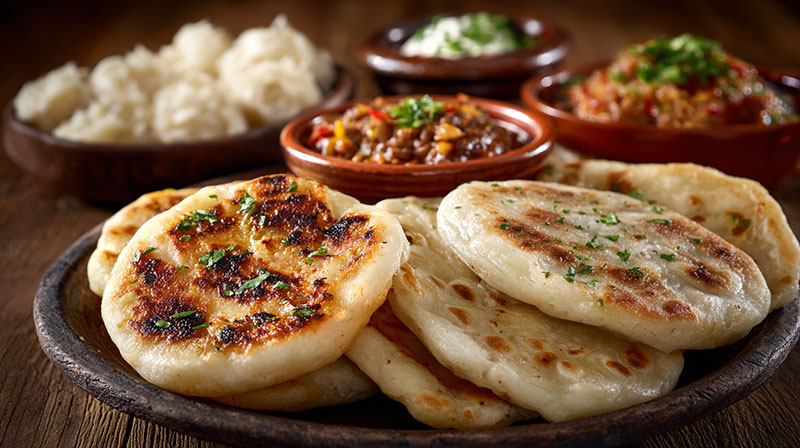
Vegetarian and Vegan Adaptations
Plant-Based Filling Options
Bean and vegetable combinations work perfectly for vegetarians. Black beans with grilled vegetables create satisfying fillings.
Vegetarian-friendly fillings:
- Refried beans with roasted peppers
- Black beans with corn and jalapeños
- Mushroom and onion combinations
- Spinach with reduced-fat cheese
These provide complete proteins when combined with corn masa. The amino acid profiles complement each other well.
Vegan Modifications
Replace cheese with cashew-based alternatives. Nutritional yeast adds cheesy flavor without dairy.
Vegan filling ideas:
- Seasoned black beans with vegetables
- Mushroom and herb combinations
- Tofu scramble with peppers
- Vegan cheese alternatives
Many traditional vegetable fillings are naturally vegan. Loroco and ayote (squash) need no modifications.
Gluten-Free Considerations
Corn masa is naturally gluten-free. This makes pupusas suitable for celiac disease and gluten sensitivity.
Check that your masa harina carries gluten-free certification. Cross-contamination can occur during processing.
Gluten-free advantages:
- Corn-based rather than wheat
- Traditional preparation methods
- No gluten-containing additives needed
- Safe for celiac diets
For those wondering if pupusas contain gluten, the answer depends on the specific masa used and preparation methods.
Low-Carb Modifications
Cauliflower Masa Alternatives
Replace corn masa with cauliflower-based dough. This dramatically reduces carbohydrate content.
Steam and rice cauliflower, then mix with eggs and seasonings. Form into pupusa shapes with your preferred fillings.
Low-carb benefits:
- 80% fewer carbohydrates
- Increased vegetable intake
- Lower calorie density
- Compatible with keto diets
The texture differs from traditional pupusas, but the concept remains the same.
Filling Adjustments
Focus on high-protein, low-carb fillings. Cheese and meat combinations work best for low-carb approaches.
Avoid bean fillings, which add significant carbohydrates. Stick to vegetables, cheese, and lean proteins.
Heart-Healthy Versions
Sodium Reduction Strategies
Use fresh cheeses instead of processed varieties. Make your own refried beans with minimal salt.
Heart-healthy modifications:
- Low-sodium cheese options
- Fresh herb seasonings instead of salt
- Homemade fillings with controlled sodium
- Smaller portion sizes
These changes can reduce sodium by 40-60% per serving.
Omega-3 Enhancements
Add ground flaxseed to masa dough. This boosts omega-3 fatty acids without changing flavor significantly.
Include fish fillings like salmon or sardines. These provide heart-healthy fats not found in traditional recipes.
Comparison with Other Latin American Foods
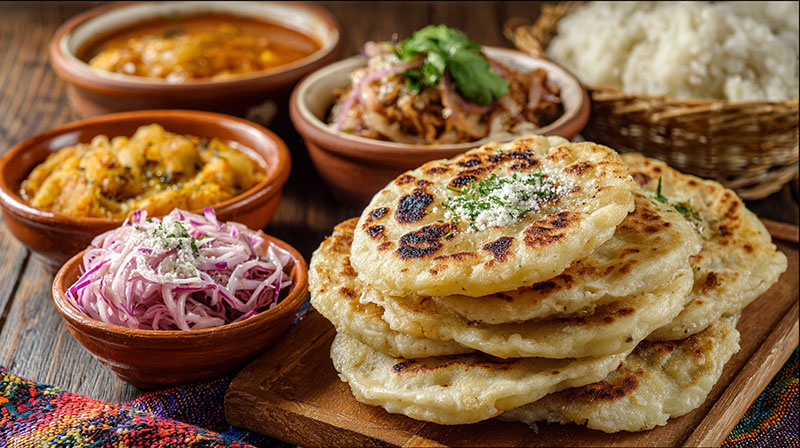
Nutritional Comparison with Tortillas
Pupusas pack more calories than standard corn tortillas. A medium pupusa contains 280-320 calories versus 80-100 calories per tortilla.
The filling makes the difference. Plain tortillas serve as vehicles for other foods, while pupusas contain built-in protein and fat.
Pupusas vs. Corn Tortillas:
- Calories: 3-4x higher in pupusas
- Protein: 10-15g vs. 2-3g
- Fat: 10-14g vs. 1-2g
- Sodium: 450-600mg vs. 150-200mg
Tortillas offer more flexibility for portion control. You can fill them with exactly what you want.
Pupusas vs. Arepas
Venezuelan and Colombian arepas share similarities with pupusas. Both use corn-based dough with fillings inside.
Arepas typically contain fewer calories per serving. They’re often grilled or baked rather than cooked with oil.
Key nutritional differences:
- Arepas: 200-250 calories average
- Pupusas: 280-350 calories average
- Arepas use less cheese typically
- Pupusas have higher sodium content
The cooking method affects final nutrition. Grilled arepas avoid added cooking oils that pupusas often require.
Calorie Comparison with Tamales
Tamales generally contain more calories than pupusas. The masa dough in tamales includes lard or oil mixed throughout.
Tamales vs. Pupusas (per serving):
- Tamales: 350-450 calories
- Pupusas: 280-350 calories
- Tamales: Higher fat content from lard
- Pupusas: More concentrated protein from cheese
Tamales take hours to prepare properly. Pupusas offer similar flavors with quicker preparation time.
Both represent calorie-dense comfort foods that require mindful portion control.
Healthier Alternatives in Latin Cuisine
Lighter Options
Ceviche provides lean protein with minimal calories. Fresh fish “cooked” in citrus delivers nutrients without heavy starches.
Grilled fish with rice and beans balances macronutrients better. The combination provides complete proteins with controlled portions.
Nutritionally superior choices:
- Ceviche: 150-200 calories per serving
- Grilled fish with beans: 300-400 calories
- Vegetable-heavy stews: 200-300 calories
- Fresh fruit with cottage cheese: 150-250 calories
Traditional Healthy Dishes
Many Central American dishes emphasize vegetables and lean proteins. Gallo pinto (rice and beans) provides complete protein with fiber.
Sopa de verduras (vegetable soup) offers nutrients with minimal calories. These dishes support weight management better than fried options.
When to Enjoy Pupusas
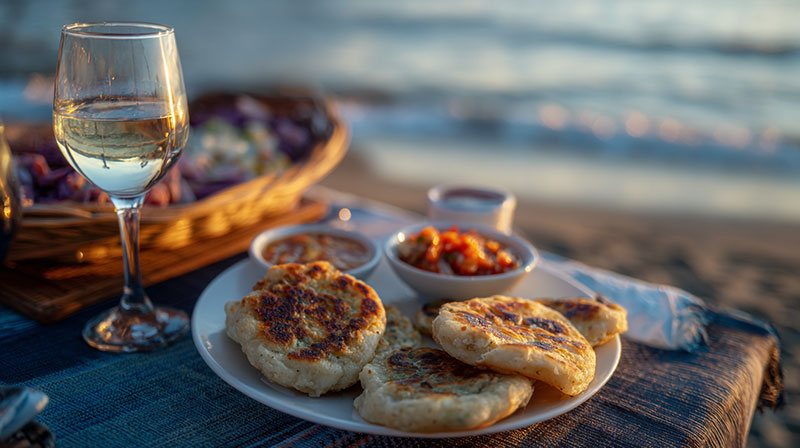
Frequency Recommendations
Occasional Treats
Pupusas work best as occasional indulgences rather than regular meals. Their calorie density makes daily consumption challenging for most people.
Suggested frequency guidelines:
- Active adults: 1-2 times per week maximum
- Sedentary individuals: 1-2 times per month
- Weight management goals: Special occasions only
- Athletes: More flexibility based on activity levels
People with diabetes or heart conditions should consult healthcare providers about frequency.
Special Occasions
Pupusas shine at cultural celebrations and family gatherings. They represent comfort food that brings people together.
Weekend brunches work well for pupusa meals. You have time to balance the calories with physical activity.
Best Times to Eat Them
Morning and Midday Options
Breakfast pupusas provide sustained energy for active days. The protein and fat content helps maintain blood sugar levels.
Lunch timing allows you to burn calories throughout the afternoon. Avoid evening consumption if weight management is a concern.
Optimal timing strategies:
- Morning: Before physical activity planned
- Lunch: With 4-5 hours before dinner
- Avoid: Late evening or before bed
- Best: Days with planned exercise
Pre-Activity Fuel
Eat pupusas 2-3 hours before intense physical activity. The carbohydrates provide energy while protein supports muscle function.
Athletes can use pupusas as pre-competition fuel. The familiar comfort food may reduce pre-game anxiety.
Balancing with Other Meals
Daily Meal Planning
Plan lighter meals when pupusas are on the menu. Focus on vegetables and lean proteins for other meals that day.
Same-day balance strategies:
- Light breakfast if pupusas for lunch
- Vegetable-heavy dinner after pupusa lunch
- Skip high-calorie snacks
- Increase water intake
Track your total daily calories to maintain balance. Pupusas can fit into healthy eating patterns with proper planning.
Weekly Nutrition Balance
Use pupusa days as “treat” days in your weekly meal plan. Compensate with extra vegetables and lean proteins on other days.
Physical activity becomes more important on pupusa days. Plan walks, gym sessions, or active hobbies.
Special Occasion Considerations
Cultural Celebrations
Pupusas hold deep cultural significance for many families. Don’t skip important cultural events due to nutrition concerns.
Cultural balance approaches:
- Eat smaller portions at celebrations
- Focus on the social aspects
- Balance with traditional sides like curtido
- Enjoy mindfully rather than restricting
Holiday Modifications
Make healthier versions for holiday gatherings. Use the ingredient substitutions discussed earlier.
Holiday strategies:
- Offer multiple filling options
- Include vegetable-heavy varieties
- Provide plenty of fresh sides
- Focus on quality over quantity
Family Gatherings
Learning how to make pupusas becomes a family bonding activity. The social benefits often outweigh strict nutritional concerns.
Involve kids in preparation to teach cultural traditions. This creates positive food relationships beyond just nutrition.
FAQ on Are Pupusas Healthy
How many calories are in a pupusa?
A typical pupusa contains 280-350 calories depending on size and filling. Cheese varieties run lower while meat-filled options reach 400+ calories. Restaurant pupusas often contain more calories than homemade versions due to larger portions and extra oil.
Are pupusas high in sodium?
Yes, pupusas contain 400-800mg sodium per serving. Cheese fillings and seasoned masa contribute most sodium. This represents 17-35% of daily limits. People with high blood pressure should monitor portions carefully when enjoying this traditional Salvadoran dish.
Do pupusas have protein?
Pupusas provide 12-25 grams protein per serving. Cheese fillings offer 14-16 grams while meat varieties deliver 18-25 grams. Bean and cheese combinations provide complete amino acid profiles. The corn masa adds small amounts of plant-based protein.
Are pupusas good for weight loss?
Pupusas are calorie-dense, making weight loss challenging with regular consumption. Their high fat and carbohydrate content can quickly exceed daily calorie targets.
Occasional enjoyment with portion control works better than frequent meals for weight management goals.
Can diabetics eat pupusas?
Diabetics can enjoy pupusas occasionally with careful planning. The refined corn masa causes blood sugar spikes.
Pair with protein-rich fillings and vegetables to slow carbohydrate absorption. Monitor blood glucose levels and consult healthcare providers about frequency.
Are pupusas gluten-free?
Traditional pupusas made with pure corn masa are naturally gluten-free. However, cross-contamination during processing can occur.
Check that masa harina carries gluten-free certification. This makes pupusas suitable for celiac disease when prepared safely.
What’s the healthiest pupusa filling?
Bean and vegetable combinations offer the best nutritional profile. Black beans provide fiber and plant protein while vegetables add vitamins and minerals.
Cheese adds calcium but increases calories and saturated fat. Avoid processed meat fillings for optimal health.
How often should you eat pupusas?
Limit pupusas to 1-2 times weekly for active adults. Their calorie density makes daily consumption difficult for weight maintenance. Special occasions work best for most people. Athletes have more flexibility based on activity levels and calorie needs.
Are pupusas heart-healthy?
Traditional pupusas contain high sodium and saturated fat, raising heart health concerns. The cheese and cooking methods contribute to these issues.
Choose low-sodium cheese, minimal oil cooking, and smaller portions for better cardiovascular health outcomes.
Do pupusas contain healthy nutrients?
Pupusas provide calcium from cheese, B vitamins from corn masa, and iron from meat fillings. However, refined masa removes fiber and many nutrients. The nutritional benefits depend heavily on filling choices and preparation methods used during cooking.
Conclusion
Are pupusas healthy? The answer depends on preparation methods, filling choices, and frequency of consumption.
These Salvadoran comfort foods deliver significant nutritional value through calcium, protein, and B vitamins from their corn-based masa and dairy fillings.
However, traditional pupusas present challenges with their high sodium levels, saturated fat content, and calorie density. Restaurant versions often exceed healthy portion sizes while street vendor preparations may use excess cooking oil.
Smart strategies make pupusas healthier:
- Choose bean and vegetable fillings over processed meats
- Control portion sizes at home
- Balance with fresh curtido and salsa roja
- Limit frequency to special occasions
The key lies in moderation and mindful preparation. Using whole grain masa alternatives, reducing cooking oil, and selecting nutrient-dense fillings transforms this Central American dish into a more balanced meal option that honors cultural heritage while supporting wellness goals.


