

Summarize this article with:
Imagine standing in a sophisticated vineyard, inhaling the crisp aroma of freshly pressed grapes; there lies the essence of what makes wine not just a drink, but an experience.
Have you ever come across the term “cuvée” on a wine label and wondered what it truly signifies?
As someone who has equally savored the role of winemaker and explorer in the intricate world of wine, I can assure you that understanding cuvée opens a gateway into the heart of winemaking.
In French wine terminology, cuvée is more than just a term; it embodies the craft of blending wines to produce something exceptional-whether it be a prestigious sparkling wine or a carefully curated still wine.
In this article, I aim to unravel the layers behind “what does cuvée mean.” You’ll discover the art of wine blending, gain insights into terms like “Tête de cuvée”, and understand its significance in French winemaking.
From the wine glossary to vinification, let’s pull back the curtain on cuvée wines and their unique allure.
Join me as we explore these wine secrets that have stood the test of time.
What does cuvée mean?
Cuvée is a French term used in winemaking to denote a specific blend or batch of wine, often indicating a higher-quality selection. It can refer to a blend of different grape varieties, vineyards, or vintages, and is commonly used in the production of Champagne and other sparkling wines.
Cuvée in Sparkling Wine Production

Initial Pressing Process
Understanding the magic behind sparkling wine starts with the initial pressing process.
The first-pressed juice, also known as the free-run juice, is where the finesse and complexity of a great cuvée originate. Imagine the gentle pressure of the press, effortlessly extracting the purest essence from the grapes.
What does cuvee mean? It often refers to this premium juice, the very soul of the sparkling delight we savor.
Characteristics of free-run juice are less tannic and offer the most delicate flavors. The whole process feels almost poetic, each grape playing its part in the symphony of flavors.
Phenolic Compounds and Acidity
When we dive into the science of it, phenolic compounds and acidity are the unsung heroes.
Phenolics, naturally occurring chemicals in the grapes, impact the texture, color, and flavor. Too much, and your wine could taste bitter or astringent.
The desired acidity levels, on the other hand, are pivotal. Sparkling wines shine with their crisp and refreshing nature.
This acidity balances the sweetness and enhances the sparkling effect, creating a dance of bubbles that tingle the senses.
It’s this balance that gives sparkling wine its refreshing zing and long-lasting flavor.
Terminology in French and American Wineries
- Usage in French Sparkling Houses
In the grand houses of Champagne, the term “cuvée” is sacred. It signifies the art of blending and the delicate process that honors tradition and terroir.
“Tête de cuvée” is often the top pick, the cream of the crop. It’s like naming the lead actor in your favorite film – essential and hard to miss.
- Equivalent Terms in American Wineries
Across the Atlantic, in the rolling vineyards of California, “cuvée” has made its mark, but don’t be surprised to see equivalent terms like “Reserve” or even “Signature Blend.”
These terms iterate the same dedication to quality and precision, resonating the same song but with a different accent.
Cuvée as a Blend

Blending Practices in Winemaking
Blending in winemaking, it’s like creating a masterpiece with flavors. Think of it as an artist mixing colors. The purpose of blending? To craft a balanced wine that sings in harmony.
Premium wines often come from different vineyards, diverse vintages, or even unique varieties of grapes.
Imagine the possibilities. The earthiness from one vineyard, the brightness from another, combined to create something greater than its parts. A winemaker’s canvas.
Enhancing Wine Quality Through Blending
Combining different lots isn’t just an art; it’s necessity. Each lot brings its character, shaping the end product like instruments in an orchestra.
You don’t just hear the violin; you hear the concerto.
Think about successful blends; they’re like symphonies where every note matters. The balance, the complexity, they all come together to elevate the wine.
Just like a dish that marries its ingredients perfectly, hitting high notes, low notes, and everything in between.
Special Terminologies within Blends
Oh, the terminologies! They carry so much weight.
- Tête de cuvéeThe pinnacle, the premier, the apex of the blend. This term is whispered with reverence among sommeliers and winemakers alike. It’s the crème de la crème, the best of the best.
- Prestige cuvéeNow, here we step into luxury. A prestige cuvée evokes excellence, a promise of superior quality. Crafted with meticulous care, each bottle is a testament to the winemaker’s artistry.
- Grande cuvéeThe grand opus, the full-scale production. Think majesty, think grandeur. A grande cuvée presents the wine in its full glory, carefully balanced and utterly magnificent.
Legal and Marketing Aspects of Cuvée

Lack of Legal Definition
No regulation. Zero. Not in the U.S., not in France. A term with such prestige, yet no official rulebook. The absence of regulation leaves winemakers in a wild west of terminology.
For us enthusiasts, it means a mixed bag. One bottle of cuvée on the shelf could be a blend of the finest viticulture artistry, and the one next to it? Not so much. This ambiguous landscape impacts both winemakers and consumers.
Winemakers can label a blend “cuvée” and instantly add a touch of allure, but the downside? The risk of inconsistency. For consumers, navigating this wine production maze can be bewildering.
Marketing Strategies
The term “cuvée” practically screams superior quality, a slice of luxury in a glass. Marketing strategies harness this, slapping “cuvée” on labels to catch the discerning eye.
- Here’s the kicker. Marketers know that cuvée-specific grapes bring intrigue and exclusiveness. The word conjures up prestige cuvée, grande cuvée, experiences, exquisite tastes.
- Yet, misuse lurks. Some producers exploit the term, creating a mirage. A bottle labeled “cuvée” can be a ruse, an average blend masquerading as elite.
Cuvée in Still Wine Production
Definition and Examples
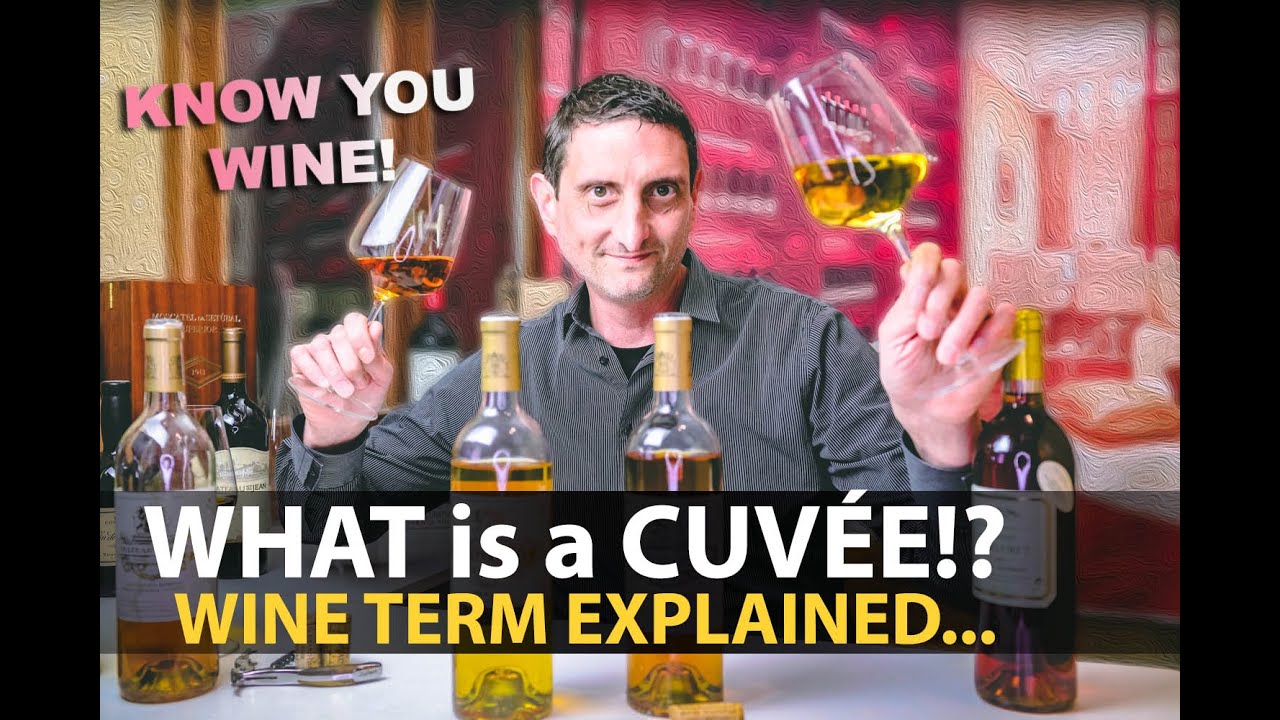
Cuvée. A term that dances across the wine world with grace. In still wine, it’s not as effervescent as its sparkling kin, but it carries weight.
Here, we talk about specific blends that make magic in each bottle.
Think of a blend that combines the depth of a Cabernet Sauvignon with the flair of a Merlot. Each grape bringing its melody to the harmony.
Still wine cuvées often conjure up images of vineyard artistry, a thought-out mosaic of flavor.
Unlike in sparkling wine cuvée, where bubbles add their own story, still wine focuses on the character of the grape. No fizz, just the pure essence.
A rich Bordeaux blend or an intricate GSM (Grenache, Syrah, Mourvèdre) blend-these are cuvées in their natural, unembellished state.
Case Studies
Napa Valley’s interpretation. Ah, the sun-kissed vines of California! Here, winemakers use cuvée like an artist uses a brush.
Napa’s interpretation of cuvée often sees a fusion of varietals to craft something nuanced.
Take a Napa Valley red blend. A Cabernet-Merlot-Syrah mix that tastes like a sunset in a glass. This isn’t just winemaking; this is storytelling.
French still wine practices. Head back to the old world, and you’ll find French winemakers treating cuvees with almost sacred reverence.
In Bordeaux, for instance, each blend is a nod to centuries of tradition.
A Grand Vin de Bordeaux may combine grapes from different vineyards, creating a blend that defines grande cuvée. The goal is balance, a seamless dance of tannins and fruits.
FAQ On What Does Cuvee Mean
What is the meaning of cuvée in wine?
Cuvée refers to a specific blend of wine that is usually crafted from various grape varieties or sourced from different vineyards.
It signifies the winemaker’s art of creating a harmonious blend, often resulting in a product of higher quality. In champagne terminology, cuvée can denote the first pressed juice.
Is cuvée only used for sparkling wine?
No, while commonly associated with sparkling wines like champagne, cuvée can also apply to high-quality still wines.
It often indicates a special blend, sometimes from premium wine selections, meant to bring out unique flavors and characteristics through wine blending techniques.
What does cuvée mean on a wine label?
When “cuvée” is displayed on a wine label, it signifies a particular blend or batch that the winemaker has deemed special or premium.
This term hints at careful preparation, often involving wine varieties that create a distinct, balanced flavor profile, making the bottle noteworthy.
How is cuvée different from other wine terms?
Cuvée primarily denotes a blend and is distinguished from terms like vintage, which refers to wine from a particular harvest year.
While vintage wine focuses on the year, cuvée highlights the artistry of combining various elements-whether it’s different grape varieties or specific wine regions.
What is cuvée prestige?
Cuvée prestige refers to a winemaker’s top-tier product-a blend that stands out due to its exceptional quality.
Often, this involves first pressing of grapes or a meticulous selection process, resulting in a Tête de cuvée that reflects superior wine production techniques.
Does cuvée guarantee quality?
While cuvée often suggests a higher quality due to the special blending process, it doesn’t always guarantee it.
However, most cuvée wines are crafted with a focus on achieving superior taste and character, often making them more desirable among wine enthusiasts and collectors.
What is the origin of the term cuvée?
The term “cuvée” derives from the French word cuve, meaning vat or tank, used in winemaking. Historically, it indicated the contents of a specific vat.
Over time, it evolved to represent a distinguished blend, pivotal in French winemaking traditions and wine classification.
What’s the process for creating a cuvée?
Creating a cuvée involves careful selection and blending of wines from different grape varieties, vineyards, or vintages.
This process, overseen by skilled winemakers, aims to achieve a balanced and harmonious taste, often using barrel aging or other methods to enhance the final product.
Are all cuvées non-vintage?
Not all cuvées are non-vintage. Though commonly non-vintage due to blending wines from multiple years, some cuvée wines can also be vintage, made from a single harvest year.
The term primarily emphasizes the blend rather than the vintage, reflecting the winemaking process.
Can I find cuvée in wine regions outside France?
Absolutely, while rooted in French winemaking, the concept of cuvée has been adopted globally. Many reputable wineries across different wine regions embrace the idea, creating their own standout blends.
These cuvée wines display the region’s unique characteristics while embracing traditional wine blending techniques.
Conclusion
Cuvée is more than a mere term often seen on wine labels; it represents a symphony of flavors meticulously crafted through the art of wine blending.
In the fascinating world of winemaking, understanding what does cuvée mean can elevate not just your appreciation, but also your selection of wines.
With terms like Tête de cuvée and cuvée prestige, one begins to grasp the extraordinary effort involved in creating these blends-whether they are sparkling wines from renowned French wine regions, or exquisite still wines.
The magic lies in the process of combining various grape varieties, vineyards, and even different vintages, to showcase a winemaker’s finest work.
Whether exploring the intricate wine classification system, reveling in the delight of a vintage blend, or savoring the nuanced profiles of premium wine, the concept of cuvée opens a new chapter in your wine journey.
Perfect for those who cherish the art of winemaking, adding cuvée to your vocabulary enriches your overall experience, inviting you to taste history in every sip.


