
Walk into any Mexican kitchen and you’ll face a choice that sparks passionate debates: red enchilada sauce vs green enchilada sauce. Both sauces crown countless dishes, yet they couldn’t be more different in flavor, preparation, and regional heritage.
Understanding these sauce differences changes everything about your Mexican cooking. Red sauce brings earthy depth from dried chilies, while green sauce delivers bright heat from fresh roasted peppers.
This guide breaks down the key distinctions between these iconic sauces. You’ll discover ingredient differences, preparation methods, heat levels, and which sauce works best for specific dishes.
By the end, you’ll know exactly when to reach for red or green sauce. Plus, you’ll understand why New Mexico swears by green while other regions prefer red’s complex warmth.
Red Enchilada Sauce Vs Green Enchilada Sauce
Red Enchilada Sauce Deep Dive

Primary Ingredients and Base Components
Red enchilada sauce starts with dried chili peppers as its foundation. Ancho peppers provide sweetness and mild heat, while guajillo chilies add fruity complexity.
New Mexico red chilies bring earthy depth that defines authentic Southwestern cooking. These dried varieties create the sauce’s signature deep red color.
Supporting aromatics include white onions, garlic cloves, and Mexican oregano. Cumin adds warmth, while chicken broth provides liquid base for blending.
Traditional Preparation Methods

Toasting dried chilies in a dry skillet releases essential oils and deepens flavor. This step takes just 2-3 minutes per side until fragrant.
Hot water rehydrates the toasted peppers for 15-20 minutes. The soaking liquid becomes part of the sauce base, capturing concentrated pepper essence.
Blending combines rehydrated chilies with aromatics and seasonings. Straining removes tough skins and seeds for silky smooth consistency.
Flavor Profile Characteristics

Red sauce delivers complex heat levels that build gradually. The dried pepper foundation creates smoky undertones with subtle sweetness.
Earthy notes dominate the flavor profile, complemented by mild acidity. This depth makes red sauce perfect for rich dishes with cheese or meat.
Regional Variations
New Mexican Red Sauce Traditions
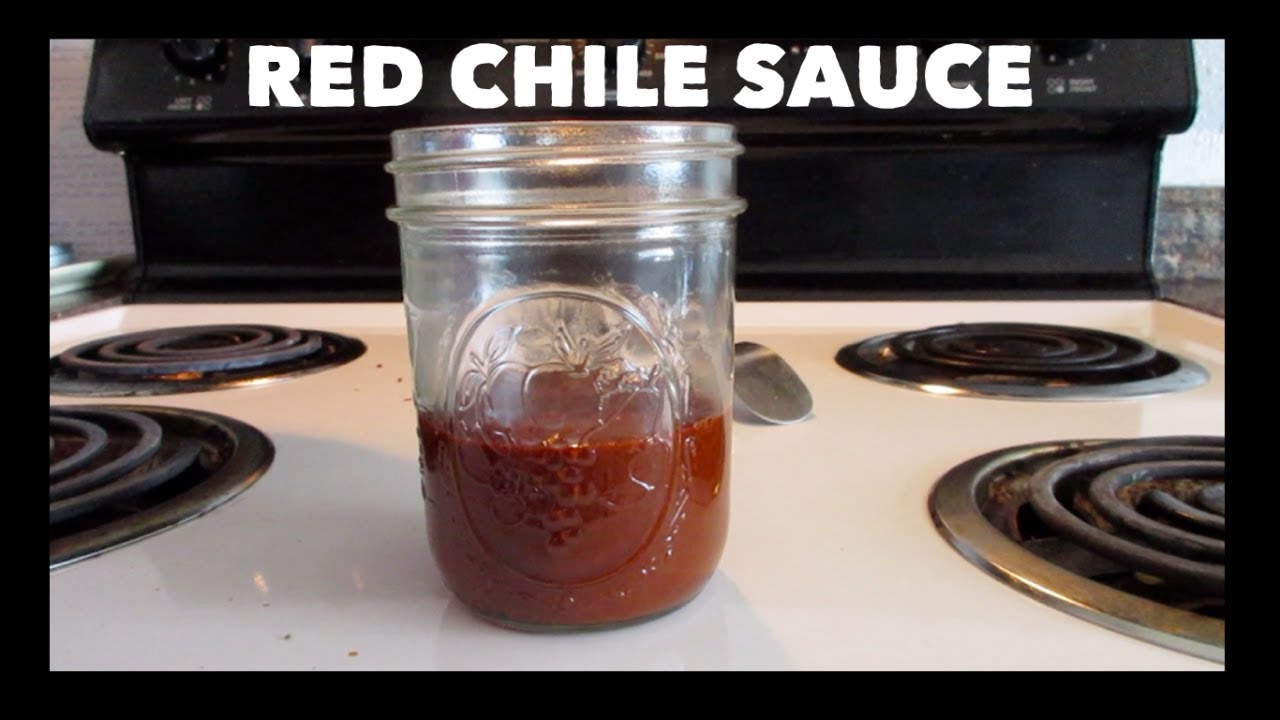
New Mexico red chile holds protected status and distinctive terroir. Hatch Valley varieties offer the most prized flavor profiles in the region.
Local preparation methods emphasize pure chili flavor with minimal additional spices. This approach highlights the pepper’s natural complexity.
Mexican State Variations

Different Mexican regions favor specific dried chili combinations. Oaxaca uses chilhuacle negro, while Puebla prefers mulato peppers.
Each state’s version reflects local growing conditions and culinary traditions. These variations create distinct regional sauce personalities.
Green Enchilada Sauce Deep Dive

Core Ingredients and Components
Fresh green chilies form the base of green enchilada sauce. Hatch green chilies from New Mexico provide the gold standard for authentic flavor.
Poblano peppers add mild heat and rich texture when roasted properly. Jalapeños contribute bright spice that balances the sauce’s fresh character.
Tomatillos appear in some regional variations, adding tartness and body. Garlic and onions round out the aromatic base components.
Preparation Techniques
Roasting Methods for Green Chilies

Flame roasting over gas burners creates the best flavor development. The charred skin adds smoky notes while keeping flesh tender.
Oven broiling works as an alternative method for home cooks. High heat blistering removes easily once peppers cool in sealed bags.
Proper roasting technique determines final sauce quality. Under-roasted peppers lack depth, while over-charring creates bitter flavors.
Blending and Consistency Control

Fresh roasted chilies blend differently than dried varieties. The higher moisture content creates naturally thicker consistency.
Chicken stock or vegetable broth thins the sauce to desired texture. Some cooks prefer chunky green sauce over completely smooth versions.
Flavor Profile Analysis

Green sauce offers bright, tangy characteristics that cut through rich foods. Fresh chili heat hits immediately rather than building slowly.
The flavor profile emphasizes freshness over complexity. This makes green sauce ideal for lighter dishes and summer cooking.
Acidity levels run higher than red sauce due to fresh pepper preparation. This brightness pairs excellently with wine that goes with fish selections.
Regional Styles
Colorado Green Chili Sauce

Colorado’s version typically includes pork and potatoes within the sauce itself. This hearty preparation serves as both sauce and stew.
Pueblo chilies from southern Colorado provide the preferred pepper variety. Local preparation emphasizes thick, substantial consistency.
Hatch Green Chili Preparations
Hatch, New Mexico produces the most celebrated green chilies in America. The unique growing conditions create unmatched flavor complexity.
Traditional Hatch preparations keep seasonings minimal to showcase pure pepper taste. Local restaurants often serve varying heat levels from mild to extra hot.
Direct Comparison Between Red and Green

Ingredient Differences
Red sauce relies on dried chili varieties that concentrate flavors through dehydration. This process intensifies sweetness and creates earthy depth.
Green sauce uses fresh peppers that maintain bright, vegetal qualities. The moisture content and fresh preparation create completely different taste profiles.
Preparation timing differs significantly between the two styles. Red sauce requires overnight soaking, while green sauce can be made fresh daily.
Taste Profile Contrasts
Heat Level Comparisons

Green sauce typically delivers immediate, sharp heat that peaks quickly. Fresh chilies provide front-loaded spice intensity.
Red sauce builds heat gradually with complex warmth that lingers. The dried pepper preparation creates more rounded spice distribution.
Heat tolerance varies between individuals, but most find green sauce more aggressively spicy. Red sauce offers gentler heat development.
Flavor Complexity Differences
Red enchilada sauce provides deeper flavor layers from the dried pepper concentration process. Multiple chili varieties create nuanced taste experiences.
Green sauce emphasizes freshness and brightness over complexity. The straightforward flavor profile highlights pure pepper essence.
Umami development occurs more in red sauce due to the drying and toasting processes. Green sauce relies on immediate flavor impact.
Visual and Aromatic Differences
Color Intensity and Appeal

Red sauce ranges from deep burgundy to bright crimson depending on pepper varieties used. The rich color suggests hearty, substantial flavor.
Green sauce varies from pale sage to vibrant emerald based on chili selection and preparation methods. Fresh green appearance suggests lighter, brighter taste.
Visual appeal differs between the sauces, with red suggesting comfort food and green indicating fresh, healthy preparation.
Aroma Characteristics
Red sauce aromatics emphasize smoky, earthy notes from toasted dried peppers. The concentrated scents suggest complex flavor development.
Green sauce offers bright, vegetal aromas with fresh pepper intensity. The immediate scent impact matches the direct flavor approach.
Kitchen aromas during preparation differ dramatically. Red sauce fills spaces with warm, toasted scents while green sauce provides sharp, fresh pepper fragrances.
Best Uses for Each Sauce Type
Red Sauce Applications
Traditional Dishes That Work Best
Red enchilada sauce excels in cheese-heavy casseroles where its earthy depth balances rich dairy flavors. The sauce’s smooth consistency coats tortillas evenly without overpowering mild fillings.
Classic beef enchiladas showcase red sauce perfectly. The dried chili complexity complements robust meat flavors while adding moisture to baked dishes.
Layered enchilada casseroles benefit from red sauce’s thicker consistency. The sauce maintains structure during baking without becoming watery or separating.
Protein Pairings and Recommendations

Pork pairs exceptionally well with red sauce’s smoky undertones. The meat’s richness harmonizes with the sauce’s earthy chili depth.
Beef enchiladas reach their full potential with red sauce preparation. The bold flavors complement each other without competing for attention.
Ground turkey works surprisingly well despite its mild profile. Red sauce adds necessary flavor complexity to lean protein preparations.
Green Sauce Applications
Optimal Dish Combinations

Chicken enchiladas shine with green sauce’s bright acidity cutting through mild poultry flavors. The fresh chili heat enhances rather than masks delicate meat.
Seafood enchiladas work beautifully with green sauce preparation methods. The tangy profile complements fish without overwhelming subtle ocean flavors.
Vegetable-based enchiladas need green sauce’s vibrant character. Fresh pepper brightness elevates plant-based fillings that might seem flat with red sauce.
Ingredient Compatibility

White cheeses like Monterey Jack blend seamlessly with green sauce acidity. The mild cheese allows fresh chili flavors to dominate appropriately.
Fresh herbs like cilantro echo green sauce’s bright character. These additions create harmonious flavor profiles throughout the dish.
Corn tortillas work particularly well with green sauce. The corn’s natural sweetness balances the sauce’s sharp pepper heat.
When to Choose One Over the Other
Seasonal Considerations

Summer cooking favors green sauce with its fresh, light characteristics. Hot weather calls for bright flavors that don’t feel heavy or overwhelming.
Winter months suit red sauce’s warming, comforting qualities. The earthier profile matches seasonal preferences for hearty, substantial foods.
Fresh chili season makes green sauce the obvious choice. Peak pepper harvest delivers maximum flavor intensity for homemade preparations.
Guest Preferences and Dietary Needs
Heat-sensitive guests typically handle red sauce better than green versions. The gentler, building warmth feels less aggressive than sharp fresh chili intensity.
Guests preferring bold flavors gravitate toward green sauce preparations. The immediate impact satisfies those seeking assertive taste experiences.
Children often prefer red sauce’s milder, sweeter profile. Green sauce’s sharp heat can overwhelm young palates unaccustomed to spicy foods.
Making Enchilada Sauces at Home
Red Sauce Preparation Guide

Shopping for Quality Ingredients
Dried chilies should feel pliable, not brittle or crumbling. Avoid peppers with white spots or musty odors indicating age or improper storage.
Mexican markets typically offer better chili selection than regular grocery stores. Look for:
- Whole, unbroken pepper pieces
- Rich, deep colors without fading
- Flexible stems that bend rather than snap
- Fresh, pepper-like aroma
Step-by-Step Preparation Process
- Toast dried chilies in a dry skillet for 2-3 minutes per side until fragrant
- Remove stems and most seeds to control heat levels
- Soak toasted peppers in hot water for 15-20 minutes until softened
- Blend peppers with soaking liquid, garlic, and spices until smooth
- Strain mixture through fine-mesh strainer for silky consistency
- Simmer strained sauce for 10-15 minutes to develop flavors
Salt and seasonings get added during the final simmering stage. Taste and adjust heat levels by adding more soaking liquid or additional peppers.
Green Sauce Preparation Guide
Selecting Fresh Green Chilies

Hatch green chilies provide the gold standard when available seasonally. Look for firm peppers with tight, glossy skin and vibrant green color.
Poblano peppers work as excellent substitutes year-round. Choose peppers that feel heavy for their size with unblemished skin.
Avoid peppers with soft spots, wrinkled skin, or dull coloring. Fresh chilies should snap crisply when bent rather than feeling rubbery.
Detailed Cooking Instructions
Roasting technique determines final sauce quality:
- Place peppers directly over gas flame or under broiler
- Turn frequently until skin blisters and chars evenly
- Transfer hot peppers to sealed plastic bags for 15 minutes
- Steam-loosened skins slip off easily under cool running water
- Remove stems, seeds, and white membranes
- Blend roasted peppers with garlic, onion, and chicken stock
Fresh green sauce benefits from immediate use. The bright flavors fade within 2-3 days of preparation.
Equipment and Tools Needed
Blender and Food Processor Options

High-powered blenders create the smoothest sauce consistency. Vitamix or Blendtec models handle tough pepper skins without leaving fibrous pieces.
Standard blenders work adequately for most home preparations. Add liquid gradually to prevent motor strain when processing thick mixtures.
Food processors excel at chunky sauce preparations. The pulsing action allows better texture control for those preferring less refined consistency.
Storage Containers and Methods
Glass jars prevent flavor absorption and staining issues common with plastic containers. Mason jars work perfectly for refrigerator storage up to one week.
Ice cube trays create convenient portion control for frozen sauce storage. Transfer frozen cubes to freezer bags for easy access.
Label containers with preparation dates and heat levels. Homemade sauces vary in spice intensity between batches.
Store-Bought Options and Quality Assessment
Popular Commercial Red Sauce Brands
Taste and Quality Comparisons
Las Palmas offers consistent mild heat levels perfect for families. The sauce maintains smooth consistency without artificial thickeners or preservatives.
Hatch brand provides authentic New Mexico flavor profiles. Their red sauce captures regional chili characteristics better than mass-market alternatives.
Old El Paso delivers reliable results for casual cooking. While not authentic, the predictable flavor works well for weeknight meal preparation.
Price Point Considerations
Premium brands cost 2-3 times more than basic options but deliver noticeably better flavor. Authentic regional brands justify higher prices through superior ingredient quality.
Generic store brands often disappoint with thin consistency and artificial flavoring. The small price savings rarely compensate for poor taste results.
Bulk purchasing during sales makes premium brands more affordable. Canned sauces store well, making stock-up purchases practical.
Available Green Sauce Products

Brand Recommendations and Reviews
Herdez green sauce provides excellent authenticity at reasonable prices. Their tomatillo-based version offers restaurant-quality flavor for home use.
505 Southwestern delivers genuine New Mexico green chili sauce. The company’s Hatch Valley connections ensure authentic regional preparation methods.
La Victoria green sauce works well for basic applications. The mild heat level suits families while maintaining decent flavor profiles.
Fresh Versus Shelf-Stable Options
Refrigerated fresh sauces typically taste better than canned versions. The preserved bright flavors more closely resemble homemade preparations.
Frozen green sauces maintain quality better than canned alternatives. Flash-freezing preserves fresh pepper characteristics that canning processes destroy.
Shelf-stable options offer convenience but sacrifice flavor intensity. Keep canned sauces as backup options rather than primary choices.
What to Look for When Buying
Ingredient Quality Indicators

Read labels carefully to avoid artificial colors, flavors, or excessive preservatives. Quality sauces list recognizable ingredients without chemical additives.
Pepper varieties should appear early in ingredient lists. Authentic sauces prioritize chilies over filler ingredients like tomatoes or starches.
Natural separation in jarred sauces indicates minimal processing. A quick stir restores proper consistency without affecting flavor quality.
Authenticity Markers
Regional brands often provide better authenticity than national mass-market options. Companies with Southwestern roots understand traditional preparation methods.
Spanish-language labeling sometimes indicates more authentic formulations. These products often target Latino markets demanding genuine flavors.
“Hatch” designation on green sauce labels suggests authentic New Mexico preparation. This geographic indicator typically correlates with superior taste quality.
Nutritional Aspects and Health Considerations
Caloric and Macronutrient Breakdown
Red Sauce Nutritional Profile
Red enchilada sauce typically contains 25-35 calories per quarter-cup serving. The low calorie count comes primarily from peppers and minimal added fats.
Carbohydrates make up the majority of macronutrients at 6-8 grams per serving. Natural sugars from dried chilies contribute most carbohydrate content.
Protein levels remain minimal at 1-2 grams per serving. Fat content varies based on preparation methods and added oils.
Green Sauce Health Metrics
Green sauce generally contains slightly fewer calories than red versions. Fresh peppers provide 20-30 calories per quarter-cup serving.
The macronutrient profile mirrors red sauce with predominantly carbohydrate content. Fresh preparation methods often require less added oil.
Sodium levels can vary significantly between homemade and commercial preparations. Store-bought versions typically contain 200-400mg per serving.
Comparative Analysis

Both sauces provide low-calorie options for flavoring dishes without significant nutritional impact. The pepper base keeps fat content minimal in traditional preparations.
Homemade versions offer better control over sodium and added sugars. Commercial sauces often contain preservatives and flavor enhancers.
Neither sauce provides significant protein or healthy fats. They function primarily as flavor enhancers rather than nutritional contributors.
Vitamin and Mineral Content
Antioxidant Properties
Capsaicin in both red and green sauces provides powerful antioxidant benefits. This compound may help reduce inflammation and support metabolic health.
Red sauce offers higher concentrations of antioxidants from dried pepper preparation. The concentration process intensifies beneficial compound levels.
Beta-carotene content varies between sauce types. Red peppers generally provide more of this vitamin A precursor.
Capsaicin Benefits

Research suggests capsaicin may boost metabolism temporarily after consumption. The compound creates thermogenic effects that can increase calorie burning.
Pain relief properties of capsaicin have been documented in clinical studies. Topical applications show promise for arthritis and neuropathy treatment.
Cardiovascular benefits may include improved circulation and reduced blood pressure. However, individual responses vary significantly.
Micronutrient Differences
Vitamin C content remains higher in green sauce due to fresh pepper preparation. Heat processing reduces vitamin C levels in red sauce preparation.
Potassium levels vary between sauce types based on pepper varieties used. Fresh peppers generally provide more potassium per serving.
Iron content increases slightly in red sauce from dried pepper concentration. Green sauce provides more folate from fresh pepper sources.
Dietary Restrictions and Modifications
Low-Sodium Preparation Options

Homemade sauces allow complete sodium control for heart-healthy diets. Commercial versions often contain excessive salt for preservation purposes.
Fresh herbs and spices can replace salt without sacrificing flavor complexity. Cumin, oregano, and garlic powder provide satisfying taste depth.
Vegetable broth alternatives offer lower sodium than traditional chicken stock. Unsalted versions reduce sodium content by 200-300mg per serving.
Sugar-Free and Keto-Friendly Versions
Traditional enchilada sauces naturally fit keto macronutrient requirements. The low carbohydrate content supports ketogenic eating patterns.
Added sugars appear more commonly in commercial red sauces. Check ingredient labels to avoid unnecessary sweeteners.
Natural pepper sweetness provides adequate flavor without added sugars. Properly prepared sauces need no additional sweetening agents.
Allergen Considerations

Gluten-free diets can safely include most enchilada sauces. Traditional recipes contain no wheat-based thickening agents.
Some commercial sauces may contain modified food starch from wheat sources. Always verify ingredient labels for gluten sensitivity concerns.
Dairy-free preparations work perfectly for lactose intolerant individuals. Traditional sauce recipes contain no milk-based ingredients.
Special Dietary Needs
Diabetic-friendly options focus on controlling added sugars and sodium levels. Homemade preparations offer the best control over these factors.
Anti-inflammatory diets benefit from capsaicin and antioxidant content in both sauce types. The pepper compounds may help reduce chronic inflammation.
Low-FODMAP diets should avoid garlic and onion-heavy sauce preparations. Modified recipes can substitute garlic oil for fresh cloves.
Preparation Tips for Health-Conscious Cooking
Roasting peppers without oil reduces unnecessary fat calories. Flame roasting creates excellent flavor without added lipids.
Water or low-sodium vegetable broth can replace higher-calorie chicken stock. This modification reduces both calories and sodium content.
Fresh herb additions boost vitamin and mineral content without calories. Cilantro, oregano, and parsley enhance nutritional profiles naturally.
FAQ on Red Enchilada Sauce Vs Green Enchilada Sauce
Which enchilada sauce is spicier?
Green enchilada sauce typically delivers more heat than red versions. Fresh green chilies like jalapeños and serranos pack immediate fire.
Red sauce tends to offer deeper, smokier warmth rather than sharp spice. The dried chili peppers create earthy complexity with moderate heat levels.
What’s the main ingredient difference between red and green sauce?
Red sauce uses dried chilies like ancho, guajillo, and New Mexico varieties. These get rehydrated and blended with spices.
Green sauce relies on fresh roasted chilies, primarily Hatch green chilies, poblanos, or jalapeños. The fresh pepper preparation creates completely different flavor profiles.
Can I substitute red sauce for green sauce in recipes?
Yes, but expect flavor changes. Red sauce brings earthier, deeper notes while green offers brighter, tangier taste.
The heat levels differ too. Green sauce might overpower mild dishes, while red sauce could seem flat in recipes designed for wine that goes with enchiladas pairings expecting fresh chili brightness.
Which sauce goes better with chicken enchiladas?
Both work beautifully with chicken. Green sauce complements chicken’s mild flavor without overwhelming it.
Red sauce adds richness that pairs well with cheese-heavy chicken dishes. Your choice depends on whether you want bright, fresh heat or deeper, complex warmth.
How do I store homemade enchilada sauce?
Refrigerate both sauces for up to one week in airtight containers. Freezing extends shelf life to three months.
Let sauce cool completely before storing. Pour into ice cube trays for convenient portion control, then transfer frozen cubes to freezer bags.
What makes green enchilada sauce green?
Fresh green chilies provide the natural color. Roasted poblanos, Hatch chilies, and jalapeños maintain their vibrant green hue.
Some recipes add tomatillos or cilantro for extra green color. The fresh pepper base prevents browning that happens with dried chilies.
Is red or green enchilada sauce more authentic?
Both have deep Mexican roots. Red sauce represents traditional dried chili preparation methods used for centuries.
Green sauce gained popularity in New Mexico and Colorado, becoming regional specialties. Neither is more “authentic” than the other in Mexican cuisine.
Can I make enchilada sauce less spicy?
Remove seeds and membranes from chilies before cooking. These parts contain most capsaicin.
Add dairy like Mexican crema or blend in roasted bell peppers. Sugar or honey can also balance heat without compromising flavor complexity.
What’s the texture difference between red and green sauce?
Red sauce typically has smoother consistency after straining. The rehydrated dried chilies blend easily into silky texture.
Green sauce often retains more texture from fresh pepper pieces. Some cooks prefer chunky green sauce, while others strain for smoothness.
Which sauce works better for meal prep?
Red sauce holds up better during reheating and storage. The dried chili base maintains consistency over time.
Green sauce can lose brightness after several days. Fresh chili flavors fade faster than the concentrated dried pepper taste in red varieties.
Conclusion
The choice between red enchilada sauce vs green enchilada sauce ultimately comes down to your flavor preferences and cooking goals. Each sauce brings distinct character to your Mexican dishes.
Red sauce excels with rich, earthy complexity from dried ancho and guajillo peppers. Its smooth consistency and moderate heat work perfectly with cheese-heavy casseroles and traditional recipes.
Green sauce delivers bright, fresh heat from roasted poblanos and Hatch chilies. The tangy flavor profile cuts through rich ingredients beautifully.
Regional preferences matter too. New Mexico and Colorado favor green sauce traditions, while other areas lean toward red sauce preparations.
Both sauces store well and freeze easily for meal prep. Homemade versions always beat store-bought options in flavor and freshness.
Experiment with both to discover your preference. Try green sauce with chicken dishes and red sauce with beef or pork preparations for authentic Mexican flavor combinations.


