

Summarize this article with:
Your steamer broke the day before your family tamale tradition. Sound familiar?
Don’t let missing equipment stop you from making authentic tamales at home. Learning how to make tamales without a steamer opens up possibilities you never knew existed.
Most home cooks assume they need specialized equipment for perfect results. Actually, your regular kitchen tools work just as well.
This guide reveals multiple steamer-free methods that produce tender, flavorful tamales every time. You’ll master masa preparation, filling techniques, and alternative cooking approaches that deliver restaurant-quality results.
We’ll cover makeshift steamer setups using large pots, oven techniques for batch cooking, slow cooker methods, and pressure cooker approaches. Each method produces consistent results without buying extra gadgets.
By the end, you’ll have multiple reliable techniques for creating delicious homemade tamales whenever the craving hits. No steamer basket required.
Why Make Tamales Without a Traditional Steamer
Cost and Accessibility Benefits
Traditional steamers cost $30-80 and take up valuable cabinet space. Most home cooks don’t want to invest in single-purpose equipment.
Your existing kitchen tools handle the job perfectly. Why spend money when you already own everything needed?
Alternative Methods Work Just as Well
Professional kitchens often skip specialized steamers for large batches. Steam circulation works identically with makeshift setups.
Heat distribution actually improves with some alternative methods. Oven techniques provide more consistent temperatures than traditional steamers.
Many experienced cooks prefer these approaches over conventional equipment. Results taste identical to restaurant-quality tamales.
Steamer-Free Cooking Methods That Actually Work

The Makeshift Steamer Setup
Large Pot Configuration
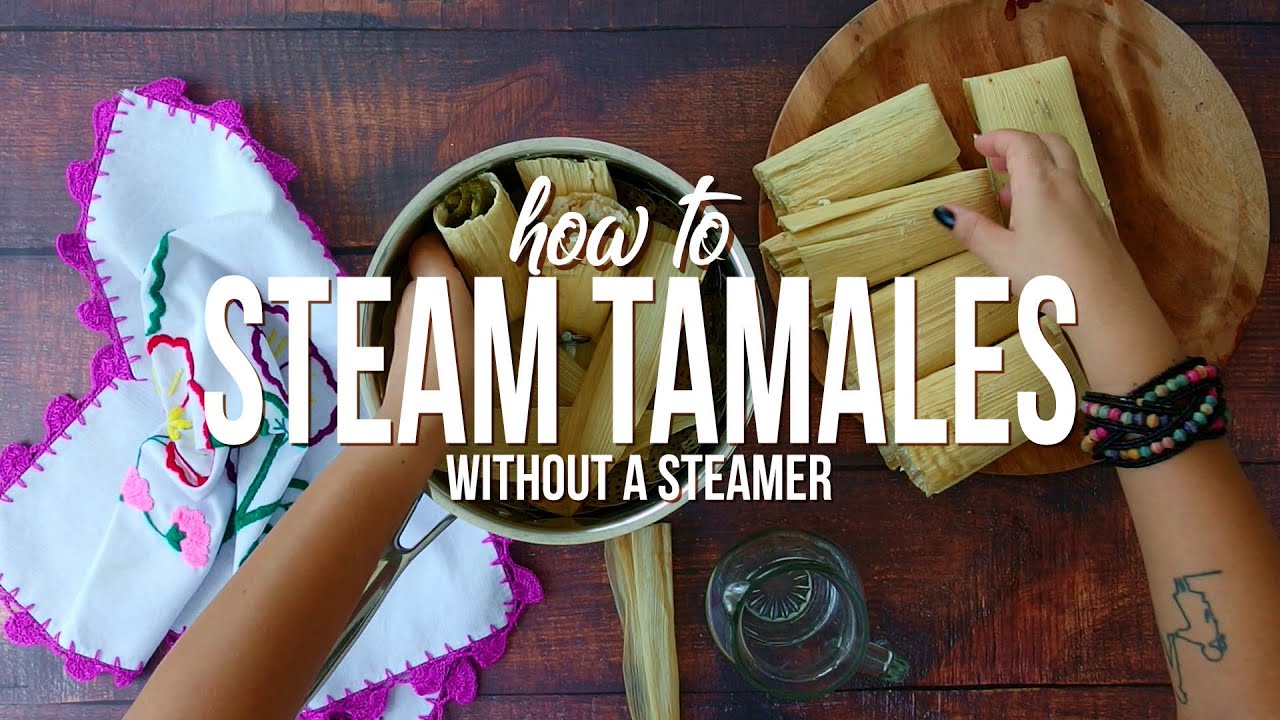
Use any 6-8 quart pot with a tight-fitting lid. Place a heat-proof bowl upside down in the center as your platform.
Add water until it reaches halfway up the bowl sides. This creates the perfect steam environment.
Water Level Management
Keep water below the tamale platform at all times. Too much water creates soggy masa instead of proper steaming.
Check water levels every 30 minutes during cooking. Add hot water if levels drop too low.
Oven Method for Consistent Results
Foil-Wrapped Batch Cooking
Wrap 6-8 tamales tightly in aluminum foil with 2 tablespoons water. Create multiple packets for larger batches.
Place packets on baking sheets and cook at 350°F for 60-75 minutes. This method prevents overcooking edges.
Temperature Settings That Work
Maintain steady 350°F throughout the cooking process. Higher temperatures dry out the masa before the filling cooks properly.
Moisture retention stays consistent with proper foil sealing. Steam builds inside each packet naturally.
Slow Cooker Technique
Arrangement for Even Cooking
Stand tamales upright around the slow cooker perimeter. Leave space in the center for steam circulation.
Add 2 cups water to the bottom and cover tightly. The consistent temperature control prevents burning.
High vs Low Heat Considerations
High setting takes 4-6 hours for complete cooking. Low setting requires 6-8 hours but offers better texture control.
Check water levels after 3 hours on high heat. Low heat maintains moisture better throughout the process.
Pressure Cooker Approach
Trivet Setup and Water Amounts
Place the metal trivet in your pressure cooker bottom. Add 2 cups water below the trivet level.
Arrange tamales standing up on the trivet. Pressure cooking reduces time to just 20-25 minutes.
Natural vs Quick Release
Always use natural pressure release for tamales. Quick release can make masa tough and dry.
Allow 15 minutes for pressure to release naturally. This gentle process keeps tamales tender throughout.
Step-by-Step Assembly Process

Spreading Masa Like a Pro
Husk Positioning for Easy Spreading
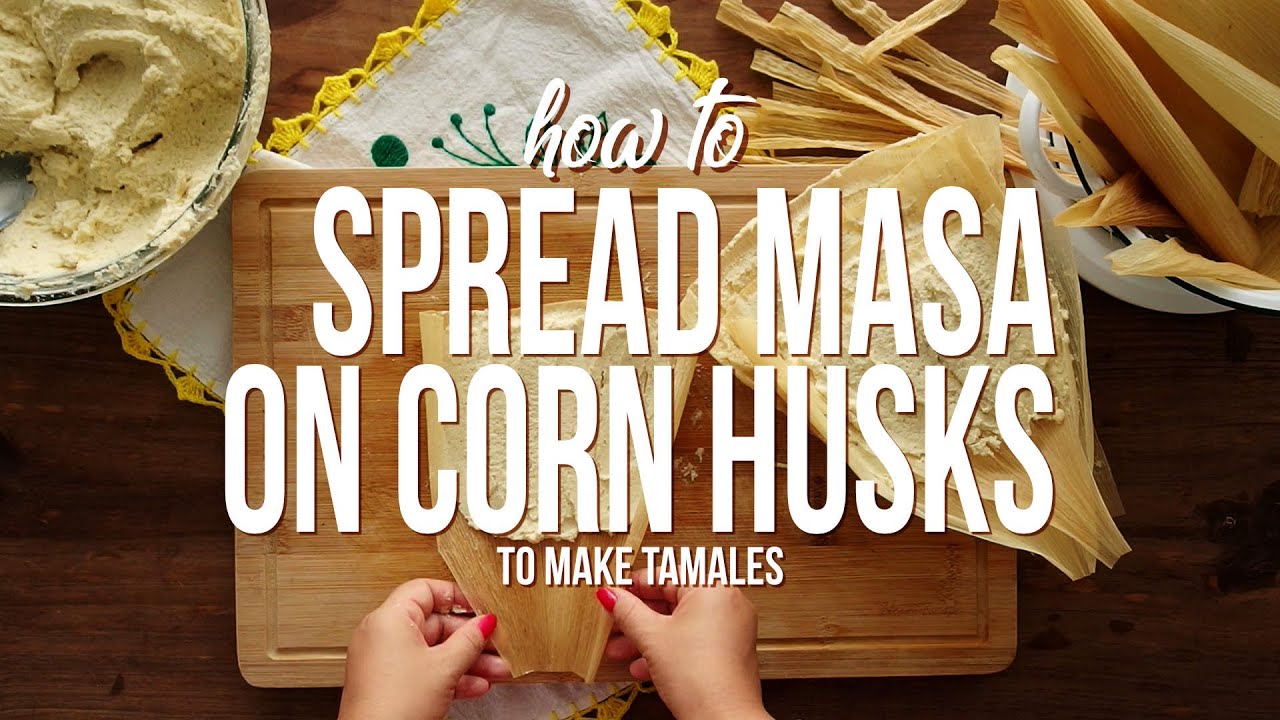
Lay corn husks smooth side up with the wide end toward you. Remove any silk strands completely.
Pat husks completely dry before adding masa. Wet husks prevent proper masa adhesion.
Thickness That Prevents Tearing
Spread masa in a thin, even layer leaving 2-inch borders on all sides. Too thick masa won’t cook evenly.
Use the back of a spoon for consistent masa consistency. Aim for 1/4 inch thickness maximum.
Filling Distribution Secrets
Amount That Won’t Cause Spillage
Use 2-3 tablespoons of filling per tamale maximum. More filling creates messy assembly and cooking problems.
Place filling in the center third of the masa rectangle. Keep filling preparation simple for easier wrapping.
Multiple Filling Combinations
Cheese and green chiles pair excellently together. Pork shoulder works well with red sauce combinations.
Sweet fillings require less moisture than meat options. Balance wet and dry ingredients carefully.
Wrapping Techniques That Hold
Folding Sequence That Works
Fold the husk sides over the filling first, then fold the bottom up tightly. The wrapping technique determines cooking success.
Secure the seam side down when arranging for cooking. No ties or strings needed with proper folding.
Standing vs Laying Arrangement
Always cook tamales standing seam-side down. This prevents filling from leaking during the cooking process.
Steam generation works better with vertical arrangement. Horizontal cooking creates uneven results.
Why Make Tamales Without a Traditional Steamer

Cost and Accessibility Benefits
Traditional steamers cost $30-80 and take up valuable cabinet space. Most home cooks don’t want to invest in single-purpose equipment.
Your existing kitchen tools handle the job perfectly. Why spend money when you already own everything needed?
Alternative Methods Work Just as Well
Professional kitchens often skip specialized steamers for large batches. Steam circulation works identically with makeshift setups.
Heat distribution actually improves with some alternative methods. Oven techniques provide more consistent temperatures than traditional steamers.
Many experienced cooks prefer these approaches over conventional equipment. Results taste identical to restaurant-quality tamales.
Steamer-Free Cooking Methods That Actually Work

The Makeshift Steamer Setup
Large Pot Configuration
Use any 6-8 quart pot with a tight-fitting lid. Place a heat-proof bowl upside down in the center as your platform.
Add water until it reaches halfway up the bowl sides. This creates the perfect steam environment.
Water Level Management
Keep water below the tamale platform at all times. Too much water creates soggy masa instead of proper steaming.
Check water levels every 30 minutes during cooking. Add hot water if levels drop too low.
Oven Method for Consistent Results
Foil-Wrapped Batch Cooking
Wrap 6-8 tamales tightly in aluminum foil with 2 tablespoons water. Create multiple packets for larger batches.
Place packets on baking sheets and cook at 350°F for 60-75 minutes. This method prevents overcooking edges.
Temperature Settings That Work
Maintain steady 350°F throughout the cooking process. Higher temperatures dry out the masa before the filling cooks properly.
Moisture retention stays consistent with proper foil sealing. Steam builds inside each packet naturally.
Slow Cooker Technique
Arrangement for Even Cooking
Stand tamales upright around the slow cooker perimeter. Leave space in the center for steam circulation.
Add 2 cups water to the bottom and cover tightly. The consistent temperature control prevents burning.
High vs Low Heat Considerations
High setting takes 4-6 hours for complete cooking. Low setting requires 6-8 hours but offers better texture control.
Check water levels after 3 hours on high heat. Low heat maintains moisture better throughout the process.
Pressure Cooker Approach

Trivet Setup and Water Amounts
Place the metal trivet in your pressure cooker bottom. Add 2 cups water below the trivet level.
Arrange tamales standing up on the trivet. Pressure cooking reduces time to just 20-25 minutes.
Natural vs Quick Release
Always use natural pressure release for tamales. Quick release can make masa tough and dry.
Allow 15 minutes for pressure to release naturally. This gentle process keeps tamales tender throughout.
Step-by-Step Assembly Process
Spreading Masa Like a Pro
Husk Positioning for Easy Spreading
Lay corn husks smooth side up with the wide end toward you. Remove any silk strands completely.
Pat husks completely dry before adding masa. Wet husks prevent proper masa adhesion.
Thickness That Prevents Tearing
Spread masa in a thin, even layer leaving 2-inch borders on all sides. Too thick masa won’t cook evenly.
Use the back of a spoon for consistent masa consistency. Aim for 1/4 inch thickness maximum.
Filling Distribution Secrets
Amount That Won’t Cause Spillage
Use 2-3 tablespoons of filling per tamale maximum. More filling creates messy assembly and cooking problems.
Place filling in the center third of the masa rectangle. Keep filling preparation simple for easier wrapping.
Multiple Filling Combinations
Cheese and green chiles pair excellently together. Pork shoulder works well with red sauce combinations.
Sweet fillings require less moisture than meat options. Balance wet and dry ingredients carefully.
Wrapping Techniques That Hold
Folding Sequence That Works
Fold the husk sides over the filling first, then fold the bottom up tightly. The wrapping technique determines cooking success.
Secure the seam side down when arranging for cooking. No ties or strings needed with proper folding.
Standing vs Laying Arrangement
Always cook tamales standing seam-side down. This prevents filling from leaking during the cooking process.
Steam generation works better with vertical arrangement. Horizontal cooking creates uneven results.
Cooking Process and Timing
Setup and Steam Generation
Water Amounts for Different Methods
Makeshift steamer setups need 2-3 cups water in the bottom of your large pot. Steam circulation requires enough water to last the full cooking time.
Oven method uses just 2 tablespoons water per foil packet. Too much water creates soggy tamales instead of proper steaming.
Pressure cooker requires exactly 2 cups water below the trivet level. More water can reach the tamales and ruin texture.
Bringing to Proper Steam Level
Heat your setup on medium-high until you see steady steam escaping. Reduce to medium heat once steam establishes consistently.
Temperature control matters more than high heat. Gentle, steady steam cooks masa evenly throughout.
Tamale Arrangement in Cooking Vessel
Always place tamales standing upright with seam sides facing down. This prevents filling from leaking during the cooking process.
Leave space between each tamale for proper heat distribution. Overcrowding extends cooking time significantly.
Cooking Time Guidelines
Size-Based Timing Differences
Standard tamales take 60-90 minutes depending on your chosen method. Mini tamales cook in 45-60 minutes with any technique.
Large pot method typically requires 75-90 minutes for complete cooking. Thick tamales need additional 15-20 minutes.
Method-Specific Timing
- Makeshift steamer: 75-90 minutes
- Oven method: 60-75 minutes
- Slow cooker: 4-6 hours on high
- Pressure cooker: 20-25 minutes plus natural release
Testing for Doneness
Check one tamale from the center of your batch first. The masa should pull away from corn husks cleanly without sticking.
If masa feels gummy or sticks to husks, continue cooking 15-20 minutes longer.
Temperature Management
Avoiding Temperature Fluctuations
Maintain consistent medium heat throughout the entire cooking process. High heat creates uneven cooking and tough masa.
Never lift lids frequently during cooking. Each peek releases valuable steam and extends cooking time.
When to Add More Water
Check water levels every 30 minutes for stovetop methods. Add hot water only when levels drop below halfway.
Cold water shocks the cooking process and creates temperature drops. Keep a kettle of hot water ready for refills.
Testing for Perfect Doneness

Visual and Physical Cues
Husk Separation from Masa
Properly cooked tamales show visible gaps between corn husks and masa. The husk should peel away easily without resistance.
Undercooked masa sticks firmly to husks and tears when you try removing it. This indicates more cooking time needed.
Firmness Test Without Unwrapping
Gently squeeze a tamale through the husk with tongs. Cooked masa feels firm but gives slightly under pressure.
Raw or undercooked masa feels mushy and compresses too easily. Continue cooking if tamales feel too soft.
Steam Pattern Changes
Steam output decreases noticeably when tamales finish cooking. Heavy steam early in cooking gradually reduces to light wisps.
Cooking vessels also sound different when water levels drop appropriately. Listen for subtle changes in bubbling sounds.
The Unwrapping Test
Which Tamale to Test First
Always test one tamale from the center of your batch where heat penetrates last. Edge tamales cook faster than center ones.
Center tamales receive the least direct heat in most cooking methods. If center tamales finish, the entire batch is ready.
Proper Cooling Before Checking
Let test tamales cool 5 minutes before unwrapping. Hot masa can seem undercooked when it’s actually perfect.
Masa texture firms up during cooling. What feels soft immediately becomes properly textured after brief cooling.
What Fully Cooked Masa Feels Like
Perfect masa has a smooth, slightly dense texture similar to firm cornbread. It should slice cleanly without crumbling.
Properly cooked filling heats through completely and blends flavors with the masa. Meat should be tender and vegetables soft.
Common Problems and Quick Fixes
Masa Issues During Cooking
Sticking to Husks Excessively
This indicates insufficient fat in your masa mixture or undercooking. Add more lard or vegetable shortening to future batches.
Extend cooking time by 20-30 minutes if masa sticks. Moisture levels may be too low in your cooking setup.
Falling Apart When Unwrapped
Too much liquid in masa creates structural problems. Reduce broth amounts in your next masa preparation.
Masa consistency should hold together when squeezed but not feel wet. Adjust liquid ratios for firmer texture.
Dense, Heavy Texture Problems
Overmixed masa develops tough, dense texture. Beat masa just until light and fluffy, then stop immediately.
Insufficient fat content also creates heavy tamales. Use proper lard-to-masa ratios for best results.
Cooking Method Troubleshooting
Insufficient Steam Generation
Check water levels and heat settings immediately. Steam production requires adequate water and consistent medium heat.
Loose-fitting lids allow steam to escape. Use aluminum foil under the lid for better seal if necessary.
Water Evaporation Too Quickly
Reduce heat to medium-low while maintaining visible steam. High heat evaporates water faster than tamales cook.
Large pot methods need periodic water additions. Keep hot water ready for quick refills.
Uneven Heat Distribution
Rotate tamale positions halfway through cooking time. Heat circulation varies in different cooking vessels.
Rearrange tamales from edges to center for more even results. Some methods require position changes.
Structural Problems
Tamales Unwrapping During Cooking
Poor wrapping technique causes this common problem. Ensure corn husks overlap properly and fold tightly.
Secure seam sides face down when arranging in cooking vessel. Proper positioning prevents unwrapping issues.
Filling Leakage into Water
Overfilled tamales leak during cooking and contaminate cooking water. Use appropriate filling amounts for cleaner results.
Water level management prevents this problem. Keep water below tamale platforms at all times.
Batch Size Adjustments
Overcrowding prevents proper steam circulation around individual tamales. Cook smaller batches for better results.
Cooking time increases with larger batches. Add 15-30 minutes for completely full cooking vessels.
Serving and Storage Tips

Immediate Serving Best Practices
Cooling Time Before Serving
Allow tamales to cool 10-15 minutes after cooking before serving. Hot masa can burn tongues and the texture hasn’t fully set yet.
This resting period lets flavors meld together properly. Steam continues cooking the masa gently during cooling.
Safe Unwrapping Techniques
Peel corn husks away from the top and sides first, then slide them out from underneath. Never try removing husks while tamales are extremely hot.
Use a fork to help separate stubborn husks from masa. Well-cooked tamales release easily without tearing.
Traditional Accompaniments
Classic sides include Mexican rice, refried beans, and fresh salsa verde. These complement the rich masa flavors perfectly.
Traditional pairings also include pickled jalapeños, Mexican crema, and lime wedges. Simple accompaniments let tamale flavors shine.
Presentation Ideas
Serve tamales in the husks on warmed plates for authentic presentation. Remove one end of the husk to expose the masa.
Garnish options include chopped cilantro, diced onions, or crumbled queso fresco. Keep presentations simple and colorful.
Storage for Later Enjoyment
Refrigeration Methods That Work
Wrap cooled tamales individually in plastic wrap or aluminum foil. Proper wrapping prevents them from drying out in the refrigerator.
Store wrapped tamales in airtight containers for up to 5 days. Label containers with cooking dates for food safety.
Freezing Techniques for Long-Term
Flash freeze unwrapped tamales on baking sheets for 2 hours first. Then wrap individually and store in freezer bags.
Frozen tamales maintain quality for up to 6 months when properly wrapped. Remove excess air from storage bags.
Reheating Without Drying Out
Steam frozen tamales for 15-20 minutes without thawing first. Microwave reheating works but requires damp paper towels to prevent drying.
Oven reheating at 350°F for 15-20 minutes works well when wrapped in foil. Add a tablespoon of water before wrapping.
How Long They Actually Keep
Fresh tamales stay good in the refrigerator for 4-5 days maximum. Check for off smells or slimy texture before eating.
Frozen tamales maintain best quality for 3-4 months but remain safe longer. Quality degrades after 6 months in the freezer.
Food Safety Considerations
Temperature Guidelines
Keep hot tamales above 140°F until serving time. Food safety requires proper temperature control during serving periods.
Cool tamales to room temperature within 2 hours before refrigerating. Never leave cooked tamales at room temperature longer.
Storage Container Options
Glass containers work better than plastic for long-term storage. Airtight sealing prevents freezer burn and maintains moisture.
Vacuum sealing extends freezer life significantly. Remove tamales from husks before vacuum sealing for best results.
Batch Cooking Benefits
Make large batches and freeze portions for quick meals later. Meal prep becomes easier with properly stored tamales.
Cook 2-3 dozen at once using your preferred steamer-free method. Freeze most and keep a few fresh for immediate enjoyment.
Serving Size Planning
Portions Per Person
Plan 2-3 tamales per person for main course servings. Appetizer portions work well with 1-2 tamales per guest.
Large tamales may require only 1-2 per person depending on other dishes served. Consider side dish quantities when planning.
Party Planning Guidelines
Calculate 20% extra tamales for parties to ensure adequate quantities. Batch sizes should account for varying appetites and preferences.
Offer both meat and vegetarian options when serving groups. Label different filling types clearly for guests with dietary restrictions.
FAQ on How To Make Tamales Without A Steamer
Can I use a regular pot instead of a steamer?
Yes, any large pot with a tight-fitting lid works perfectly. Place a heat-proof bowl upside down in the bottom to create a platform.
Add water below the bowl level and arrange tamales standing up around it. The makeshift steamer generates steam just like traditional equipment.
How long do tamales take to cook without a steamer?
Cooking time ranges from 60-90 minutes depending on your method and tamale size. Oven method typically takes 60-75 minutes at 350°F.
Pressure cooker reduces time to 20-25 minutes. Test doneness by checking if masa pulls away from corn husks easily.
What’s the best alternative cooking method for beginners?
The oven method offers the most control and consistency for first-time makers. Wrap batches in foil with a small amount of water for steam.
This technique prevents overcooking and allows you to check progress without losing steam circulation like stovetop methods.
Do I need special equipment for steamer-free tamales?
No specialized tools required. Use items you already own: large pot, tight lid, heat-proof bowl, and aluminum foil.
Slow cooker works great too. These common kitchen items produce results identical to expensive steaming equipment.
Can I make tamales in a slow cooker?
Absolutely. Arrange tamales standing up in your slow cooker with water at the bottom. Cover and cook on high for 4-6 hours.
The consistent temperature control makes this method nearly foolproof. Check water levels periodically to prevent burning.
What’s the biggest mistake when cooking without a steamer?
Adding too much water causes soggy tamales. Keep water level below the platform where tamales sit.
Steam circulation requires proper spacing between tamales. Overcrowding prevents even cooking and extends cooking time significantly.
How do I know when tamales are fully cooked?
Properly cooked tamales have masa that pulls away from corn husks without sticking. The texture should feel firm but tender.
If masa sticks or feels gummy, continue cooking 15-20 minutes longer. Undercooked masa ruins the entire batch.
Can I use banana leaves instead of corn husks?
Yes, banana leaves work excellently and don’t require soaking like dried corn husks. They add subtle flavor and steam beautifully.
Fresh corn husks also work if available. Both wrapping materials cook perfectly with steamer-free methods.
What pot size works best for cooking tamales?
Use the largest pot you have to maximize batch size. A 6-8 quart pot accommodates 12-20 tamales depending on size.
Large pot with tight-fitting lid maintains consistent steam levels. Small pots require multiple batches and extended cooking time.
Is the oven method as good as traditional steaming?
The oven method often produces superior results with more even heat distribution. Moisture retention stays consistent throughout cooking.
Many experienced cooks prefer this technique over traditional steaming. Results are equally authentic and often more convenient.
Conclusion
Mastering how to make tamales without a steamer transforms your kitchen capabilities forever. You’ve discovered that specialized equipment isn’t necessary for authentic results.
Each alternative cooking method brings unique advantages to your tamale preparation. The oven technique offers consistent heat distribution across large batches.
Slow cooker approaches provide foolproof temperature control for busy schedules. Pressure cooker methods cut cooking time dramatically while maintaining moisture retention.
Your makeshift steamer setup using a large pot works just as effectively as expensive equipment. Corn husk preparation and proper masa consistency matter more than fancy gadgets.
Remember the key principles: maintain proper water levels, ensure adequate steam circulation, and test for doneness using the husk separation method. These fundamentals apply regardless of your chosen cooking vessel.
Start with whichever method matches your available equipment and comfort level. Practice builds confidence with wrapping technique and filling distribution.
Soon you’ll be creating restaurant-quality tamales for family gatherings without missing traditional steamers at all. Your kitchen creativity just expanded significantly.


