

Sushi has a reputation that goes well beyond its taste.
For decades, raw fish, seaweed, and pickled ginger have been linked to romance, desire, and sexual health. But is sushi an aphrodisiac in any real, biological sense, or is it just a well-marketed dinner choice?
The answer sits somewhere between nutritional science and psychology. Some ingredients carry genuine evidence. Others rely entirely on cultural mythology and the placebo effect.
This article breaks down what the research actually says, covering the specific sushi ingredients tied to libido, testosterone, and sexual function, and where the science stops short.
What Is an Aphrodisiac
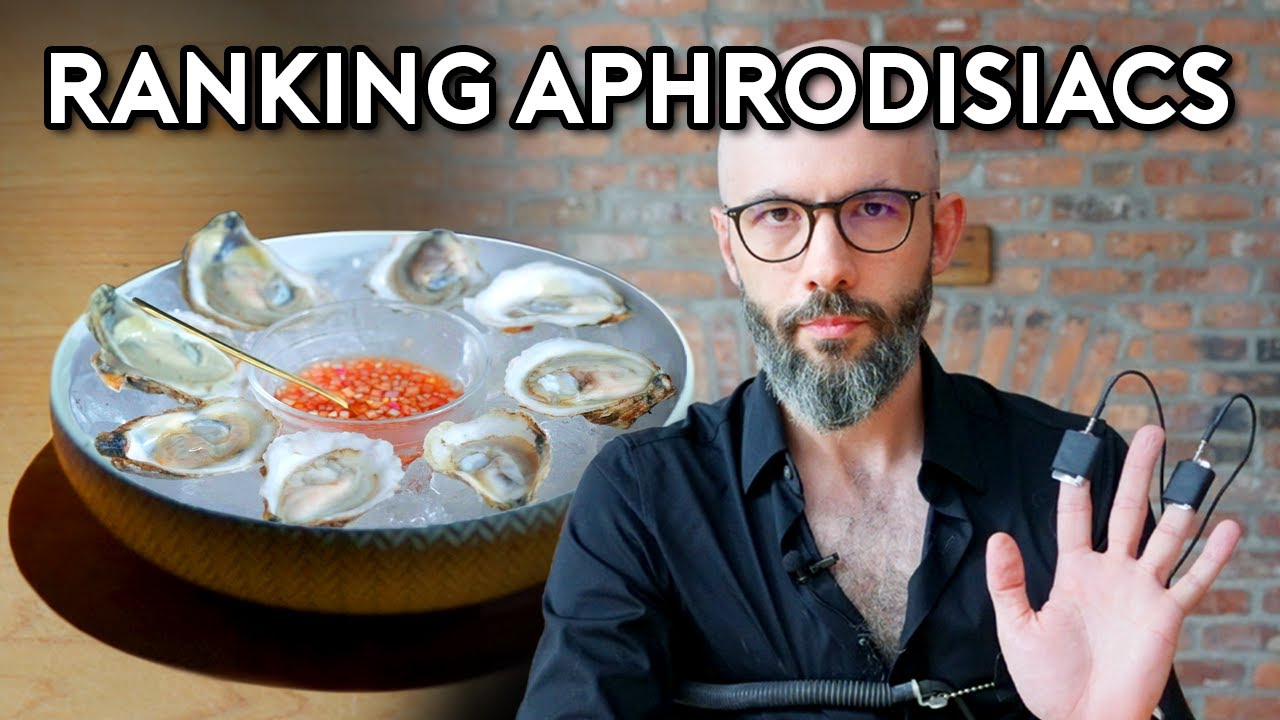
An aphrodisiac is any substance that increases sexual desire, arousal, or performance. The word comes from Aphrodite, the ancient Greek goddess of love, and it entered English usage in the early 1800s.
Researchers classify aphrodisiacs into three functional types based on what they actually do to the body.
| Type | What It Does | Example |
| Libido-Increasing | Raises sexual desire via hormonal pathways | Zinc, Vitamin D, testosterone-linked nutrients |
| Potency-Enhancing | Improves blood flow and physical function | Nitric oxide precursors (L-arginine), Omega-3s |
| Pleasure-Amplifying | Heightens sensation or mood during intimacy | Phenylethylamine (PEA), dopamine triggers |
Most foods labeled as aphrodisiacs fall into a gray zone. They may support general health in ways that indirectly benefit sexual function, but few trigger any of the above responses directly.
The clinical bar is high. A 2024 review published in ScienceDirect covering nutritional aphrodisiacs found that while individual compounds show biochemical promise, high-quality clinical trials confirming direct aphrodisiac effects in humans remain limited.
The distinction that matters most: psychogenic aphrodisiacs (where belief and context drive the response) vs. physiological aphrodisiacs (where a biochemical mechanism in the body creates the effect). Most food-based claims, including those around sushi, sit in the first category.
That doesn’t mean they’re useless. It just means the mechanism is different than people assume.
Why Sushi Gets Linked to Aphrodisiacs
The connection starts with ancient Greek mythology. Aphrodite, the goddess of love, was said to have emerged from the sea. Greek tradition held that all seafood was therefore under her domain.
That mythology stuck. Sushi, built almost entirely on raw seafood, inherited the same romantic reputation that oysters and caviar have carried for centuries.
Cultural and Historical Roots
Japan’s coastal communities have long associated seafood consumption with strength and vitality. That cultural framing carried over into how sushi was perceived as it spread globally.
Western diners added another layer. Raw fish feels like a luxury. Luxury dining, in most cultures, has always carried an intimate connotation.
- Ancient Greek mythology linked all seafood to Aphrodite
- Japanese coastal tradition associated fish-heavy diets with virility
- Western restaurant culture framed sushi as a romantic occasion food
- The visual presentation of sushi (intimate, hand-crafted, served in small pieces) reinforces a sensual dining experience
How Modern Marketing Amplified the Idea
Restaurant positioning played a real role. Sushi restaurants have consistently marketed themselves as date-night destinations. Dim lighting, omakase intimacy, shared plates.
That setting alone creates conditions associated with arousal and connection, even before a single ingredient gets digested. The food and the context became inseparable in the public mind.
Celebrity chef culture reinforced it further. Articles, food media, and “romantic dinner” listicles have placed sushi next to oysters, champagne, and dark chocolate as go-to seduction foods for decades.
Ingredients in Sushi with Documented Effects on Sexual Health

No clinical trial has directly tested sushi as an aphrodisiac. But several individual ingredients found in sushi rolls have real, studied effects on hormones, blood flow, and sexual function.
Some deliver meaningful nutritional support. Others have weaker or more conditional effects.
Raw Fish and Omega-3 Fatty Acids
Salmon, tuna, yellowtail, and mackerel are the core proteins in most sushi. All are high in EPA and DHA, the two active forms of omega-3 fatty acids.
Recent clinical trials show that omega-3 supplementation can improve male sexual performance by more than 23% in some cases, with the mechanism traced to improved nitric oxide production and vascular flexibility (Allo Health, citing clinical trial data).
Omega-3s also support hormone production. They help maintain the body’s output of sex hormones, including testosterone in men and estrogen in women, both of which have a direct influence on libido.
- Salmon: High EPA and DHA, linked to dopamine production and stronger orgasmic response
- Tuna (toro): Rich in omega-3, shown to support mood clarity and sexual mood elevation
- Mackerel: One of the densest omega-3 sources in any sushi menu
Nori and Zinc Content
Nori (dried seaweed) is high in iodine and contains measurable zinc. Both nutrients matter for sexual health, though through different pathways.
Iodine supports thyroid function. The thyroid regulates metabolism, hormone production, and energy levels. A sluggish thyroid often shows up as low libido before any other symptom becomes obvious.
Zinc in nori is modest but real. The bigger zinc source in sushi comes from fish roe and shellfish-based rolls. Still, nori contributes to the overall mineral profile of a sushi meal.
Ginger’s Role in Circulation
Pickled ginger (gari) is served with almost every sushi order. Most people treat it as a palate cleanser. But ginger’s effects on blood circulation are well-documented.
In potent enough doses, ginger raises body temperature, flushes the cheeks, and stimulates endorphin release, all physical signals the body associates with arousal. Aphrodisiac researcher Amy Reiley, who holds a Master of Arts in Gastronomy from Le Cordon Bleu, rates ginger as one of the twelve most potent aphrodisiac ingredients available in everyday food.
It’s also worth noting that both ginger and wasabi are classified as “warming” ingredients in traditional food medicine, prized for their ability to increase blood flow throughout the body, including to the pelvic region.
Zinc, Testosterone, and the Seafood Connection
This is where the strongest biological argument for sushi as a libido-supporting food actually lives. Not in mythology. In mineral biochemistry.
A 2023 systematic review published in the Journal of Trace Elements in Medicine and Biology, covering 38 studies (8 clinical, 30 animal), confirmed that zinc deficiency reduces testosterone levels, and zinc supplementation consistently improves them.
What Zinc Does for Sexual Function
Zinc is stored primarily in Leydig cells in the testes, where it directly supports testosterone biosynthesis. Without adequate zinc, testosterone production slows.
A 2023 study found that zinc supplementation increased testosterone levels by 17% in men with marginal zinc deficiency. An earlier clinical trial found that elderly men with marginal deficiency who supplemented with zinc for six months nearly doubled their serum testosterone levels (from 8.3 to 16.0 nmol/L, p = 0.02).
Low testosterone is a direct libido suppressor in both men and women. This is the chain: low zinc, lower testosterone, reduced sexual desire.
Zinc Sources in a Sushi Meal
Not every sushi roll delivers meaningful zinc. The amounts vary significantly by what’s inside.
| Sushi Item | Zinc Level | Notes |
| Shellfish (Scallop, Crab) | High | The best sushi-format alternative to oysters. |
| Fish Roe (Tobiko, Masago) | Moderate–High | Concentrated nutrients; small portions add up. |
| Salmon Nigiri | Moderate | Provides a balance of Zinc and heart-healthy Omega-3s. |
| Standard Tuna Maki | Low–Moderate | Better for protein and Omega-3s than for mineral density. |
| Nori (Seaweed) | Low | Primarily a source of Iodine rather than Zinc. |
The honest caveat here: a typical sushi dinner does not deliver the same zinc concentration as a plate of oysters. Oysters contain roughly 5-7 times more zinc per serving than most sushi fish. If zinc is the target, oysters are more efficient. But a well-ordered sushi meal with roe and shellfish-based rolls still contributes meaningfully to daily zinc intake.
Around 17.3% of the global population has potential zinc deficiency, according to a study published in 2012 (Wessells and Brown). For that portion of the population, even a moderate dietary zinc boost from a sushi meal has real hormonal relevance.
Omega-3 Fatty Acids and Sexual Function
The case for omega-3s in sexual health is one of the better-supported nutritional arguments available, though it’s still not a closed debate.
The main pathway is vascular. Good sexual function, particularly erectile function in men and arousal response in women, depends on healthy blood flow. Omega-3s improve that by supporting nitric oxide production, reducing arterial inflammation, and keeping blood vessel walls flexible.
EPA, DHA, and the Hormone Connection
A 2022 study involving 229 couples undergoing fertility treatments found that women with the highest EPA and DHA intake had a 50% higher probability of live birth compared to those with the lowest intake (NCBI). That’s a fertility marker, not a libido marker, but it points to the same hormonal foundation.
DHA makes up roughly 60% of the brain’s fatty acid composition. That makes omega-3 intake directly relevant to the neural pathways involved in sexual desire, mood, and arousal.
Omega-3s also support:
- Testosterone production in men through steroidogenic enzyme activity
- Estrogen stability in women, reducing vaginal dryness and low-desire symptoms
- Dopamine production, the neurotransmitter most directly tied to anticipation and pleasure
- Anxiety reduction via EPA, which indirectly removes one of the most common brakes on sexual desire
What Sushi Actually Delivers
A standard salmon or tuna sushi order provides a real, food-based dose of EPA and DHA. Not a supplement-level dose. But a meaningful one, especially if you eat sushi two to three times per week.
Salmon is consistently ranked among the top dietary sources of omega-3s globally. Two pieces of salmon nigiri provide roughly 1-1.5g of combined EPA/DHA, which is within the range associated with cardiovascular and hormonal benefits in most dietary research.
The honest limit: researchers from OmegaQuant note that the science on omega-3s and sexual function, while promising, is “still in its infancy” compared to the established research on omega-3s for heart and brain health. The studies exist. The results are encouraging. But definitive, large-scale human trials specifically on sexual function haven’t been done yet.
What the Research Actually Says
Short answer: nobody has run a clinical trial specifically on sushi as an aphrodisiac. That study does not exist. What does exist is a body of ingredient-level research that builds a partial, indirect case.
A 2022 global prevalence study estimated at least 150 million cases of erectile dysfunction worldwide, with the number likely undercounted because most men don’t disclose it (ScienceDirect). That scale of sexual dysfunction has pushed more researchers toward nutritional interventions.
Where the Evidence Is Strong
Zinc and testosterone: consistently supported across 38 reviewed studies (Journal of Trace Elements in Medicine and Biology, 2023).
Omega-3s and vascular sexual function: supported in animal studies, early human trials, and fertility research.
Ginger and endorphin release: supported in multiple nutritional reviews and traditional medicine research.
Where the Evidence Falls Short
No study has connected eating sushi to measurable increases in libido, testosterone, or sexual satisfaction. The ingredient-to-outcome chain requires several steps that haven’t been tested together in humans.
There’s also the dose problem. The zinc in two pieces of salmon nigiri is not the same as a clinical zinc supplement. The omega-3s in a spicy tuna roll are not the same as 2,000mg of fish oil daily. The nutrients are present. The concentrations are different.
The placebo effect is also real and not trivial. Wikipedia’s review of aphrodisiac research notes that from a historical and scientific standpoint, alleged aphrodisiac effects have often been attributed to the belief of the user rather than the biochemical properties of the substance. If you eat sushi expecting a romantic outcome in a candlelit setting with someone you’re attracted to, your body will respond to that context regardless of what the fish contains.
The conclusion that most nutritionists and sexual health researchers land on: sushi supports the biological conditions for good sexual health. It is not an aphrodisiac in the strict clinical sense. The nutrients are real. The direct causal link between eating sushi and increased desire hasn’t been proven.
That’s a meaningful distinction. And it’s also worth knowing that for foods like sushi, the health benefits stack up well beyond any single-purpose claim. Understanding whether sushi is genuinely healthy involves looking at the full nutritional picture, not just its aphrodisiac reputation.
Sushi Ingredients That Work Against Sexual Health
Not every component of a sushi meal supports libido or hormone balance. A few work in the opposite direction, especially with regular high-volume consumption.
Knowing the downsides doesn’t mean avoiding sushi. It means ordering smarter.
Mercury in High-Tuna Diets
Methylmercury accumulates in predatory fish like bluefin and yellowfin tuna. At elevated body levels, mercury suppresses testicular steroidogenesis, the process by which testosterone is synthesized, and has shown significant negative correlations with serum testosterone in human studies (Journal of Basic and Applied Zoology).
A 2022 ScienceDirect study found inverse associations between mercury exposure and testosterone levels in both sexes.
The FDA advises adults to limit higher-mercury fish to around two servings per week. Sushi diners who order toro (fatty tuna) or yellowfin multiple times in one sitting are pushing against that limit fast.
- Lower-mercury choices: salmon, mackerel, yellowtail, shrimp
- Higher-mercury choices: bluefin tuna, swordfish, albacore
Soy Sauce and Sodium Load
One tablespoon of standard soy sauce contains roughly 900mg of sodium. Most sushi diners use considerably more than one tablespoon across a meal.
High sodium intake raises blood pressure and reduces vascular flexibility, both of which directly reduce blood flow to sexual organs. Good sexual function depends on healthy circulation. Anything that consistently impairs vascular health works against that.
Low-sodium soy sauce cuts the hit by about 40% without much change in flavor. A practical fix that most sushi restaurants will offer if you ask.
White Rice and Glycemic Response
Sushi rice is short-grain white rice seasoned with sugar and vinegar. It has a high glycemic index.
A large sushi meal can spike blood sugar sharply, followed by an energy crash. That post-meal fatigue suppresses libido directly. The body’s parasympathetic response after a heavy meal also redirects blood flow to digestion, the opposite of what arousal requires.
The portion issue: twelve to sixteen pieces of nigiri and maki represents a significant carbohydrate load. Overeating at any dinner, sushi or otherwise, is one of the most reliable libido suppressants there is.
How Sushi Compares to Known Aphrodisiac Foods

Put sushi next to the foods most commonly cited in sexual health research and the picture becomes clearer. Some of those foods genuinely outperform sushi on specific metrics. Others don’t.
| Food | Key Mechanism | Evidence Strength | vs. Sushi |
| Oysters | Zinc, dopamine support | Moderate | Stronger zinc source per serving than fish. |
| Maca Root | Stress/Libido support | High | More direct libido-specific mechanism. |
| Dark Chocolate | Phenylethylamine (PEA) | Weak | Comparable; mostly psychological/mood-based. |
| Salmon Sushi | Omega-3, blood flow | Moderate | Stronger than chocolate; better for blood flow. |
Oysters vs. Sushi: The Zinc Gap
A single medium oyster contains roughly 5-8mg of zinc. Six oysters provide close to your entire recommended daily zinc intake in one sitting.
Salmon nigiri delivers about 0.4-0.6mg of zinc per piece. You’d need to eat twenty or more pieces of salmon sushi to match the zinc content of six oysters.
Revibe Men’s Health notes that oysters are extremely rich in zinc, support dopamine levels, and have a much clearer pathway to testosterone and libido support than most other foods. Sushi can contribute to daily zinc intake, but it’s not competing with oysters on that specific metric.
Maca Root: The Strongest Comparison Point
Maca root, often called “Peruvian Viagra,” has the strongest scientific backing of any food-based libido claim, according to Cleveland Clinic.
Small clinical studies have shown maca decreases erectile dysfunction symptoms and improves sexual desire in both men and postmenopausal women. The mechanism is adaptogenic, targeting the stress-response system rather than hormones directly.
Sushi and maca operate through completely different pathways. One is a nutrient-dense meal that supports the hormonal and vascular conditions needed for good sexual health. The other has direct, studied effects on desire and erectile function. They’re not really competing. Most sexual health researchers would say both belong in a diet focused on long-term sexual wellness.
The Psychological Side of Eating Sushi and Desire

The non-biological dimension of sushi and arousal is real. Often more real than the biochemical one, at least in the short term.
A 2024 study published in Current Biology by University of Colorado Boulder neuroscientists found that dopamine surges in the brain’s reward center when people anticipate being with a romantic partner, with levels measurably higher than with casual acquaintances. The setting and the person across the table matter more to arousal than most people realize.
Shared Meals, Courtship, and Dopamine
Research published in PubMed found that food sharing signals positive relational intent, while one person feeding another indicates a stronger, often romantic relationship. This behavior is classified as “courtship feeding” and has been observed across cultures as a mate-attraction signal.
Sushi is structurally well-suited to this. It’s served in shared portions. It’s picked up and offered. The intimacy of omakase, where a chef builds a meal specifically for you in real time, creates a sense of personal attention that mirrors romantic care.
That experience triggers dopamine. And dopamine, as the 2022 PMC review on sexual behavior confirms, plays a key role in the preparatory phase of arousal, driving motivation and desire before any physical contact occurs.
Placebo Effect and Expectation
Belief shapes physiology. This isn’t speculation. It’s documented.
Expecting an aphrodisiac effect produces measurable physiological responses: reduced anxiety, increased confidence, and a heightened focus on the sexual dimension of an interaction. These are real changes, just driven by the mind rather than the fish.
Cleveland Clinic’s registered dietitian Julia Zumpano puts it plainly: just because a food doesn’t have proven aphrodisiac properties doesn’t mean it’s “not doing a little something for your libido.” The placebo effect, in this context, is a feature.
Why the Full Sushi Experience Matters
Dim lighting, careful presentation, unfamiliar flavors, shared small plates, and the ritual of the meal itself. All of these create conditions the brain associates with novelty and reward.
Novelty drives dopamine. A new restaurant, an unusual order, the omakase format, all of these deliver low-level novelty signals that keep the reward system engaged throughout a meal.
Sushi, more than most cuisines, combines sensory novelty with the structural conditions for courtship. That’s probably the most honest answer to why it has maintained its aphrodisiac reputation for so long. It’s not primarily the zinc or the omega-3s. It’s the whole experience.
If you’re curious about the full nutritional picture behind sushi’s health reputation, it’s worth reading about what sushi is actually made of and the history of sushi to understand how this dish became what it is today. And if you’re planning a romantic sushi dinner, knowing what wine goes with sushi can round out the experience considerably.
FAQ on Is Sushi An Aphrodisiac
Does sushi actually increase libido?
Not directly. No clinical trial has proven sushi increases libido on its own.
However, ingredients like omega-3 fatty acids and zinc support the hormonal and vascular conditions that make healthy sexual function possible over time.
Which sushi ingredients are most linked to sexual health?
Salmon and tuna for omega-3s, fish roe for zinc, nori for iodine, and ginger for circulation.
Shellfish-based rolls deliver the most zinc per serving, making them the strongest aphrodisiac candidates in any sushi meal.
Is raw fish good for testosterone levels?
Fatty fish supports testosterone through omega-3s and vitamin D. A 2024 study on older Japanese men found higher lean fish intake correlated with higher serum testosterone levels.
High-tuna diets carry a mercury risk that can suppress testosterone at excess intake.
How does sushi compare to oysters as an aphrodisiac?
Oysters win on zinc. Six oysters deliver close to your full daily zinc requirement.
Sushi contributes meaningfully to zinc intake but cannot match oyster concentrations per serving. For seafood and arousal, oysters remain the stronger choice.
Is the aphrodisiac effect of sushi mostly psychological?
Largely, yes. The romantic setting, shared plates, and novelty of the meal trigger dopamine release, which plays a direct role in sexual motivation and arousal.
That psychological response is real, even if the biochemical pathway is indirect.
Can eating sushi improve erectile function?
Indirectly. Omega-3s in salmon and tuna support nitric oxide production and vascular flexibility, both of which matter for erectile function.
Recent clinical data shows omega-3 supplementation improved male sexual performance by more than 23% in some trials, though supplement doses differ from food portions.
Does soy sauce in sushi hurt sexual health?
In excess, yes. High sodium raises blood pressure and reduces vascular flexibility, which impairs blood flow to sexual organs.
Switching to low-sodium soy sauce cuts sodium intake by roughly 40% with no meaningful flavor loss.
What type of sushi is best for sexual health?
Salmon nigiri, shellfish-based rolls, and anything with fish roe give you the best combination of omega-3s, zinc, and iodine.
Avoid heavy tuna orders in one sitting due to mercury accumulation risk at high volumes.
Is ginger served with sushi an aphrodisiac?
Pickled ginger improves blood circulation and stimulates endorphin release. Aphrodisiac researcher Amy Reiley rates ginger among the twelve most potent everyday aphrodisiac foods based on its physiological warming effects.
Its dose in a standard sushi serving is modest but real.
Should I eat sushi on a date for aphrodisiac effects?
The nutrients help over time, not within one meal. But the experience itself, shared plates, careful presentation, and intimate setting, creates ideal conditions for dopamine release and romantic connection.
The food and the context work together.
Conclusion
This conclusion is for an article presenting the full picture on sushi and sexual health, and the honest answer is: it’s complicated.
Sushi is not a proven aphrodisiac in any clinical sense. But it’s not irrelevant either.
Zinc from fish roe, omega-3 fatty acids from salmon, iodine from nori, and the circulation benefits of ginger all contribute to the biological conditions that support libido and hormone balance over time.
The mercury load from heavy tuna consumption and the sodium in soy sauce can work against that.
What tips the scale is the full experience. Shared plates, intimate settings, and the dopamine that comes with a well-planned romantic dinner make sushi genuinely useful for sexual desire and arousal, just not in the way most people expect.


